CIA and Other U.S. Intelligence Agencies Hit by Cyberattack Following FBI Security Breach and Nationwide System Disruptions


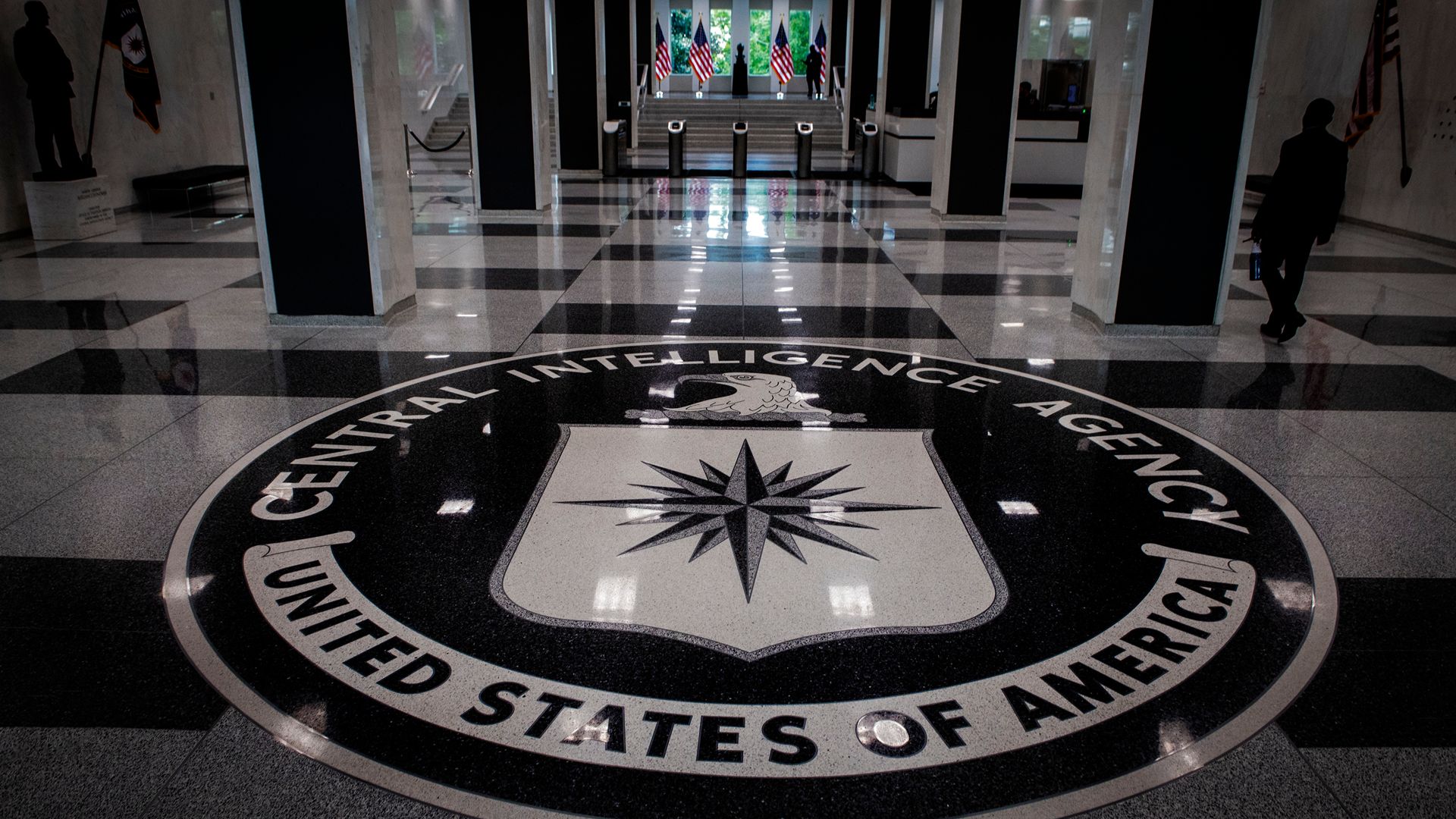
The Central Intelligence Agency (CIA) and the Office of the Director of National Intelligence (ODNI) have been affected by a cybersecurity breach, adding to a series of security incidents and major technological disruptions involving American federal agencies in recent weeks. The intrusion, publicly revealed on November 24, reportedly occurred several weeks earlier and compromised a system used by intelligence officials to collect and analyze unclassified information. Although authorities have not disclosed the identity of the attackers or the precise nature of the information accessed, intelligence officials maintain that classified government systems were not compromised. «There have been no disruptions to critical capabilities or classified systems,» an ODNI official told CNN. The CIA declined to comment publicly on the incident. The revelation comes just days after reports of a separate cybersecurity breach involving an FBI criminal intelligence database, raising further questions about the protection of sensitive government information and the resilience of American intelligence infrastructure.
The compromised intelligence system supports the analysis of publicly and commercially available information, an increasingly important component of modern intelligence operations. Such information can include satellite imagery, social media activity, commercial databases and other material used to assess international developments and potential national security threats. Although the underlying information may be publicly accessible, the analytical work performed by intelligence agencies can reveal sensitive details about government priorities, ongoing assessments and subjects of particular interest to American intelligence officials. According to reporting by The Wall Street Journal, authorities consider the immediate cybersecurity incident resolved, although the precise extent of the unauthorized access has not been publicly established. The absence of a confirmed breach of classified systems does not necessarily eliminate the intelligence value of the information potentially obtained. Federal authorities have also not publicly identified the individuals or organizations responsible, leaving unanswered questions about the attackers' objectives and whether any sensitive analytical material was extracted from the compromised system.
Well, we just heard about it, and I will say that it's not good. I don't like that.
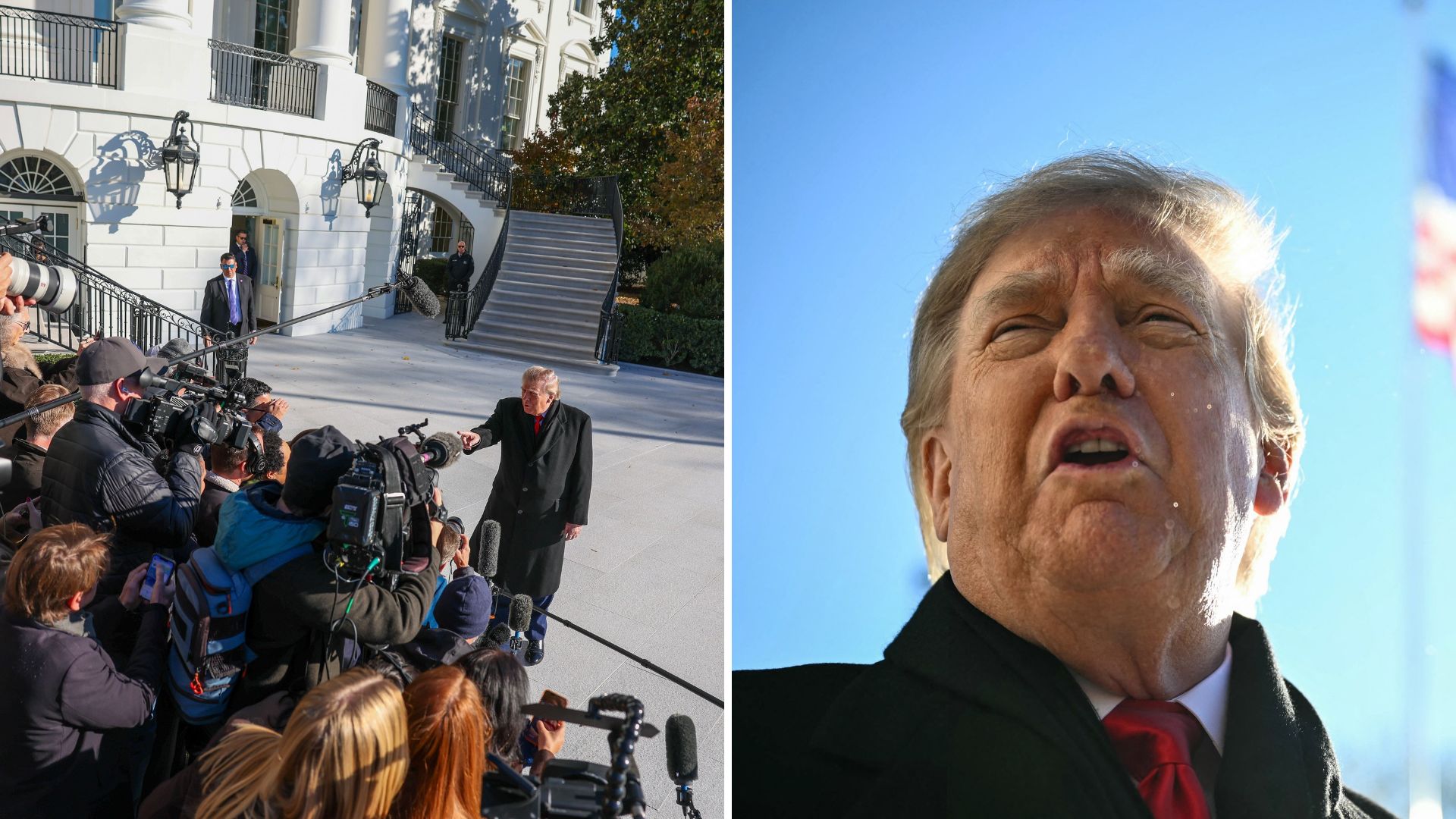
The latest revelation follows CNN's November 20 reporting of a separate cybersecurity breach involving the FBI's National Crime Information Center, a nationwide database used by law enforcement agencies to support criminal investigations and exchange information. Responding to the incident during a Fox News interview on November 21, Trump acknowledged the seriousness of the situation, stating that «Well, we just heard about it, and I will say that it's not good. I don't like that.» The president subsequently suggested that the breach might reveal information concerning previous FBI investigations he has repeatedly criticized, including the investigation into Russian interference in the 2016 presidential election. However, as ABC News pointed out, the compromised criminal justice database would not contain the investigative records Trump was referring to. Meanwhile, sources familiar with the intelligence agencies' cybersecurity breach told CNN that they did not believe it was connected to the FBI incident. No evidence of a coordinated campaign targeting the agencies has been publicly presented, and the extent of the information potentially compromised in the FBI breach remains unclear.
The two cybersecurity breaches have emerged against a backdrop of significant technological disruptions affecting government agencies, financial institutions and transportation infrastructure across the United States. On November 13, a nationwide failure of the Federal Aviation Administration's systems resulted in the most extensive grounding of American flights since September 11, 2001. Days later, reports emerged of an outage affecting a classified National Security Agency network, while disruptions involving financial institutions and widely used software platforms added to concerns about the reliability of critical digital infrastructure. During a House Homeland Security Committee hearing on November 18, Director of National Intelligence Jay Clayton rejected suggestions that the earlier incidents were connected, stating that «They are not a coordinated or state-sponsored attack.» Transportation Secretary Sean Duffy also maintained that intelligence agencies had ruled out a cyberattack as the cause of the aviation disruption, although its underlying technical cause remained under investigation. Neither the CIA nor the FBI breach has been publicly linked to those earlier system failures.
Further concerns emerged only hours after the intelligence agencies' cybersecurity breach became public, when the Treasury Department's Financial Crimes Enforcement Network (FinCEN) disclosed a separate incident involving unauthorized access to a limited portion of its systems. The agency, responsible for combating money laundering, terrorist financing and other financial crimes, handles sensitive information submitted by banks and other financial institutions. Certain services were taken offline as a precaution, although authorities have not publicly disclosed the full extent of the intrusion or identified the information potentially compromised. The Department of Agriculture had also taken internal applications offline the previous week following a separate cybersecurity incident. While these developments have added to questions about the protection of sensitive federal information, no evidence has been publicly presented establishing a connection between the Treasury Department incident and the breaches affecting American intelligence agencies. The succession of incidents nevertheless underscores the cybersecurity challenges facing government departments responsible for national security, financial oversight and essential public services.
They are not a coordinated or state-sponsored attack.
The latest revelations also coincide with changes to the Trump administration's cybersecurity leadership following the dismissal of National Cyber Director Sean Cairncross. On November 23, Trump appointed Jay Clayton as acting national cyber director, while Pentagon Chief Information Officer Kirsten Davies was selected for the permanent position, pending Senate confirmation. Concerns about America's cybersecurity preparedness had already prompted a bipartisan intervention from Democratic Senator Maria Cantwell and Republican Senator Mike Rounds, who addressed a letter to Clayton on November 17 calling for a coordinated national cybersecurity strategy. «AI is rapidly increasing the ability to discover and exploit weaknesses in software, and our defenses are not keeping pace.» The senators urged the administration to strengthen cybersecurity standards, accelerate the deployment of defensive technologies and improve cooperation between federal agencies and private companies. Their warning preceded the public disclosure of the FBI and CIA breaches, highlighting existing concerns about the country's ability to protect critical infrastructure and sensitive government information against increasingly sophisticated digital threats.
Created by humans, assisted by AI.
Share this post