Abdul El-Sayed Raises $2.4 Million After Democratic Congresswoman’s «Despicable Betrayal» as She Endorses Republican Rival in Michigan


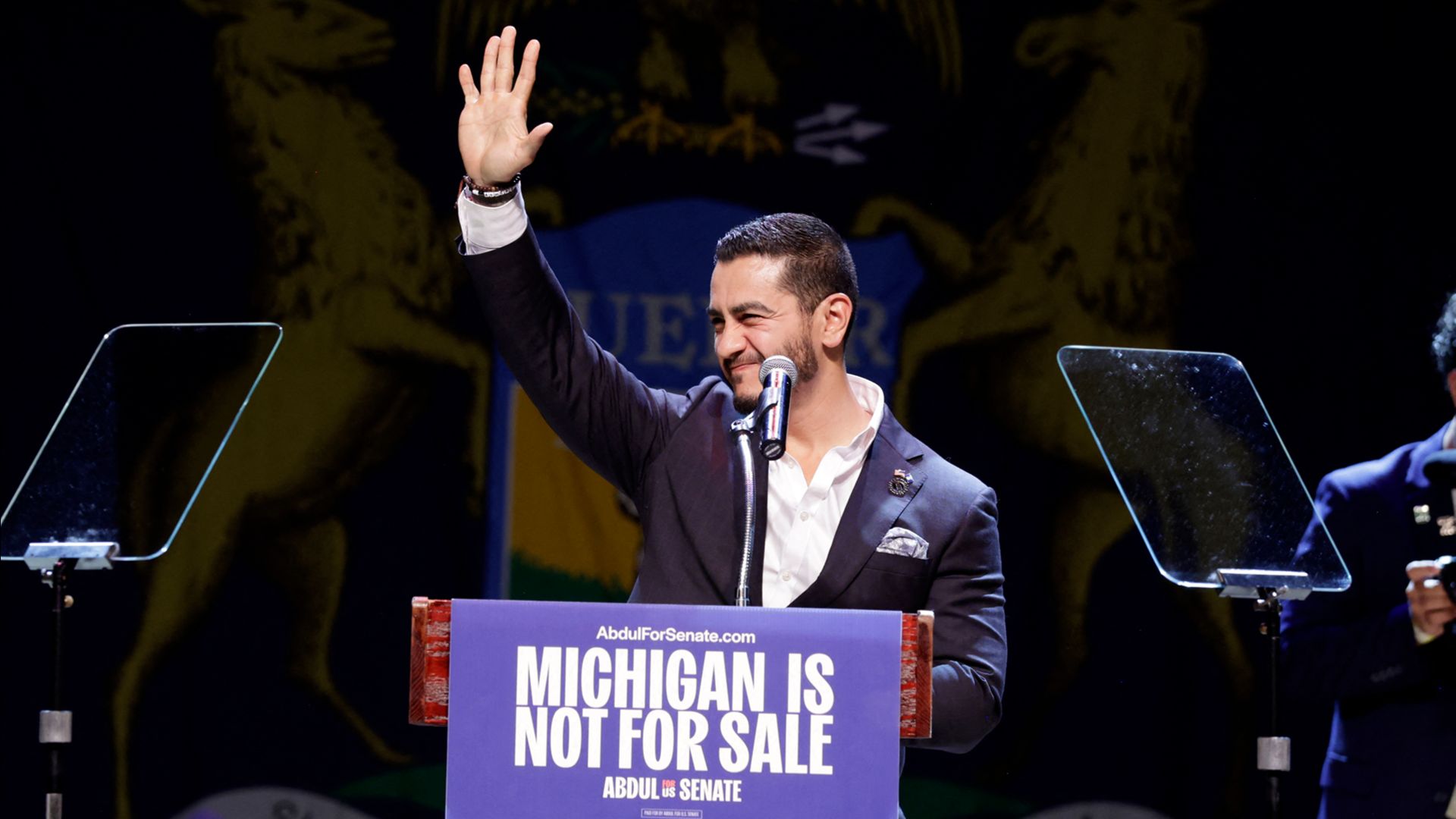
Democratic Senate candidate Abdul El-Sayed's campaign reported raising an extraordinary $2.4 million in a single day after Democratic Congresswoman Haley Stevens stunned her own party by endorsing his Republican opponent, Mike Rogers, just 48 hours before Michigan voters headed to the polls in the November 3 midterm elections. The announcement, made Monday, November 2, followed a dramatic Sunday in which Stevens abandoned her former primary rival and appeared alongside Rogers at Detroit's Perfecting Church, despite previously pledging to support the Democratic nominee. According to El-Sayed's campaign, the fundraising surge included more than 65,000 individual contributions, with 29,602 coming from first-time donors and an average contribution of approximately $37. Campaign spokesperson Cole Wozniak described the record-breaking haul as evidence of growing grassroots enthusiasm and rejection of established political interests. The sudden influx of donations also illustrated how an endorsement intended to benefit Rogers had coincided with a significant financial boost for his Democratic opponent, adding another unexpected dimension to one of the country's most consequential Senate contests.
Stevens' decision provoked an immediate backlash from Democratic leaders, many of whom accused the Michigan congresswoman of abandoning her party at a critical moment. Senate Minority Leader Chuck Schumer, who had supported Stevens during the Democratic primary before endorsing El-Sayed following his August victory, condemned her endorsement as a «despicable betrayal». Former House Speaker Nancy Pelosi similarly accused Stevens of endangering Michigan families' healthcare, freedoms, and political future by supporting a Republican candidate aligned with Donald Trump. Both of Michigan's Democratic senators, Gary Peters and Elissa Slotkin, also criticized the move, while Michigan Democratic Party Chair Curtis Hertel declared that Stevens had abandoned the principles she previously claimed to defend. The state party subsequently expelled her from its ranks, and several members of her congressional staff resigned in protest. The backlash was particularly significant because Democrats were fighting to retain Peters' Senate seat while attempting to gain control of the chamber, making Stevens' last-minute intervention a potentially consequential disruption to the party's election strategy.
I'd love her to join the Republican Party actually.
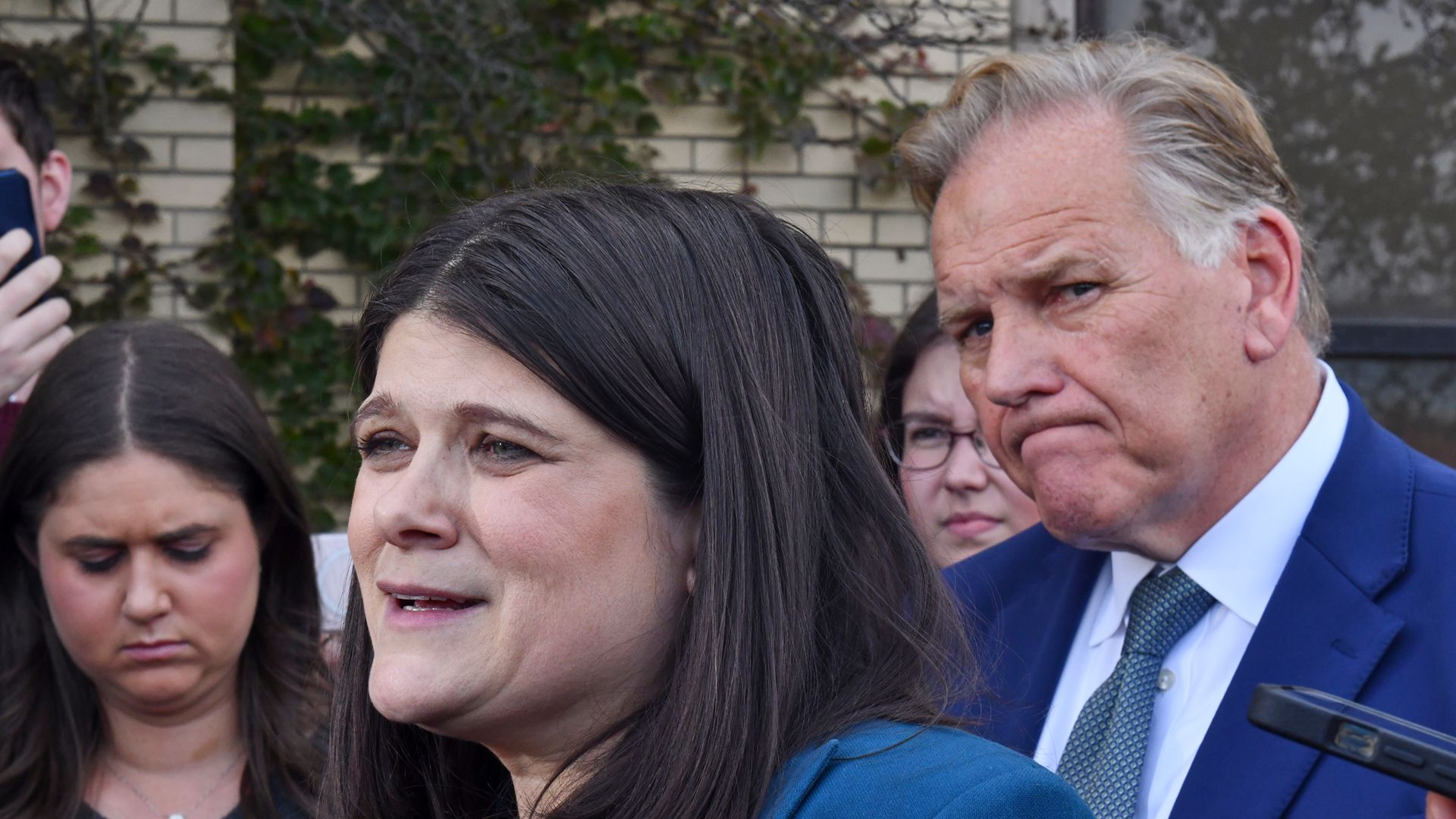
The controversy was intensified by Stevens' previous opposition to Rogers and her insistence, until shortly before the endorsement, that she remained committed to electing Democrats. During the primary campaign, she had portrayed Rogers as a supporter of Trump's political agenda, making her sudden decision to embrace him especially contentious among former allies. Explaining her reversal in a video published Sunday, Stevens declared, «Hey Michigan, as you may have seen, our Democratic nominee for U.S. Senate, Abdul, said that I was no longer welcome in his campaign and that I should stay away. And he's right, and that's why I am endorsing Mike Rogers for the United States Senate today. I don't belong in Abdul's campaign.» The congresswoman insisted that she remained a proud Democrat, but argued that disagreements with El-Sayed had made continued cooperation impossible. Their dispute had escalated over Israel and Gaza, particularly after Stevens demanded that El-Sayed condemn an advertisement produced by an outside political organization that she considered antisemitic. El-Sayed publicly rejected the advertisement's contents and emphasized that his campaign had not produced it, but the disagreement further strained an already difficult relationship following their bitter primary contest.
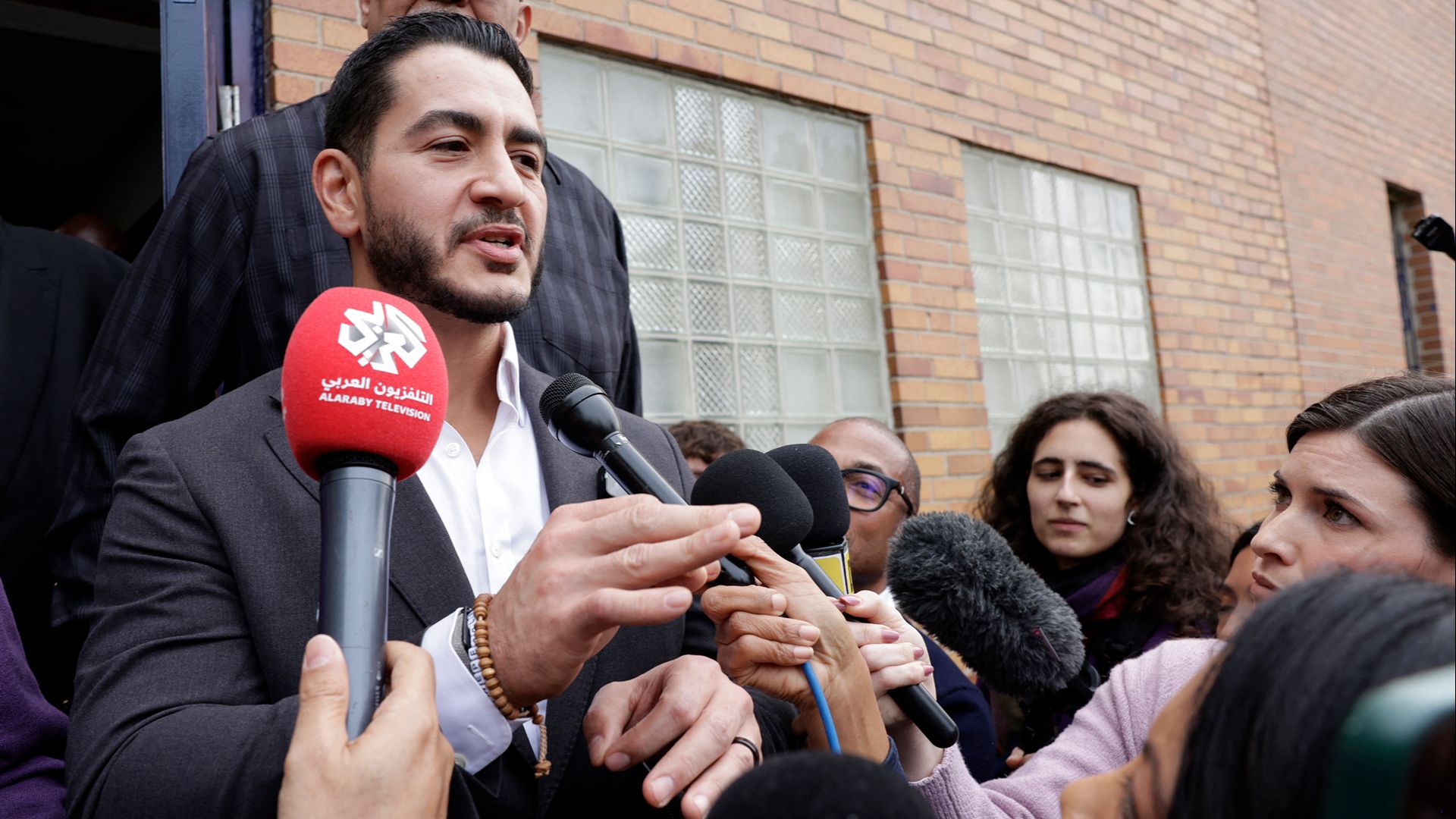
El-Sayed, meanwhile, sought to distance himself from the controversy surrounding his former Democratic primary opponent, insisting that Michigan voters were more concerned about their daily lives than political disputes within the party. Speaking to reporters outside a Detroit church on Sunday, November 1, the Democratic nominee dismissed questions about Stevens' endorsement of Rogers, declaring, «At the end of the day, I actually don't think about Haley Stevens.» He continued, «I think about the 9,999,998 people who are not those two, because, you know what, I'm just less interested in the politics of it all than I am in the policy of it all.» El-Sayed also challenged Stevens' decision to support a candidate closely aligned with Trump and Vice President JD Vance, arguing that voters concerned about discrimination should reconsider backing the Republican ticket. Rather than prolonging the dispute, he emphasized the rising cost of living, struggling public schools, and economic difficulties facing Michigan families, presenting his campaign as focused on practical concerns rather than personal political rivalries.
Stevens' unexpected endorsement was enthusiastically welcomed by Trump, who celebrated the Democratic congresswoman's decision to cross party lines just days before voters determined control of the Senate. In a Truth Social post on November 1, Trump described the development as an «act of bravery» and praised what he characterized as Stevens' loyalty to Michigan. Speaking later at a campaign rally in Dubuque, Iowa, the president told supporters, «I don't know Haley. I've never met Haley. But Haley said what few people were willing to say.» He then suggested that her political realignment could extend beyond the Senate election, adding, «I'd love her to join the Republican Party actually.» The warm reception represented a remarkable reversal from August, when Trump had described Stevens as a «Radical Left Socialist» during Michigan's Democratic primary. Republican House Speaker Mike Johnson also praised the endorsement, calling Stevens' decision a heroic act and encouraging her to continue speaking publicly about her disagreements with Democratic leadership. Rogers' campaign welcomed the support, although his representatives said they had not known Stevens intended to endorse him until her announcement became public.
Hey Michigan, as you may have seen, our Democratic nominee for U.S. Senate, Abdul, said that I was no longer welcome in his campaign and that I should stay away. And he's right, and that's why I am endorsing Mike Rogers for the United States Senate today. I don't belong in Abdul's campaign.
The political upheaval unfolded during the final hours of a closely contested Michigan Senate race, with Democrats attempting to retain the seat being vacated by retiring Senator Gary Peters and Republicans seeking another opportunity to strengthen their congressional majority. El-Sayed, a physician and former public health official, had defeated Stevens in the August Democratic primary, exposing divisions within the party over foreign policy, progressive politics, and the future of its electoral coalition. Those disagreements intensified as the general election approached, particularly over Israel and Gaza, although Stevens' endorsement of Rogers represented an extraordinary escalation of what had previously been an internal dispute. Michigan's importance extended far beyond the two candidates, with the state considered central to Democrats' efforts to regain control of the Senate. Yet the immediate financial consequences of Stevens' decision were particularly striking: while Republicans celebrated gaining support from a prominent Democrat, El-Sayed's campaign reported receiving $2.4 million in donations during its strongest fundraising day. Whether the controversy would ultimately influence undecided voters remained uncertain as Michigan prepared to deliver its verdict on November 3.
Created by humans, assisted by AI.
