

/https%3A%2F%2Fcdn-tor.buminteractif.com%2F2026%2F02%2F17153421%2Fnavalny-russia-gerrty-35423453634.jpg)
The United Kingdom, France, Germany, Sweden and the Netherlands have issued a joint statement declaring they are confident Russian opposition leader Alexei Navalny was killed by poisoning with a lethal toxin derived from poison dart frogs. The announcement, published on 14 February 2026, represents the strongest coordinated accusation to date by European governments over Navalny's death in a Russian prison colony in February 2024. The five countries said their conclusion was based on laboratory analyses of samples taken from Navalny, which they said confirmed the presence of epibatidine, a powerful toxin most commonly associated with poison dart frogs in South America. Russia previously claimed Navalny died of natural causes, but European officials said the evidence now points to deliberate poisoning.
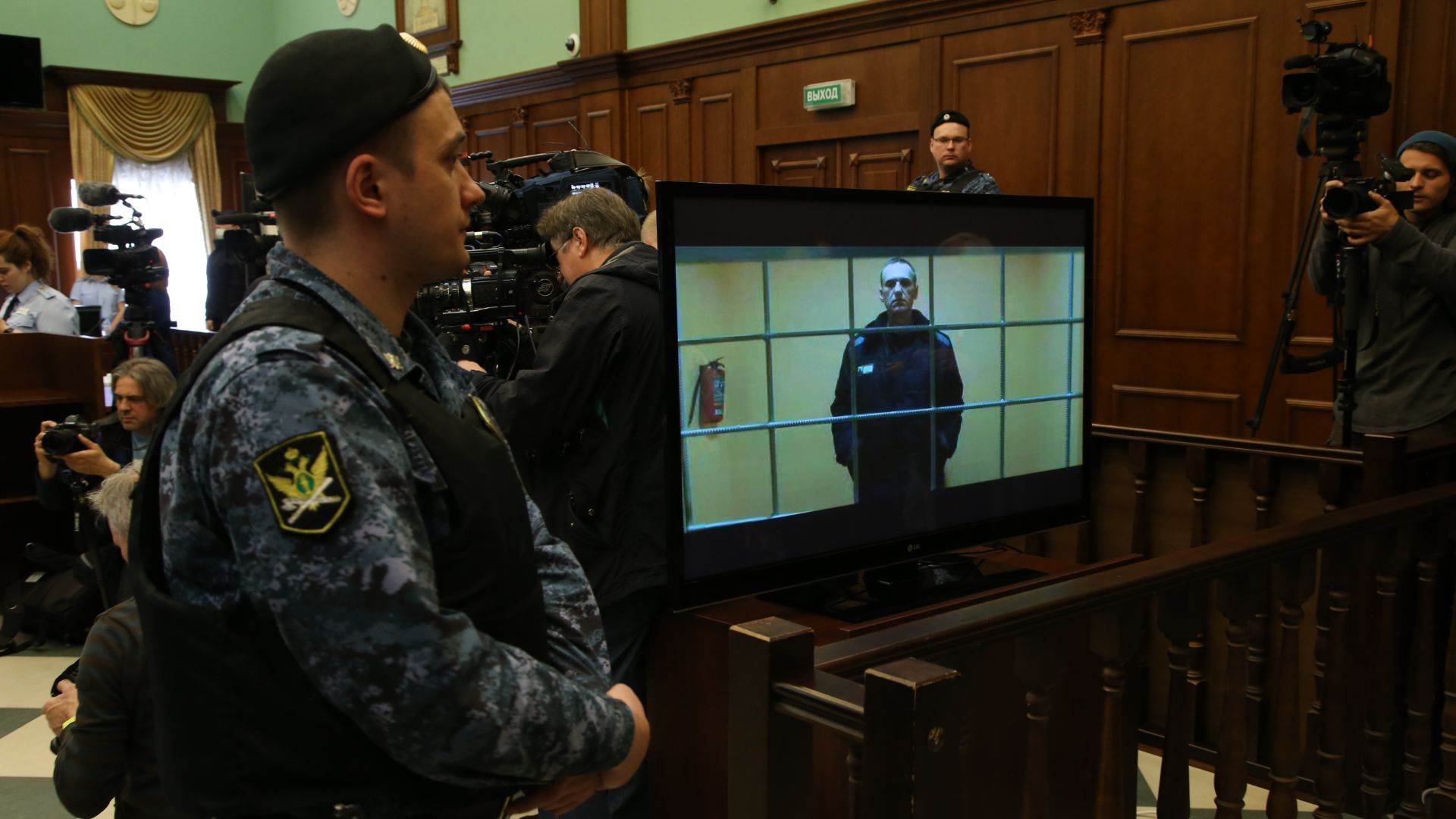
In the joint statement, the five governments said the findings were based on toxicology results that left little doubt about what was detected. «This is the conclusion of our Governments based on analyses of samples from Alexei Navalny. These analyses have conclusively confirmed the presence of epibatidine,» the statement said. It described epibatidine as «a toxin found in poison dart frogs in South America» and stressed: «It is not found naturally in Russia.» The governments argued that the official Russian narrative no longer holds up under the scientific evidence. «Russia claimed that Navalny died of natural causes. But given the toxicity of epibatidine and reported symptoms, poisoning was highly likely the cause of his death,» they said, framing the case as a deliberate act committed under state custody.
«He was killed, he was very young — less than 50. He spent his last years in torturous conditions … Putin killed him.»
-Yulia Navalnaya
The statement directly connected the circumstances of Navalny's imprisonment to the plausibility of the poisoning, pointing to opportunity as well as motive. «Navalny died while held in prison, meaning Russia had the means, motive and opportunity to administer this poison to him,» the five governments said. The document also accused Moscow of continued violations of international law, adding: «Russia's repeated disregard for international law and the Chemical Weapons Convention is clear.» By naming both the Chemical Weapons Convention and the Biological and Toxin Weapons Convention, European officials signaled they view the alleged poisoning as not only a political killing but also a breach of international arms control agreements. The statement said the findings “underline the need to hold Russia accountable” for repeated violations.
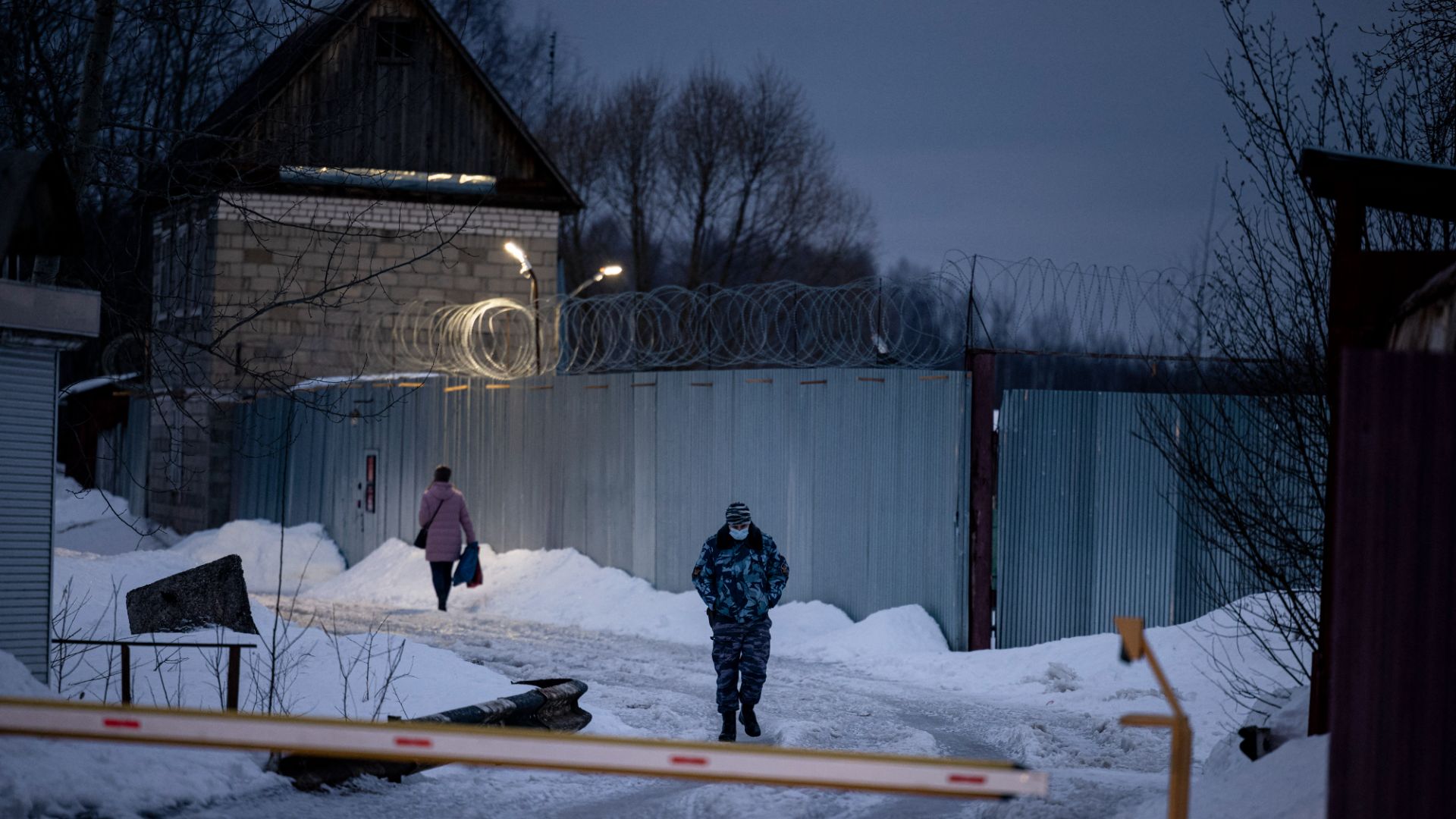
European governments also framed Navalny's death as part of a longer pattern involving the use of prohibited agents linked to Russia. The statement recalled the international response to Navalny's poisoning in 2020, when Western governments concluded he had been targeted with Novichok, a nerve agent. «In August 2020 the UK, Sweden, France, Germany, The Netherlands and partners condemned Russia's use of novichok to poison Alexei Navalny,» the statement said. It also cited the Salisbury poisoning in 2018, adding: «This followed Russia's use of novichok in Salisbury in 2018, which led to the tragic death of a British woman, Dawn Sturgess.» The governments argued that in both cases, the evidence pointed to Moscow. «In both cases, only the Russian state had the combined means, motive and disregard for international law to carry out the attacks,» the statement said.
«Russia claimed that Navalny died of natural causes. But given the toxicity of epibatidine and reported symptoms, poisoning was highly likely the cause of his death.»
-Joint Statement by the UK, Sweden, France, Germany and The Netherlands
The five countries said they have already escalated the matter through international institutions and warned that the issue could lead to further action. «Our Permanent Representatives to the Organisation for the Prohibition of Chemical Weapons have written today to the Director General to inform him of this Russian breach of the Chemical Weapons Convention,» the statement said. They also raised concerns about whether Russia complied fully with prior disarmament commitments.
«We are further concerned that Russia did not destroy all of its chemical weapons,» they added. The joint statement ended with a clear warning of potential consequences, saying: «We and our partners will make use of all policy levers at our disposal to continue to hold Russia to account.» It was signed off as «Agreed by the Foreign Ministers of France, Germany, The Netherlands, Sweden and the UK.»
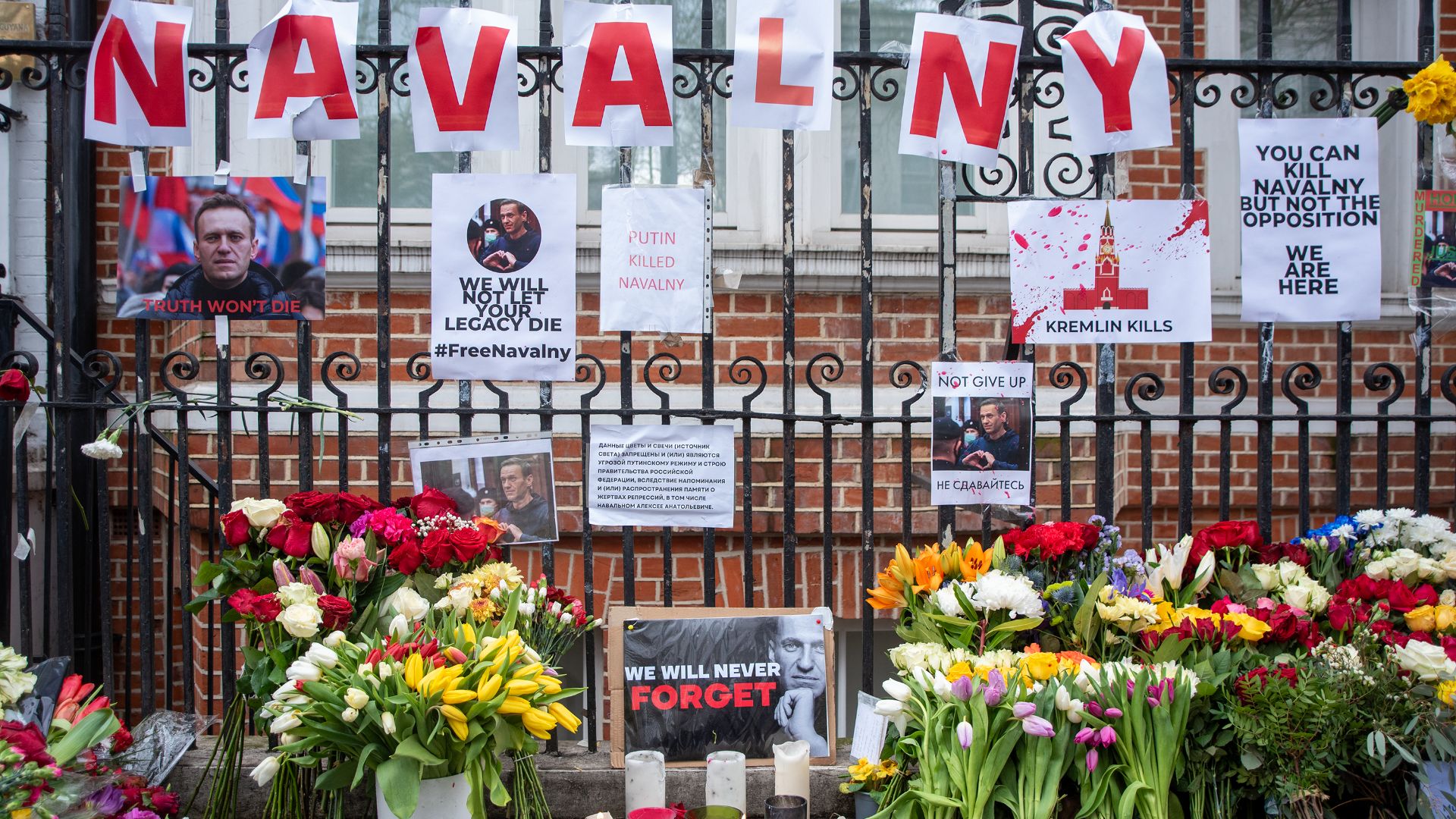
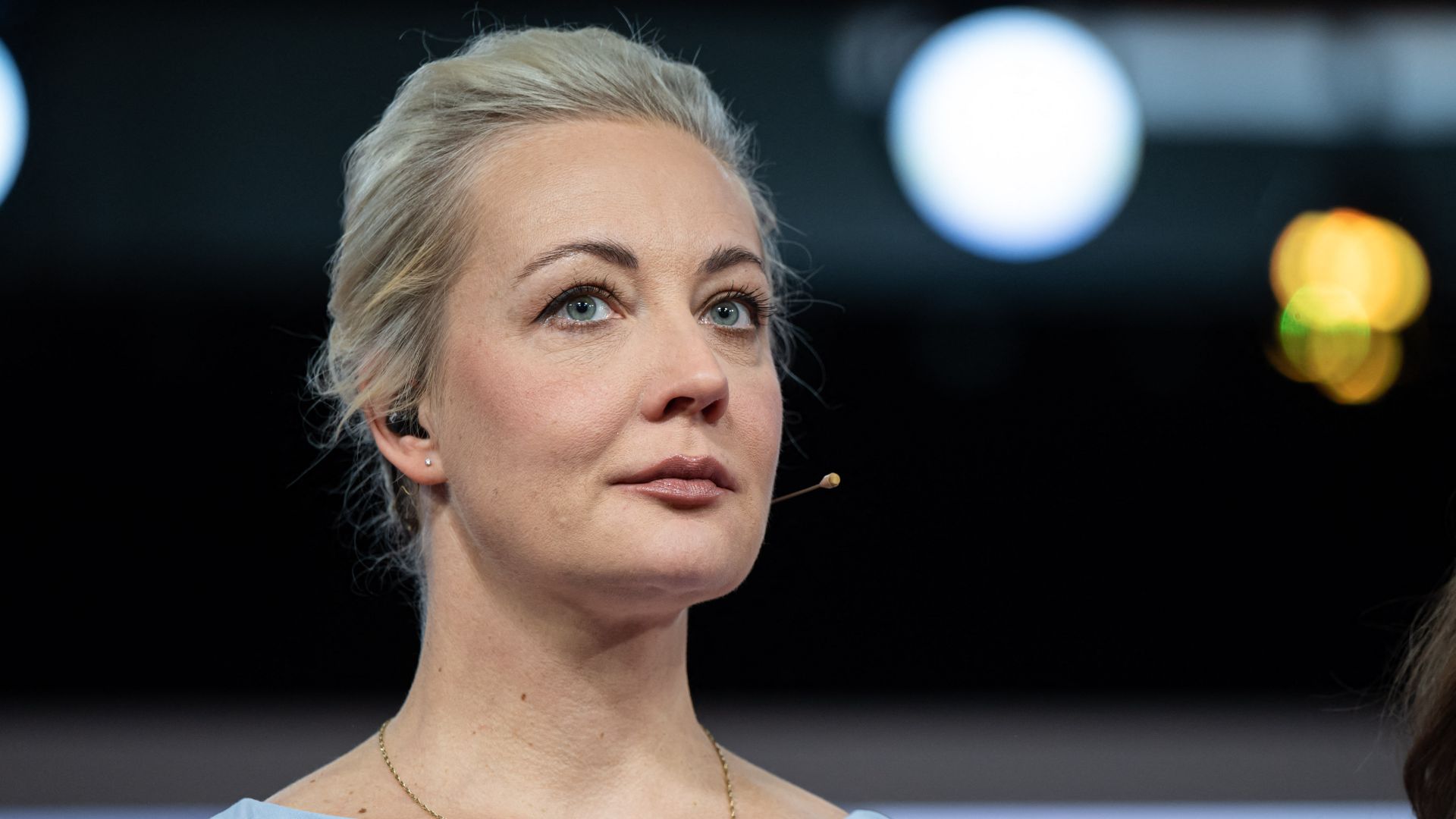
The announcement has renewed international attention on Navalny's death and intensified diplomatic pressure on Moscow, while also bringing a measure of validation to his family. Yulia Navalnaya publicly welcomed the findings, saying the conclusions provided long-sought certainty about how her husband died. «He was killed, he was very young — less than 50. He spent his last years in torturous conditions … Putin killed him,» she said after the European statement was released. She added that she had previously been told it would be “impossible” to determine definitively how he died, and expressed gratitude to the governments involved for establishing what she described as clarity. «That we know now that my husband was killed,» she said, predicting that «one day there will be justice for Vladimir Putin.»
Created by humans, assisted by AI.
