

/https%3A%2F%2Fcdn-tor.buminteractif.com%2F2026%2F01%2F29173628%2Ftrump-us-lukoil-russia-getty3-45345sfsh4.jpg)
Russia's second-largest oil producer, Lukoil, has been heavily affected by U.S. sanctions imposed by the Trump administration, measures described by Washington as part of a broader effort to pressure Moscow into negotiating an end to the war in Ukraine. In that context, Lukoil announced that it has reached an initial agreement with the U.S. private equity firm Carlyle Group to sell a majority stake in its foreign assets. The move marks a significant shift for the Russian energy company as it seeks to offload overseas operations amid mounting financial and regulatory pressure, while allowing a U.S.-based firm to expand its footprint in global oil markets shaped by sanctions and geopolitical realignment.
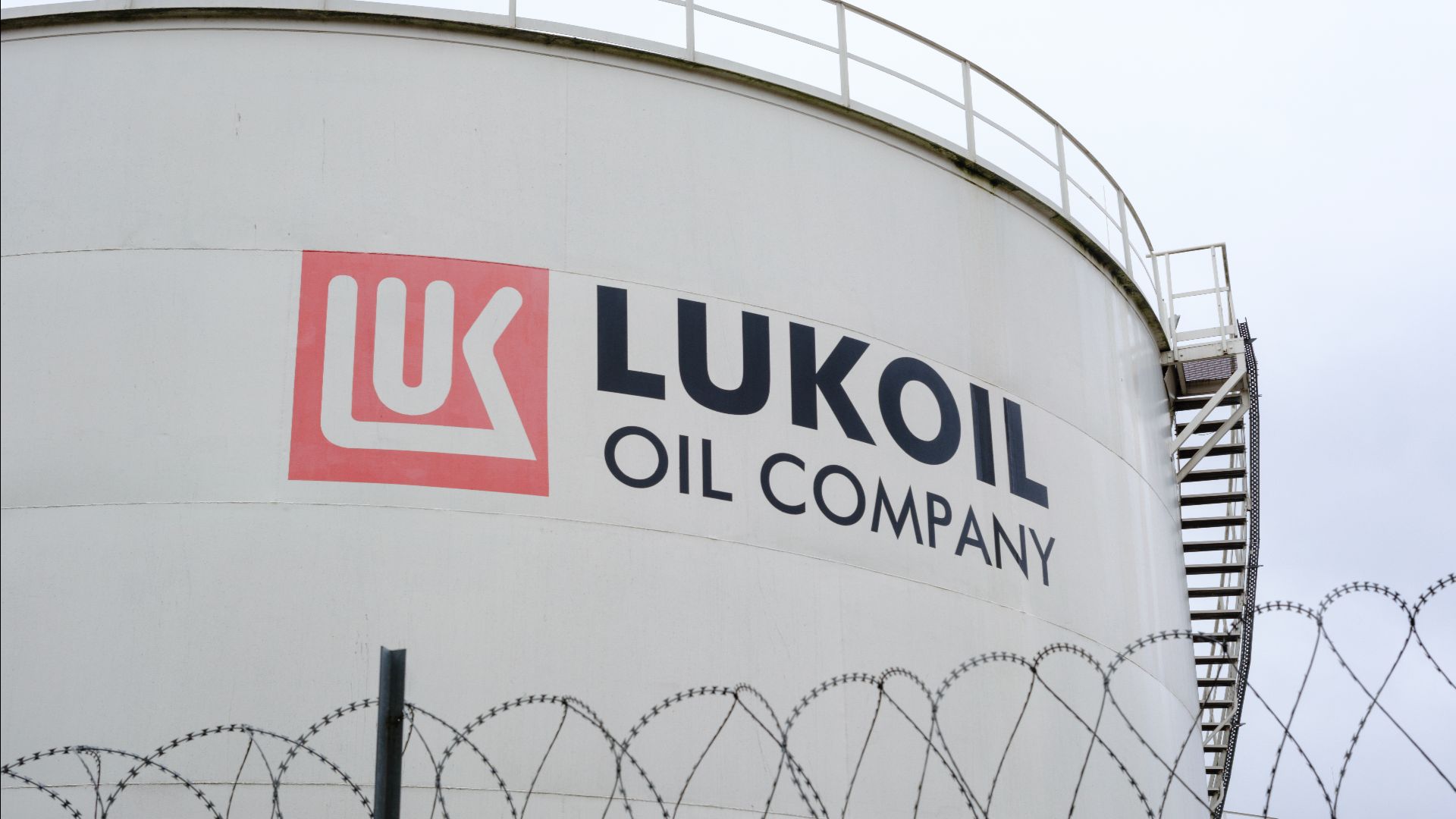
Russia's second-largest oil producer, Lukoil, has been heavily affected by U.S. sanctions imposed by the Trump administration, measures Washington said were aimed at forcing Moscow toward negotiations to end the war in Ukraine. When announcing the sanctions in October, U.S. Treasury Secretary Scott Bessent said, «Now is the time to stop the killing and for an immediate ceasefire», adding that «Given President Putin's refusal to end this senseless war, Treasury is sanctioning Russia's two largest oil companies that fund the Kremlin's war machine». Against that backdrop, Lukoil announced it had reached an initial agreement with the U.S. private equity firm Carlyle Group to sell a majority stake in its foreign assets, a move reflecting the mounting financial pressure on Russia's energy sector.
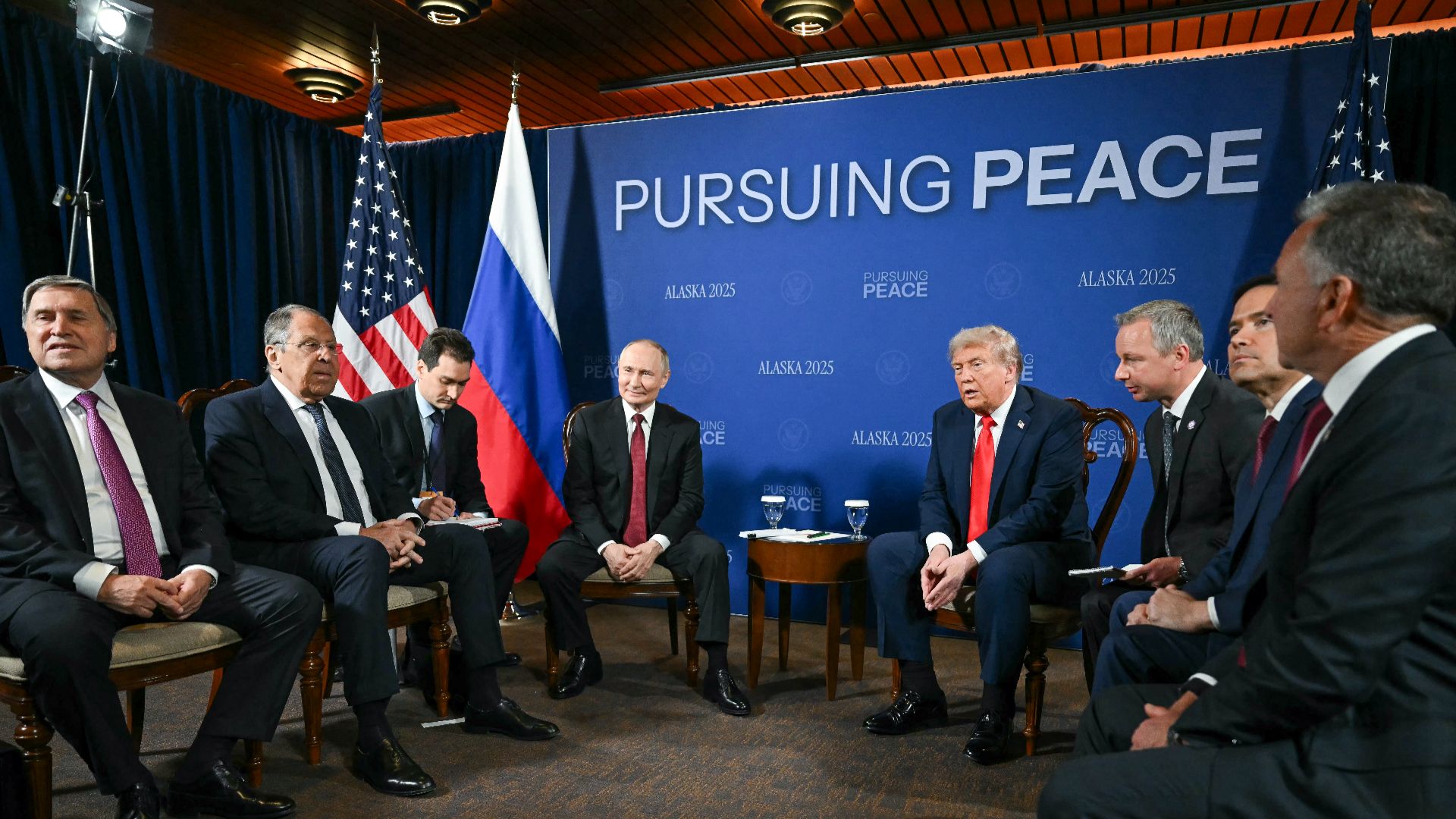
U.S. sanctions, combined with European measures and lower global oil prices, led to a 25 percent drop in Russia's oil and gas exports last year, according to Russia's finance ministry, as Washington and its allies intensified pressure by targeting tankers linked to Russia's so-called “shadow fleet.” The Kremlin reacted cautiously to the reported deal between a U.S. firm and a Russian company, with a spokesperson saying «the main priority is that the interests of the Russian company are ensured and upheld». On the U.S. side, the transaction remains subject to approval by the Office of Foreign Assets Control, the Treasury Department agency responsible for enforcing and administering sanctions, underscoring the regulatory hurdles surrounding any transaction involving sanctioned Russian energy assets.
Created by humans, assisted by AI.
