

/https%3A%2F%2Fcdn-tor.buminteractif.com%2F2026%2F08%2F17153105%2Fai-merch-356gdfsgsdfgye45y.jpg)
Despite growing pushback against AI, that doesn't seem to be stopping Big Tech players like OpenAI, Anthropic and Palantir from taking their AI push beyond the screen and selling you AI merchandise. What was once the familiar world of corporate T-shirts, conference giveaways and employee-only accessories is increasingly taking cues from limited-edition streetwear, with products designed to be recognizable well beyond company offices. The merchandise gives some of the most prominent names in artificial intelligence another physical presence at a time when their technology is already spreading across workplaces, consumer products and everyday online services. Bags, hats, shirts, socks and even sporting goods are turning company names, logos and slogans into objects people can wear or carry, transforming the visual identity of the AI industry into something closer to a consumer brand.
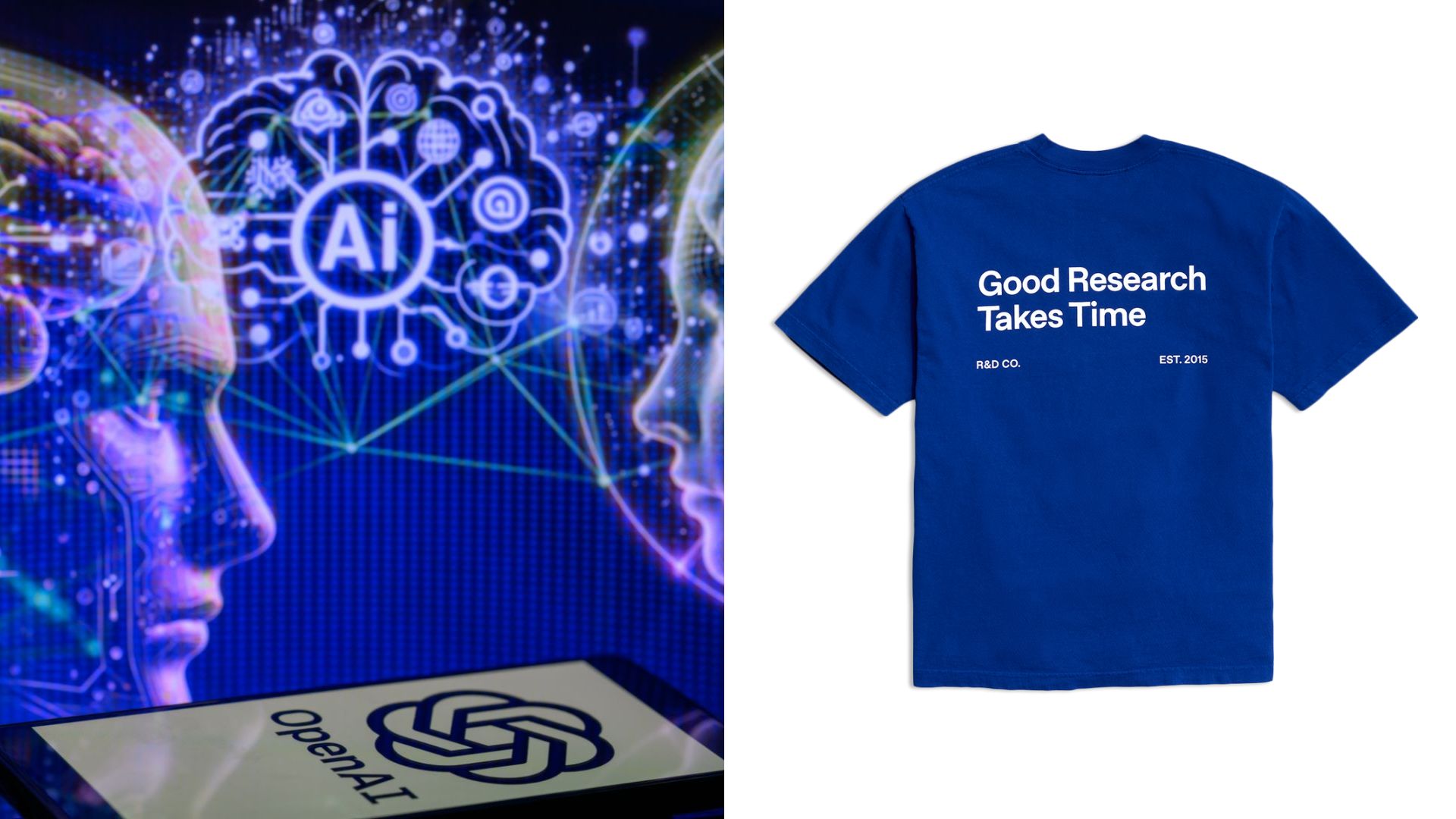
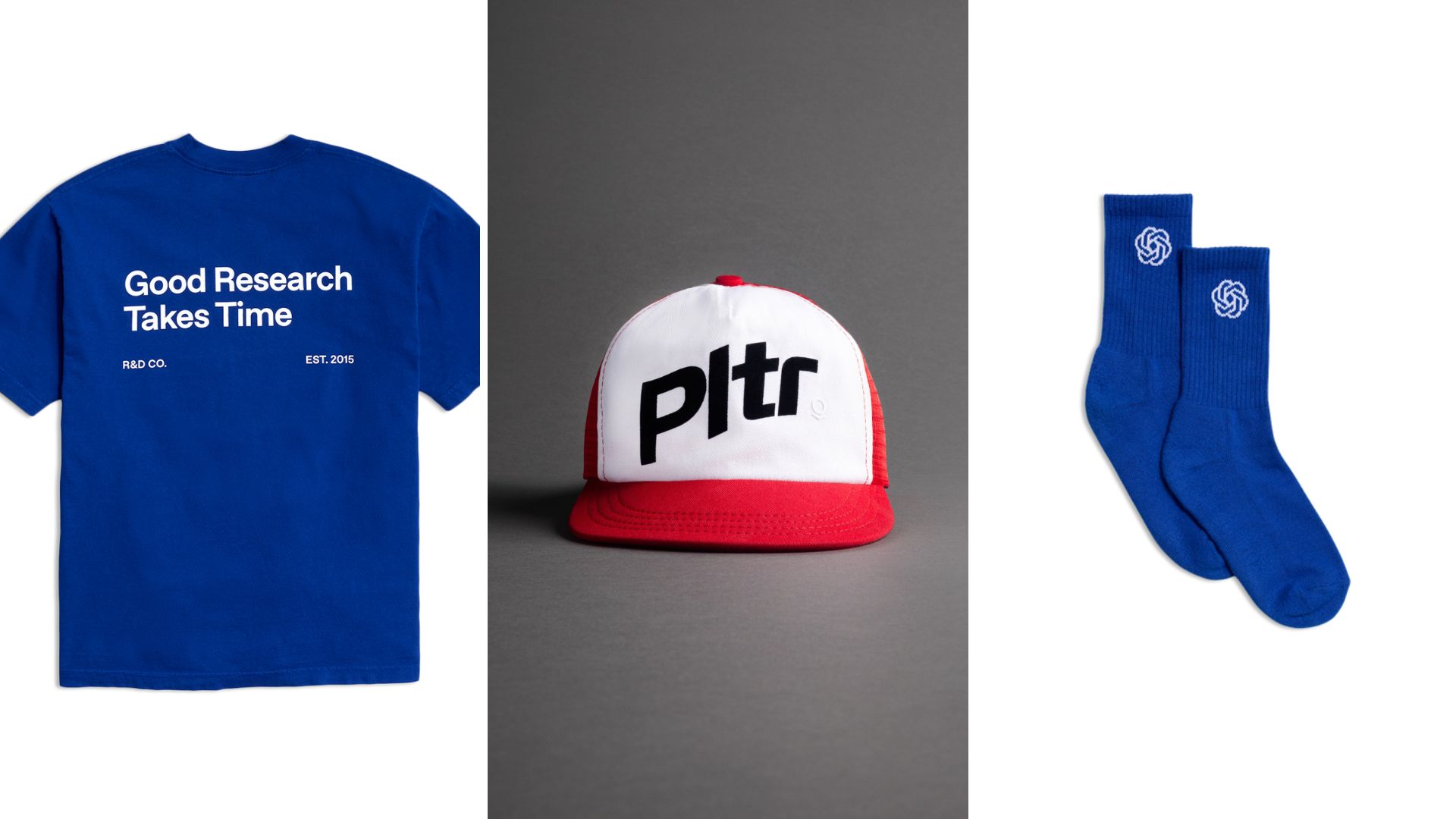
OpenAI has embraced that shift through Supply Co., which began as an internal storefront for employees before moving toward public capsule releases. The approach has turned relatively ordinary branded products into limited items that can disappear quickly when made available. The selection extends beyond simply placing the OpenAI logo on a standard company T-shirt. Among the products offered have been a tote bag carrying the phrase «building things», blue socks featuring the OpenAI logo, a T-shirt reading «Good Research Takes Time» and a «ChatGPT» basketball. Together, the items present OpenAI through a combination of research culture, recognizable branding and casual lifestyle products. By opening at least part of that merchandise ecosystem to the public, the company has given people outside its workforce an opportunity to buy into the visual identity surrounding one of the biggest names in generative AI.
Anthropic has taken a different route, relying more heavily on physical events and limited giveaways instead of building its merchandise strategy around a conventional public online store. The company behind Claude has used exclusive promotional appearances to put branded products into circulation, making availability itself part of the appeal. One example is Anthropic's «Thinking» baseball cap, which was distributed as limited-edition merchandise during a New York City pop-up held with Air Mail. The navy or washed cotton blue cap features the word «thinking» embroidered prominently across the front, while keeping the company branding relatively understated. That approach allows Anthropic merchandise to function less like traditional promotional swag and more like a scarce fashion item tied to a specific event, giving the people who receive it something that also signals familiarity with the company and the wider AI industry.
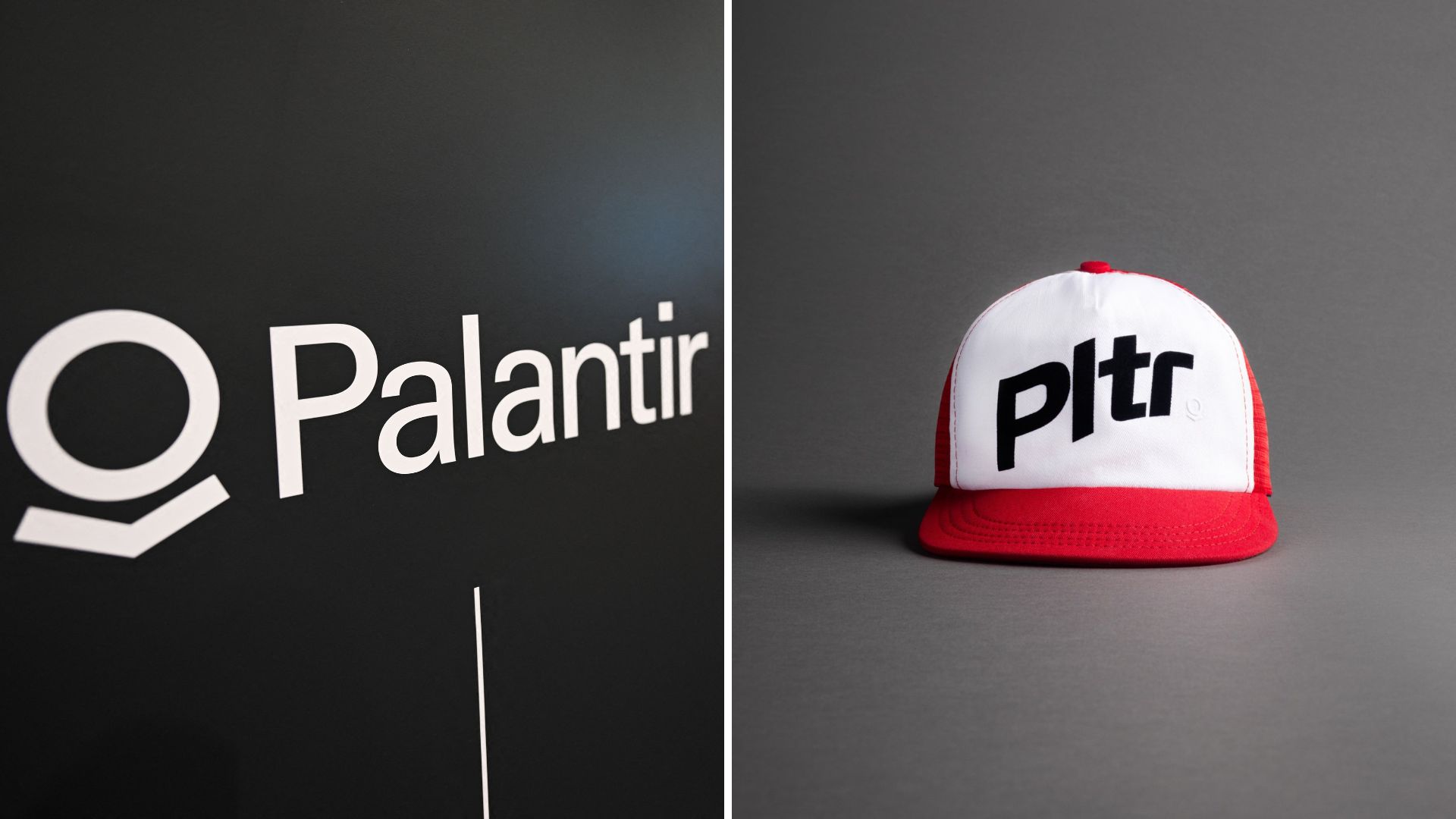
Palantir has pushed the idea further into an aesthetic that reflects the company's position at the intersection of data analytics, artificial intelligence, government work and defense. Its merchandise has included a «Pltr» trucker cap and a white tennis-themed collection carrying Palantir branding, alongside previous drops built around more aggressive language. T-shirts have featured words and phrases such as «dominate» and «warp speed», giving the clothing an identity that differs sharply from the restrained branding typically associated with corporate merchandise. The result is apparel that can operate simultaneously as company swag and as a visible expression of the culture surrounding Palantir. Instead of hiding the connection to the technology company, many of these products make that association the central feature, turning the company's language and visual identity into something intended to be worn publicly.
But the arrival of AI merchandise comes as resistance to the technology itself has become increasingly visible. Concerns surrounding artificial intelligence now extend far beyond theoretical debates about how algorithms should be developed or regulated, touching creative work, employment, infrastructure and the growing influence of technology companies. Fashion has become another place where those tensions are playing out. Designer David Rudnick has criticized the aesthetic surrounding official technology-company merchandise, comparing wearing it to «wearing the colors of a feudal lord» and a «paramilitary organization». At the same time, an opposing market for anti-AI clothing has emerged, including products such as the Born To Create Statement Shirt and the Replaced by AI Tee. Worn by some developers, artists and other critics of automation, these pieces turn clothing into an explicit rejection of the industry rather than an endorsement of it.
Everyday life
That leaves AI fashion occupying two increasingly different worlds. On one side, companies such as OpenAI, Anthropic and Palantir are putting their identities onto products that can become scarce, desirable and recognizable outside the technology industry. On the other, critics are using the same medium to challenge the expanding cultural and economic presence of artificial intelligence. The contrast means a T-shirt, baseball cap or pair of socks can communicate considerably more than loyalty to a company: it can signal enthusiasm for the technology, proximity to the industry or opposition to what AI represents. Despite the pushback, the merchandise continues to give major AI companies another way to move their brands into everyday life. Their models may live behind screens and inside data centers, but increasingly, the logos and culture surrounding them are being worn in public.
Created by humans, assisted by AI.
 Billionaire Mark Zuckerberg warns against concentrated AI power — while putting Meta at the center of his solution
 Spotify changes course on AI music, introduces permanent identifier following growing backlash