

/https%3A%2F%2Fcdn-tor.buminteractif.com%2F2026%2F02%2F25164221%2Fcanada-cuba-getty-3453453452.jpg)
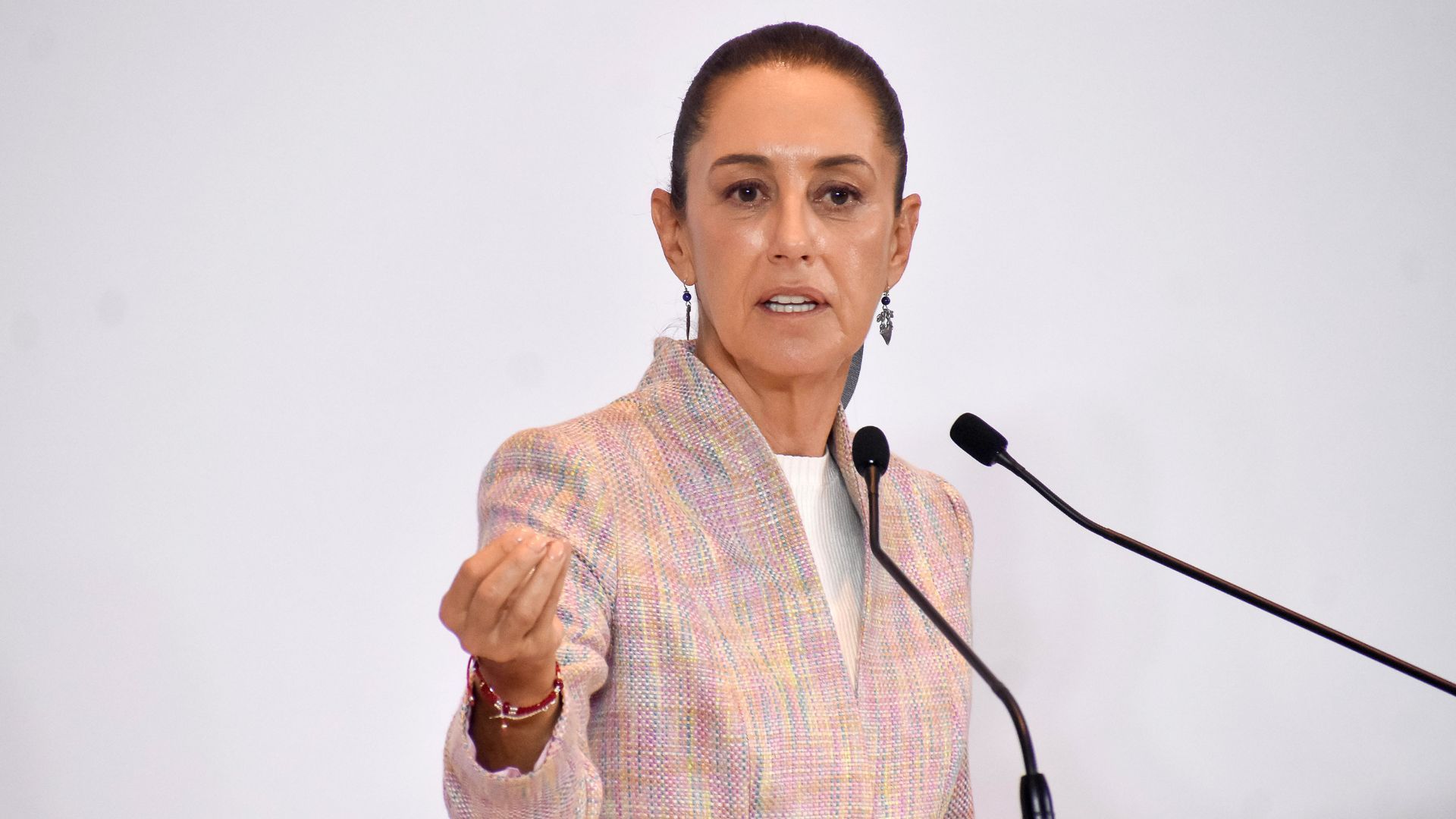
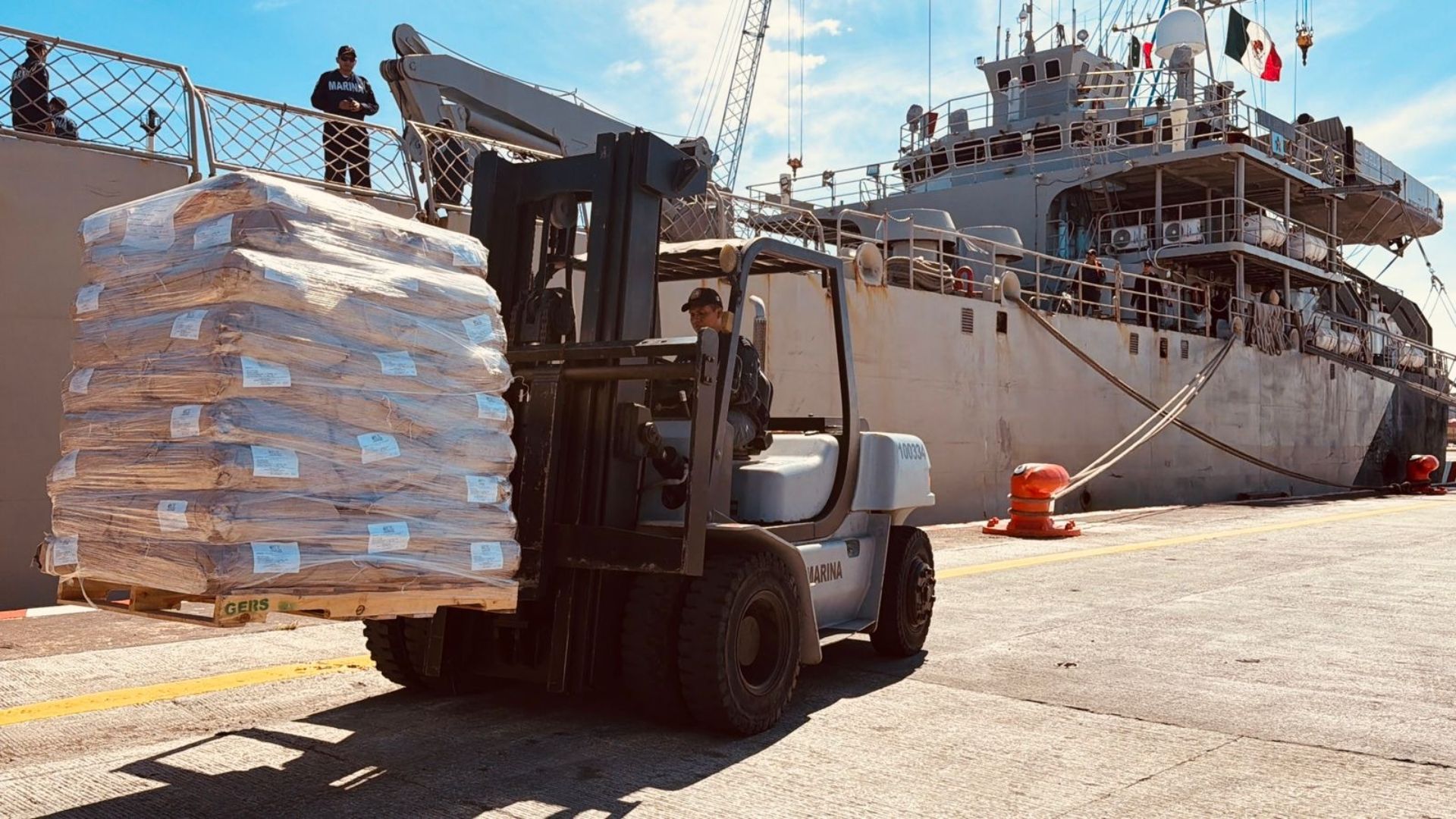
Canada moved to release emergency funding for Cuba just weeks after two Mexican Navy ships docked in Havana carrying more than 800 tons of humanitarian supplies, underscoring mounting regional concern over the island's deteriorating conditions. The Mexican shipments arrived as fuel shortages and rolling blackouts intensified across Cuba, disrupting hospitals, transportation and food distribution. Mexican President Claudia Sheinbaum sharply criticized U.S. pressure tactics linked to oil shipments, stating, «You cannot strangle a people like this — it's very unjust, very unjust.» Her remarks were directed at Washington's use of tariff threats against countries supplying fuel to Cuba, a policy widely viewed by regional leaders as deepening an already fragile humanitarian situation.
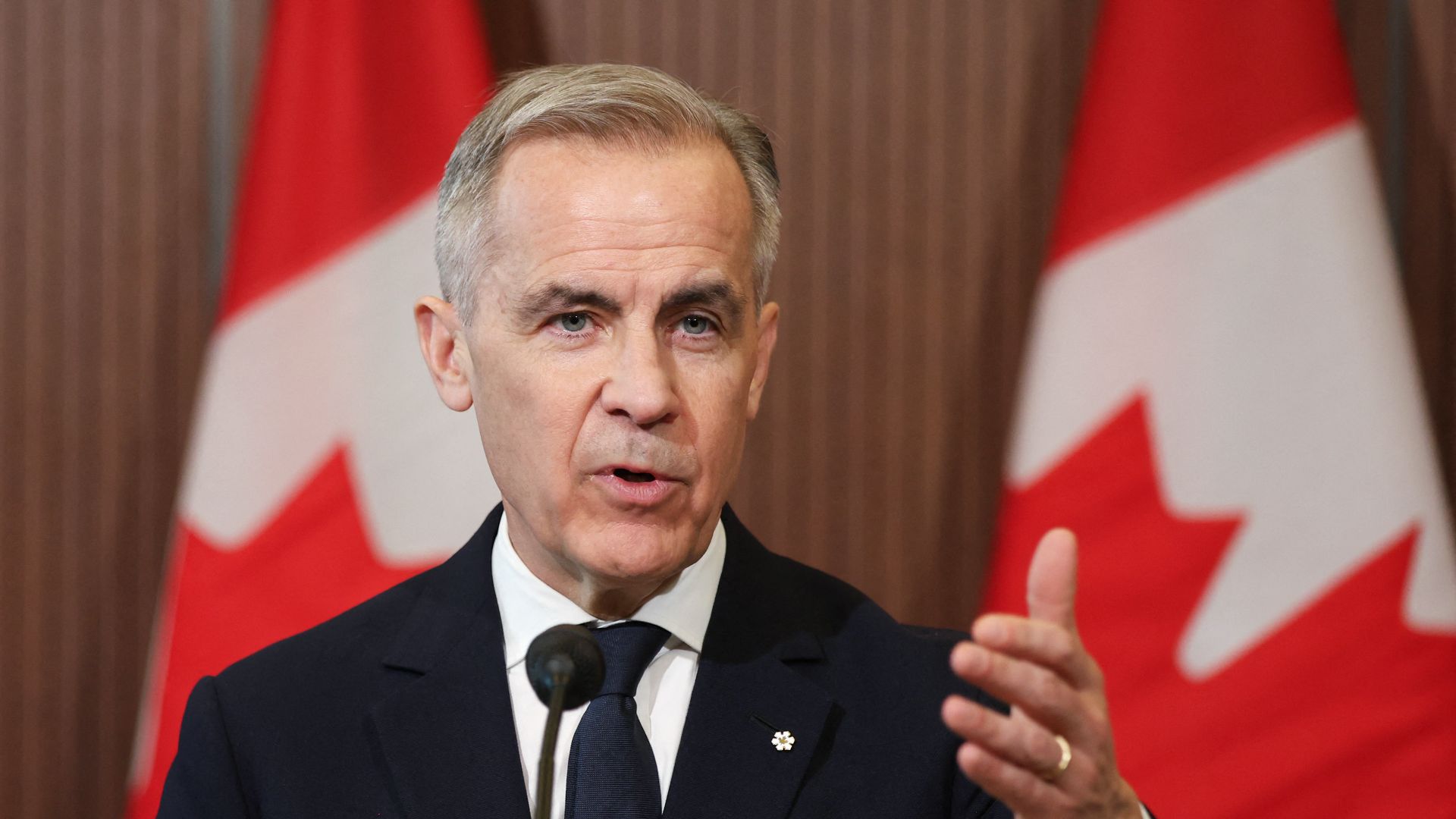
Ottawa first signaled its intent to assist earlier in the week. Canada announced Monday that it was working on an aid package as Cuba faced prolonged blackouts and severe fuel shortages worsened by a U.S. oil embargo.
Foreign Affairs Minister Anita Anand declined to provide specifics at the time, telling reporters, «We are preparing a plan to assist. We are not prepared at this point to provide any details of the announcement,» as diplomatic consultations continued. The statement came amid growing alarm among humanitarian agencies that energy disruptions were limiting access to food, medicine and clean water for millions of Cubans.
«As the people of Cuba face significant hardship, Canada stands in solidarity and is providing targeted assistance to help address urgent needs. Through trusted humanitarian partners, we are delivering timely support to vulnerable communities and reaffirming Canada's commitment to the well-being and dignity of the Cuban people.»
-Global Affairs Canada
Pressure for Canadian action intensified after Cuba's ambassador to Canada addressed members of Parliament and directly appealed for assistance. The ambassador warned lawmakers that the United States is «suffocating an entire people» and contributing to an escalating economic and humanitarian crisis.
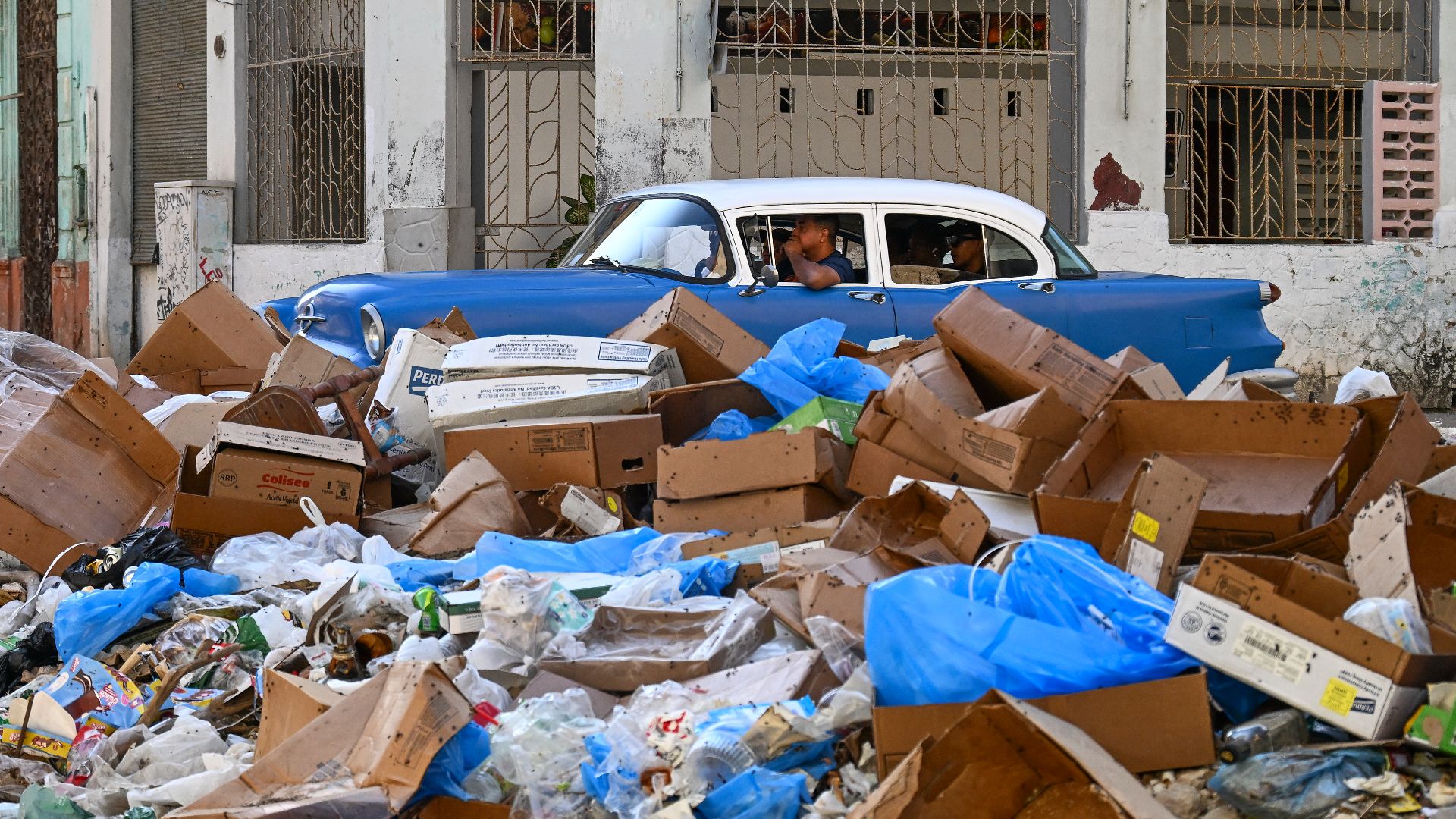
Cuban officials have argued that restrictions affecting fuel imports have triggered cascading effects across agriculture, electricity generation and public health infrastructure. With the island importing a significant portion of its energy supply, reduced access to oil has led to daily outages, stalled production and transportation paralysis, compounding inflation and supply shortages already straining households.
On February 25, Global Affairs Canada formally announced the accelerated release of $8 million in funding to address urgent needs. The government said Cuba is facing rapidly worsening conditions driven by severe fuel shortages, prolonged blackouts and growing barriers to accessing food and health care.
According to the release, the funding will be delivered through the World Food Programme and the United Nations Children's Fund (UNICEF) to strengthen food security and nutrition. In the official statement, Anand said, «As the people of Cuba face significant hardship, Canada stands in solidarity and is providing targeted assistance to help address urgent needs. Through trusted humanitarian partners, we are delivering timely support to vulnerable communities and reaffirming Canada's commitment to the well-being and dignity of the Cuban people.»
«You cannot strangle a people like this — it's very unjust, very unjust.»
-Mexican President, Claudia Sheinbaum
Secretary of State for International Development Randeep Sarai reinforced that message, stating, «Canada stands with the people of Cuba during this difficult time. Our support will be delivered directly to the most vulnerable to help address urgent food and nutrition needs and provide some immediate relief.»
Canadian officials emphasized that the assistance would flow through established humanitarian channels to ensure it reaches communities directly rather than government institutions. The announcement also noted that Canada continues to monitor the situation closely and remains in contact with international partners to assess evolving needs as the crisis unfolds.
In addition to Canada's emergency disbursement, other nations have signaled their intent to help Cuba amid its deepening crisis. Chile's government announced plans to send humanitarian assistance through multilateral organizations such as UNICEF, framing the decision as driven by urgent human needs rather than political alignment; Chilean Foreign Minister Alberto van Klaveren said the priority is addressing suffering, not providing political support. Russia, a long-standing ally of Havana, has publicly signaled that it will continue to send oil and petroleum products to Cuba as “humanitarian aid,” even after U.S. President Donald Trump issued a national emergency declaration that would allow the United States to impose additional tariffs on any country supplying fuel to the island — a move intended to tighten the energy squeeze on the Cuban government.
According to the Russian embassy in Havana and reporting by Russian media, those shipments are expected in the near future despite Washington's tariff threats, and Moscow has framed its support as necessary to alleviate Cuba's acute fuel shortages and sustain essential services.
Created by humans, assisted by AI.
