Canada Seeks Trade Deal as China Pushes Ottawa to Distance Itself From U.S. Influence


/https%3A%2F%2Fcdn-tor.buminteractif.com%2F2026%2F01%2F13160310%2Fcanada-china-carney-xi-getty4534dgdg.jpg)
The high-level meeting between Canada's prime minister and China begins today and marks a pivotal diplomatic moment after years of strained relations, opening what both sides present as a renewed opportunity to reset a relationship that gradually eroded during the Trudeau era. The visit signals a clear shift in tone, with both governments emphasizing dialogue and pragmatism after a prolonged period of diplomatic tension. Beijing views the talks as a chance to re-engage Ottawa at the highest political level, while Canada approaches the visit as an opportunity to reinsert itself into major Asian trade discussions. The timing underscores the significance of the moment, as global trade realignments and geopolitical uncertainty push both countries to reassess their strategic priorities and economic partnerships.
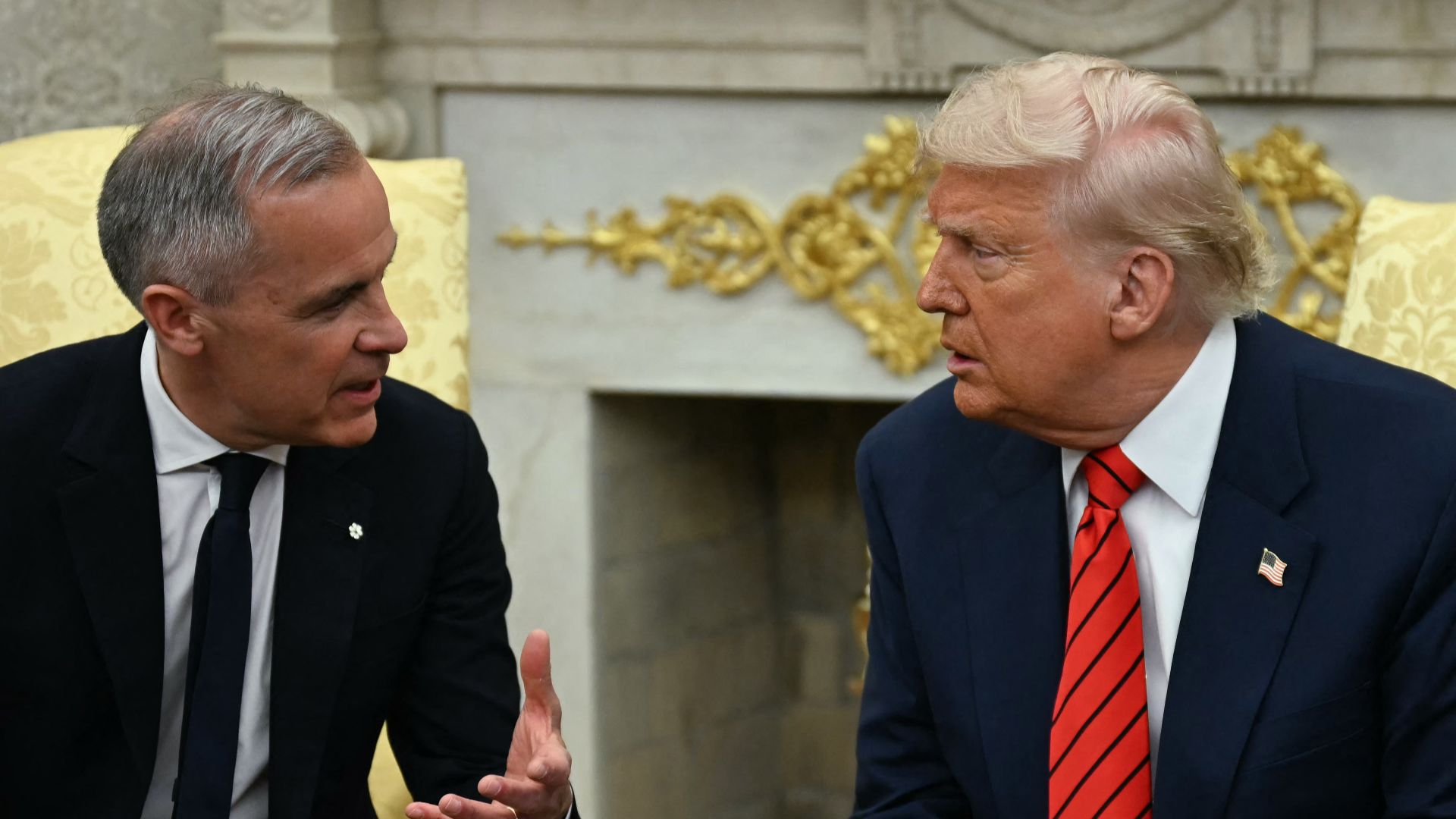
China is expected to use the visit to advance a broader geopolitical message, seeking to encourage Canada, a long-standing U.S. ally, to pursue a more independent foreign policy course. China's state media has already framed the objective in explicit terms, calling on Ottawa to embrace «strategic autonomy» and reduce its alignment with Washington, reflecting Beijing's wider effort to weaken U.S. influence among allied nations. For Canada, the stakes are equally high, as Prime Minister Mark Carney has said his travel to China is expressly focused on trade, describing the trip as part of a broader push to forge new partnerships worldwide and lessen Canada's long-standing economic reliance on the American market. As discussions begin, both sides signal that tangible economic and diplomatic gains remain possible if interests align.
New commercial alliances abroad
Prime Minister Mark Carney has framed his China visit as a direct extension of the message he carried throughout his election campaign, during which he repeatedly argued that Canada's economic and strategic relationship with the United States had fundamentally changed and could no longer be treated as an unquestioned constant. During the campaign, Carney warned that Canada had become overly dependent on a single trade partner and said that this reliance needed to be reduced through diversification and new commercial alliances abroad, signalling a clear break from past assumptions about the Canada–U.S. relationship. That positioning has now translated into policy, with Carney explicitly linking his China trip to the pursuit of alternative trade partnerships. Just days before departing, he reiterated that objective in clear terms, stating: «We're forging new partnerships around the world to transform our economy from one that has been reliant on a single trade partner, to one that is stronger and more resilient to global shock.»
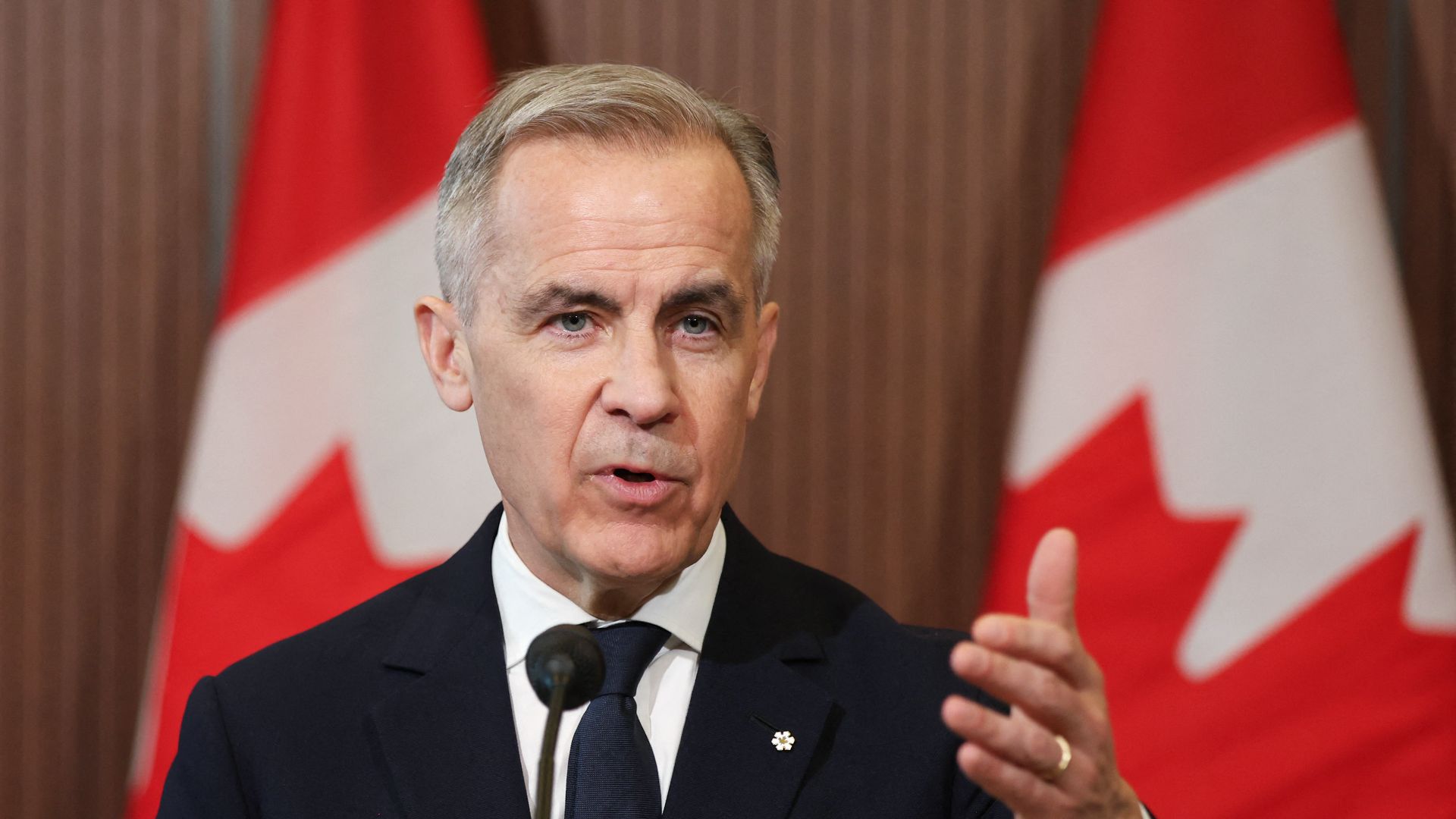
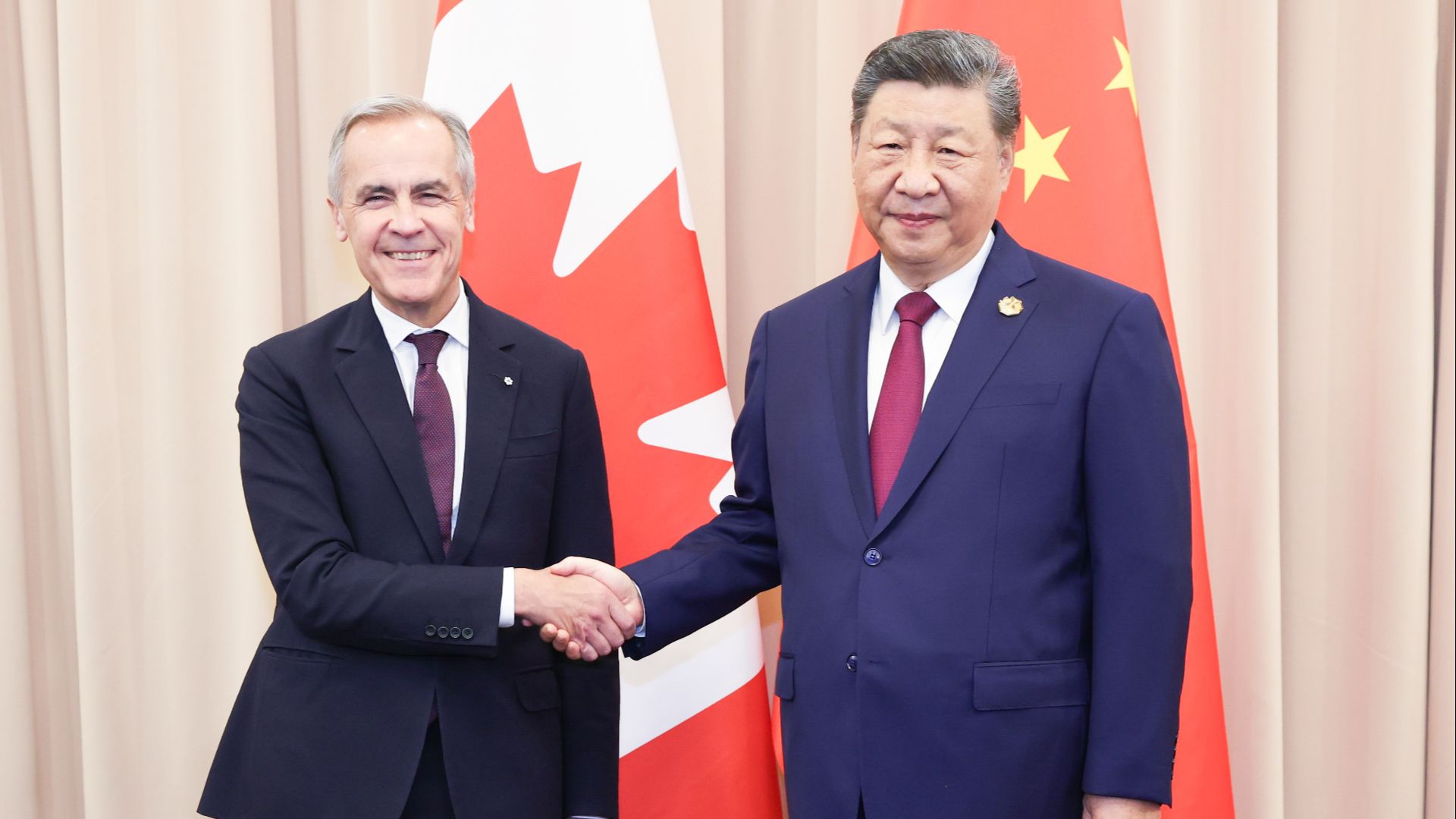
As the visit gets underway, expectations in both Ottawa and Beijing remain cautiously high, tempered by lingering apprehension after years of diplomatic friction. On the Canadian side, several export-driven sectors are watching closely, including agriculture, agri-food processing, energy, critical minerals, clean technology, manufacturing and the electric vehicle supply chain, where industry leaders are particularly attentive to the future of EV tariffs and broader trade conditions affecting batteries, components and finished vehicles. Companies in these sectors hope the talks can ease market access, clarify regulatory barriers and reduce uncertainty tied to geopolitical tensions. China, for its part, is seeking signals that Canada is willing to stabilize the relationship and explore deeper economic cooperation, while remaining aware of Ottawa's continued alignment with Washington. The meetings in China, scheduled from Jan. 13 to 17, are widely seen as an initial step rather than a venue for immediate breakthroughs. During his trip to China, the prime minister will meet with Chinese President Xi Jinping, according to his office. The visit forms part of a longer international tour, with the Canadian leader set to travel to Qatar on Jan. 18 before heading to Switzerland from Jan. 19 to 21 to attend the World Economic Forum annual meeting in Davos, highlighting the global scope of his diplomatic and economic agenda.
This content was created with the help of AI.
