Canada’s 50% Retaliatory Tariffs Take Full Effect in Unwanted Trade War With Trump Administration as Trump Threatens Bombardier


/https%3A%2F%2Fcdn-tor.buminteractif.com%2F2026%2F09%2F08172822%2Ftrump-carney-getty-345345dsfdfg.jpg)
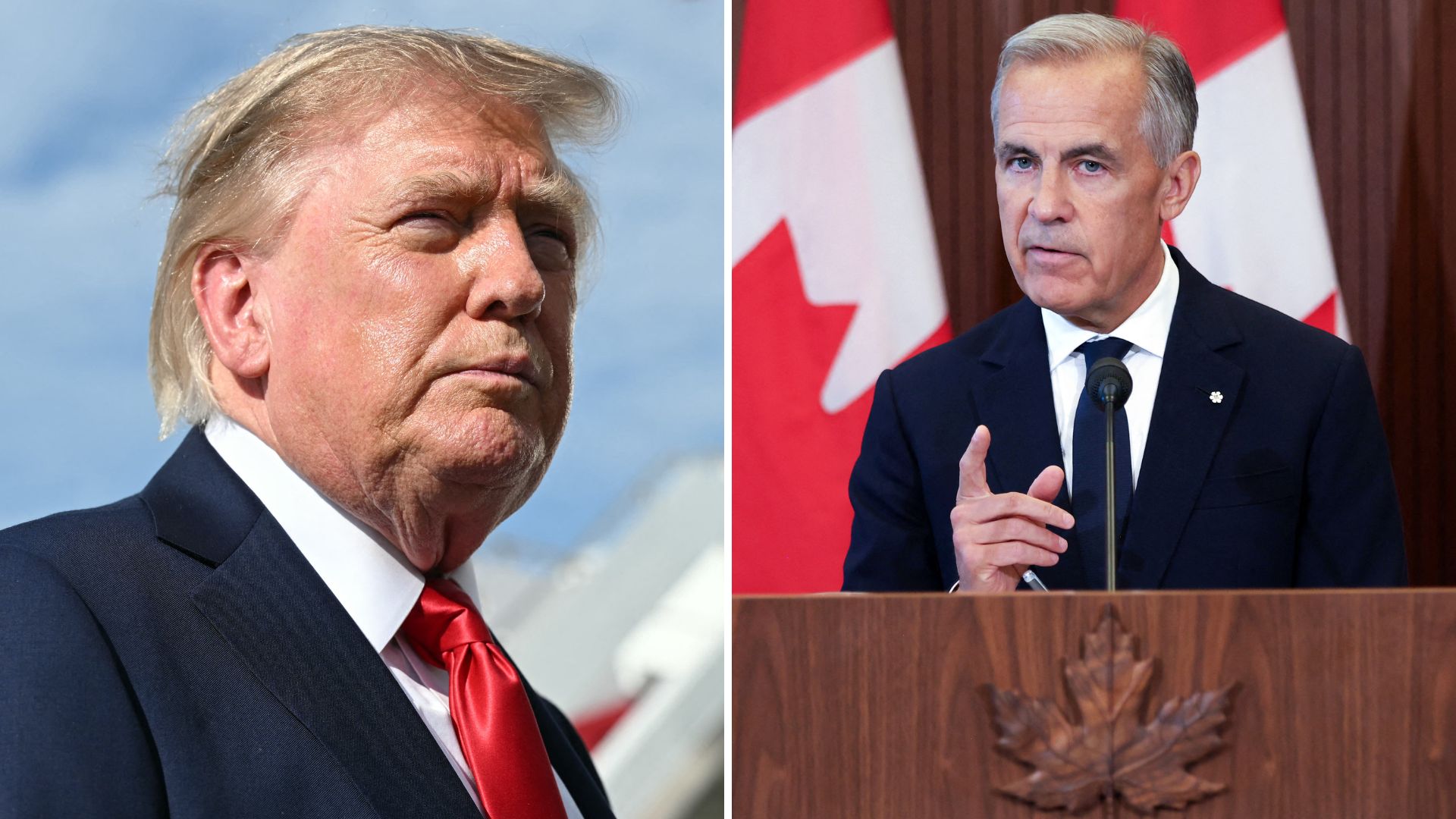
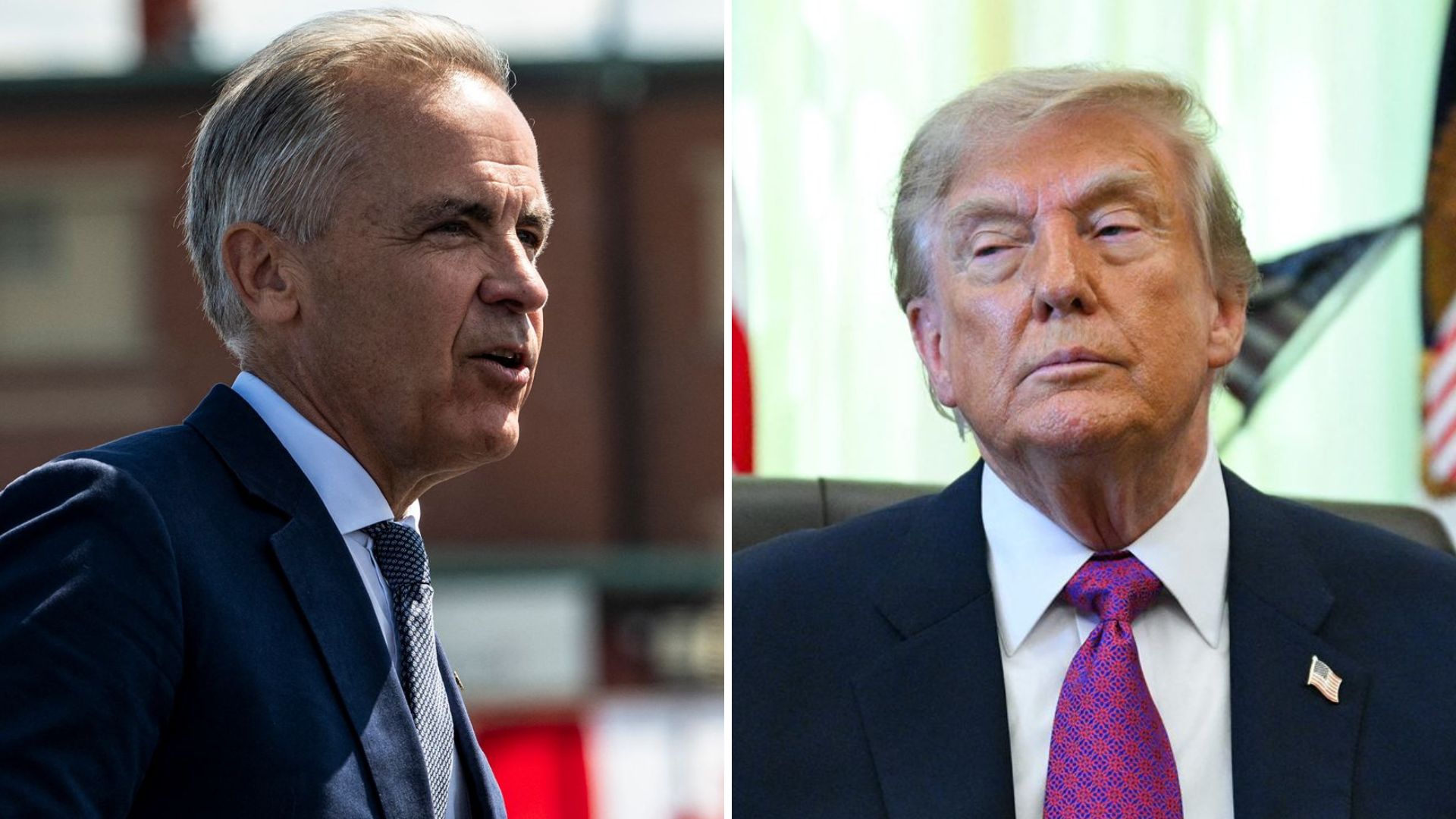
Canada's dollar-for-dollar retaliatory tariffs officially took full effect on September 8, targeting roughly C$27.6 billion ($20 billion USD) worth of American imports and opening a more confrontational phase in the country's unwanted trade war with the Trump administration. The measures arrived at midnight after bilateral negotiations in Washington collapsed without an agreement, leaving Prime Minister Mark Carney's government to proceed with its promised response to President Donald Trump's 50% duties on Canadian goods. At the same time, Trump intensified his attacks on Canada by turning his attention toward one of the country's most prominent manufacturers, aerospace giant Bombardier. The combination of Ottawa's new tariffs and Trump's threat against the aircraft maker underscored how rapidly a dispute that Canadian officials had sought to resolve through negotiations has expanded across major industries on both sides of the border.
Ottawa's retaliation reaches far beyond a symbolic response. Canada doubled duties on American steel and aluminum from 25% to 50%, directly increasing pressure on two strategically important U.S. industries. Hundreds of additional American products are now subject to tariffs ranging from 15% to 50%, with the roughly 700 targeted categories extending across consumer, agricultural and manufactured goods, including cheese and other dairy products, appliances, electronics, motorcycles and cosmetics. Canadian officials crafted the package to place economic pressure on U.S. exporters, including businesses operating in politically competitive states ahead of the American midterm elections, while attempting to limit unnecessary damage to Canadian consumers and supply chains. Some U.S. seafood products initially considered for the retaliation were ultimately excluded to protect domestic interests. Ottawa has also announced a $7.5 billion financial assistance package intended to help Canadian businesses and workers absorb the consequences of a prolonged cross-border confrontation.
«NO MORE SELLING BOMBARDIER IN THE UNITED STATES! Their products aren't good enough! Over 50% of their revenue comes from the United States — They live off American Buyers, American Companies, American Airports, and American Service — All while Canada blocks our GREAT American Banks, and Companies, throughout the U.S.A. They even blocked Gulfstream Aerospace from doing business in Canada — Completely unjust and unfair!»
-U.S. President, Donald Trump on Truth Social
Carney has meanwhile adopted an increasingly forceful public posture, portraying Canada's tariffs as a defensive response to economic measures imposed by Washington rather than a confrontation his government sought. After Canadian negotiators were pulled out of Washington, the prime minister described the original U.S. tariffs as an unfair «miscalculation» intended to «hurt and divide us.» He went further in explaining how his government views the escalating confrontation: «You're at war when you get attacked. We got attacked.» Carney has also insisted that Canada will defend its workers «dollar-for-dollar» and signaled that simply returning to negotiations will not be enough without a change in Washington's approach. Canada, he said, will return to serious talks only «when the Americans stop doing memes, stop throwing shade, stop trying to be tough and start being serious.» With public support behind his refusal to retreat, the prime minister is presenting the counter-tariffs as an unavoidable response to escalating American economic pressure.
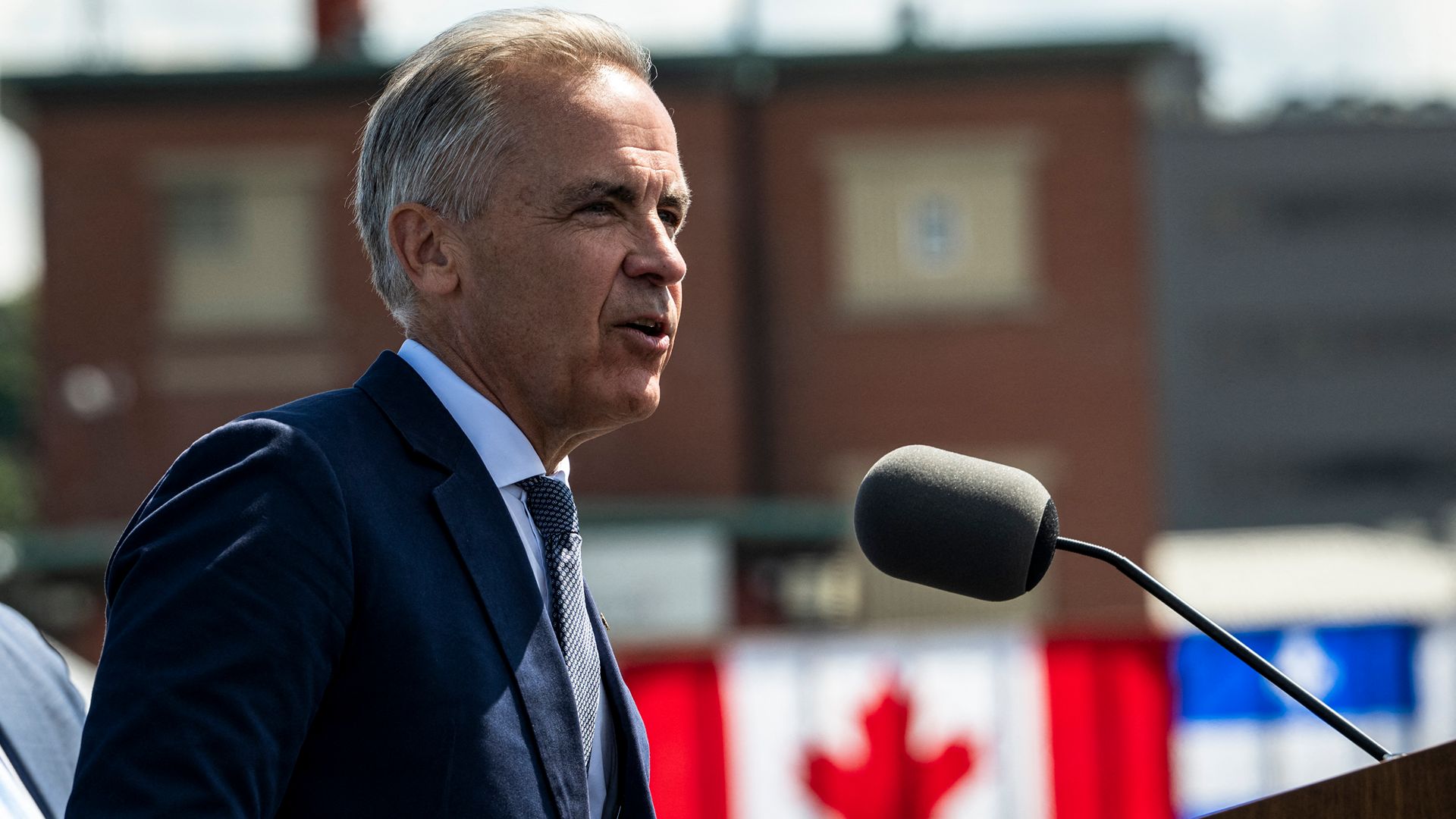
The confrontation took another dramatic turn only hours before Canada's retaliatory measures were scheduled to begin, when Trump expanded his offensive beyond tariffs and directly targeted Bombardier, one of Canada's best-known industrial companies. In a Truth Social post, the president threatened to shut the aircraft manufacturer out of the enormous American market while linking his complaint to broader grievances over Canadian treatment of U.S. businesses and Gulfstream Aerospace. «NO MORE SELLING BOMBARDIER IN THE UNITED STATES! Their products aren't good enough! Over 50% of their revenue comes from the United States — They live off American Buyers, American Companies, American Airports, and American Service — All while Canada blocks our GREAT American Banks, and Companies, throughout the U.S.A. They even blocked Gulfstream Aerospace from doing business in Canada — Completely unjust and unfair!» Trump wrote. The threat introduced another potentially vulnerable sector into a dispute already encompassing steel, aluminum and hundreds of consumer products.
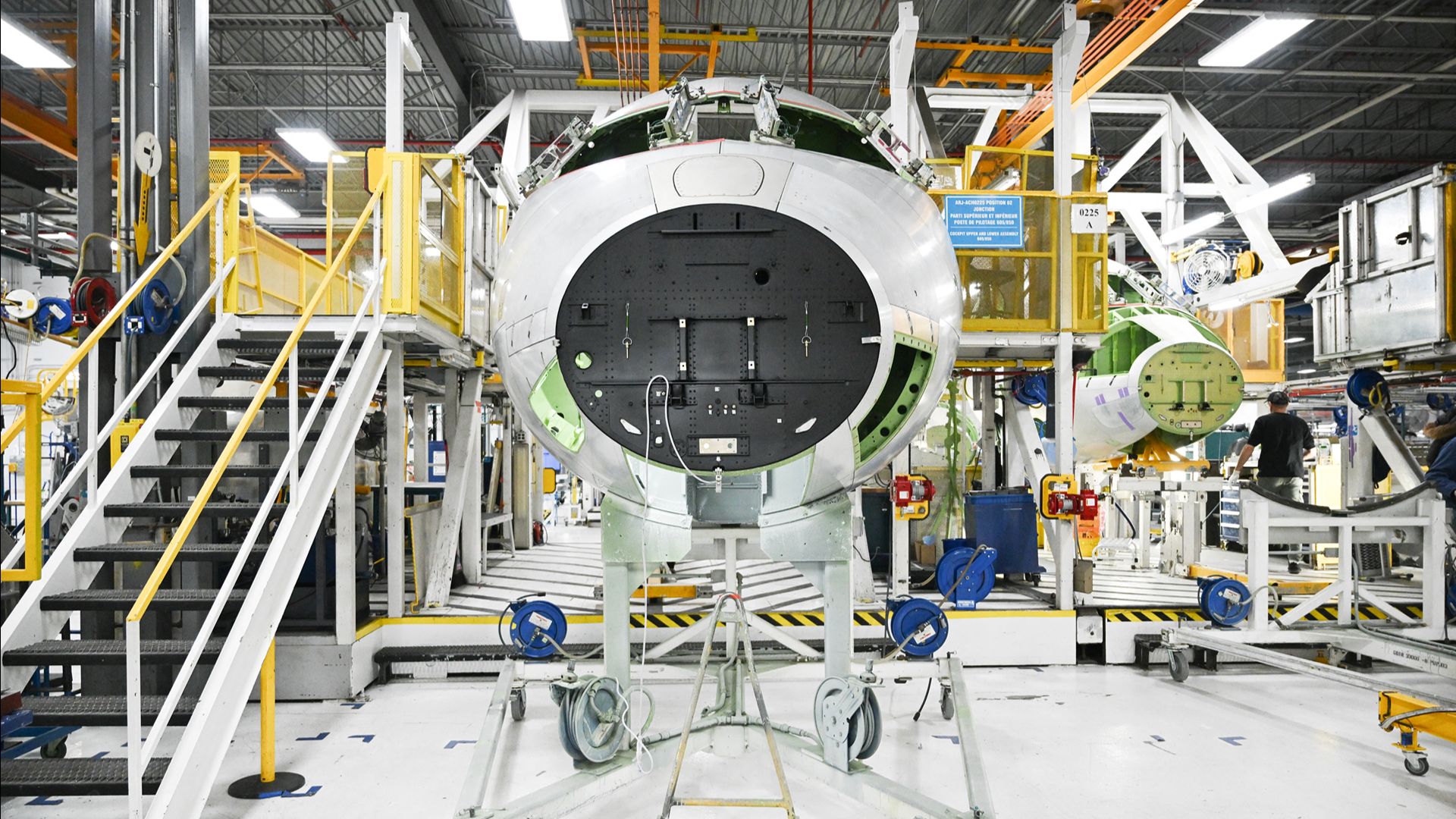
Trump continued by demanding that companies seeking access to American customers manufacture more of their products inside the United States, framing the Bombardier threat as another extension of his America First economic agenda. «That Era is OVER! If they want our Market, they must build here, and stop treating America like a “piggybank.” BUY AMERICAN. FLY ON AMERICAN AIRLINERS. ENJOY AMERICAN LIQUOR AND BEVERAGES. SAIL ON LAKE AMERICA. AMERICA FIRST! Thank you for your attention to this matter. President DONALD J. TRUMP» he wrote. For Canada, the escalation adds uncertainty to an already costly confrontation because aerospace manufacturing supports an extensive network of suppliers and highly specialized jobs. Bombardier's substantial exposure to American customers also gives Trump's threat particular economic significance. But any widening of the dispute into aviation could create consequences on both sides of the border, given the deeply integrated commercial relationships that Canadian and American companies have built over decades.
«You're at war when you get attacked. We got attacked.»
-Canada Prime Minister, Mark Carney
With the new tariffs now fully implemented, neither government appears prepared to retreat quickly, raising the possibility that businesses and consumers will increasingly feel the consequences of a political confrontation that has spread across multiple sectors. Carney's government has sought to frame its C$27.6 billion retaliation as proportionate and unavoidable, while simultaneously setting aside billions of dollars to cushion Canadian industries from the resulting economic damage. The prime minister's strategy also rests on maintaining public support for resisting Washington rather than accepting an agreement his government considers unfair. With roughly 73% of Canadians supporting Carney's position and expressing a willingness to endure a prolonged dispute, according to the polling cited by his government's supporters, Ottawa enters this latest phase with considerable domestic backing. Yet Trump's Bombardier threat demonstrates how quickly new industries can become targets, leaving the two neighbors facing an increasingly unpredictable trade battle with no immediate resolution in sight.
Created by humans, assisted by AI.
 Nearly 40% of Republicans now see Canada as unfriendly or an enemy as Trump's trade war escalates
 Mark Carney tells Trump administration to “Stop doing memes and start being serious” as he pushes to restart trade talks