Carney working with Alberta to speed up approval for pipelines, other natural resource projects


/https%3A%2F%2Fcdn-tor.buminteractif.com%2F2026%2F05%2F07204646%2FGettyImages-2231535107.jpg)
Mark Carney's Liberal government has finally announced a plan to remove red surrounding potential ‘nation-building' projects, including pipelines, and other natural resource projects. In an exclusive report from CBC released on May 6, the news outlet revealed it had spoken to two officers in the Federal government about Carney's goal to remove red tape, but both sources were required to stay anonymous. The sources also could not share full details of the plan with CBC and warned that certain elements are almost certainly subject to change. The sources described the plans as being in line with the Carney government's promise to have just one review per project, and to have a two-year decision timeline to approve major projects. Carney announced those plans in an official statement released on April 9.
According to CBC's federal sources, the plans are expected to include “comprehensive” changes to processes, and the government will announce consultations ahead of passing required legislation. The sources confirmed that while the program will make pipelines easier to build, it will not eliminate mandatory consultation with Indigenous people. While the respective industries may be pleased with the program, the federal sources warned that environmentalists and Indigenous groups may be less than pleased.
Alberta pipeline stalled
One of the major factors pushing the Canadian government to enact comprehensive changes is the delay in building Alberta's new West Coast pipeline. On November 27, 2025, PM Mark Carney signed a memorandum of understanding (MoU) alongside Alberta Premier Danielle Smith to facilitate a new oil pipeline. The proposed pipeline would stretch from inland Alberta all the way to the coast of British Columbia. The MoU also included language to establish a major carbon-capture hub in Alberta.
According to some federal and provincial sources reporting to CBC, there is optimism that a deal will finally be struck, even given the main sticking point: the rate at which industrial carbon pricing may or may not rise. It's unclear whether an agreement will be made soon, but Mark Carney will be meeting with Danielle Smith on May 8, 2026. Right now, carbon credits in Alberta are trading at about $40, well below the current headline price of $95 per tonne. Carney and Smith's MoU called for a minimum effective credit price of $130 per tonne, but Alberta wants $130 per tonne to be the carbon credits ceiling until 2050; the Carney government wants it to be the floor.
According to Smith, the two groups are ‘making progress,' but stressed that the sticking point is the $130 per tonne minimum. According to Smith, the other sticking point for the agreement lies around the idea of “contracts for differences,” which was not explicitly referenced in the MOU. Contracts for difference are measures that make it extremely difficult or expensive for future governments to eliminate carbon pricing. Doing so would leave them on the hook to repay companies millions of dollars for investments in low-carbon projects.
“The prime minister clearly felt that's one way to get to effective pricing. We have to make sure those contracts for differences don't end up costing the industry or Alberta taxpayers or ratepayers a significant amount of money,”
Clean energy regulations subject to change
In the details of the MoU, the future of the Clean Energy Regulations is up in the air. The MoU states that upon the competition of the new carbon pricing agreement, Canada will temporarily suspend the CER in Alberta. This would let the province of Alberta skirt Canada's requirement for provinces to achieve a net-zero power grid by 2050. If the federal electricity regulations were to go into place, Alberta would experience the greatest change of the provinces. Alberta would need to displace nearly 214 million tonnes of pollution to become compliant. The MOU suggests a strengthened Alberta TIER system and “other measures” would help the province achieve the same emissions reductions as the electricity regulations.
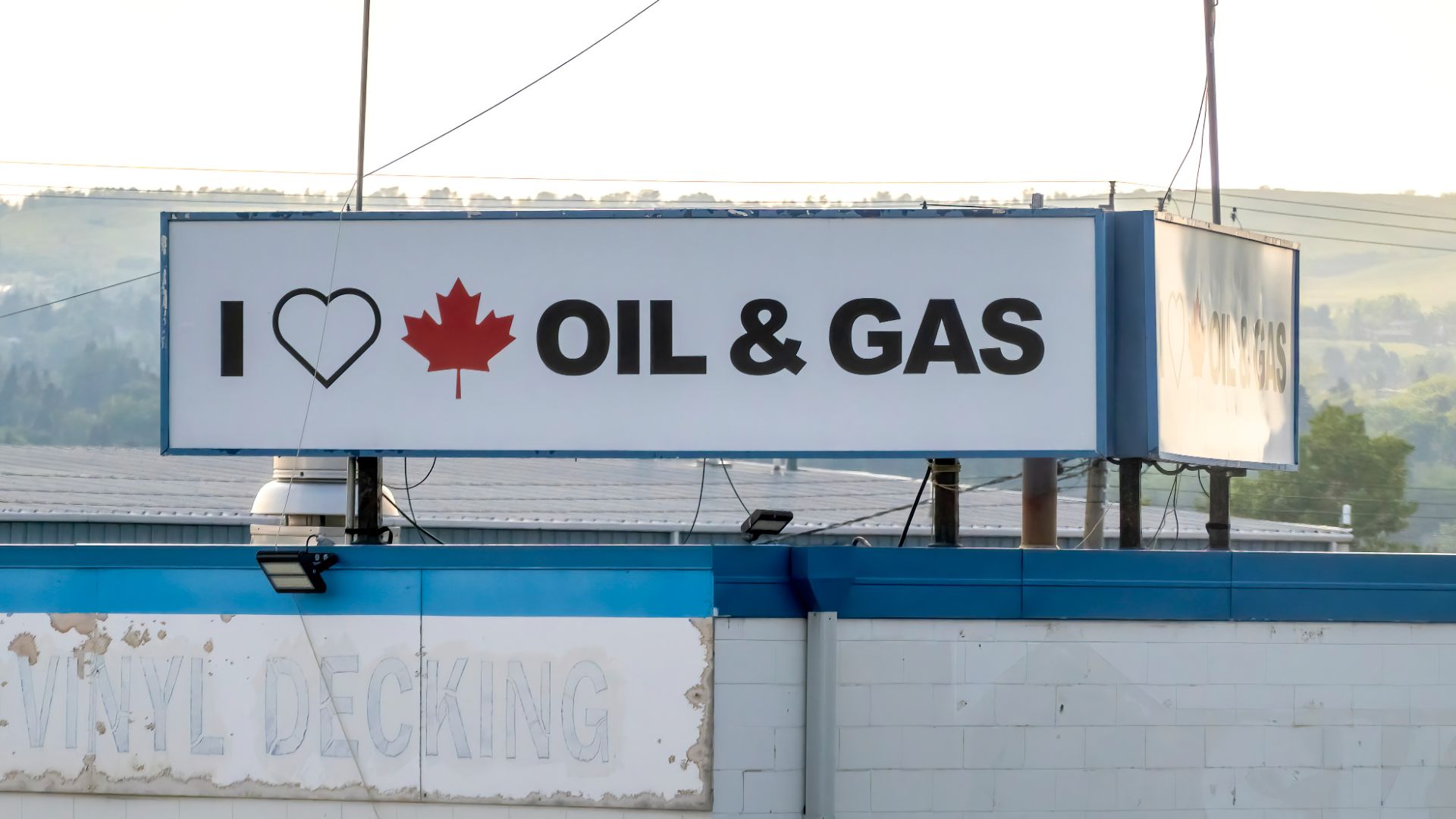
It's unclear whether Carney's federal Liberals and Danielle Smith's provincial Conservatives will reach an agreement on carbon pricing that will actually change Alberta's emissions for the better. Officials at Environment and Climate Change Canada have studied whether a strong enough price on emissions alone would be enough to put the country on track to achieve its climate targets. The answer has overwhelmingly been ‘no'. Currently, Alberta leads all Canadian provinces and territories in greenhouse gas emissions, with the province's oil sector contributing to nearly 60 per cent of its GHG emissions. Mark Carney will meet with Danielle Smith in Ottawa on Friday, May 8.