

/https%3A%2F%2Fcdn-tor.buminteractif.com%2F2026%2F03%2F31154958%2Ftrump-cuba-castro-getty-34534dgd324234dg.jpg)
Fidel Castro's grandson, Sandro Castro, is publicly calling for Cuba to open its economy, even if it means working with Donald Trump, marking a striking shift from the ideological legacy of his family. In an exclusive interview with CNN, Sandro Castro, a Havana nightclub owner and social media influencer, argued that the island must move toward economic reform and embrace a more pragmatic approach.
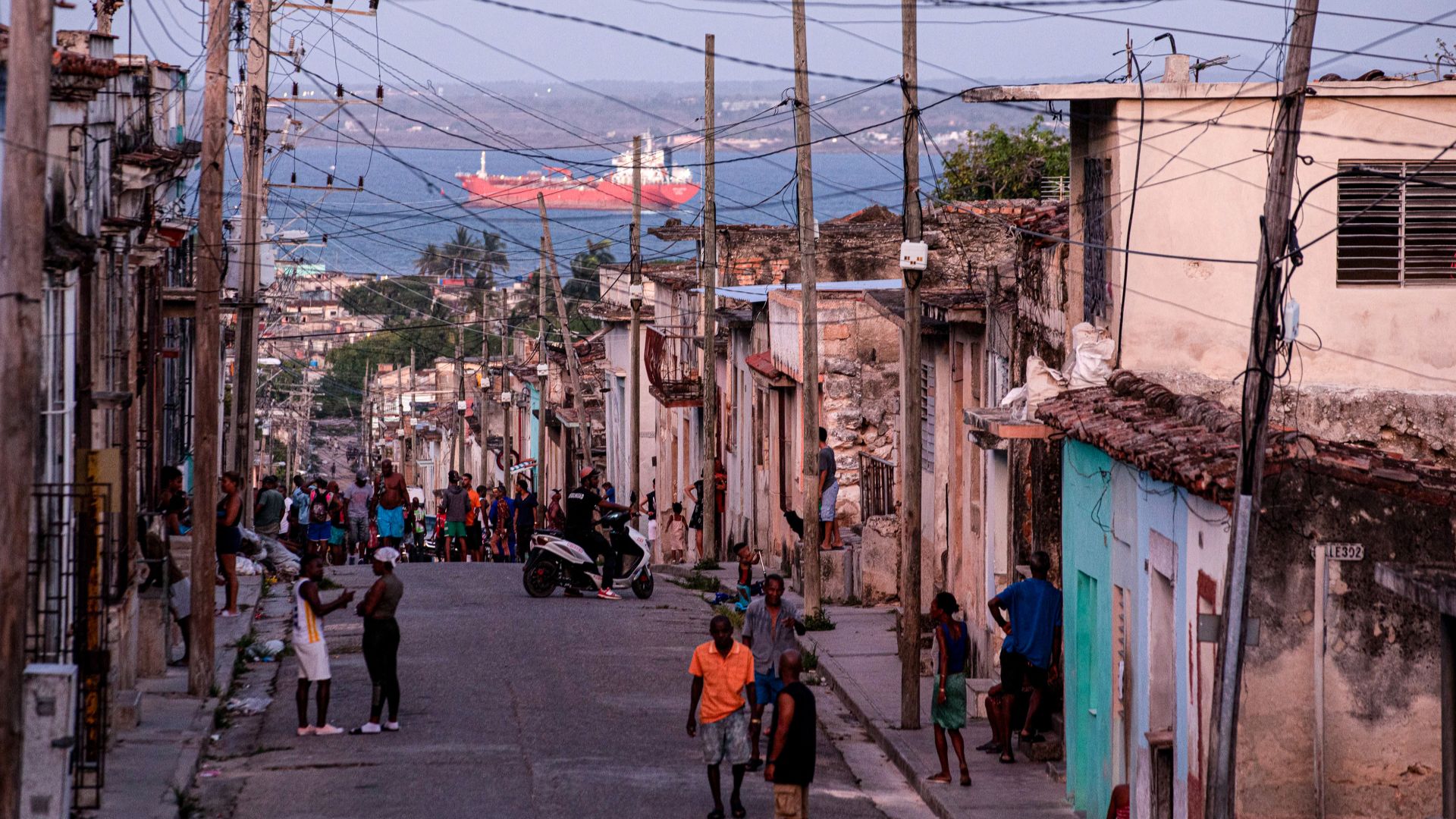
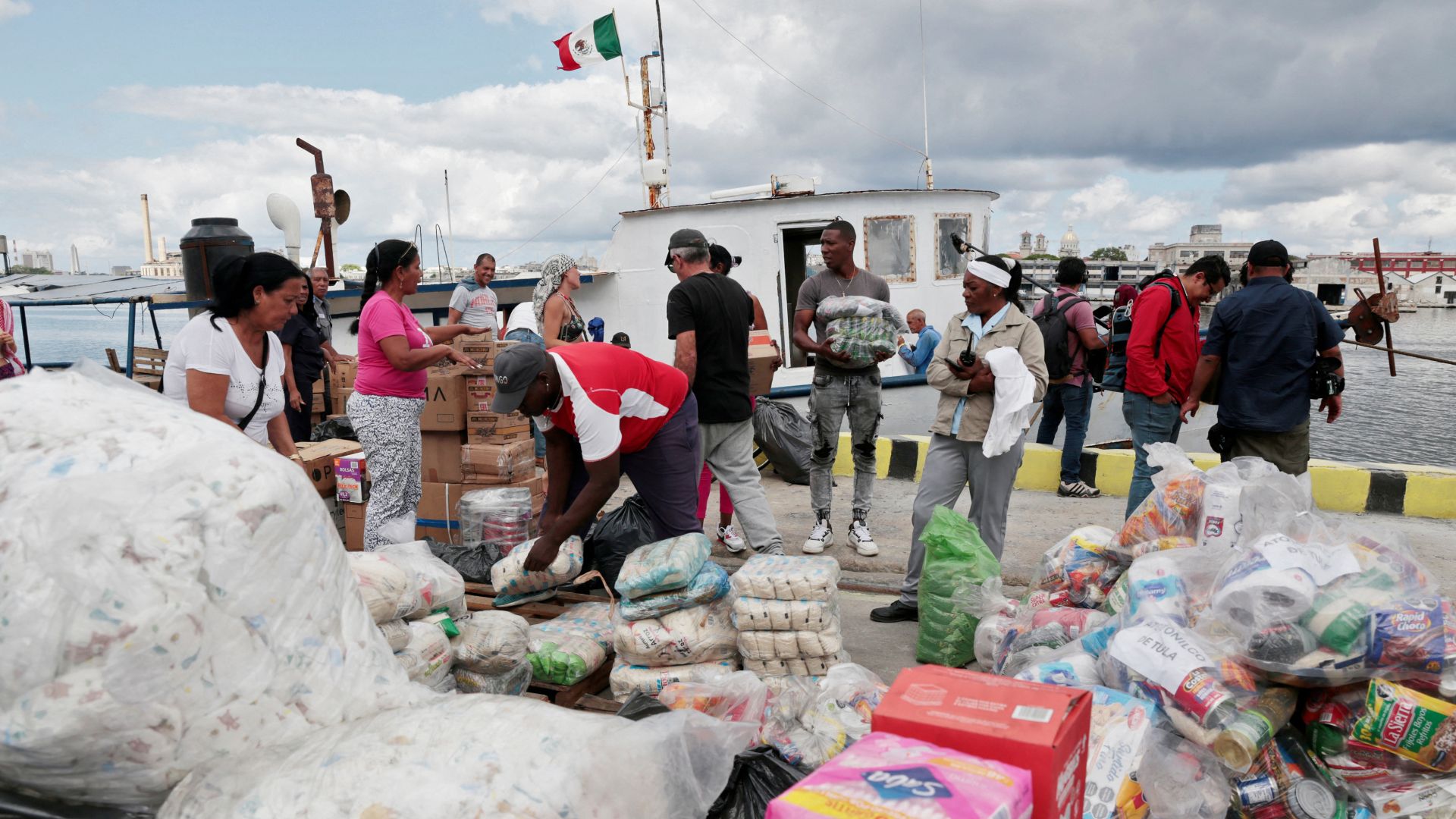
His comments come as Cuba faces one of its most severe economic crises in decades, with blackouts, shortages and growing public frustration reshaping the national conversation around the country's future, as reduced oil shipments tied to the Trump administration's policies have significantly worsened the island's energy crisis.
Sandro Castro told CNN that his outspoken videos reflect a difficult reality faced by many Cubans, rejecting the idea that he is detached from the crisis. «It's so difficult,» he said, describing daily life on the island. «You suffer thousands of problems. In a day, there might not be electricity, no water. Goods don't arrive. It's so hard, really hard.» His remarks highlight the depth of the country's economic collapse, which has worsened under external pressure, particularly under the Trump administration's lockout of the island, combined with internal inefficiencies, as basic services become increasingly unreliable for much of the population.
«I think the majority of Cubans want to be capitalist, not communist.»
-Fidel Castro's grandson, Sandro Castro
Despite being part of Cuba's most iconic political family, Sandro Castro positioned himself as a critic of the current system, particularly its economic model. «We have to open the economic model, eliminate the bureaucracy,» he said, openly calling for reforms that would allow greater private enterprise and reduce state control. He also criticized current leadership, stating: «I would not say he is doing a good job. For me, he is not doing a good job.» These comments signal a break not only from current policy but also from the rigid economic structure long associated with the Cuban state.
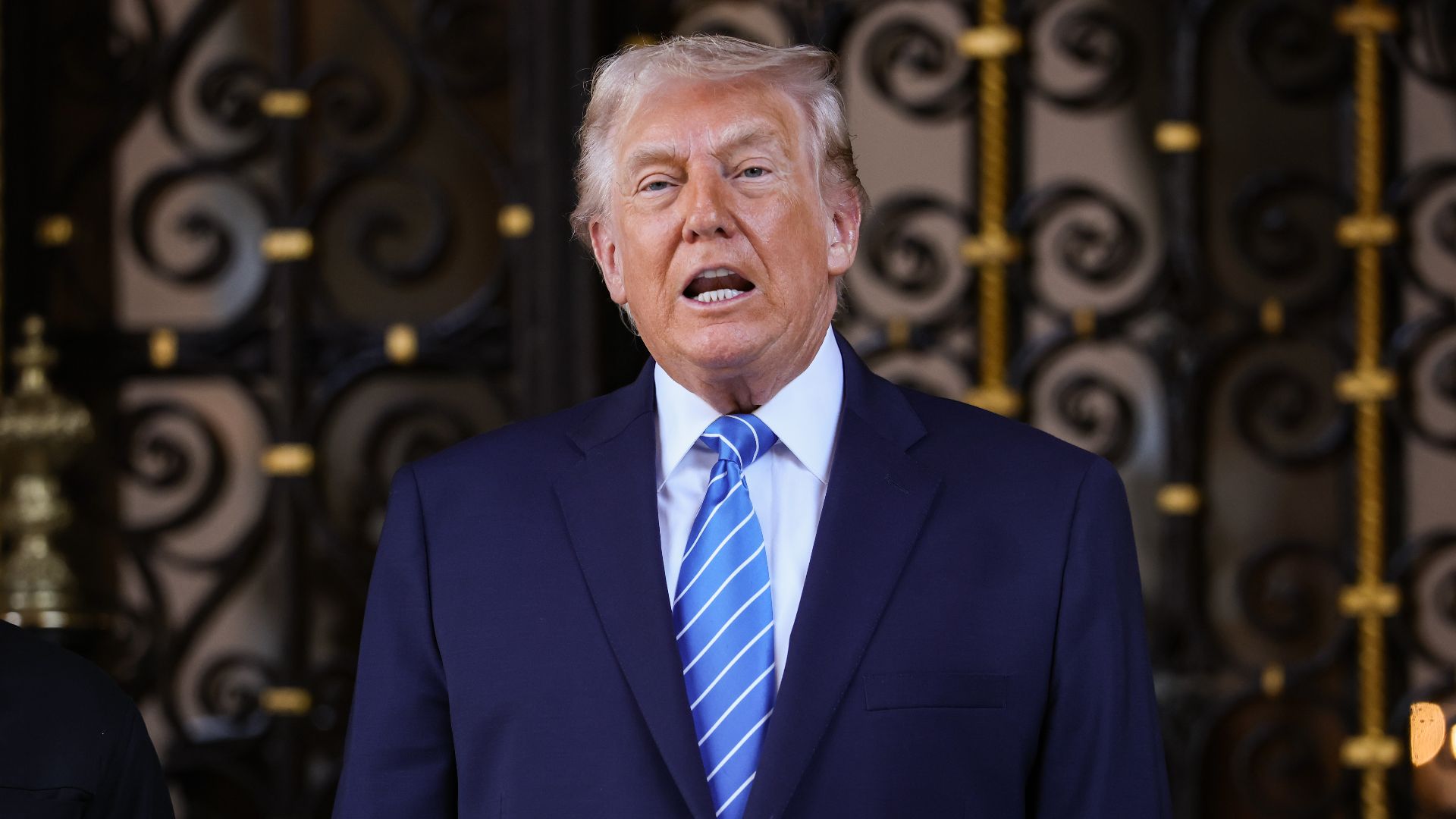
His most striking position centers on a shift toward capitalism and potential engagement with the United States. According to CNN, Castro argued that many Cubans are ready for change, saying: «There are many people in Cuba that think in a capitalistic way.» He added: «There are many people here who want to do capitalism with sovereignty.» Summarizing his view of public sentiment, he stated: «I think the majority of Cubans want to be capitalist, not communist.» His openness to a deal with Trump reflects a pragmatic approach focused on economic survival rather than ideological alignment.
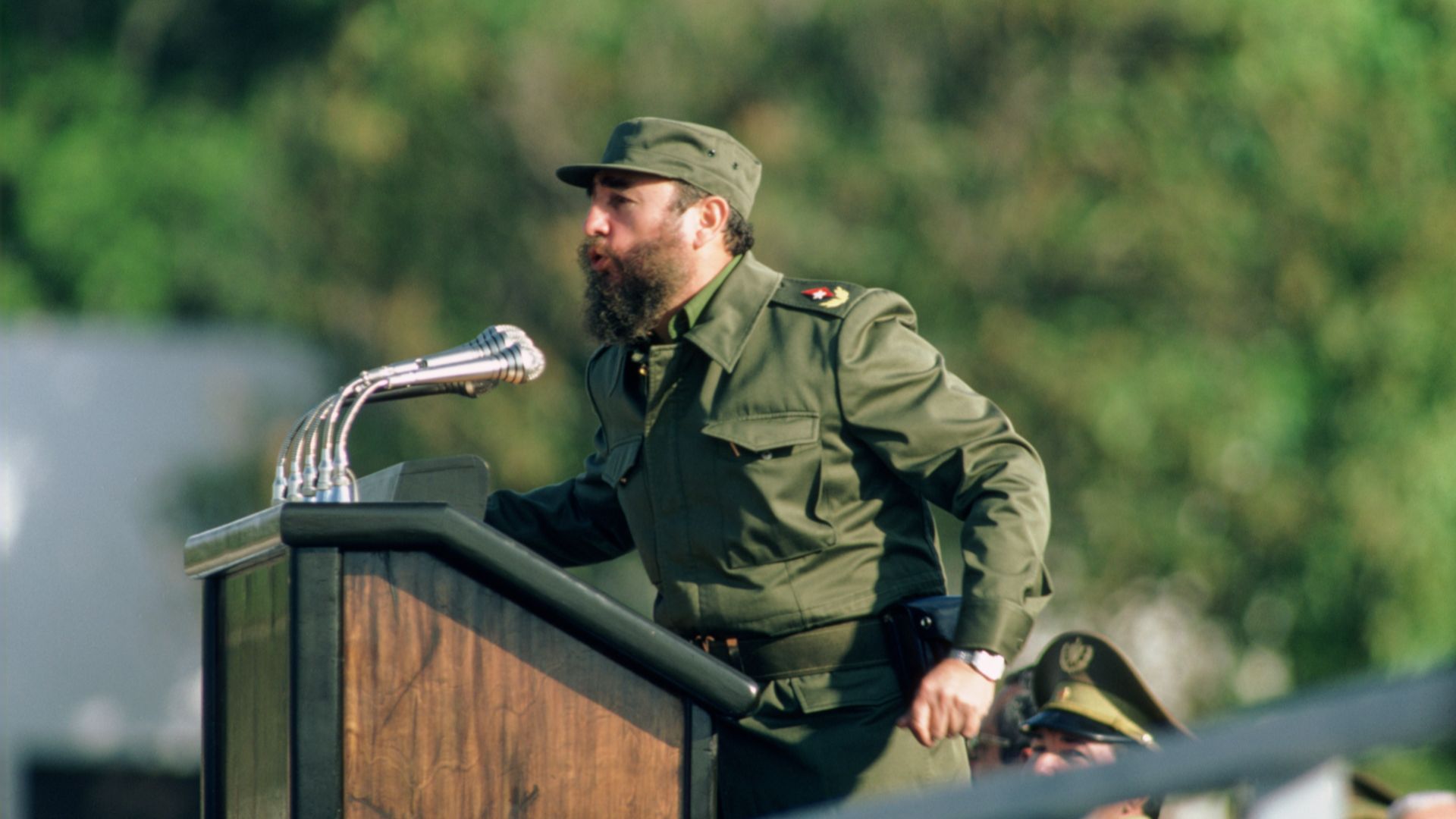
The comments stand in sharp contrast to the legacy of his grandfather, Fidel Castro, who led the 1959 revolution and established a socialist system based on state control of the economy and opposition to capitalism. Under Fidel Castro, industries were nationalized and private enterprise was heavily restricted, shaping Cuba's political and economic identity for decades. While reforms in recent years have allowed limited private activity, the state still dominates most sectors, and economic liberalization remains tightly controlled, making Sandro Castro's remarks particularly notable within that historical context.
«There are many people in Cuba that think in a capitalistic way.»
-Fidel Castro's grandson, Sandro Castro
Despite his position, Sandro Castro himself remains a deeply controversial figure in Cuba, criticized both for his lifestyle and his public statements. Known for showcasing a level of comfort and access uncommon on the island, he has drawn backlash from both government supporters and critics. Still, he insists his success comes from personal effort, saying: «The little I have is thanks to my effort, my sacrifice.» As Cuba's economic crisis deepens and pressure from the United States intensifies, his call for capitalism and a deal with Trump underscores a broader shift in discourse, where survival and reform increasingly take precedence over ideology.
Created by humans, assisted by AI.
