

/https%3A%2F%2Fcdn-tor.buminteractif.com%2F2025%2F12%2F07222607%2FGettyImages-1559141764.jpg)
According to the Japanese government, China has committed what is considered one of the most threatening acts by a military aircraft by directing a ‘radar lock' on two Japanese fighter jets near Japan's Okinawa islands. The ‘radar lock' – which forces fighter jets to take immediate evasive action by signalling a potential missile threat – is considered to be one of the most threatening acts a military can make on an aircraft. Japan's Defence Minister, Shinjirō Koizumi, has criticized the move, stating “the occurrence of such an incident is extremely regrettable,”.
“China's intentions are unclear, but if it is [only] to locate, there is no need to do that intermittently.”
What we know
Japan's Defence Minister Shinjirō Koizumi claimed that on Saturday, a Chinese J-15 military jet “intermittently” targeted its radar at Japanese F-15s in two incidents for about three minutes in the afternoon and 30 minutes in the evening. The J-15 was reportedly launched from China's Liaoning aircraft carrier, which was travelling between the main island of Okinawa and nearby Miyako island. The vessel was reportedly carrying out aircraft takeoff and landing drills in the Pacific Ocean. The Japanese F-15s were dispatched in response to a potential airspace violation by China, but Japanese airspace was not breached.
Strained relations over Taiwan
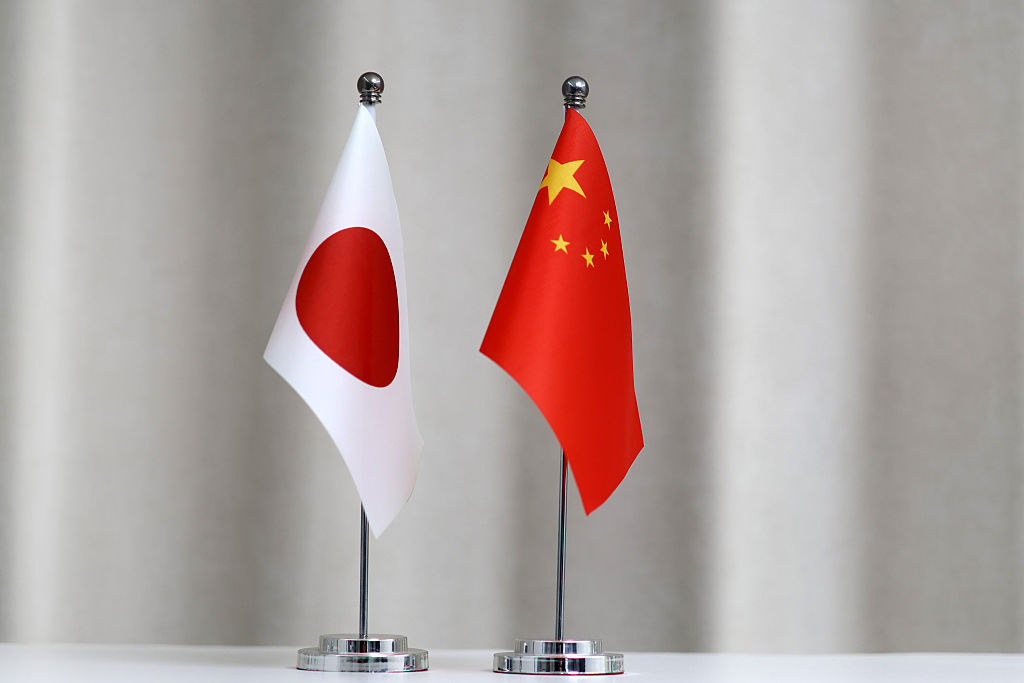
The incident has only worked to further strain the already tense relationship between China and Japan. Taiwan has been self-governing since 1949, and does not consider itself part of the People's Republic of China (PRC). Taiwan has its own military, currency, constitution, legal system, and democratically elected government, none of which are controlled by the PRC. Still, China continues to assert its claim that Taiwan is Chinese territory. The feud between Japan and China stems from a November statement by Japanese Prime Minister Sanae Takaichi, who said Japan's military would be willing to intervene if China were to make any advances against Taiwan.
Not an overt act of war
A target lock is not an overt act of war, as target locks can be used solely for identification purposes. That being said, China's motivations are unclear, with a Japanese defense minister stating, “China's intentions are unclear, but if it is to locate, there is no need to do that intermittently.” The argument is that if China were simply attempting to locate the jet, why don't they do so more regularly? The statement made by Japan on Sunday marks the first time that Tokyo's defense ministry has publicly disclosed a fire-control radar lock by Chinese military jets against Japanese aircraft, and just the second time it's announced any Chinese radar lock, marking the near-historic military tension between the two nations.
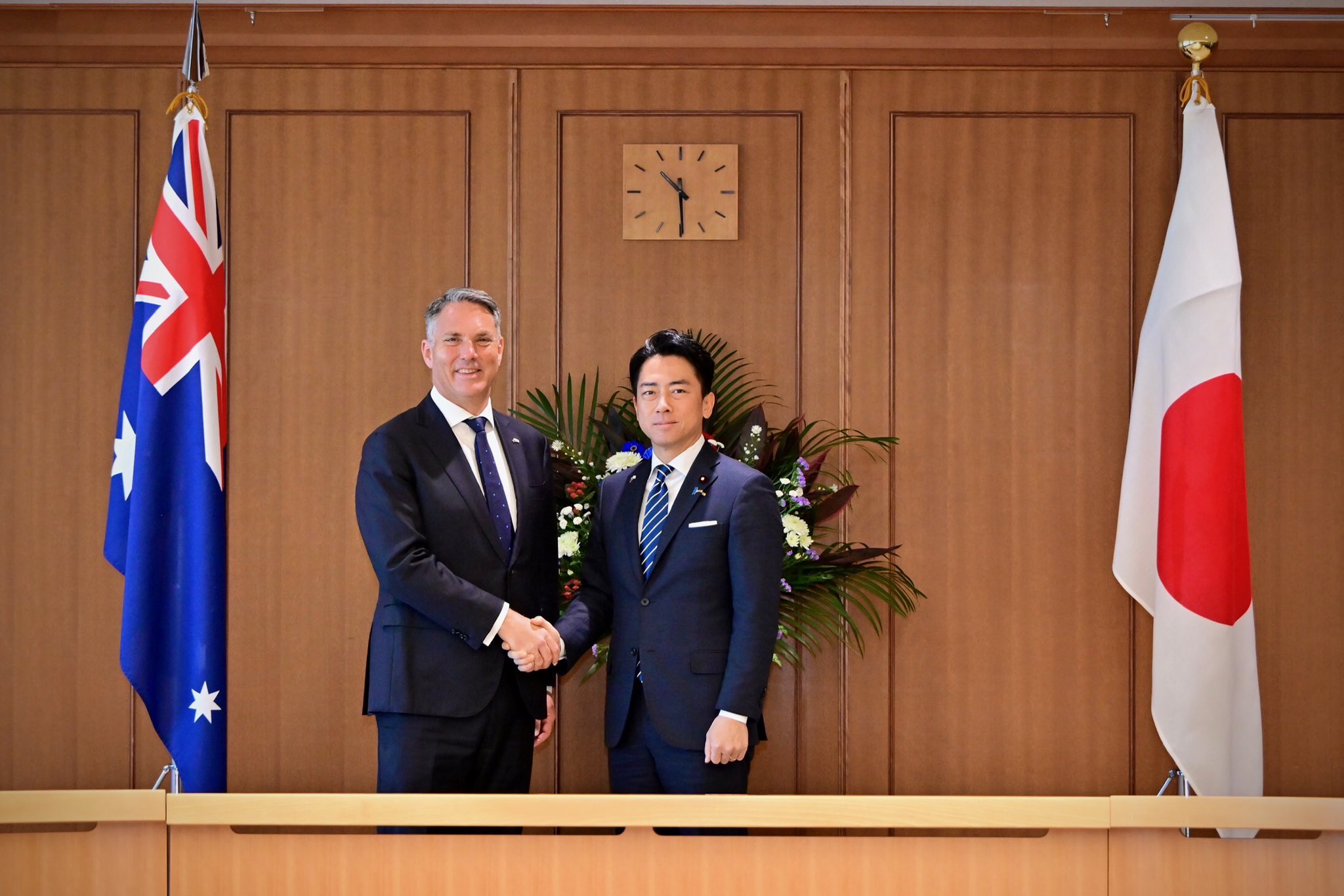
After the incident, Australia came forward to step up cooperation with Japan, during a press conference with Japan's Defense Minister Shinjiro Koizumi at the Defense Ministry in Tokyo on Sunday. During the press conference, Australian Defense Minister Richard Marles stated, “The events last night are concerning, and Australia has also experienced concerning events in interactions [with China],” and Australia would be willing to “assert the rules-based order in this region.” Marles also reinforced Australia's support of an independent Taiwan, stating, “We do not want to see any change to the status quo across the Taiwan Strait.” The two countries also agreed to set up a ‘Framework for Strategic Defense Coordination', to consult on intelligence gathering, industry, technology, cyber and missile defense.
