Elon Musk Officially Pulls the Plug on Cybertruck After Years of Disappointing Sales and Controversy


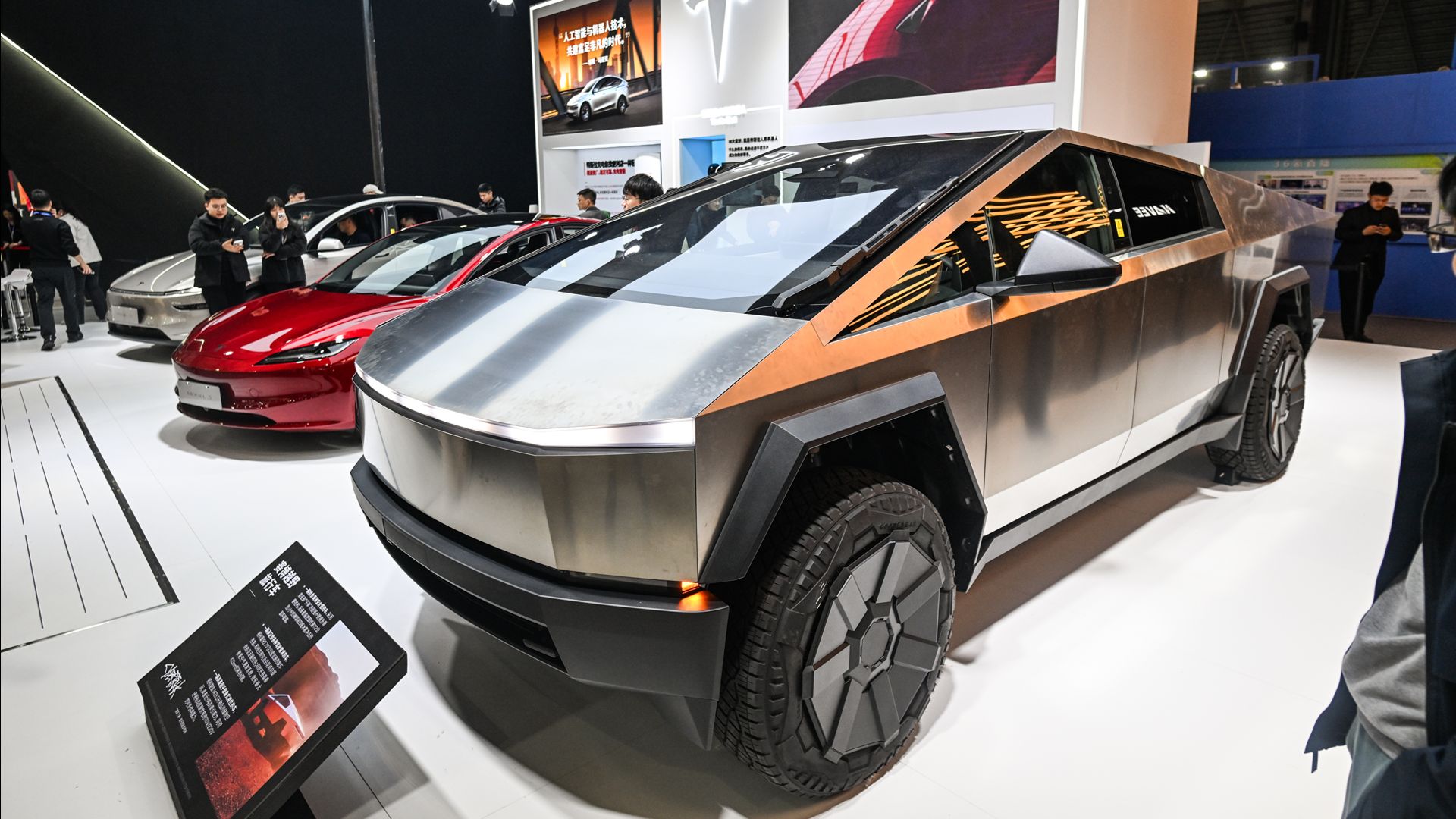
Elon Musk is pulling the plug on Tesla's Cybertruck production after years of disappointing sales, repeated recalls, quality problems and controversy surrounding the futuristic electric pickup. On November 6, the Tesla CEO announced that manufacturing at the company's Gigafactory in Texas would wind down around the middle of 2027, less than four years after the first vehicles reached customers. Musk presented the decision as a strategic shift toward Tesla's autonomous Cybercab, rather than an acknowledgment of the Cybertruck's commercial difficulties. «Tesla will be winding down production of the Cybertruck at Gigafactory Texas around the middle of next year to make room for increased Cybercab production», he wrote on X. However, the announcement follows years in which the stainless-steel pickup struggled to achieve the sales figures Musk originally envisioned, while attracting criticism over its unconventional design, high price and reliability. Although Tesla has not explicitly ruled out producing the vehicle at another facility, Musk's subsequent statements indicate that the Texas production line will be dismantled, marking a significant retreat from one of the company's most heavily promoted projects.
The Cybertruck's disappointing commercial performance stands in sharp contrast to the ambitious promises surrounding its November 2019 unveiling, when Musk introduced the angular electric pickup as a revolutionary alternative to traditional trucks. The presentation immediately attracted worldwide attention, partly because a demonstration intended to prove the durability of its supposedly shatter-resistant windows ended with two panes cracking after being struck by metal balls. Tesla initially promoted a starting price of approximately $39,900 and an estimated driving range of up to 500 miles for its highest-range configuration, but the vehicle that eventually entered production in late 2023 failed to deliver those original specifications. Musk also predicted annual sales of approximately 250,000 Cybertrucks, a target that proved far beyond actual demand. According to Kelley Blue Book estimates, Tesla sold 38,965 Cybertrucks in the United States in 2024, followed by just 20,237 in 2025, representing a decline of approximately 48%. The latter figure amounted to barely 8% of Musk's original annual sales ambition. Former Aston Martin CEO Andy Palmer told Reuters, «It doesn't make sense to keep it going when it's not meeting its targets.» The figures illustrate how the extraordinary attention generated by the Cybertruck's introduction failed to translate into the sustained demand Tesla had anticipated.
This is not a case of Cybertruck being unprofitable, as has been misreported by legacy media.
Beyond its weak sales, the Cybertruck faced a succession of manufacturing defects, safety recalls and controversies that complicated its attempts to establish a place in the competitive American pickup market. Since deliveries began, Tesla has recalled the vehicle numerous times over problems involving components such as accelerator pedals, rearview cameras, exterior panels and wheel assemblies. One major recall in March 2025 involved more than 46,000 Cybertrucks after regulators identified a risk that stainless-steel exterior trim panels could detach while driving, potentially creating hazards for other motorists. Additional concerns emerged over the vehicle's electronically operated doors, particularly following fatal crashes in which questions were raised about occupants' ability to escape. Some of those concerns have become the subject of litigation, although allegations in individual lawsuits have not necessarily been established in court. Meanwhile, the Cybertruck's unusual construction, higher-than-promised pricing and limited appeal outside North America created further obstacles to expanding its customer base. The vehicle also became entangled in controversy surrounding Musk's political activities, particularly his support for Donald Trump and his involvement in the administration's Department of Government Efficiency. Cybertrucks and Tesla facilities became targets of politically motivated vandalism and protests, adding another dimension to the public backlash surrounding a vehicle already struggling with quality concerns and declining demand.
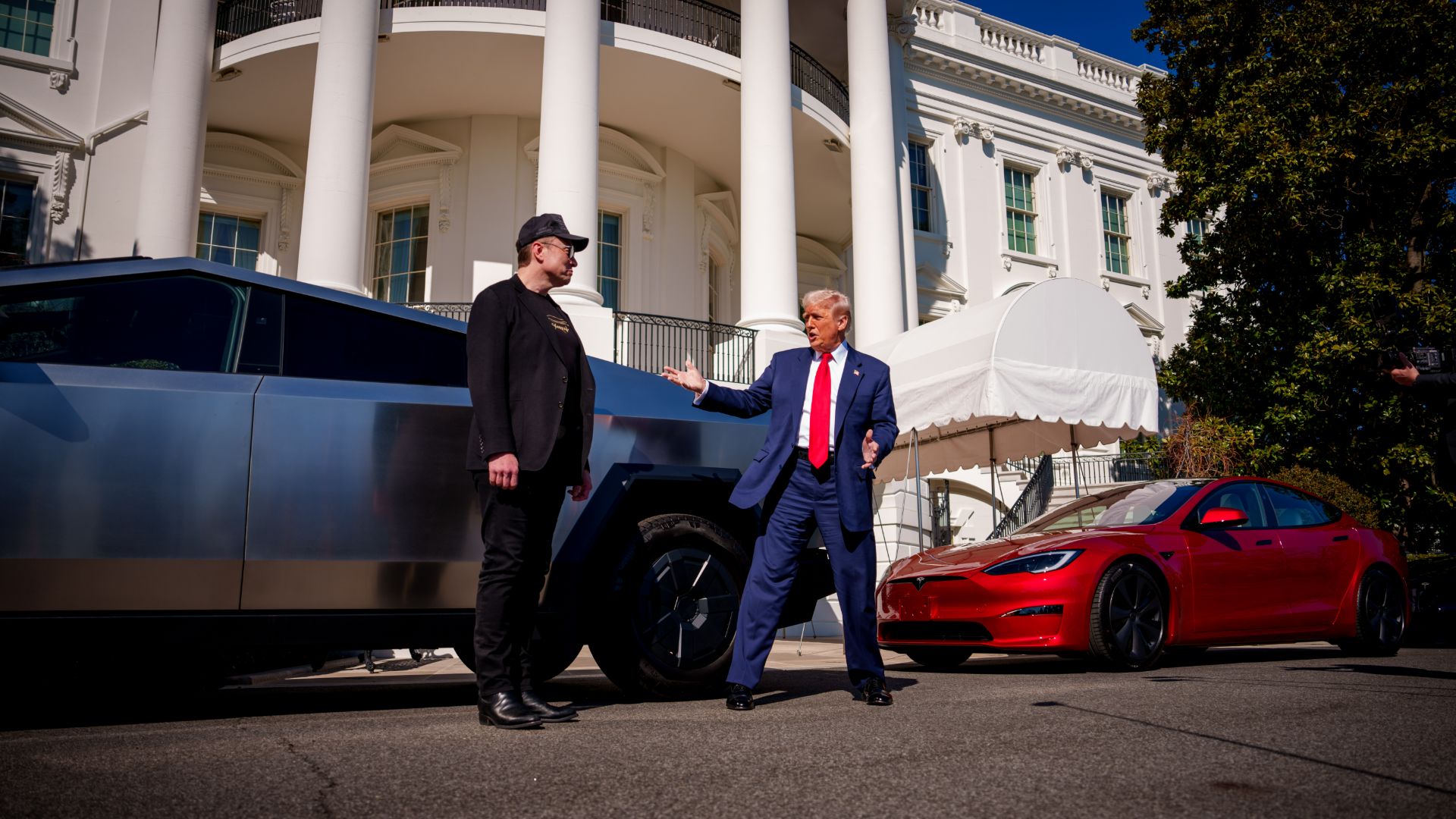
The Cybertruck's commercial difficulties have also drawn attention to purchases made by Elon Musk's other businesses, raising questions about how much demand for the vehicle came from customers outside his corporate network. According to financial disclosures included in SpaceX's initial public offering filing, the aerospace company, now known as SpaceXSI, purchased approximately $131 million worth of Cybertrucks from Tesla in 2025. The transactions represented a substantial sum compared with the pickup's relatively modest annual sales, although the disclosed value does not establish the precise number of vehicles purchased. Because Musk leads both businesses, the arrangements have attracted particular scrutiny as investors examine Tesla's ability to generate sustained demand for its unconventional pickup. SpaceX's purchases were disclosed corporate transactions, and there is no evidence that they were improper. Nevertheless, they add another dimension to the Cybertruck's commercial performance, particularly given the considerable difference between Musk's original sales projections and the vehicle's actual market penetration. Industry analysts have suggested that Tesla's decision to withdraw manufacturing resources from the pickup reflects the economic realities of maintaining a complex production line for a comparatively small customer base.
We will try to make as many as possible before shutting down the line in about 8 months, but will have to return deposits for a lot of people.
Musk has pushed back against suggestions that the Cybertruck's production shutdown amounts to an admission of commercial failure, insisting that Tesla is prioritizing a more valuable manufacturing opportunity. Following his initial announcement, he claimed that outstanding Cybertruck orders exceeded the number of vehicles the company could produce before dismantling the assembly line around June or July 2027. On November 7, Musk announced that Tesla would introduce an additional production shift to help fulfill remaining reservations. Two days later, however, he acknowledged that some customers would not receive their vehicles, writing, «We will try to make as many as possible before shutting down the line in about 8 months, but will have to return deposits for a lot of people.» Musk also rejected claims that the pickup was financially unsuccessful, declaring, «This is not a case of Cybertruck being unprofitable, as has been misreported by legacy media». Instead, he argued that the resources required to manufacture the complicated vehicle could generate greater value if directed toward additional Cybercab production. His explanation presents the decision as an economic calculation rather than a retreat, although Tesla has not publicly provided sufficient model-specific financial information to independently verify the Cybertruck's profitability or the size of its current order backlog.
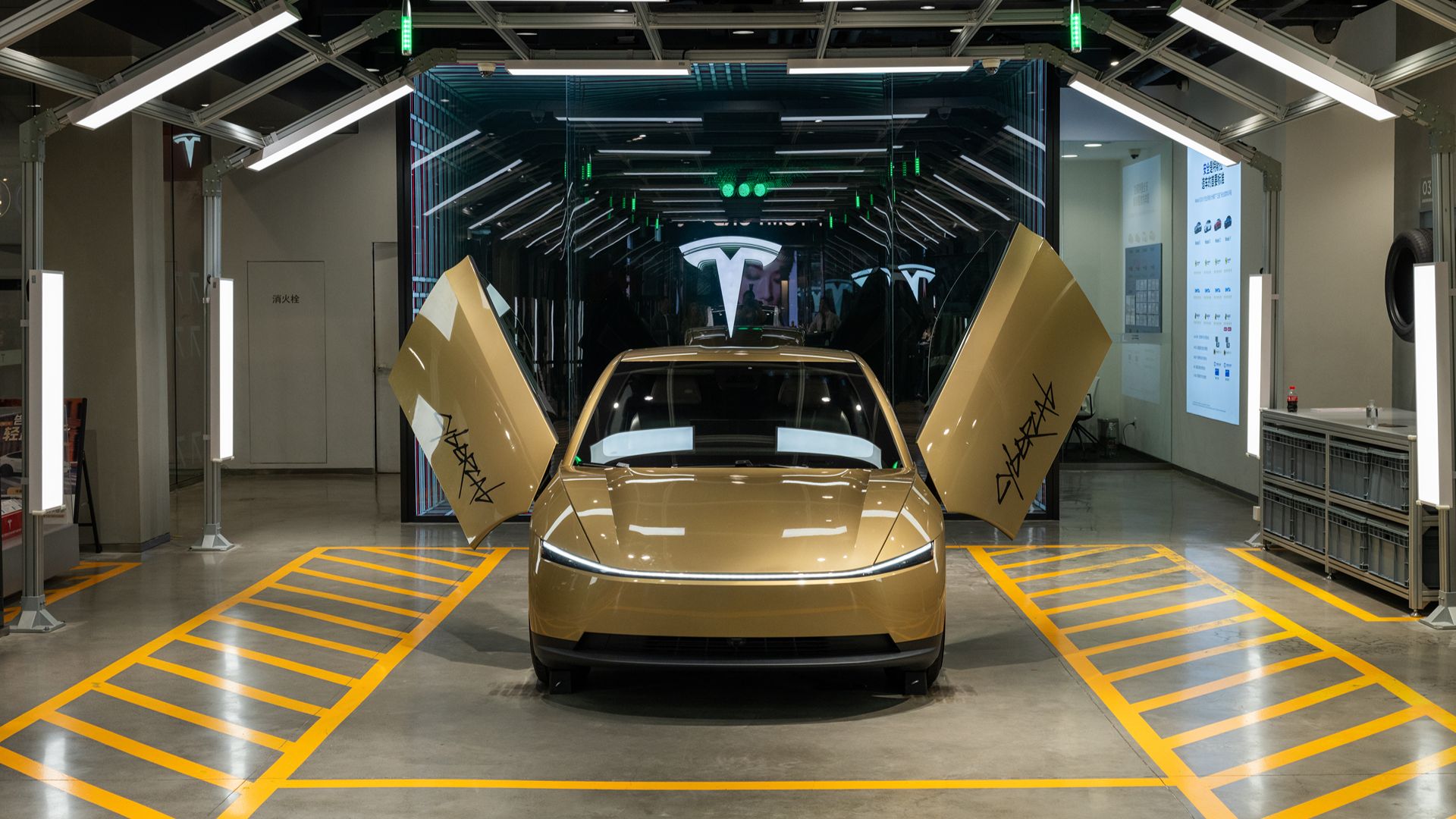
The decision ultimately reflects a broader transformation in Tesla's business strategy, with Musk increasingly presenting artificial intelligence, robotics and autonomous transportation as the company's principal areas of future growth. The Cybercab, a compact two-seat robotaxi designed to operate without conventional driving controls, has become central to that ambition, even as Tesla faces competition from established autonomous transportation developers such as Waymo and Zoox. Expanding production will require the company to demonstrate that its self-driving technology can operate safely, satisfy regulatory requirements and support a commercially sustainable transportation service. Tesla has already moved away from some of its older vehicles, including the Model S and Model X, leaving the Model 3 and Model Y as the dominant products in its conventional automotive business. The Cybertruck's impending disappearance from the Texas assembly line therefore represents more than the end of a controversial pickup's manufacturing run. It also illustrates the distance between Musk's ambitious projections and the challenges of delivering a profitable mass-market product. After years of sales disappointments, recalls and public controversy, Tesla is redirecting its resources toward another high-profile technological promise whose long-term commercial success remains unproven.
Created by humans, assisted by AI.
Share this post

Popular posts
-

Cancelled or renewed? The Diplomat, Criminal Minds and more!
-

North Korean Hackers Behind Record $6.36 Billion Binance Crypto Heist in Largest Cryptocurrency Theft in History
-
Canada Holds Firm in Tariff War With Trump Despite Democrats' Sweeping Midterm Victory
-

20 Strange Things People Once Believed About Twins