Ex-NCC head Says Key Decision-Makers Were Blocked From Advising Trump Before Iran War


/https%3A%2F%2Fcdn-tor.buminteractif.com%2F2026%2F03%2F19145750%2Ftrump-kent-iran-getty34-563gd45234gdg34fs.jpg)
The former director of the National Counterterrorism Center said that key decision-makers were prevented from advising Donald Trump before the United States entered the war with Iran, raising serious questions about how the decision to launch the conflict was made. In an extensive interview with Tucker Carlson, Joe Kent described a breakdown in the normal decision-making process, where intelligence officials and senior advisers are typically expected to present a range of views before major military action. Instead, he suggested that critical voices were excluded at a pivotal moment, as the administration moved toward launching strikes against Iran.
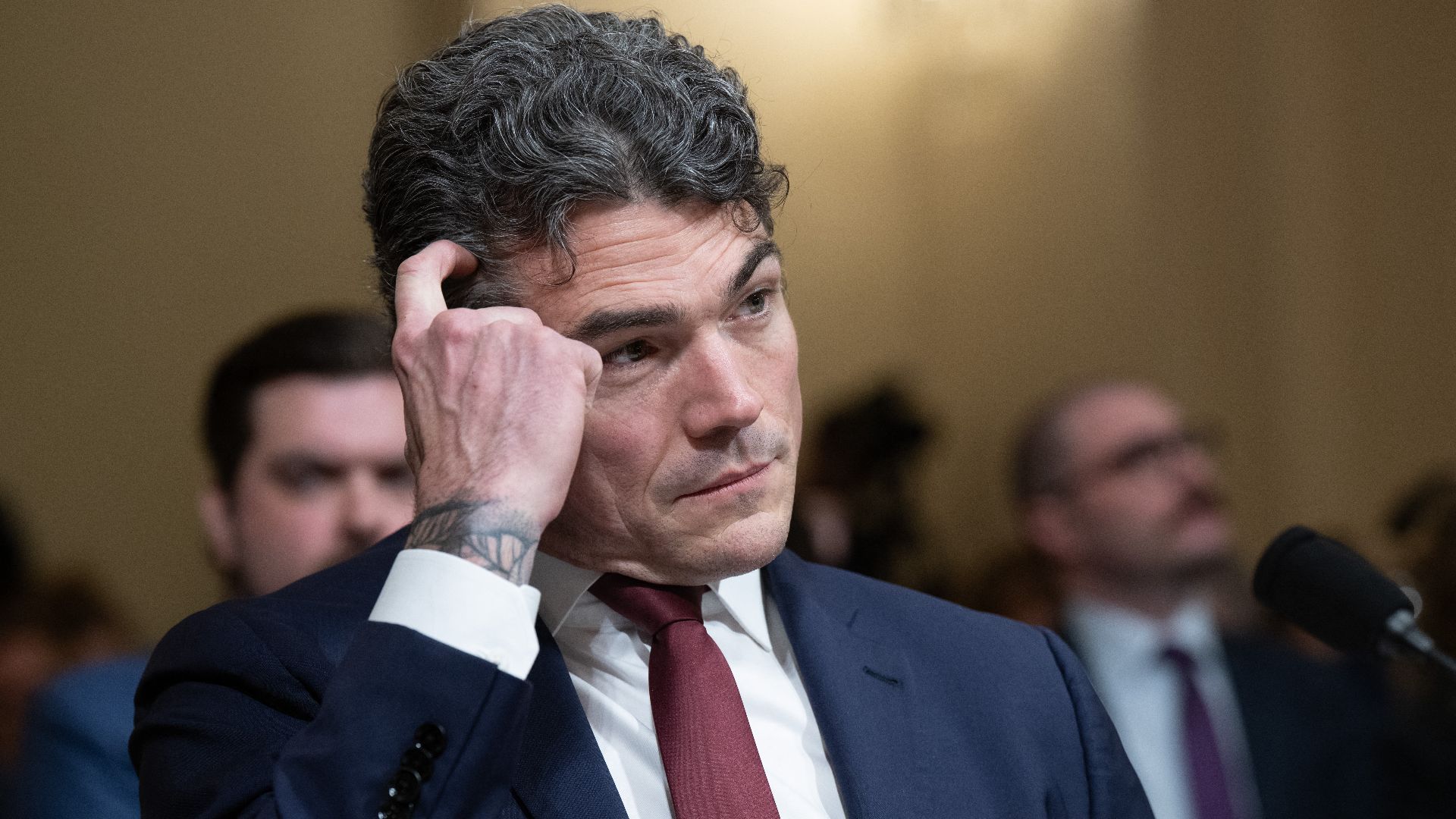
Speaking publicly for the first time since his resignation, Kent described a system in which access to the president was limited and dissenting opinions were effectively shut out. «A good deal of key decision makers were not allowed to come and express their opinion to the president,» he said, emphasizing that this departure from standard procedure had significant consequences.
He added that «There wasn't a robust debate,» suggesting that the decision to go to war was made without the level of scrutiny and internal discussion typically expected in matters of national security. His comments offer a rare inside account of how the administration handled one of its most consequential decisions.
«There wasn't a robust debate.»
-Former director of the National Counterterrorism Center, Joe Kent
Under normal circumstances, intelligence agencies and senior officials are expected to provide what is often described as a “sanity check” before military action is taken, ensuring that assumptions are challenged and risks are fully assessed. According to the former counterterrorism chief, that process did not take place in the lead-up to the Iran war.
He indicated that internal discussions were limited and that key perspectives were never presented directly to the president. This absence of debate, he suggested, meant that alternative interpretations of intelligence and potential consequences of military action were not fully considered before strikes were authorized.
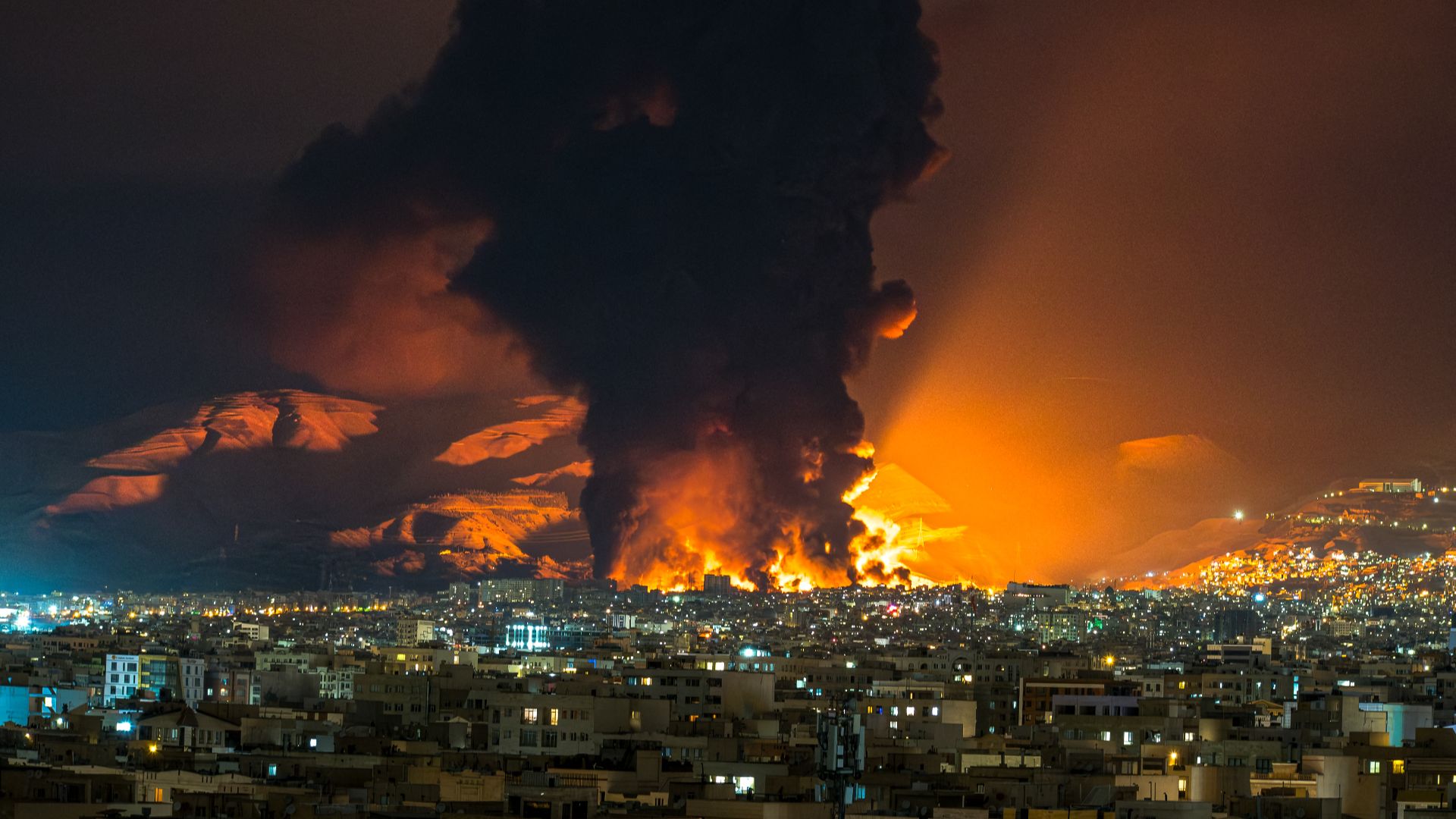
The issue is closely tied to the broader justification for the war, particularly claims that Iran posed an imminent threat to the United States.
The former official directly challenged that narrative, stating there was no intelligence indicating an immediate attack was being planned. His assessment stands in contrast to the administration's public argument that urgent action was necessary. The lack of a full internal debate, he argued, may have contributed to the reliance on a narrow set of assumptions that ultimately shaped the decision to move forward with military operations.
«A good deal of key decision makers were not allowed to come and express their opinion to the president.»
-Former director of the National Counterterrorism Center, Joe Kent
The controversy also feeds into growing political criticism of Trump's decision to enter the war, particularly given his long-standing pledge to avoid new foreign conflicts. During his political campaigns, Trump repeatedly positioned himself as a leader who would steer the United States away from prolonged wars in the Middle East. Critics now argue that the decision to engage militarily in Iran represents a break from that promise, especially in light of claims that key advisers were not given the opportunity to weigh in before the decision was made.
The concerns raised by the former counterterrorism chief were echoed indirectly during a Senate Intelligence Committee hearing, where top officials stopped short of fully supporting the administration's claims about the threat posed by Iran. While they described Iran as a longstanding concern, they did not clearly characterize the situation as an imminent threat to the United States.
Together, the testimony and the former official's account paint a picture of a decision-making process that may have been unusually constrained, raising broader questions about how critical national security decisions were handled at the highest levels of government.