France Warns Iran Cyberattack «Will Not Go Unanswered» After Supermarket Refrigerators Sabotaged


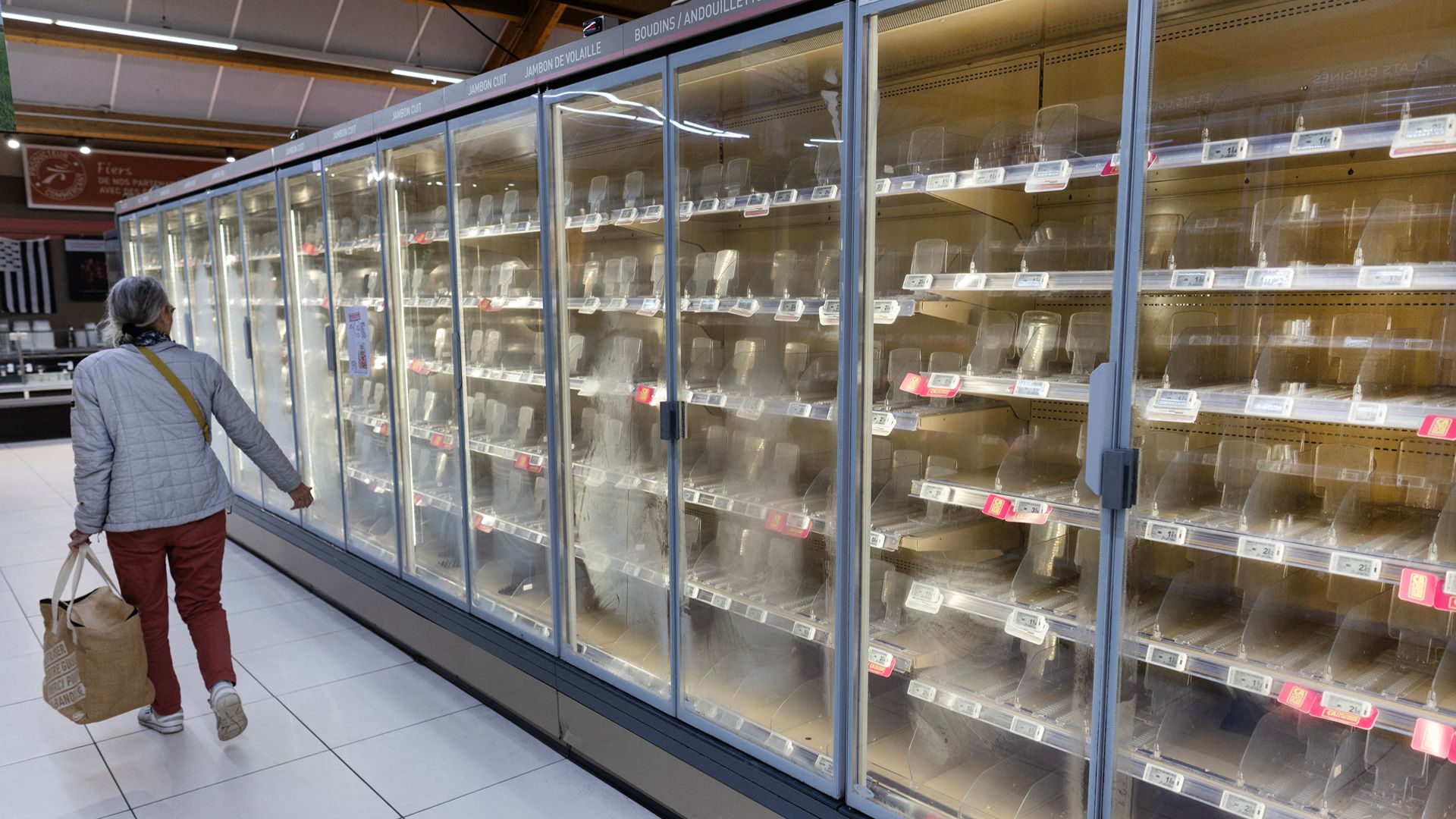
France has accused Iran's Islamic Revolutionary Guard Corps (IRGC) of orchestrating a massive cyberattack that sabotaged refrigeration systems at approximately 700 supermarkets and other food retailers, destroyed millions of euros worth of perishable goods and triggered at least 15 fires across the country. The accusations, announced on Monday, November 9, followed a French intelligence investigation into the October 11–12 attacks, which authorities described as an unprecedented act of cyber sabotage against civilian infrastructure. Speaking during a G7 foreign ministers' meeting in Paris, French Foreign Minister Jean-Noël Barrot warned Tehran that the operation would have serious consequences. «This is an attack of unprecedented scale and aggressiveness,» Barrot declared. «It is the first large-scale cyberattack aimed at sabotage on French soil, and it represents a major threat to our national interests and the security of the French people. That is why it will not go unanswered.» France has summoned Iran's ambassador to formally protest the incident and announced plans to pursue European Union sanctions against those identified as responsible, escalating diplomatic tensions between Paris and Tehran.
The cyberattack struck during the night of October 11–12, when hackers allegedly infiltrated internet-connected refrigeration controllers used by major French supermarket chains, including Carrefour, Intermarché, E.Leclerc, Monoprix and Coopérative U. Rather than stealing customer information or temporarily disabling websites, the attackers manipulated industrial equipment to cause physical damage, remotely activating abnormal defrost cycles and preventing refrigeration systems from maintaining safe temperatures. French prosecutors said the hackers simultaneously disabled warning mechanisms designed to alert operators when temperatures exceeded acceptable levels, allowing the disruption to continue without triggering normal safety notifications. Refrigerators and freezers subsequently overheated, forcing retailers to discard large quantities of meat, dairy products, frozen foods and other perishable merchandise. Authorities reported at least 15 fires associated with affected refrigeration equipment, while retailers estimated that spoiled products and damaged infrastructure resulted in tens of millions of euros in losses. The attack also exposed the vulnerability of essential commercial infrastructure to cyber intrusions capable of disrupting physical operations, particularly when industrial control systems remain accessible through poorly secured remote connections. Similar refrigeration incidents were subsequently reported in other European countries, although French officials have not established that those separate attacks were carried out by the same perpetrators.
I can also tell you that we rule nothing out and will take all measures — including those we may not disclose publicly — that we deem proportionate and necessary to deter any further attacks.
French investigators have identified Shahid Kaveh, an offensive cyber unit allegedly operating under the IRGC's Electronic and Cyber Command, as the organization responsible for the sabotage. Barrot publicly attributed the operation to Iran's military establishment, declaring, «I can confirm that this attack was carried out by the Islamic Revolutionary Guard Corps (IRGC) of the Islamic Republic of Iran.» According to a joint assessment involving France's cybersecurity agency ANSSI and domestic and foreign intelligence services, investigators identified technical similarities with previous operations attributed to the group, including Iranian-linked internet infrastructure, traces of Persian-language code and methods associated with attacks on industrial control systems. The unit, also known through the CyberAveng3rs identity, has previously been linked to cyber operations targeting infrastructure in the United States and Israel. Paris prosecutor Laure Beccuau announced the opening of a judicial investigation into suspected organized cybercrime committed in the interests of a foreign government, with authorities seeking international arrest warrants against senior figures associated with the alleged operation. The investigation represents France's first public attribution of a cyber sabotage campaign of this scale to Iran's Revolutionary Guards, although the precise strategic motive behind the refrigeration attacks remains under investigation.
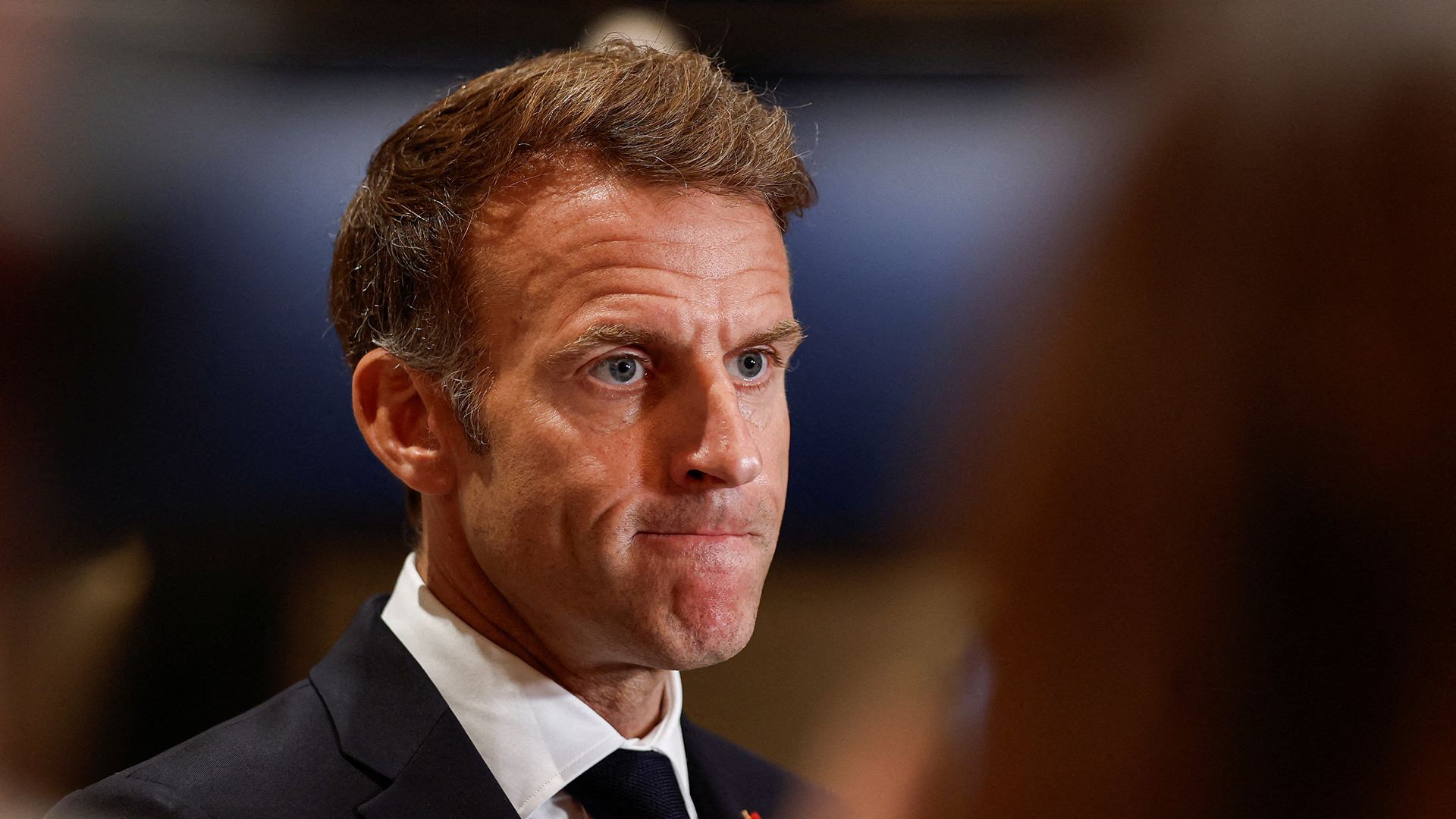
Iran has categorically rejected France's accusations, denying that its government or military-affiliated cyber units were involved in sabotaging supermarket refrigeration systems. In a statement issued Tuesday, November 10, the Iranian Foreign Ministry dismissed the allegations as baseless and politically motivated, accusing Paris of pursuing a hostile diplomatic campaign against Tehran. Iranian officials condemned what they described as a longstanding French practice of making unfounded accusations against the Islamic Republic, while insisting that the country had no involvement in the reported cyber operations. Tehran also warned that it would take whatever measures it considered necessary to defend its national interests and security against unlawful foreign actions. The response followed France's decision to publicly identify the Revolutionary Guards as responsible for the attacks, creating a direct diplomatic confrontation between the two governments. Although French intelligence agencies say they have technical evidence linking the sabotage to Iranian cyber operators, Tehran continues to dispute that attribution. No independent judicial determination has yet established responsibility, leaving the competing accounts central to the escalating dispute.
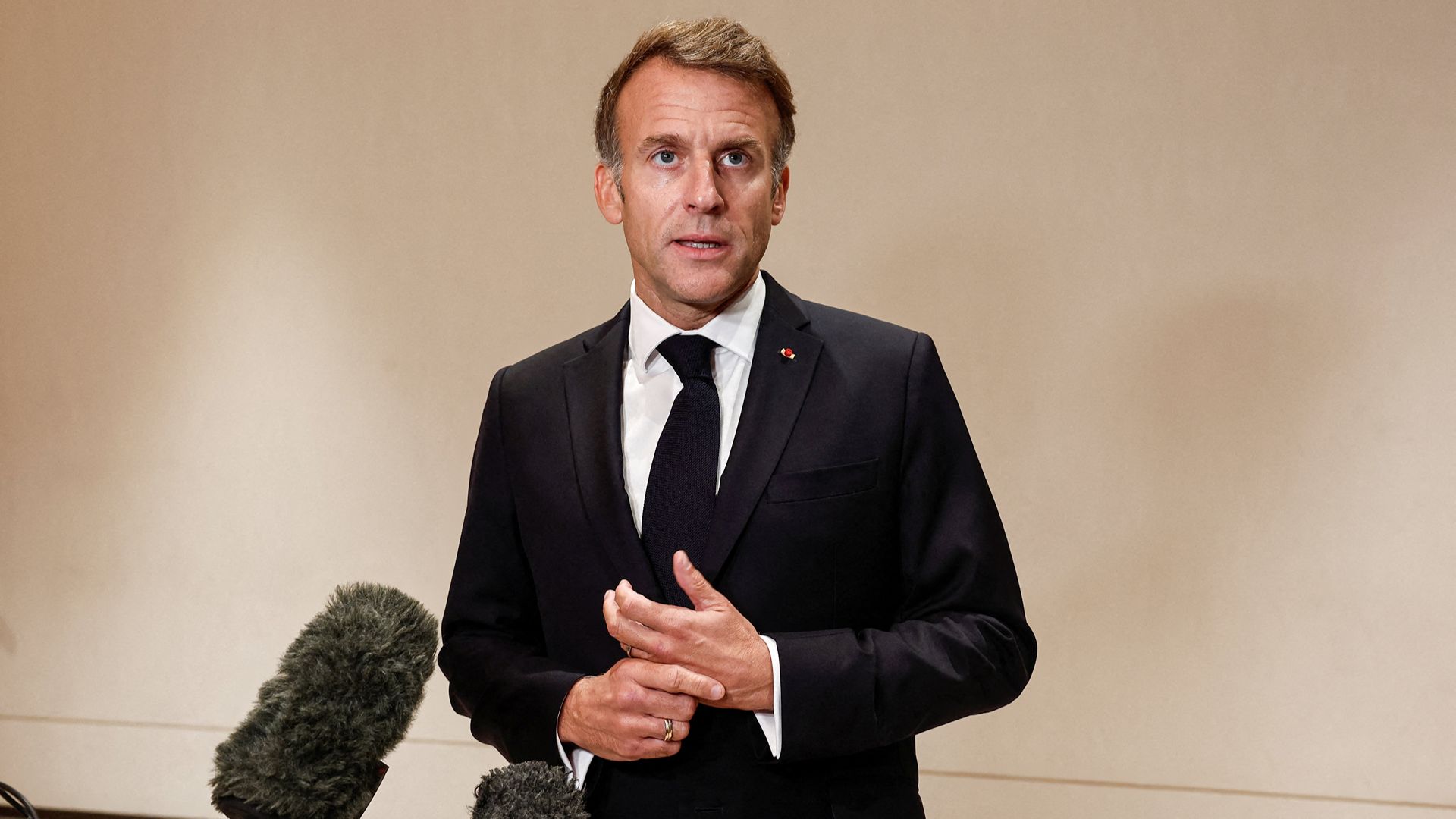
France has nevertheless moved forward with its response, formally summoning Iran's ambassador on November 10 to deliver a diplomatic protest over the alleged sabotage. Foreign Minister Jean-Noël Barrot confirmed that Paris would seek new European Union sanctions targeting Iranian individuals and organizations believed to have participated in the operation, while warning that additional countermeasures remained under consideration. Speaking to Franceinfo, Barrot declared, «I can also tell you that we rule nothing out and will take all measures — including those we may not disclose publicly — that we deem proportionate and necessary to deter any further attacks.» His remarks suggested that France could consider responses extending beyond conventional diplomatic and economic pressure, although officials have not announced any retaliatory cyber operation. French prosecutors have also opened an investigation into senior figures associated with the alleged Iranian hacking unit, with international arrest warrants reportedly being sought. The confrontation has heightened concerns within Europe about the vulnerability of civilian infrastructure to foreign cyber operations, particularly as digital systems increasingly control essential services. Paris maintains that its response is intended to discourage further attacks while holding those responsible accountable under international and domestic law.
I can confirm that this attack was carried out by the Islamic Revolutionary Guard Corps (IRGC) of the Islamic Republic of Iran.
The confrontation between France and Iran comes amid broader international pressure on Tehran, with Canada announcing a new round of sanctions and Washington maintaining the possibility of additional military action. On November 10, Canadian Foreign Affairs Minister Anita Anand confirmed the reimposition of sanctions against 11 Iranian entities linked to nuclear proliferation activities, ballistic missile development and associated financing networks. The measures, announced during the G7 foreign ministers' meeting in Paris, were separate from France's proposed cyberattack sanctions and followed concerns about Iran's cooperation with international nuclear inspectors. «Canada's position is unequivocal: Iran must never be allowed to obtain a nuclear weapon. We will continue to work with our G7 partners and the broader international community toward a comprehensive, verifiable and durable agreement that addresses Iran's nuclear program and strengthens regional and international security,» Anand declared. Meanwhile, Donald Trump indicated on November 9 that the United States was not rushing to resume military strikes against Iran, following diplomatic appeals from Qatar and Saudi Arabia for a peaceful resolution. However, he maintained that American forces remained ready to act if necessary, telling Reuters, «We'll see where it goes. I'm prepared.» Washington's naval blockade in the Strait of Hormuz also remains in place, underscoring the continuing military and economic pressure on Tehran. Together, France's cyberattack allegations, Canada's renewed sanctions and the American military posture illustrate the multiple challenges facing Iran as tensions with Western governments continue to deepen.
Created by humans, assisted by AI.
Share this post

Popular posts
-

Cancelled or renewed? The Diplomat, Criminal Minds and more!
-

How People Who Never Waste Food Actually Do It
-
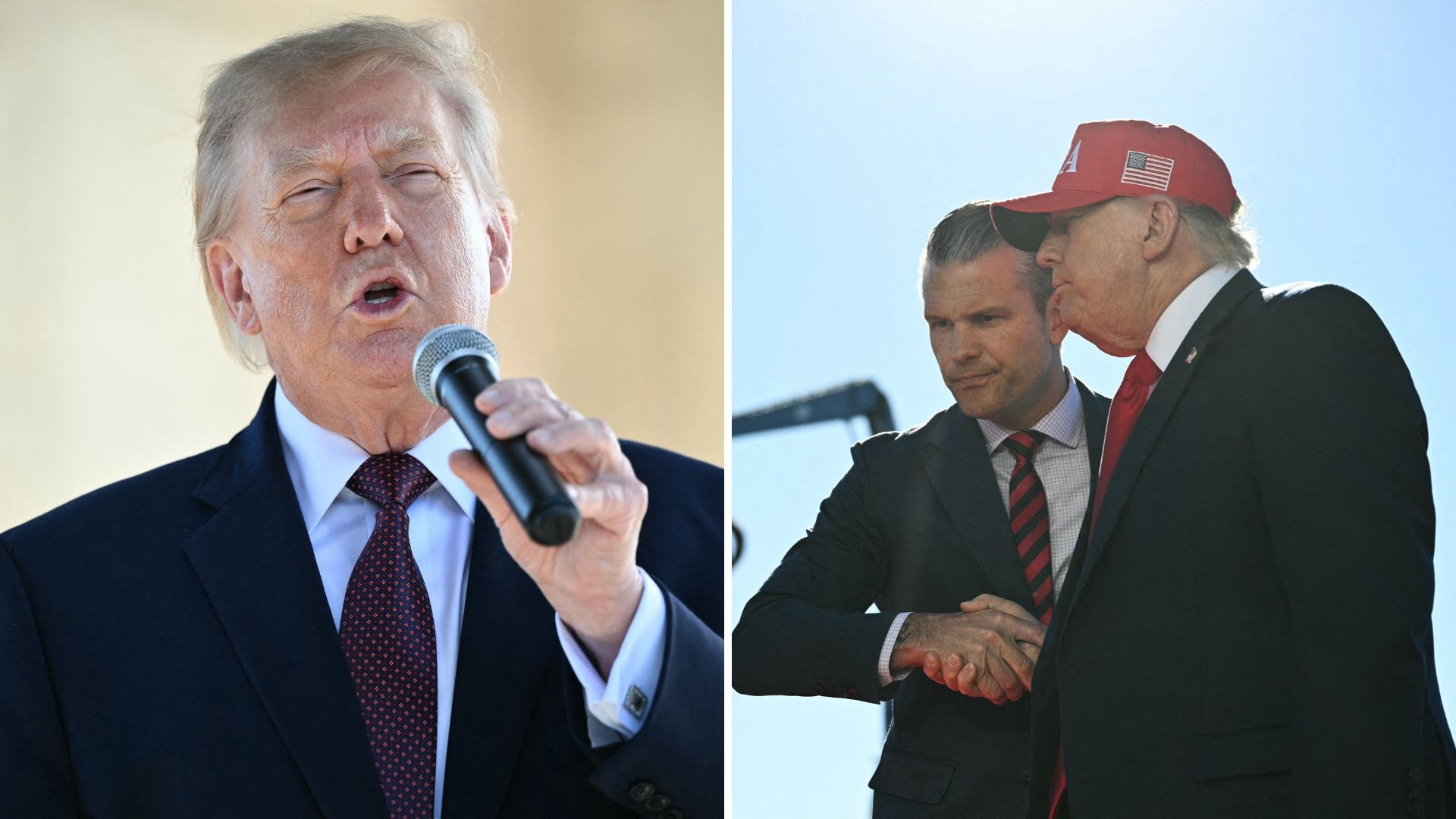
Trump Refuses to Take Responsibility for Midterms Sweep, Claims He Would Have Won «IN A LANDSLIDE»
-
Canada Refuses to Soften Trade Position After Democrats Sweep Midterm Elections in Major Blow to Trump