

/https%3A%2F%2Fcdn-tor.buminteractif.com%2F2026%2F03%2F17170148%2Fgaz-prince-surge-us-can-trump-oil-iran-getty-346534dfghd34534.jpg)
Gas prices across the United States and Canada have risen sharply in recent weeks as the conflict involving Iran continues to intensify, disrupting global oil markets and raising concerns about supply stability. The increase has been driven in part by escalating tensions in the Strait of Hormuz, a critical maritime chokepoint through which roughly a fifth of the world's oil supply passes. Reports of military activity, threats to shipping lanes and heightened security risks in the region have contributed to volatility in crude prices, pushing them above the $100 per barrel mark. The surge at the pump has been felt across North America, with consumers facing noticeably higher fuel costs compared to earlier in the year.
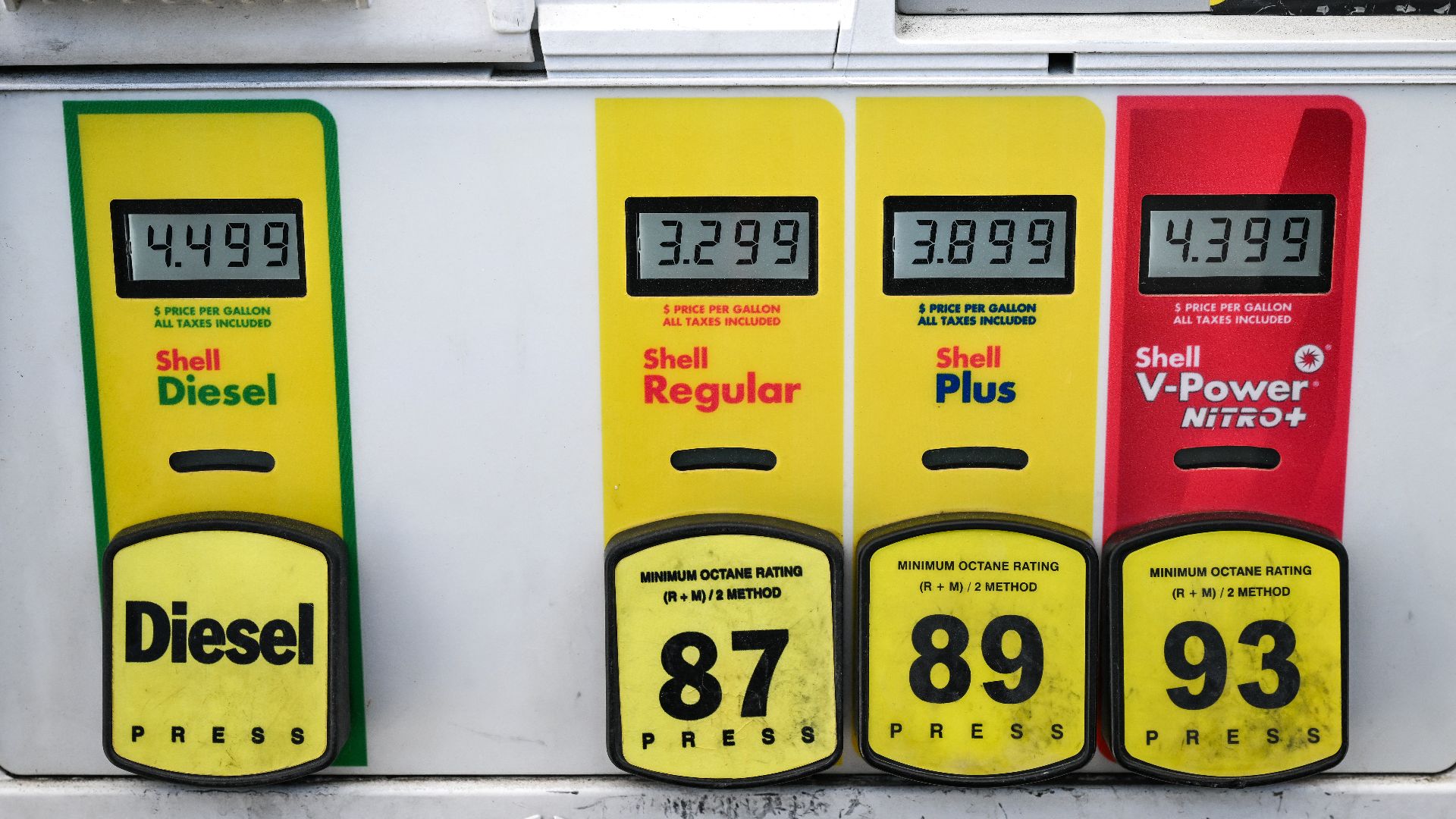
The situation in the Strait of Hormuz has become a central factor in the price spike, as the narrow waterway remains essential for global energy distribution. Any disruption or perceived threat in the region tends to trigger immediate reactions in oil markets. Recent developments, including reported attacks on vessels and increased military presence, have heightened fears of a prolonged disruption. Energy analysts have warned that even limited interference with shipping traffic can lead to significant price increases, as markets react not only to actual supply losses but also to the risk of further escalation in one of the world's most strategically important energy corridors.
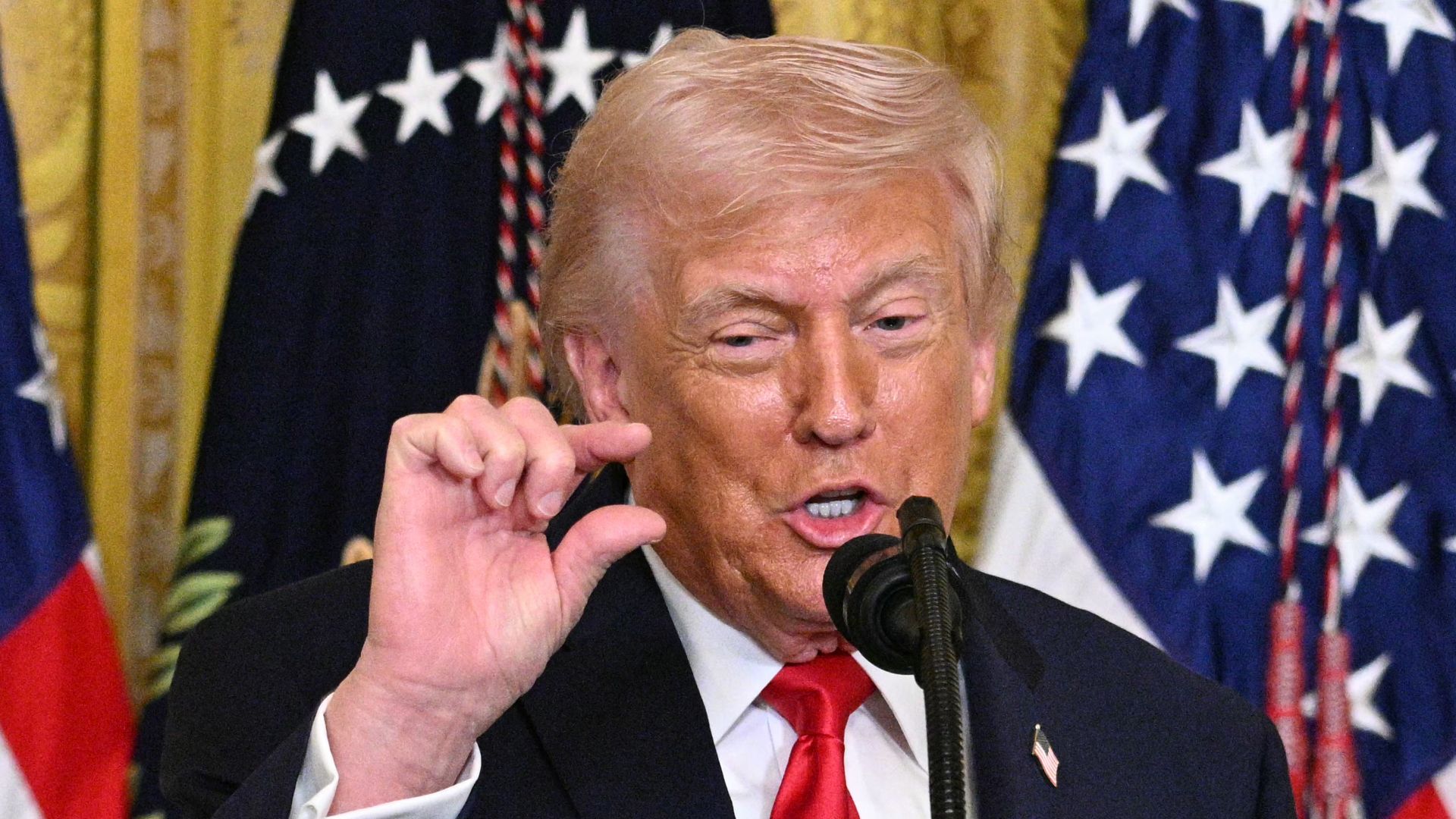
In response to the surge, several countries have attempted to stabilize markets by releasing oil from strategic reserves, in what officials described as one of the largest coordinated efforts in recent years. However, the impact has proven limited. While the release initially provided a temporary easing of prices, the effect quickly faded as geopolitical tensions continued to dominate market sentiment. Analysts have noted that reserve releases can offer short-term relief but are often insufficient to offset sustained supply concerns tied to ongoing conflict. As a result, fuel prices have resumed their upward trajectory despite these interventions
«The fact is, Iran is being decimated, and the only battles they “win” are those that they create through AI, and are distributed by Corrupt Media Outlets.»
-U.S. President Donald Trump
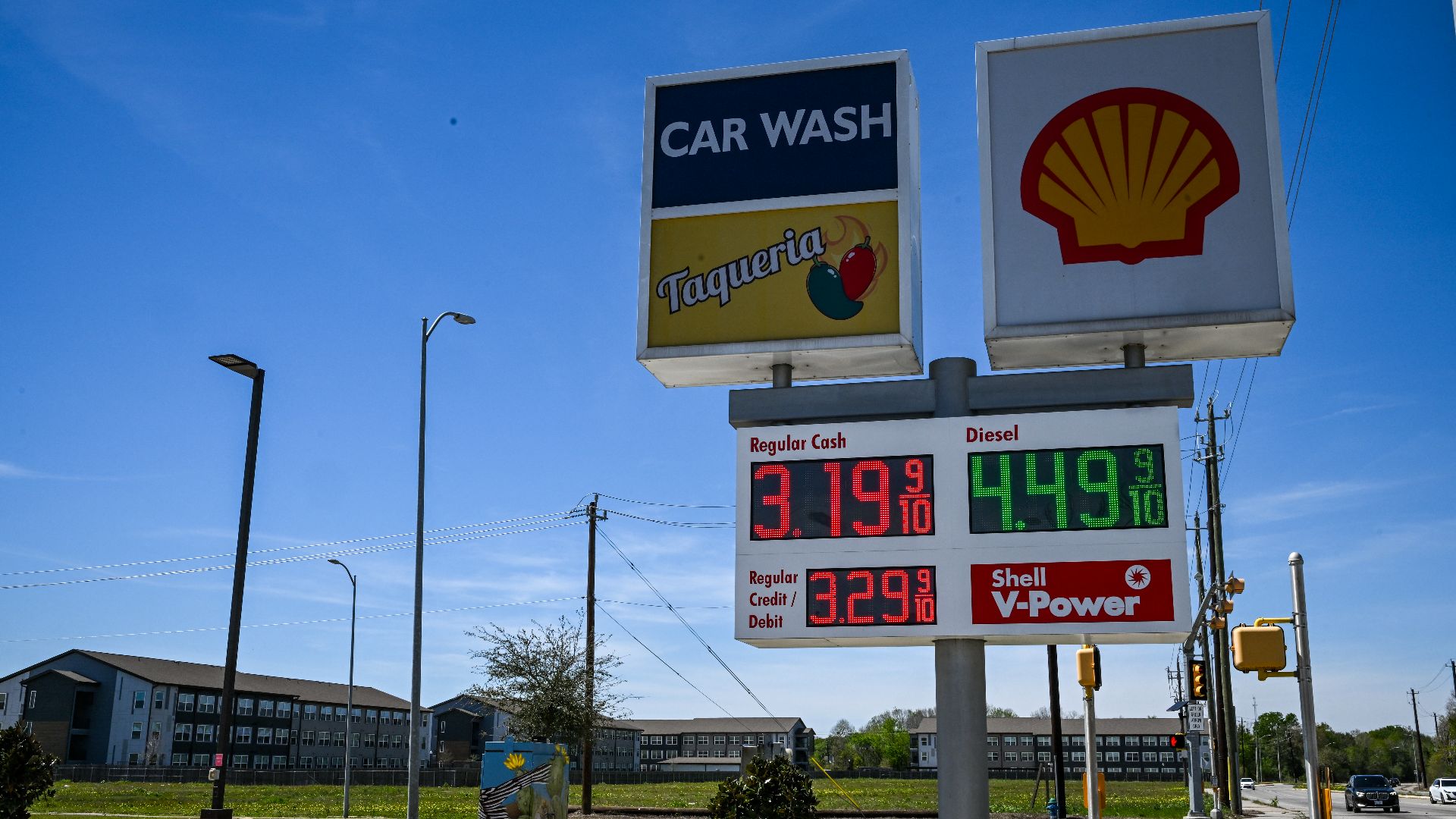
Current prices reflect that pressure on consumers. In the United States, the national average for gasoline has climbed to approximately $3.6 to $3.8 per gallon, marking one of the fastest increases since 2023. In Canada, prices have also risen significantly, with averages in several provinces exceeding 1.70 to 1.90 Canadian dollars per liter depending on the region. The current surge echoes the price increases seen in 2023, when fuel costs rose amid global supply constraints and post-pandemic demand recovery, though today's spike is more directly tied to geopolitical instability and concerns over potential disruptions in Middle Eastern oil flows.
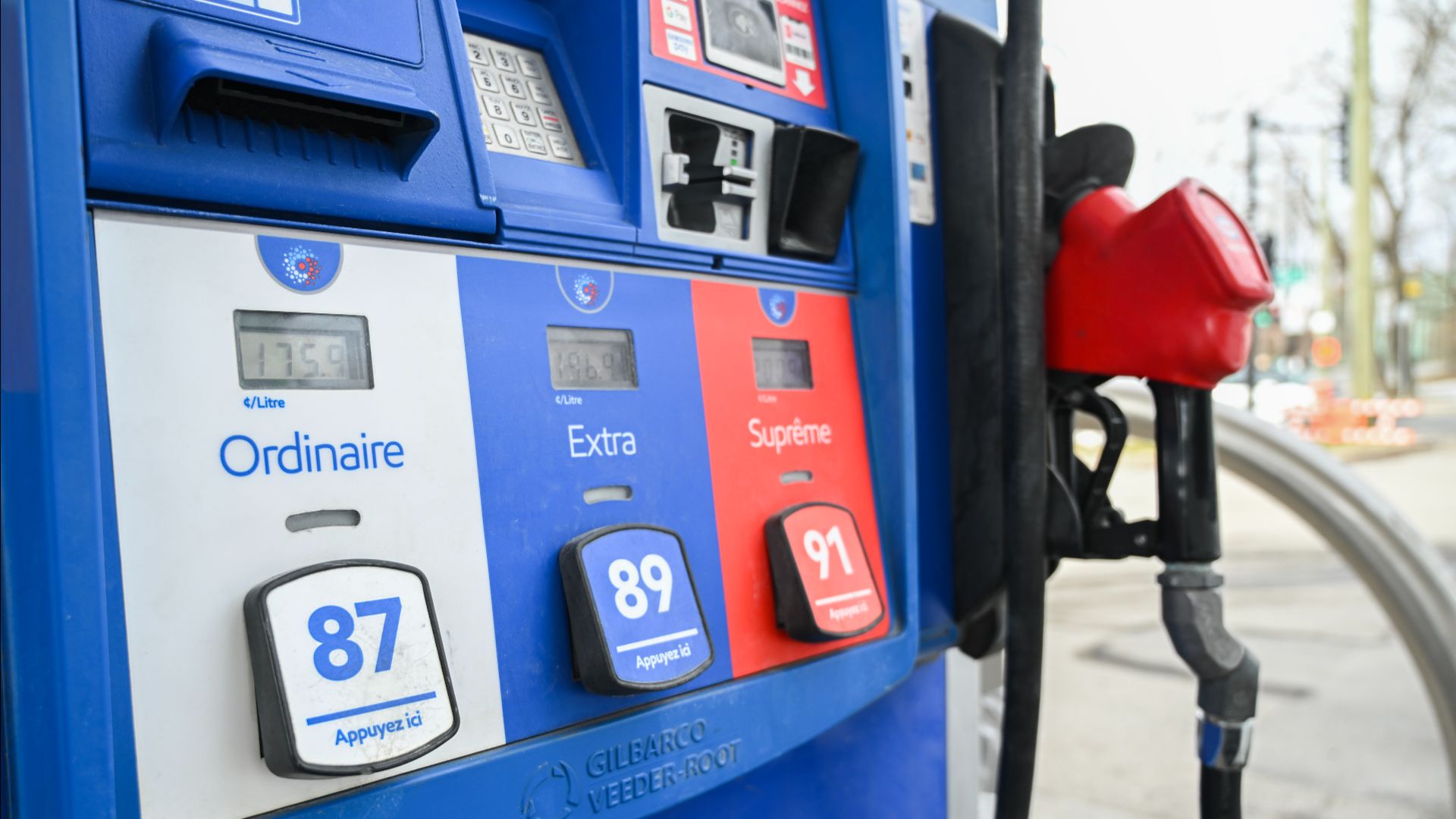
Officials within the Trump administration have attributed the price surge primarily to external factors linked to the conflict and broader global market dynamics. In recent remarks, Trump criticized media coverage of the situation while emphasizing what he described as underlying strength in U.S. energy production. «The fact is, Iran is being decimated, and the only battles they “win” are those that they create through AI, and are distributed by Corrupt Media Outlets,» Trump said, reiterating his view that reporting on the conflict has been misleading. Administration officials have also pointed to global supply disruptions as the main driver of rising prices rather than domestic policy decisions.

Energy experts continue to warn that the outlook remains uncertain as long as tensions persist in the region. The combination of military escalation, shipping risks and market speculation has created a volatile environment that could keep prices elevated in the near term. While some analysts expect fluctuations depending on developments in the conflict, others caution that any further escalation in the Strait of Hormuz could lead to additional spikes. For consumers in both the United States and Canada, the situation underscores the direct impact that geopolitical events can have on everyday costs, particularly when global energy supply chains are affected.
Created by humans, assisted by AI.
