

/https%3A%2F%2Fcdn-tor.buminteractif.com%2F2026%2F06%2F19182602%2FGettyImages-2281300911.jpg)
One of the world's most influential artificial intelligence researchers is raising concerns about Elon Musk's AI company as well as the broader economic position of the industry. Yann LeCun, a pioneering computer scientist whose work helped lay the foundations for modern AI, has stated that Musk's xAI is “kind of a failure” and warned that many of the industry's largest companies could be heading toward a financial reckoning. The comments, made during an interview with CNBC, come at a time when AI firms are spending tens of billions of dollars on data centres, computer chips and infrastructure while racing to develop increasingly powerful systems.
LeCun criticizes xAI's practices
LeCun's criticism focused less on technology and more on talent. According to the AI researcher, xAI struggles to attract and retain top engineers and scientists. He argued that many of the company's original leaders have left, and suggested that Musk's treatment of former team members has damaged the firm's reputation among researchers. In an industry where a relatively small number of elite engineers often determine the success of billion-dollar projects, LeCun argued that losing talent can be far more damaging than losing funding or market share.
Elon is now in a position where it's very, very difficult for him to hire top people in AI
Yann LeCun
The statement is the most recent development in the long-running feud between LeCun and Musk. For years, the two men have publicly disagreed about the future of artificial intelligence. Musk has repeatedly warned that advanced AI could pose an existential threat to humanity and has advocated for stronger safeguards and oversight. LeCun, meanwhile, has often dismissed apocalyptic predictions about artificial intelligence and argued that many fears surrounding the technology are exaggerated. Their disagreements have become some of the most visible debates within the AI community. Both men are engaging with broader debates over both the risks and opportunities associated with rapidly advancing technology.
xAI struggling
LeCun's comments arrive during a turbulent period for xAI. The company was launched by Musk in 2023 as a challenger to OpenAI, Google and Anthropic. Since then, however, the organization has experienced significant turnover among senior leadership and co-founders. Earlier this year, xAI was absorbed into SpaceX as part of a broader restructuring, with several more founding members departing during the transition. Industry observers have closely watched those departures because recruiting and retaining top researchers is widely regarded as one of the most important competitive advantages in the development of artificial intelligence, and xAI is failing.
xAI leasing infrastructure
LeCun also laid claim to another development that he claims is evidence of weakness in xAI. According to LeCun, xAI has leased portions of its computing infrastructure to external organizations to offset costs. Building and operating large-scale AI data centres has become one of the industry's biggest expenses, requiring enormous investments in processors, energy and cooling systems. While many technology companies have expanded their infrastructure in anticipation of future demand, xAI is leasing it out, leading some analysts to question whether current revenues can justify the level of spending across the sector.
Proof of the AI bubble?
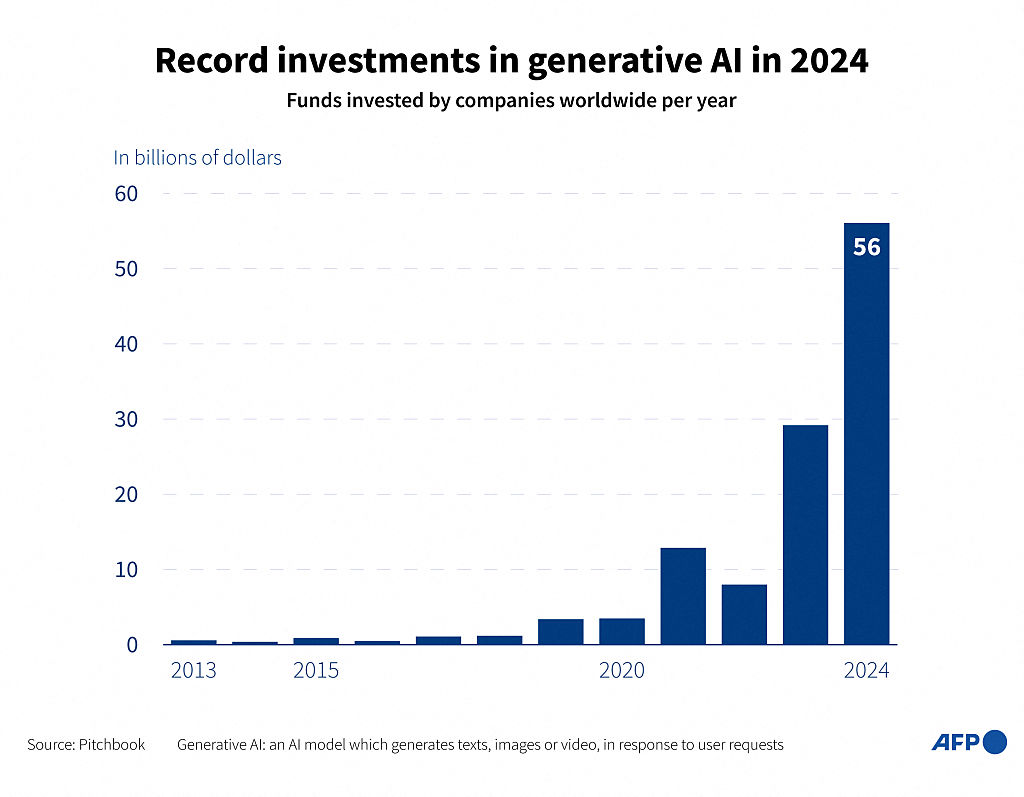
The concept of an AI bubble has become a growing topic of discussion among economists, investors, and technology executives. Over the past three years, companies have committed hundreds of billions of dollars toward AI infrastructure and development. Major firms, including OpenAI, Google, Anthropic, Meta and xAI, have engaged in an escalating competition to build larger models and more powerful computing systems. As these companies spend billions to expand as rabidly as possible, experts question whether AI's long-term role in society justifies the massive investments. It's unclear what role AI will play in the future, and with trillions being invested into the technology, if the world turns its back on AI, tens of billions of publicly traded dollars would be at risk of crashing. Additionally, the cost of these investments has not been remotely recouped. The investments are being made with the hope that eventually, AI will turn a profit.
Artificial intelligence continues attracting massive investments, and many industry leaders remain confident that revenues will eventually catch up with spending. At the same time, the challenges LeCun identified are becoming harder to ignore. Companies face mounting infrastructure costs, intense competition for talent and growing pressure from investors seeking returns. For Musk's xAI, the warning was especially direct. For the broader industry, however, LeCun's message may be consequential. If technological breakthroughs alone are not enough, the economics behind them may fail to add up, causing this massive bubble to burst.
