Investigation into the Biddeford Shooting: Timeline, Investigations, and Issues Regarding ICE Transparency


/https%3A%2F%2Fcdn-tor.buminteractif.com%2F2026%2F07%2F13174258%2FGettyImages-2285310898-1.jpg)
Summary: The shooting in Biddeford, Maine, involving agents from Immigration and Customs Enforcement (ICE) sent shockwaves through the local and national communities. At the heart of the concerns are the lack of body camera footage, the speed with which the use of force led to a death, and the timing of the incident, which coincided with another fatal operation in Houston. This article details the apparent timeline of events, the ongoing investigations, conflicting accounts, political reactions, and the longer-term implications for the governance and accountability of federal law enforcement.
The Timeline and Initial Findings
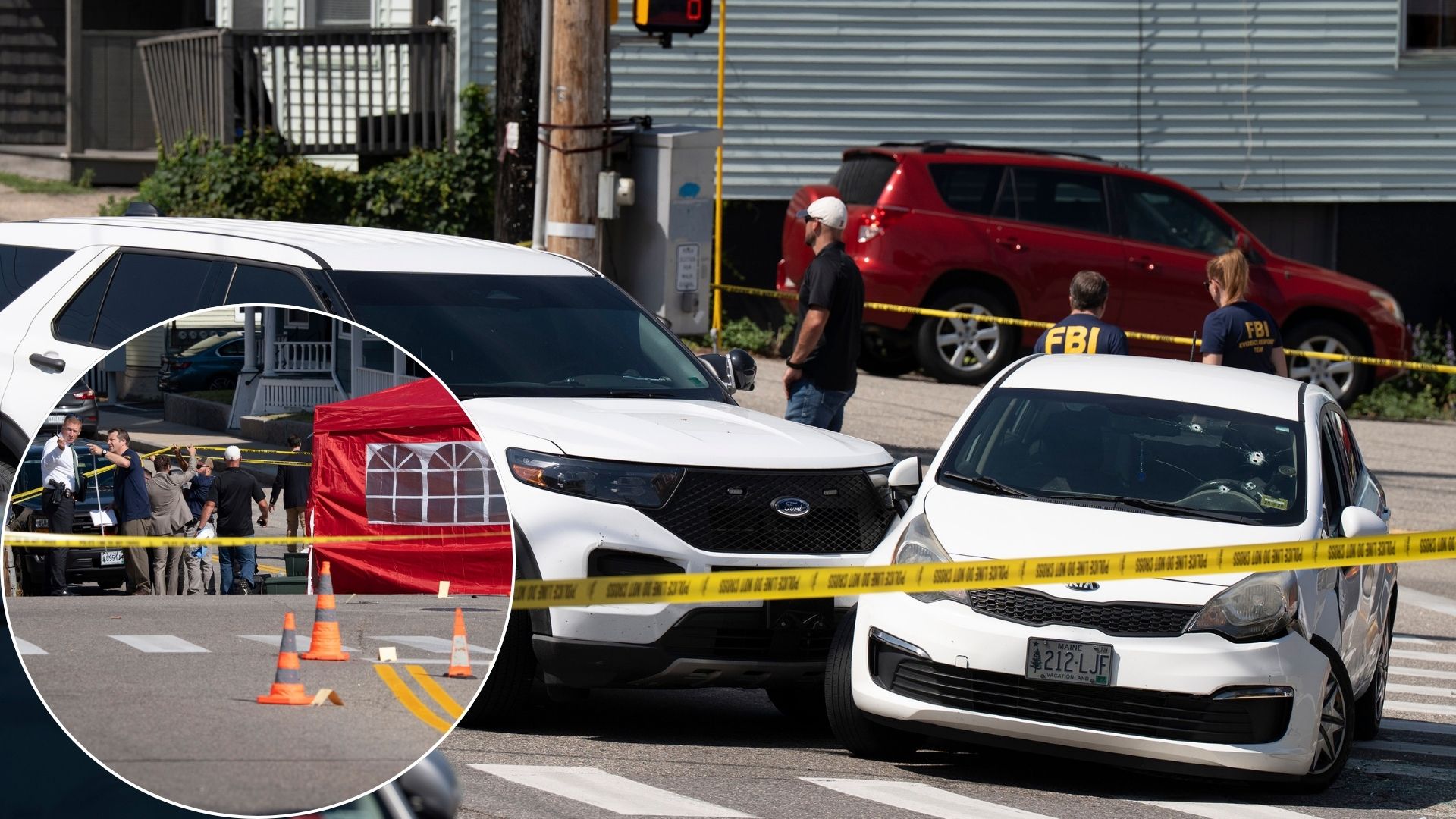
Early in the morning on July 13, an operation by ICE agents to apprehend individuals led to a confrontation at an intersection in Biddeford. Several witnesses described a chaotic scene: an unmarked vehicle and agents in tactical gear surrounding a white sedan, followed by a sequence in which shots were fired. The victim, a young man whose identity was publicly confirmed by the group Project Relief, died at the scene. Prosecutors and law enforcement officials immediately announced the launch of joint investigations to shed light on the exact circumstances.
Eyewitness Accounts and Lack of Video Evidence
Residents are providing detailed but sometimes conflicting accounts of the confrontation. One witness mentioned hearing the person say, “I tried to stop,” while others described an attempt by an unmarked vehicle to ram the sedan. Fundamentally, the absence of body cameras worn by the officers involved poses a major obstacle to a clear and indisputable reconstruction of the events. The lack of official video footage forces investigators to rely on witness accounts, forensic evidence, and any available surveillance footage to establish the chronology of events.
Multiple Investigations and Coordination
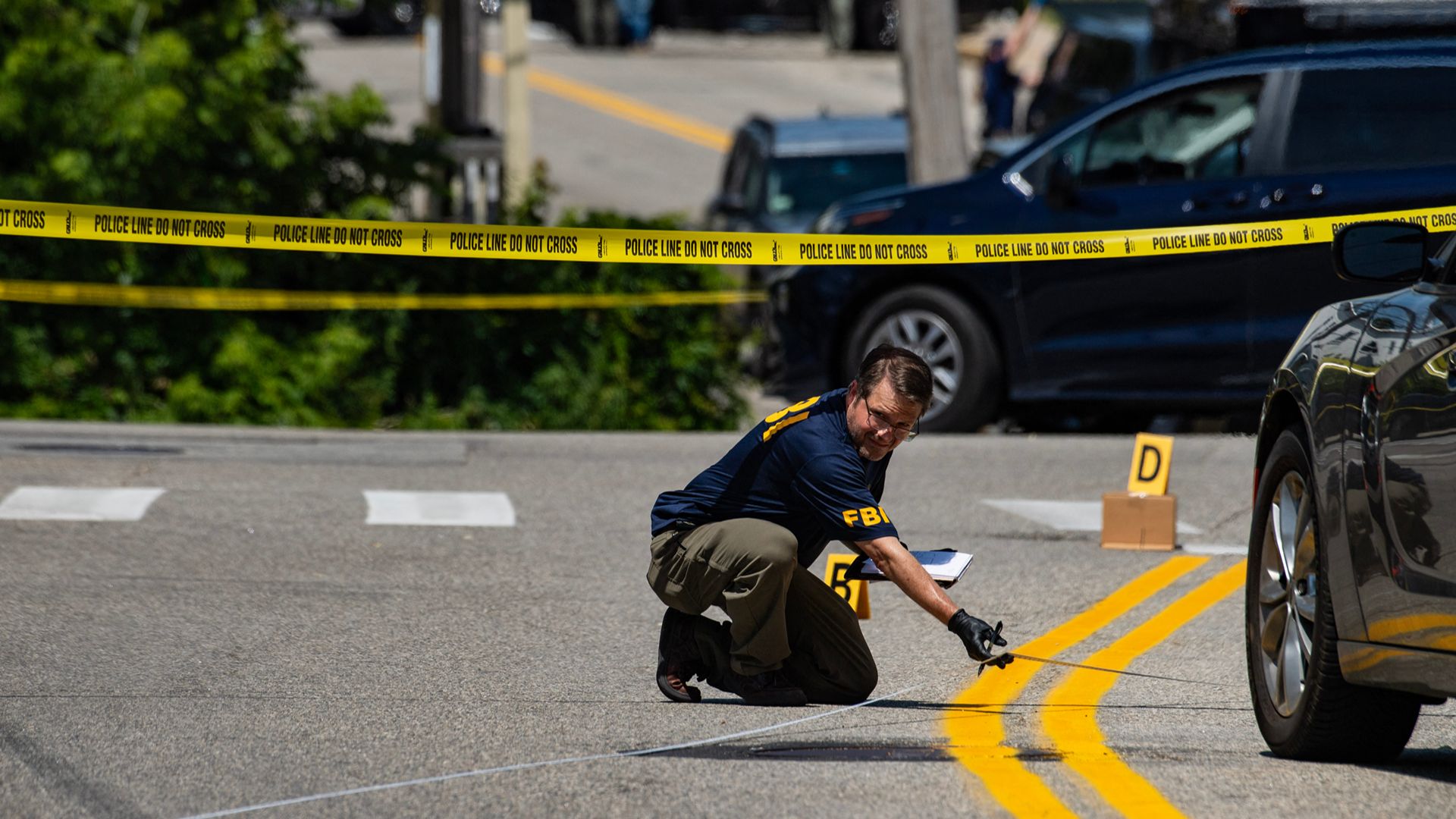
Several agencies have been called in: the FBI, the Maine State Police, and the Maine Attorney General's Office. This involvement of multiple agencies can be seen as a guarantee of independence, but it also requires careful coordination to avoid duplication of efforts and ensure that evidence is handled consistently. The FBI often steps in for sensitive federal investigations, while the State Police handle the local management of the crime scene and the initial collection of evidence. The Attorney General, for his part, will assess the legal aspects and decide whether to pursue charges.
National Context: Why This Case Matters
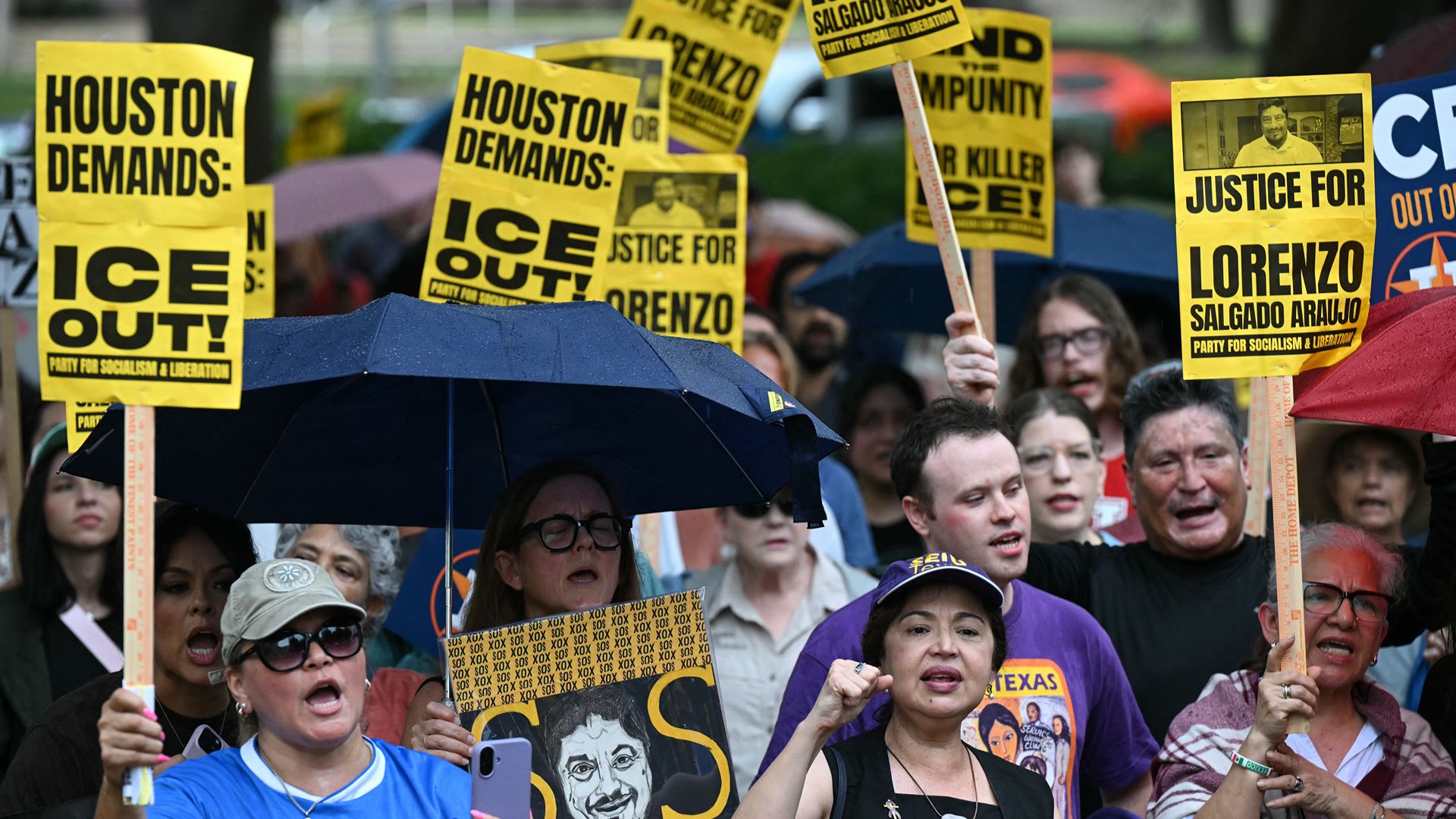
The Biddeford shooting is not an isolated incident: it comes shortly after another controversial operation in Houston, where a laborer was shot and killed under circumstances that remain disputed. These closely spaced events have intensified scrutiny of ICE, raising questions about targeting procedures, de-escalation training, and agents' equipment for visual documentation. Civil rights advocates are calling for structural reforms, including the systematic use of body cameras, transparency protocols, and more robust external oversight mechanisms.
Political and Social Reactions
Local and national elected officials quickly condemned the incident and called for strong responses. Some Maine representatives are questioning why ICE operates in certain areas, while others are calling for a full and transparent investigation. Community organizations are demanding accountability and stronger safeguards to prevent field operations from resulting in loss of life. These reactions are fueling a broader debate over immigration policy priorities and how federal operations should be monitored.
Implications and Outlook
In the short term, the results of the investigations will determine potential criminal or disciplinary liability and influence local communities' trust in institutions. In the longer term, this case could accelerate reforms regarding equipment (body cameras), de-escalation training, and independent oversight of federal operations. How authorities communicate the findings and implement the recommendations will be essential to restoring trust and preventing future tragedies.
Conclusion: The Biddeford case is still under investigation, but it already highlights structural issues surrounding transparency, accountability, and ICE's operational practices. The coming weeks should bring more concrete details; in the meantime, community mobilization and the vigilance of investigative bodies will remain crucial to ensuring a clear and fair response.
