

/https%3A%2F%2Fcdn-tor.buminteractif.com%2F2025%2F12%2F03203403%2Fisrael-gaza-r4394gdf.jpg)
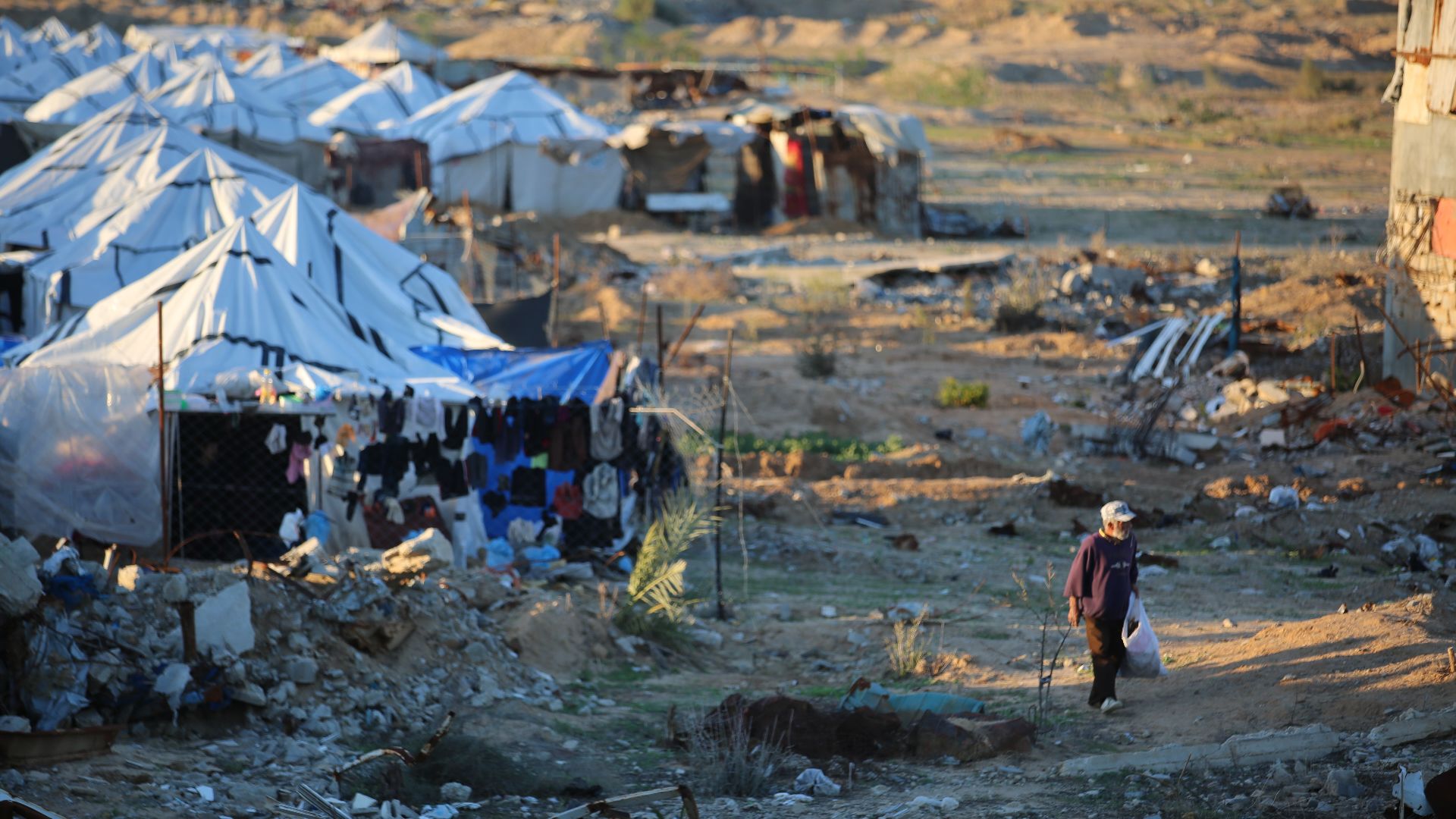
Israel says it will begin allowing Palestinians to leave Gaza «in the coming days,» but the move falls far short of a full reopening of the Rafah border crossing. According to Israeli officials, only a narrow group of people — primarily the wounded, urgent medical cases, and others cleared on restricted humanitarian lists — will be permitted to exit. The announcement has fueled confusion among residents hoping for broader relief, yet both Israel and Egypt have made clear that normal cross-border movement remains off the table for now. Instead of a return to pre-war operations, the opening will function more as a tightly controlled humanitarian corridor, leaving the vast majority of Gazans unable to leave despite the headline of a “reopening.”
Israeli officials have framed the move as part of the ceasefire arrangements around Gaza, saying that the Rafah crossing will be used to facilitate humanitarian cases in coordination with Egypt and international partners. Cairo, for its part, has signaled that it will cooperate on evacuations for the wounded and gravely ill but continues to reject any arrangement that would turn Sinai into a long-term destination for displaced Gazans. Humanitarian organizations and UN agencies point out that tens of thousands of people in Gaza are in need of urgent medical treatment or evacuation, far beyond the limited numbers likely to be approved under the current mechanism. For them, Israel's promise to let some Palestinians leave Gaza «in the coming days» underscores how tightly controlled and exceptional these exits will remain, rather than marking a real restoration of freedom of movement.
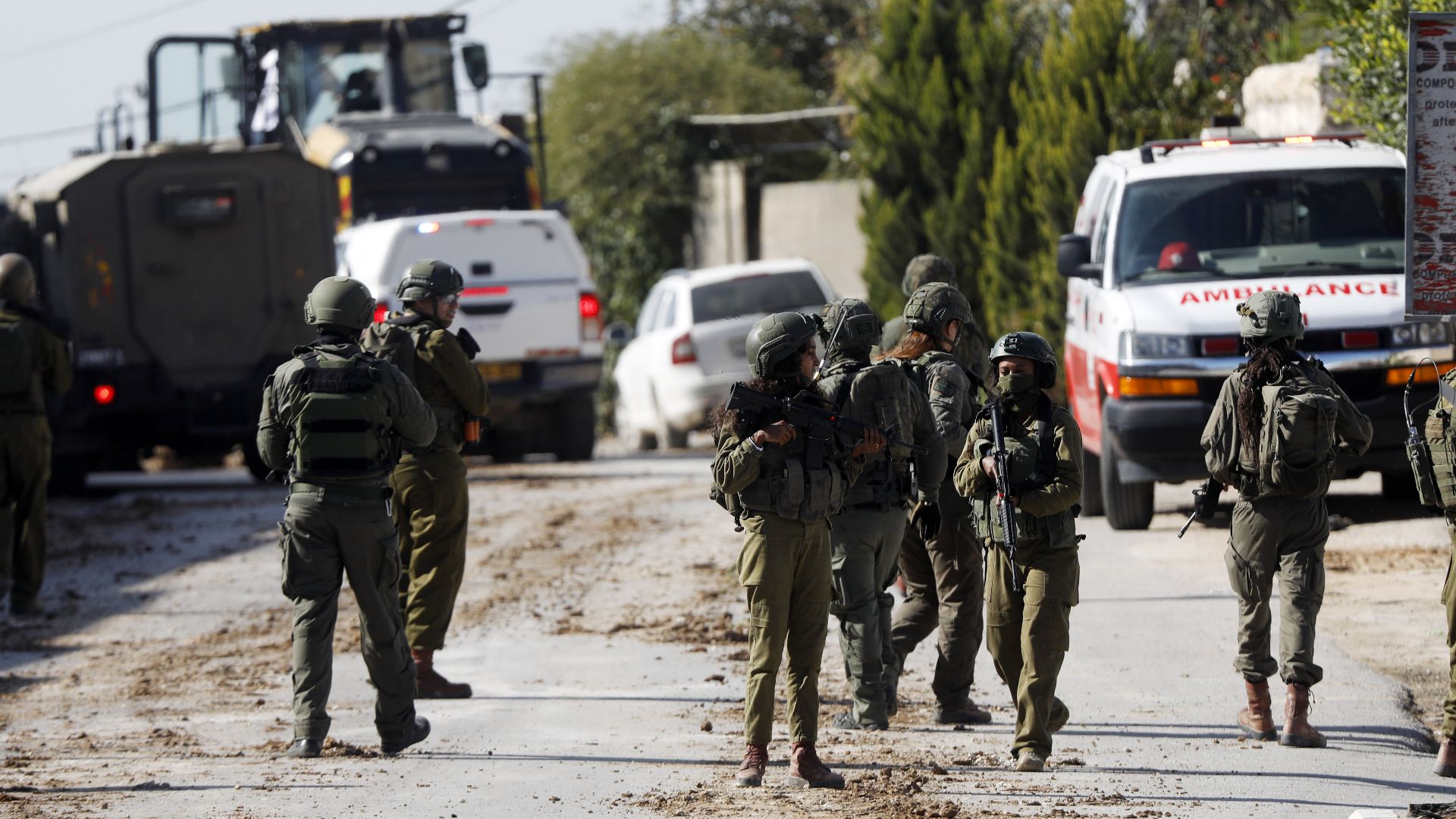
Egypt's response undercut Israel's framing almost immediately. While COGAT publicly said Rafah would reopen “in the coming days” for Palestinians to exit Gaza into Egypt under joint oversight with Cairo and the European Union, the Egyptian government flatly denied that any such coordination was underway. In a statement issued on Wednesday, Egypt's state information service said it was not currently working with Israel to reopen the crossing and reminded all parties that, under the October ceasefire terms, Rafah is supposed to operate in both directions, not just as a one-way outlet for people leaving Gaza. That public rejection exposed a sharp gap between Israeli announcements and Egyptian policy, and cast further doubt on how, when, and under whose terms the crossing might actually function again.
No long-term resolution
Over the past several months, the situation between Israel and Gaza has been defined by cycles of intense fighting, shifting ceasefires, and growing humanitarian collapse inside the enclave. After Israel's expanded military operations earlier in the year, large areas of Gaza were left severely damaged, with the population facing shortages of food, water, medical supplies, and power. Ceasefire negotiations, backed at various moments by the United States, Egypt, Qatar, and later the Trump administration, produced temporary pauses but no long-term resolution, as disputes over hostages, border control, and post-war governance repeatedly stalled progress. Israeli forces maintained tight restrictions on movement in and out of Gaza, while humanitarian agencies warned that the enclave's health system was nearing breakdown and that tens of thousands of civilians required urgent evacuation or medical care. Against this backdrop, the question of reopening key crossing points — especially Rafah — has become a central point of contention, reflecting both the fragile nature of the current ceasefire and the unresolved political struggle over Gaza's future.
This content was created with the help of AI.
