

/https%3A%2F%2Fcdn-tor.buminteractif.com%2F2026%2F05%2F05184903%2Fbezos-met34-534gdfgdgetty436545.jpg)
This year's Met Gala celebration was disrupted for billionaire Jeff Bezos, the event's lead sponsor, and his wife Lauren Sánchez Bezos, both serving as honorary chairs for the high-profile fundraiser. Bezos was forced to avoid the red carpet as large protests erupted outside the Metropolitan Museum of Art in Manhattan. Demonstrators gathered to denounce the Amazon founder, while activist campaigns targeted his business practices. The situation created an unusual backdrop for one of fashion's most closely watched nights, shifting attention away from celebrity arrivals and toward the growing backlash surrounding one of the event's most prominent figures.
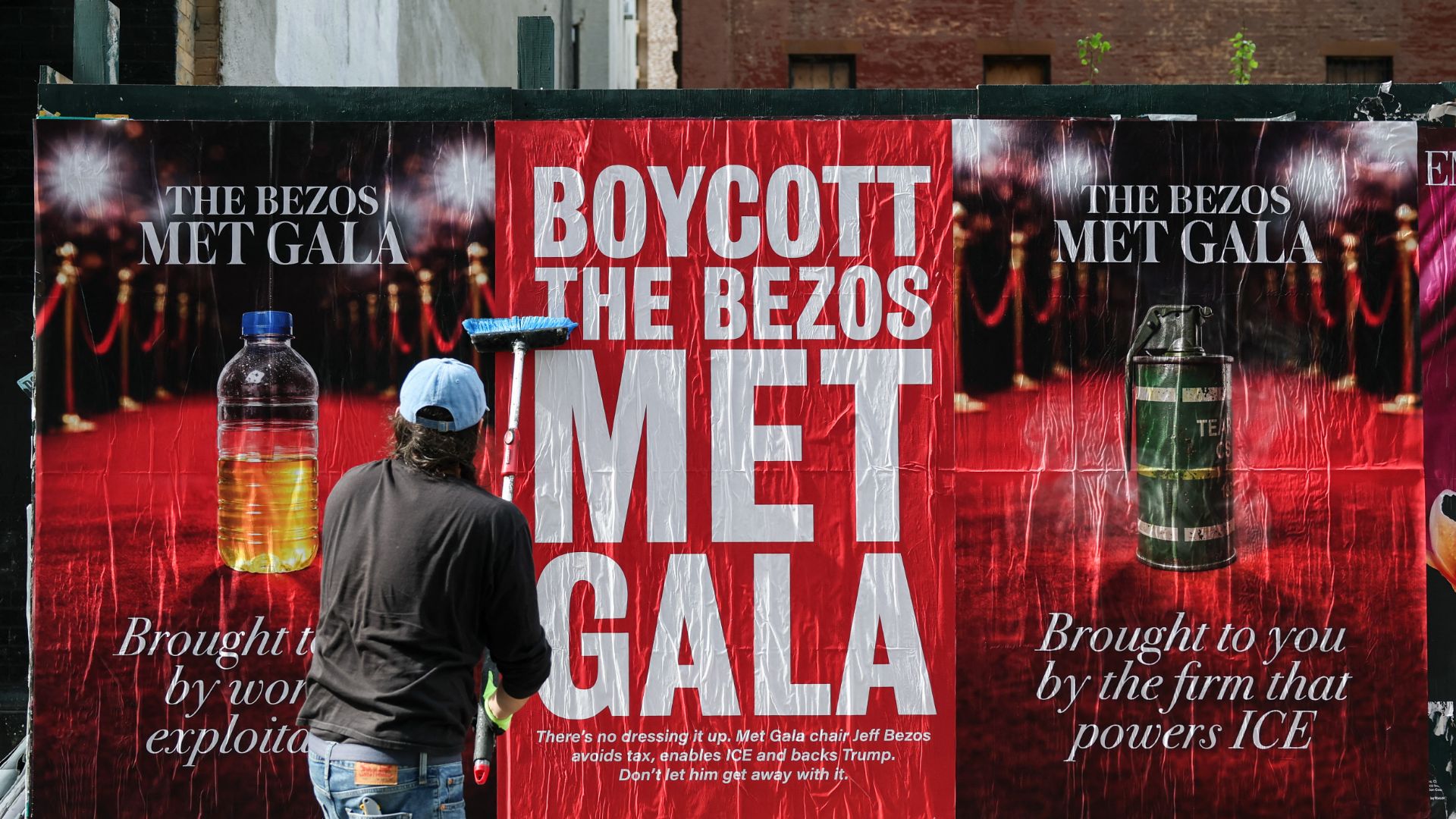
Critics and activists focused their protests on longstanding concerns over Amazon's labor practices, particularly warehouse working conditions. A provocative art installation placed near the venue featured hundreds of miniature bottles of fake urine, symbolizing reports that workers had skipped bathroom breaks to meet productivity targets. The display drew significant attention from both attendees and passersby, amplifying criticism already circulating online. Protest organizers used the installation as a visual statement to highlight what they described as systemic issues within Amazon's operations and to bring those concerns directly to one of the most visible cultural events of the year.
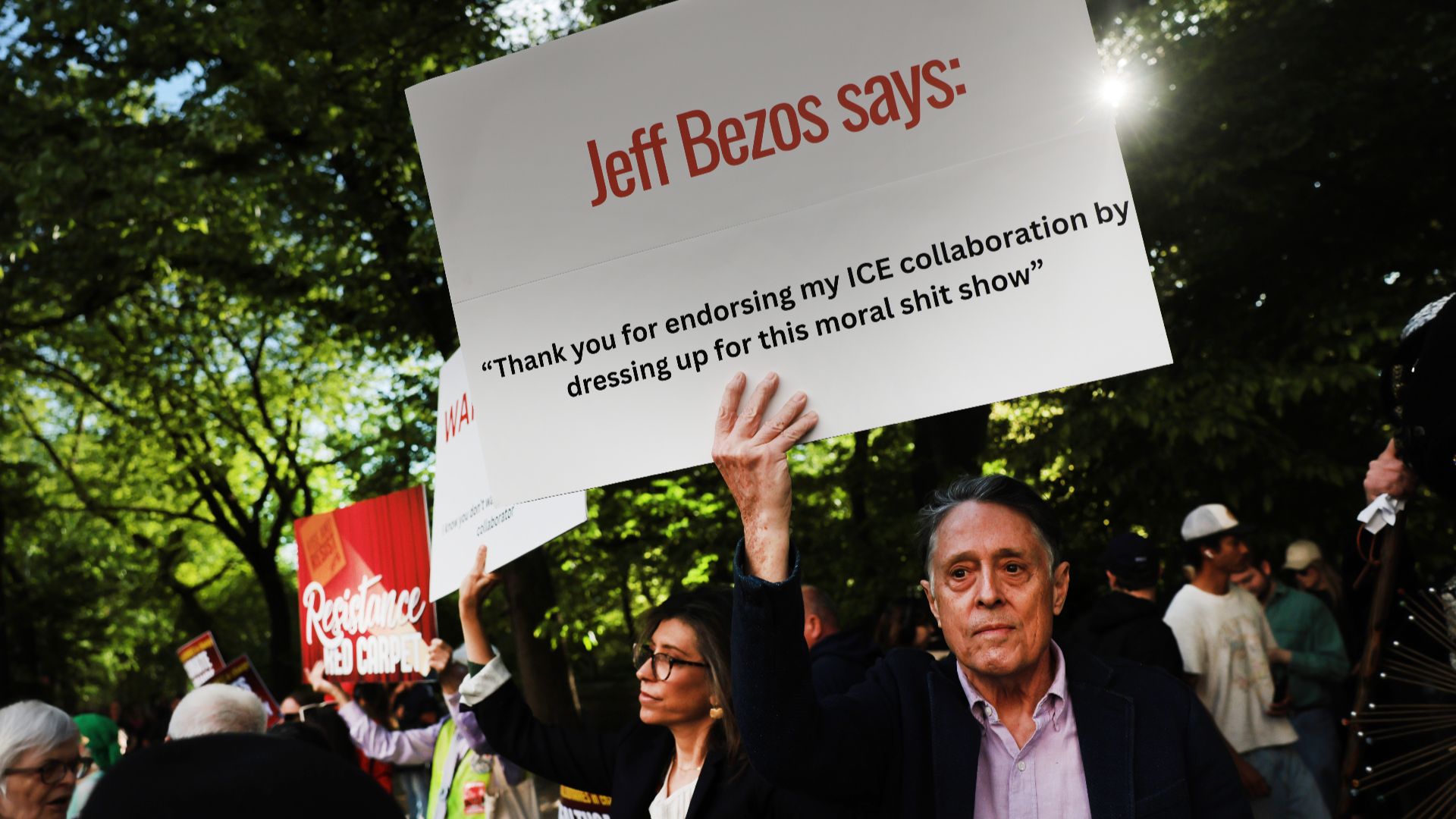
Beyond the museum grounds, the «Boycott the Bezos Met Gala» campaign expanded its presence across the city, projecting messages onto nearby buildings and drawing additional crowds to the protest sites. Demonstrators gathered close to the red carpet entrance, chanting and holding signs that criticized Bezos' financial involvement in the event. Some protesters described the $10 million sponsorship as «charity grifting», arguing that high-profile philanthropy should not overshadow labor-related controversies. The scale of the demonstrations underscored how the Met Gala, typically centered on fashion and celebrity, had become a focal point for broader social and economic debates.
The backlash appeared to have ripple effects within the entertainment industry, with reports indicating that several high-profile celebrities chose not to attend the event. While organizers did not publicly link absences to the protests, the timing and context fueled speculation that some figures sought to distance themselves from the controversy. The Met Gala has increasingly become a platform where cultural visibility intersects with political and social messaging, and this year's tensions highlighted the challenges faced by public figures navigating high-profile associations in a polarized environment.
Out of public view
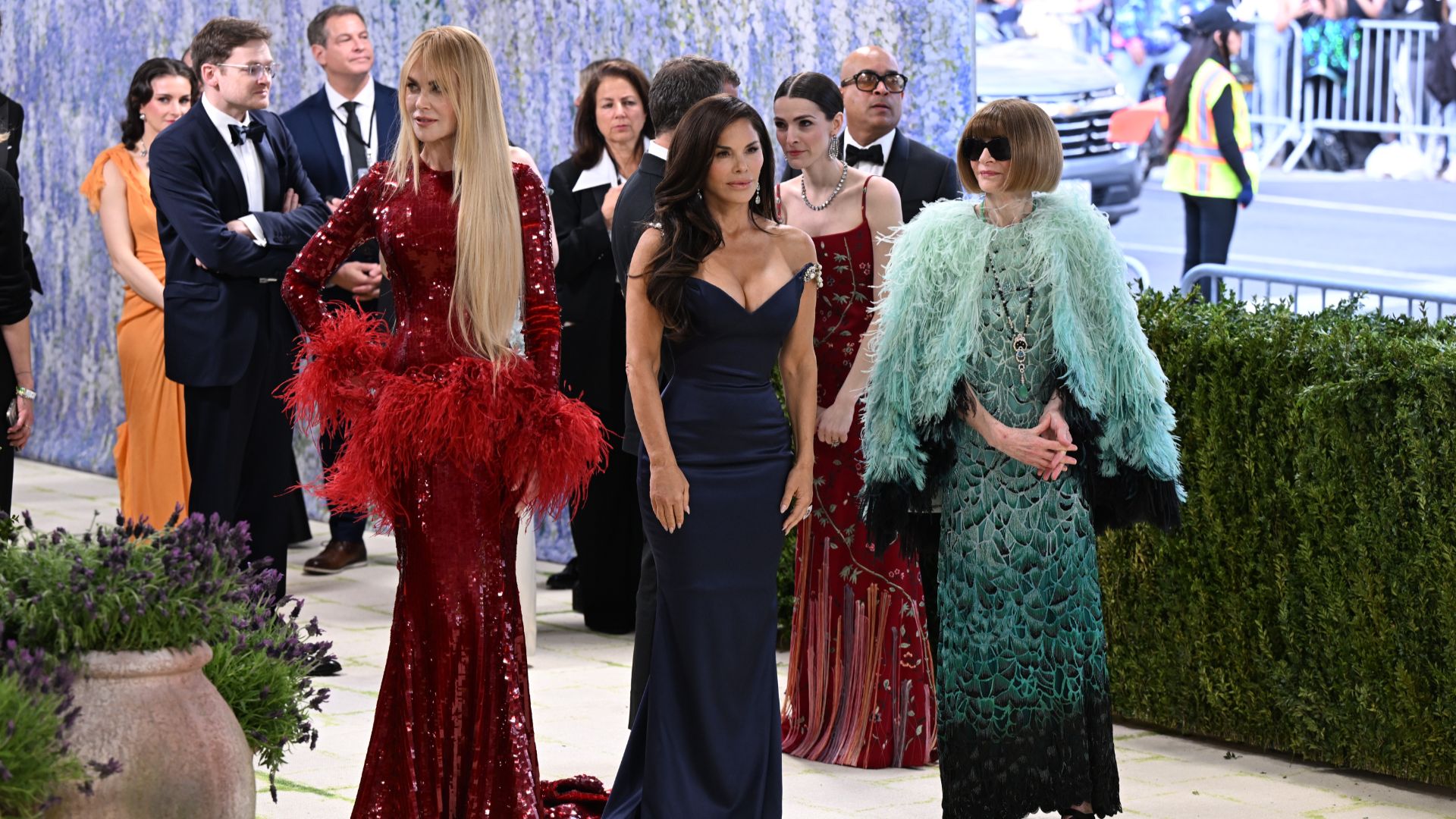
Despite his role as honorary co-chair, Bezos did not appear on the iconic Met Gala red carpet, instead opting to enter the venue through a private access point. His absence stood in contrast to his wife's public appearance, as Lauren Sánchez Bezos walked the steps alone in a navy-blue Schiaparelli couture gown inspired by the «Madame X» portrait. She paused for photographers and completed the traditional red carpet appearance solo, maintaining the event's formal expectations while her husband remained out of public view amid the ongoing demonstrations outside.
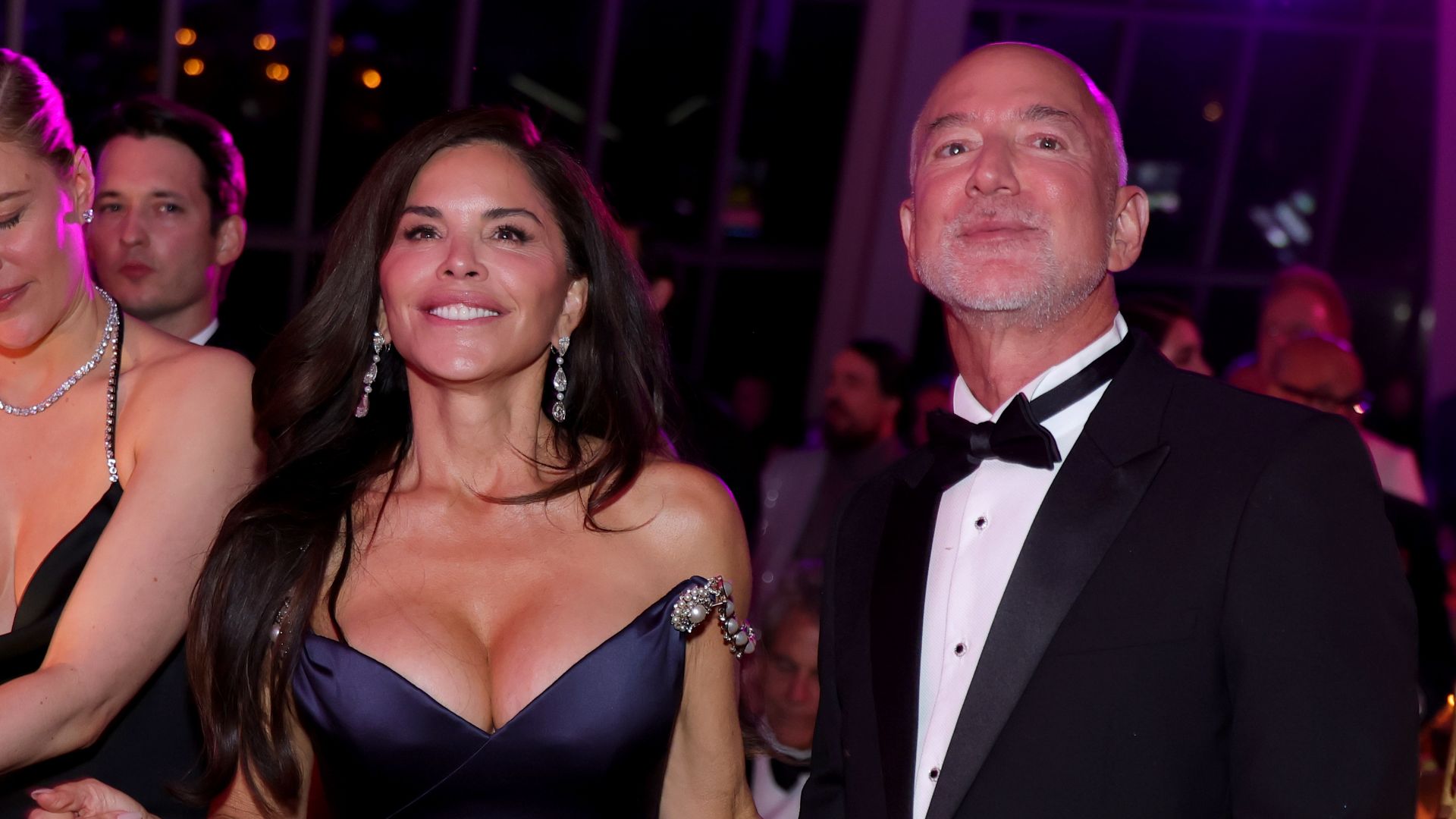
Inside the museum, however, the couple was later seen together during the gala dinner, where photographers captured them seated at their table and sharing a moment during the evening. The contrast between Bezos' absence from the red carpet and his presence inside the event reflected the unusual circumstances surrounding this year's gala. As protests continued to draw attention beyond the venue, the evening ultimately became defined not only by fashion and celebrity, but also by the broader public scrutiny facing one of the world's most visible business figures.
Created by humans, assisted by AI.
