

/https%3A%2F%2Fcdn-tor.buminteractif.com%2F2026%2F04%2F01175229%2Ftrump-npr-pbs-getty-345gdfgd.jpg)
A federal judge has blocked Donald Trump's executive order aimed at cutting federal funding for NPR and PBS, marking a major legal setback for one of the administration's most aggressive media policies. The ruling, issued by U.S. District Judge Randolph Moss, found that the order violated constitutional protections, halting its implementation as legal challenges continue. The decision follows lawsuits filed by both NPR and PBS, which argued that the move was unlawful and politically motivated, setting the stage for a broader confrontation over press freedom and executive authority.
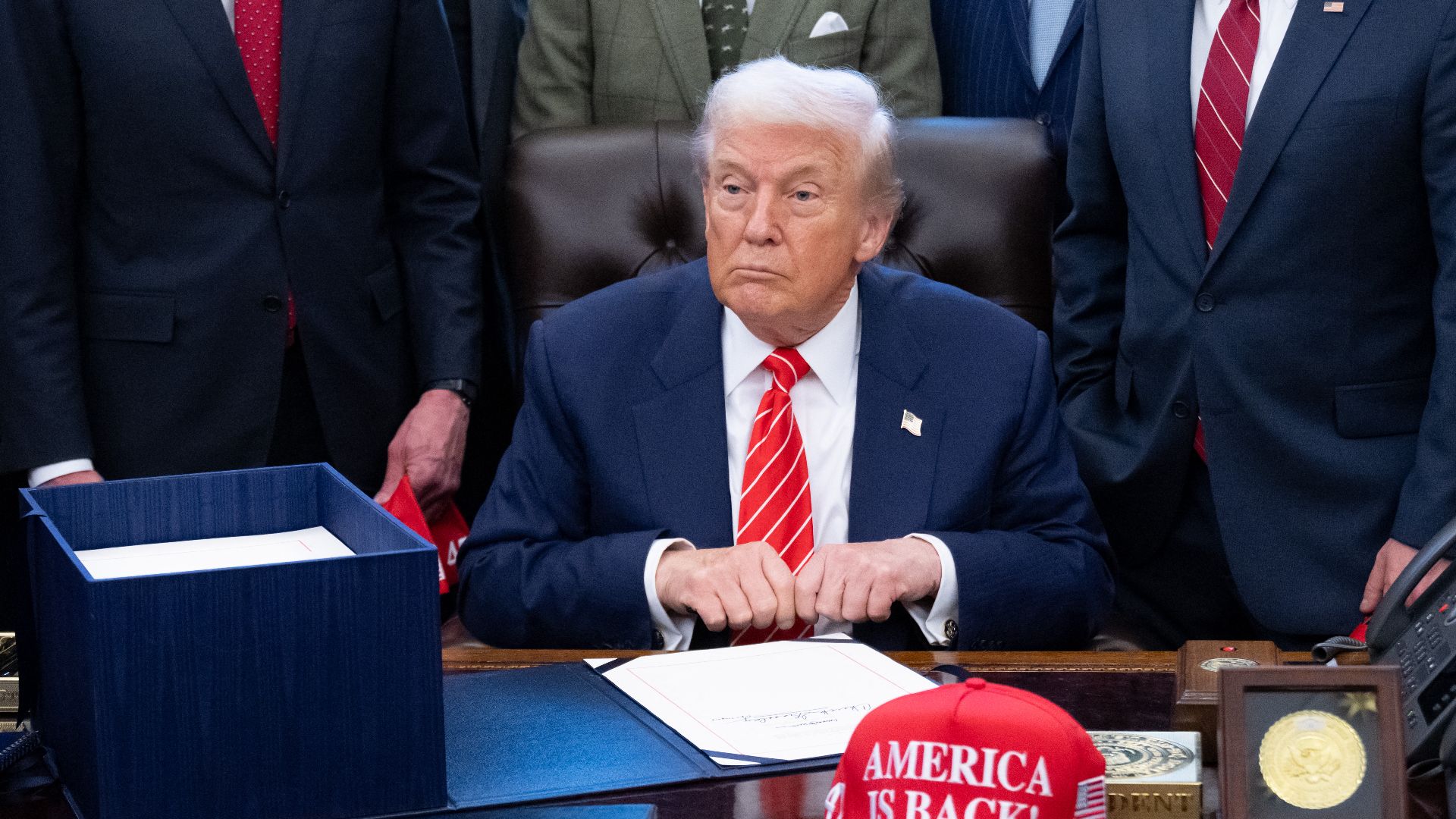
The conflict stems from a broader effort by the administration and Congress to claw back previously approved federal funding. Lawmakers formally passed a rescissions package targeting $9 billion in spending, including approximately $1.1 billion allocated to public broadcasting. Public media executives warned that such cuts could have far-reaching consequences, particularly for smaller stations that rely heavily on federal support. According to industry leaders, dozens of local NPR and PBS affiliates could be forced to shut down if the funding reductions were implemented.
«NPR and PBS need not apply for any federal benefit because the President disapproves of their “left-wing” coverage of the news.»
-U.S. District Judge, Randolph Moss
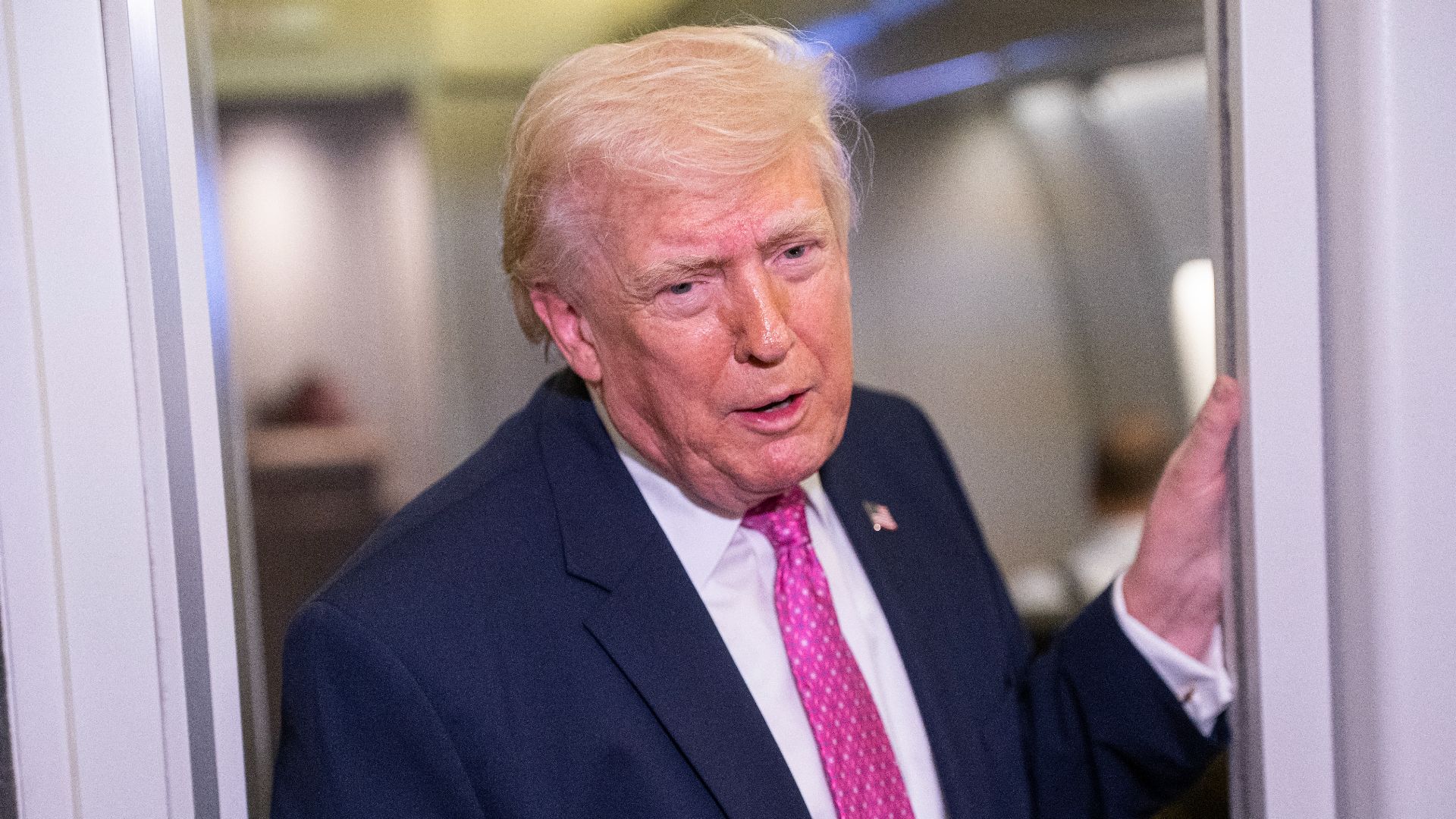
Trump defended the cuts in strong terms following congressional approval, framing them as long overdue. In a post on Truth Social, he wrote: «HOUSE APPROVES NINE BILLION DOLLAR CUTS PACKAGE, INCLUDING ATROCIOUS NPR AND PUBLIC BROADCASTING, WHERE BILLIONS OF DOLLARS A YEAR WERE WASTED. REPUBLICANS HAVE TRIED DOING THIS FOR 40 YEARS, AND FAILED….BUT NO MORE. THIS IS BIG!!!» The statement reflected the administration's position that public media funding represents unnecessary government spending and ideological bias.
In response, NPR and PBS filed legal challenges, arguing that the executive order violated constitutional protections. NPR stated in its filings that «the executive order flagrantly violates NPR and its member stations' First Amendment rights», while PBS argued that the move amounted to «blatant viewpoint discrimination and an infringement of PBS and PBS Member Stations' private editorial discretion». Both organizations emphasized that federal funding supports essential public services, including local journalism, education and emergency communications.
In his ruling, Judge Moss delivered a pointed critique of the administration's approach, concluding that the order constituted unconstitutional retaliation against media organizations. «The message is clear,» he wrote. «NPR and PBS need not apply for any federal benefit because the President disapproves of their “left-wing” coverage of the news.» He further stated that the policy amounted to «viewpoint discrimination», reinforcing the principle that government funding decisions cannot be used to penalize organizations based on their editorial stance.
«HOUSE APPROVES NINE BILLION DOLLAR CUTS PACKAGE, INCLUDING ATROCIOUS NPR AND PUBLIC BROADCASTING, WHERE BILLIONS OF DOLLARS A YEAR WERE WASTED. REPUBLICANS HAVE TRIED DOING THIS FOR 40 YEARS, AND FAILED….BUT NO MORE. THIS IS BIG!!!»
-U.S. President, Donald Trump on Truth Social
Following the decision, NPR and PBS welcomed the ruling as a critical victory for public media. Both organizations stressed the importance of preserving funding that supports access to information and educational programming across the country. The case is expected to continue, with broader implications for the limits of executive power and the future of public broadcasting in the United States. As legal proceedings move forward, the outcome could shape how federal funding is allocated to media organizations for years to come.
Created by humans, assisted by AI.
