Key Epstein Documents On Trump Involving 14 Year-Old Accuser Missing From Public Release


/https%3A%2F%2Fcdn-tor.buminteractif.com%2F2026%2F02%2F26155851%2Fepstein-getty-3453453.jpg)
Several major media outlets, including The New York Times, NPR and the Associated Press, have reported that key federal records tied to a woman who contacted investigators in 2019 are missing from the Justice Department's public Epstein database. The woman came forward during Donald Trump's first term, shortly after Jeffrey Epstein's July 2019 arrest on federal sex trafficking charges, alleging that she had been sexually assaulted by both Epstein and Trump decades earlier when she was 14 years old. According to reporting based on internal discovery logs and document indexes, the FBI interviewed her multiple times in 2019. However, only one interview summary appears in the public release, while additional interview reports referenced in official logs are not included, raising questions about whether the disclosure is complete.
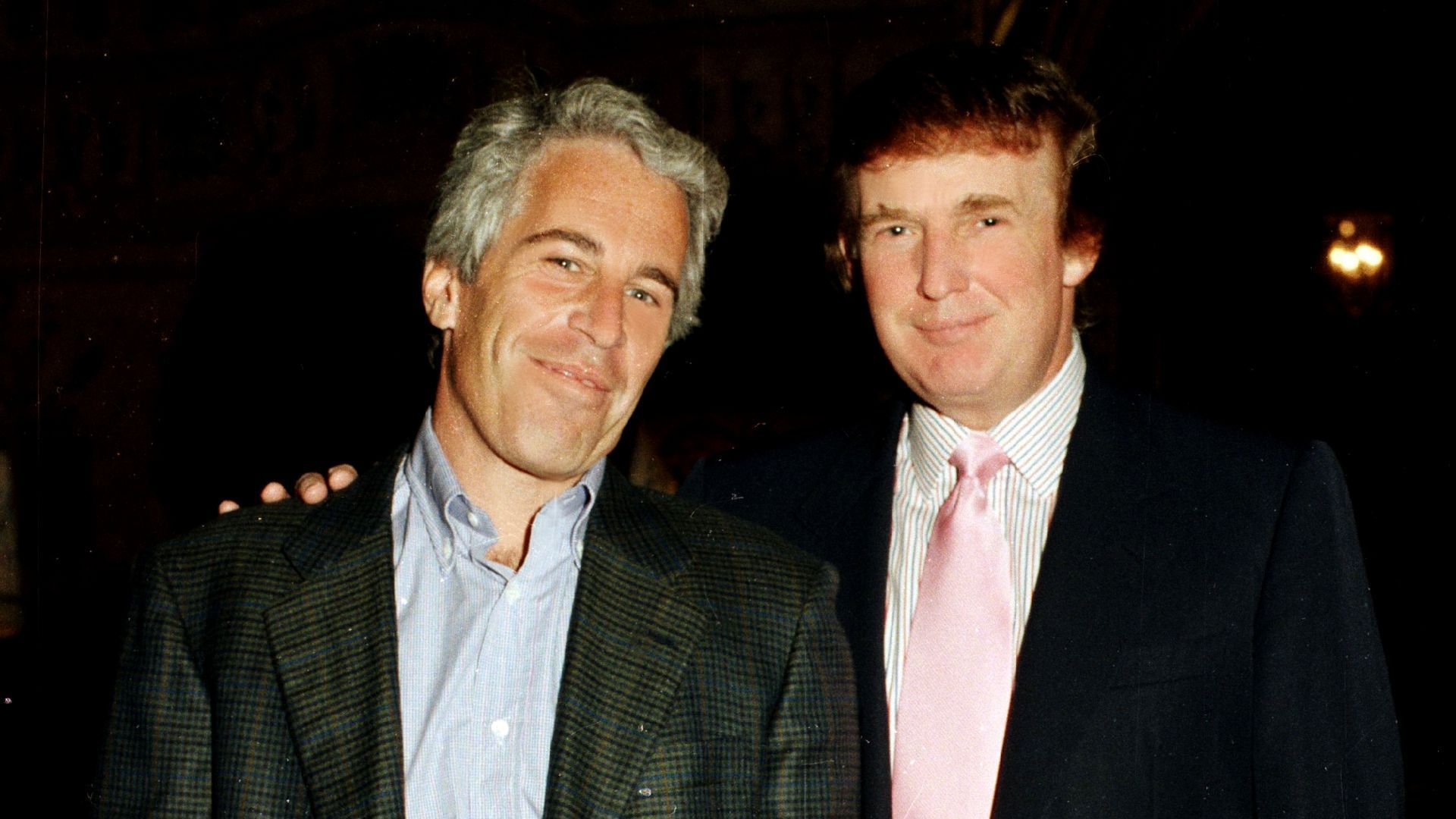
NPR's review of the Justice Department's document production found serial numbering gaps and references to additional FBI interview summaries that are not currently available in the online repository. Internal logs reportedly indicate that the FBI conducted four separate interview sessions with the accuser in 2019. Of those, only a July 24, 2019 summary has been made public. The publicly available interview focuses primarily on Epstein and does not detail the full scope of allegations described in other summaries referenced in discovery materials. According to reporting, a discovery index linked to this accuser lists 15 related documents, but fewer than half are present in the public database. The absence of the remaining materials has intensified scrutiny over whether responsive records were withheld.
«Oversight Democrats can confirm that the DOJ appears to have illegally withheld FBI interviews with this survivor who accused President Trump of heinous crimes.»
-U.S. Representative (D-CA), Robert Garcia
The allegations referenced in reporting describe events dating back decades, when the woman was an early teenager. According to summaries cited by journalists, she told investigators that Epstein introduced her to Trump and that she experienced sexual assault and violence. Those details, however, are not fully reflected in the publicly released FBI documentation because multiple interview summaries appear to be missing. In its public statement announcing the file release, the Justice Department said it had published millions of pages of material in compliance with disclosure requirements. The department also stated:
«Notable individuals and politicians were not redacted in the release of any files.» In the same announcement, it added:
«To be clear, the claims are unfounded and false.»
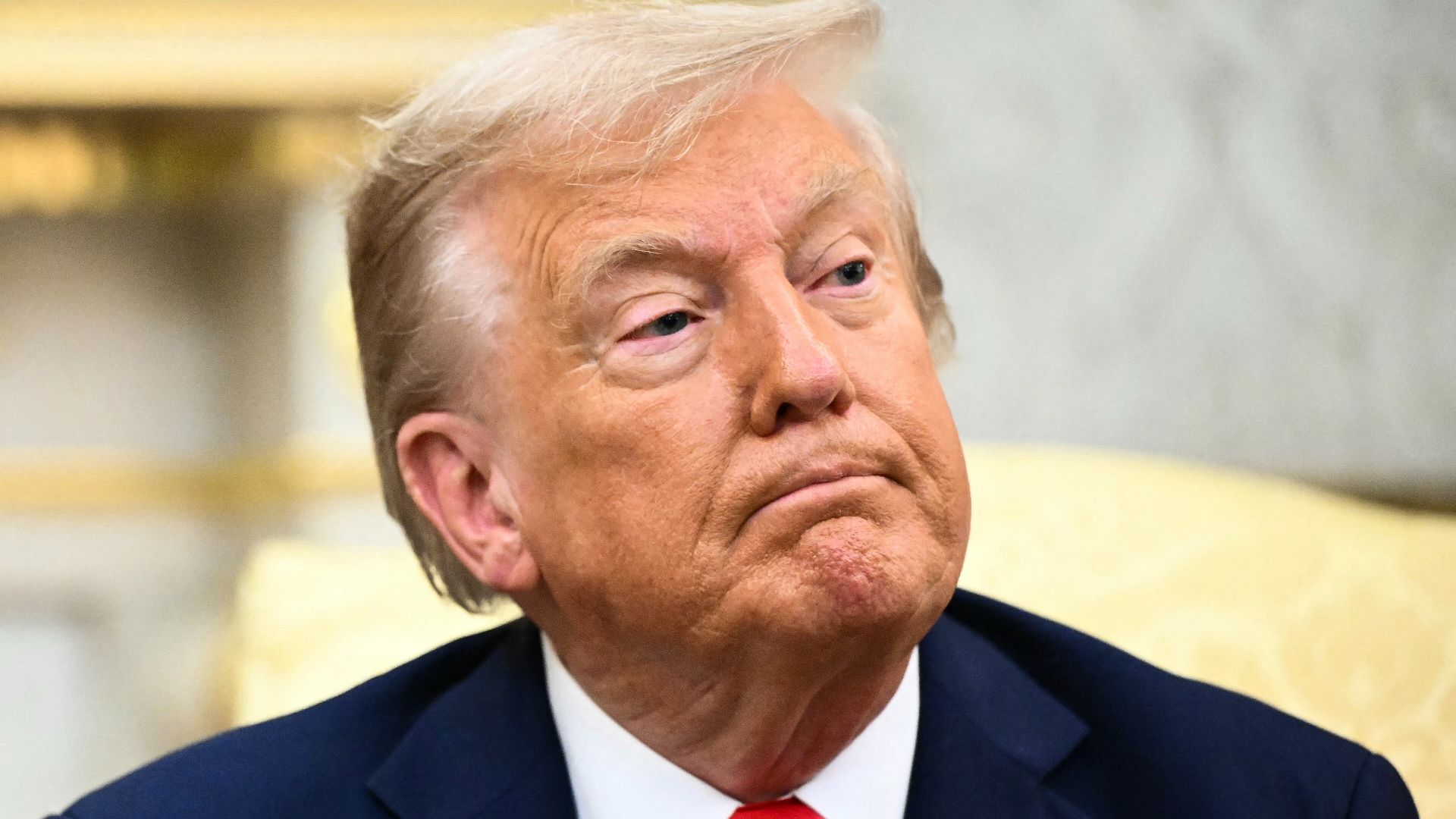
Following public reporting about missing interview records, the Justice Department acknowledged it is reviewing the issue. In a statement addressing concerns, the department said:
«As with all documents that have been flagged by the public, the Department is currently reviewing files within that category of the production.»
It added that any documents found to have been improperly withheld and legally releasable would be published. Officials have emphasized that certain materials can be withheld or redacted under federal law to protect victim identities, sensitive personal information, or ongoing investigative interests. Nonetheless, critics argue that if interview summaries exist and are listed in discovery logs, their absence from a release promoted as comprehensive undermines confidence in the transparency process.
«I have nothing to hide! I've been exonerated! I have nothing to do with Jeffrey Epstein.»
-President, Donald Trump
President Donald Trump has repeatedly denied the allegations and has framed the document release as clearing him of wrongdoing. Speaking to reporters, Trump said:
«I have nothing to hide! I've been exonerated! I have nothing to do with Jeffrey Epstein.» He added: «I've been totally exonerated.» Trump has long acknowledged that he knew Epstein socially in the 1990s but has said he distanced himself years before Epstein's criminal prosecution. No criminal charges have been filed against Trump in connection with Epstein's crimes. Meanwhile, Democratic lawmakers have sharply criticized the handling of the files. Representative Robert Garcia said:
«Oversight Democrats can confirm that the DOJ appears to have illegally withheld FBI interviews with this survivor who accused President Trump of heinous crimes.»
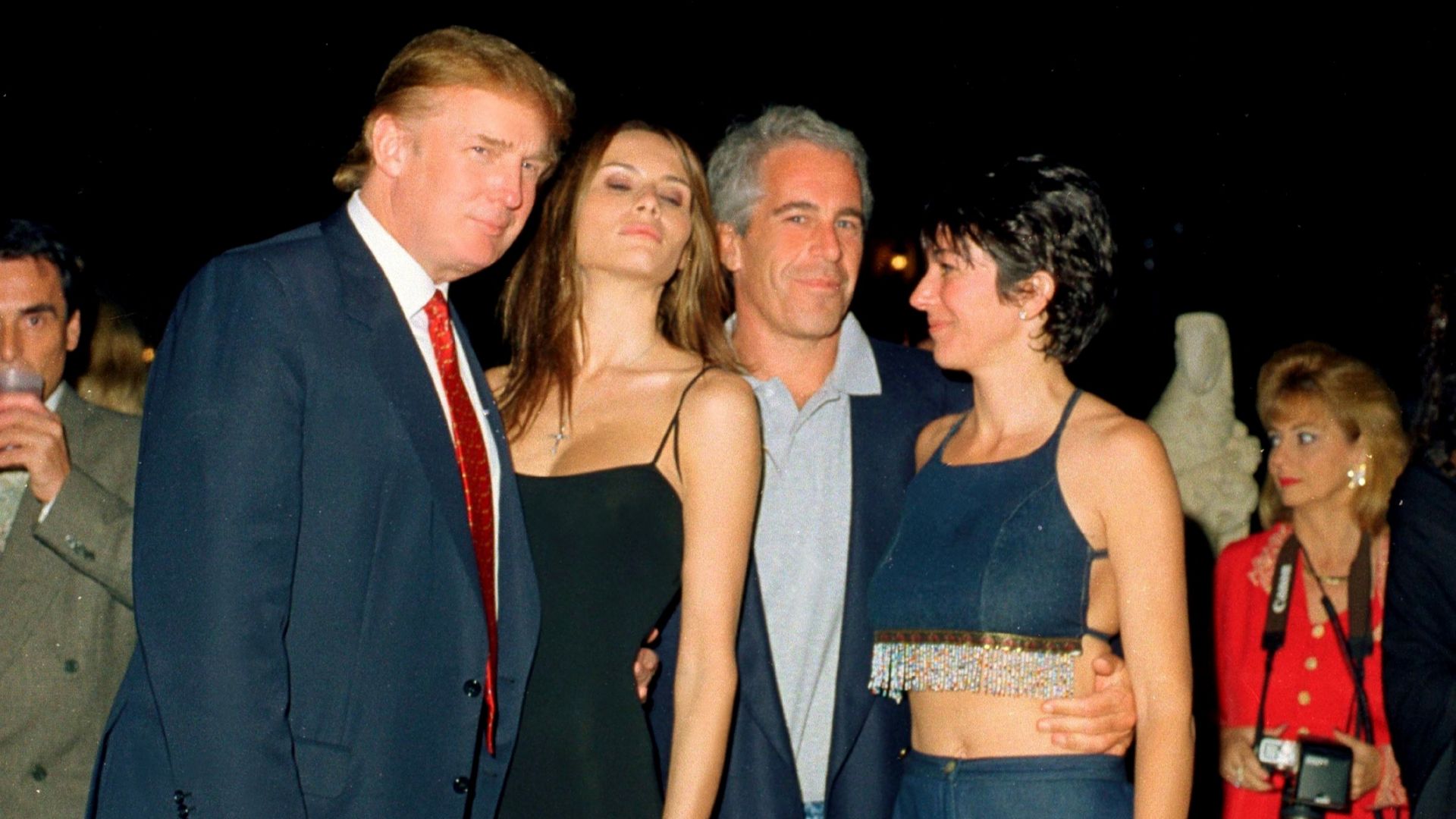
The broader fallout from the Epstein file disclosures has extended beyond Trump, drawing renewed scrutiny toward other public figures whose names appear in various contexts throughout the archive. The release has also been criticized for technical errors and redaction problems in earlier waves of documents. Despite mounting questions about missing interview summaries and incomplete discovery logs, Trump remains largely insulated politically among his core supporters, many of whom view the controversy as politically motivated. While several prominent individuals mentioned in Epstein-related records have faced reputational consequences, Trump's standing within his party has not shown immediate erosion. As the Justice Department's internal review continues, the central issue remains whether the public has received a complete accounting of all relevant investigative materials tied to the accuser's allegations.
Created by humans, assisted by AI.
