

/https%3A%2F%2Fcdn-tor.buminteractif.com%2F2026%2F01%2F15175415%2Ftrump-europe-greenland-getty-345345df342.jpg)
Several major European countries, including France, Germany, Sweden, Norway and Finland, have moved to send troops to Greenland, joining Denmark in expanding its military presence «in close cooperation with NATO allies», according to officials, in response to what has been described as an unprecedented threat by one NATO member against another. The deployments follow remarks by Donald Trump suggesting the United States could take control of the Arctic territory «like it or not», a statement that sent shockwaves through European capitals and raised alarm over the stability of alliance norms. While Denmark has long overseen Greenland's defense, the decision to reinforce the island with broader European support underscores growing concern that rhetorical escalation from Washington has crossed a line, prompting allies to demonstrate unity.
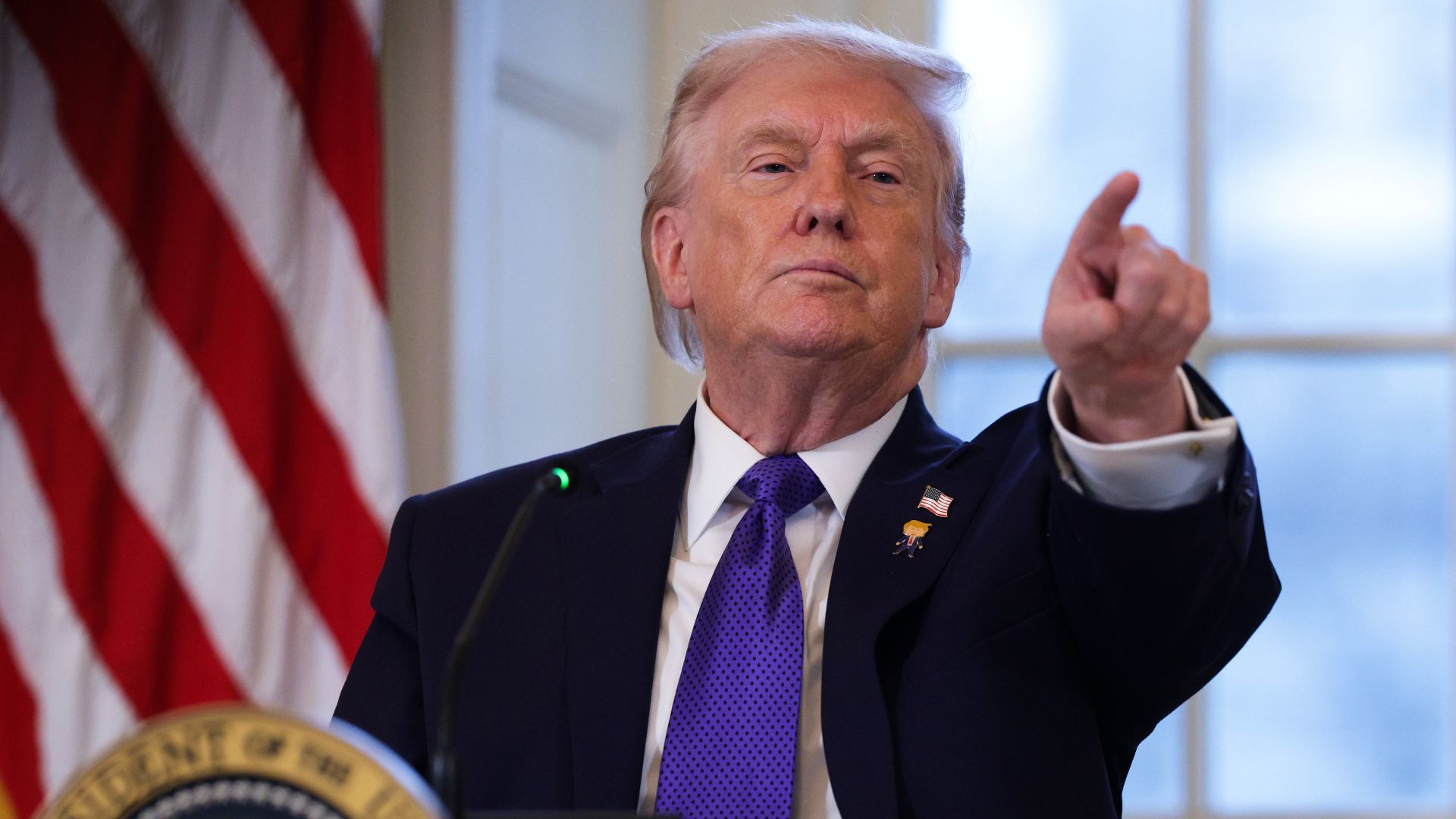
Officially, the NATO deployment has been framed as European leaders have moved to frame the deployment of troops to Greenland as a symbolic and cooperative operation, carefully emphasizing Arctic security and alliance coordination rather than confrontation. Officials in France, Germany, Sweden, Norway and Finland have described their participation as part of a Danish-led military exercise intended to reinforce stability in the High North, improve interoperability among allies and signal unity at a moment of heightened geopolitical tension. The operation, carried out in close cooperation with NATO partners, focuses on Arctic defense, surveillance and logistical readiness in a region increasingly shaped by climate change and strategic competition, with governments stressing that the troop movements are defensive, rotational and designed to preserve regional security rather than escalate disputes over Greenland's sovereignty.
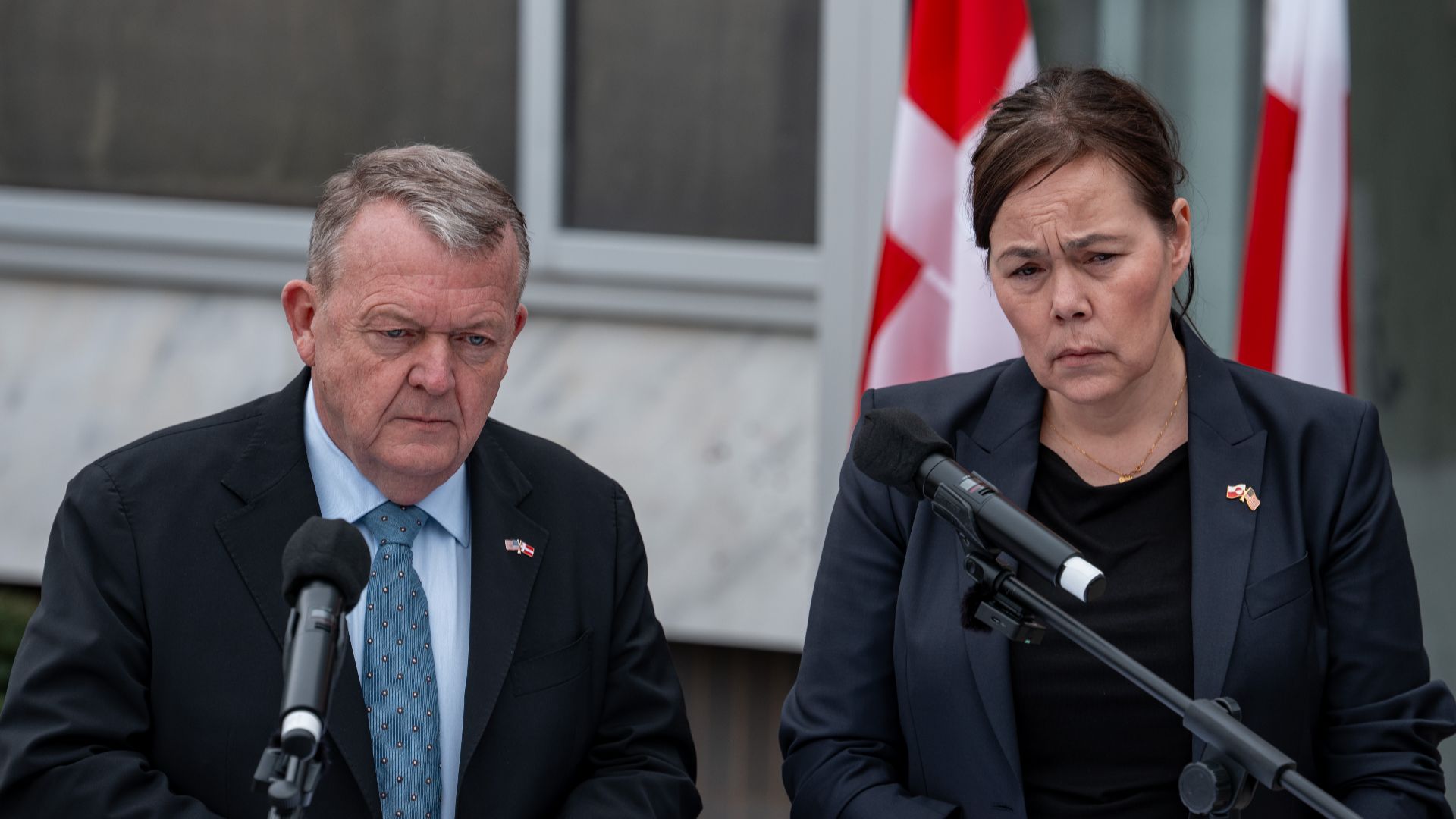
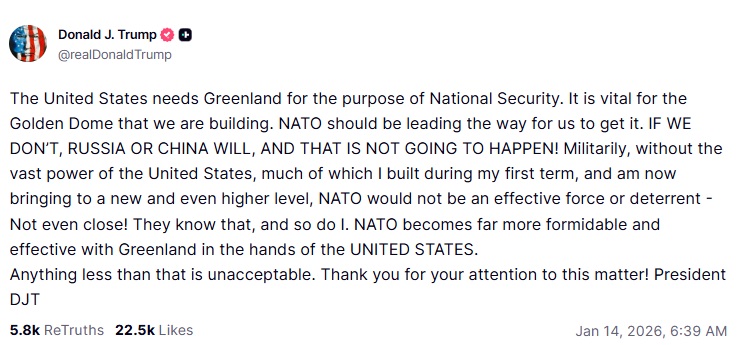
Donald Trump repeated his challenge to Greenland's sovereignty on Truth Social as the White House convened an emergency meeting with Danish and Greenlandic officials that produced few tangible results, highlighting the growing rift between allies. Danish Foreign Minister Lars Løkke Rasmussen said he and his Greenlandic counterpart had «a frank but also constructive discussion» with Marco Rubio and JD Vance, but acknowledged that a «fundamental disagreement» remains unresolved. Shortly afterward, Trump escalated his rhetoric online, writing: «The United States needs Greenland for the purpose of National Security. It is vital for the Golden Dome that we are building. NATO should be leading the way for us to get it. IF WE DON'T, RUSSIA OR CHINA WILL, AND THAT IS NOT GOING TO HAPPEN! Militarily, without the vast power of the United States, much of which I built during my first term, and am now bringing to a new and even higher level, NATO would not be an effective force or deterrent – Not even close! They know that, and so do I. NATO becomes far more formidable and effective with Greenland in the hands of the UNITED STATES. Anything less than that is unacceptable.»
Donald Trump delivered one of his starkest remarks yet on Greenland, openly challenging its sovereignty as tensions with European allies continued to mount. Speaking about the strategic importance of the Arctic territory, Trump said the United States would «do something on Greenland whether they like it or not», arguing that failure to act would allow Russia or China to take control of the island. The comment underscored a hardening posture that has unsettled NATO partners, who view Greenland as part of the Danish realm and a cornerstone of Arctic stability. By framing the issue as a zero-sum geopolitical contest, Trump reinforced concerns in Europe that his rhetoric is eroding alliance norms and transforming a long-standing strategic partnership into an open dispute over territory and authority.
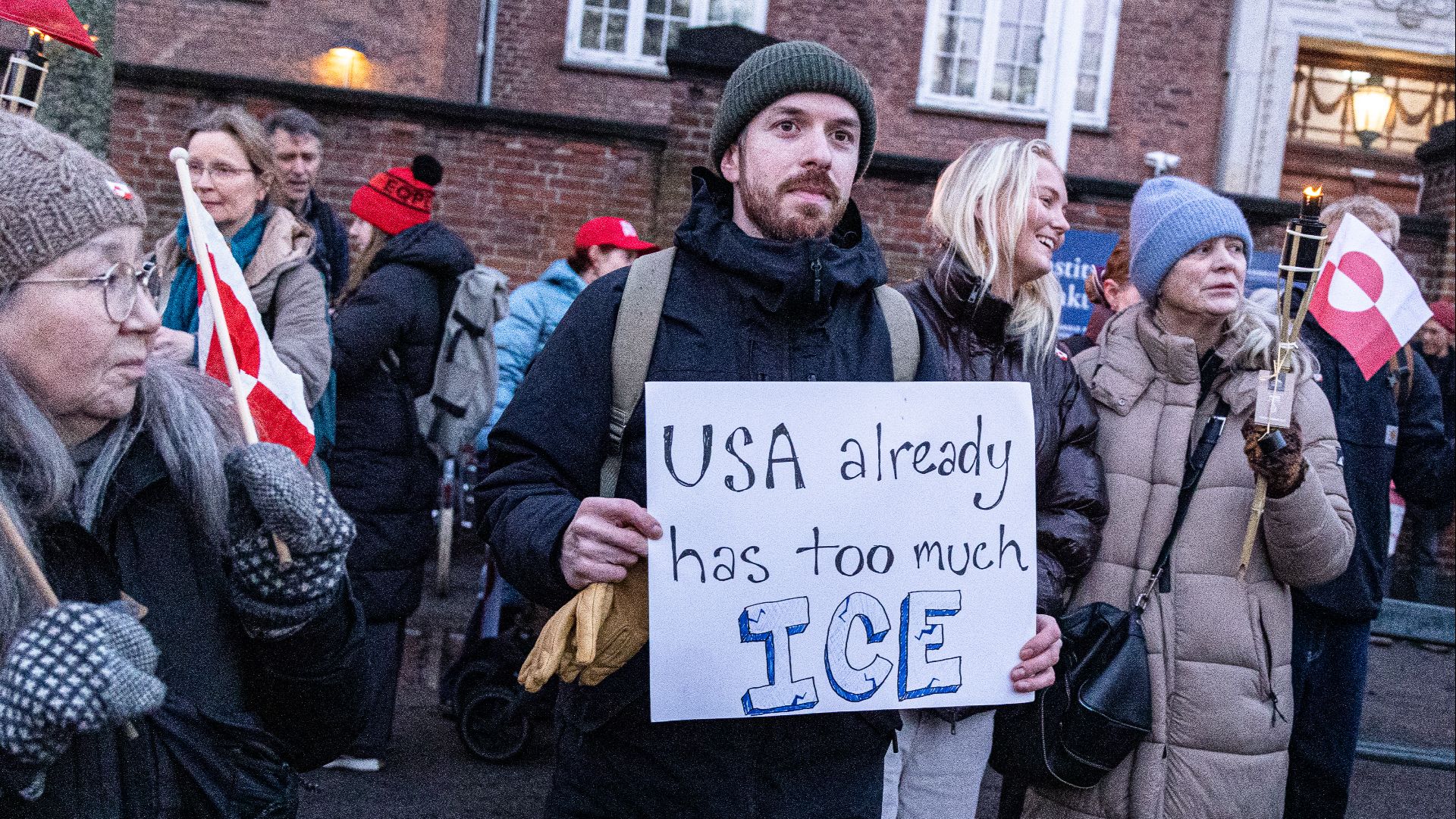
This content was created with the help of AI.
