Mamdani Drops Undisclosed 9/11 Memo Showing Giuliani Knew Air Was Dangerous After He Says Mayor Should Avoid Memorial


/https%3A%2F%2Fcdn-tor.buminteractif.com%2F2026%2F09%2F08151439%2Fmamdani-guiliani-getty4-5345hdfgdf.jpg)
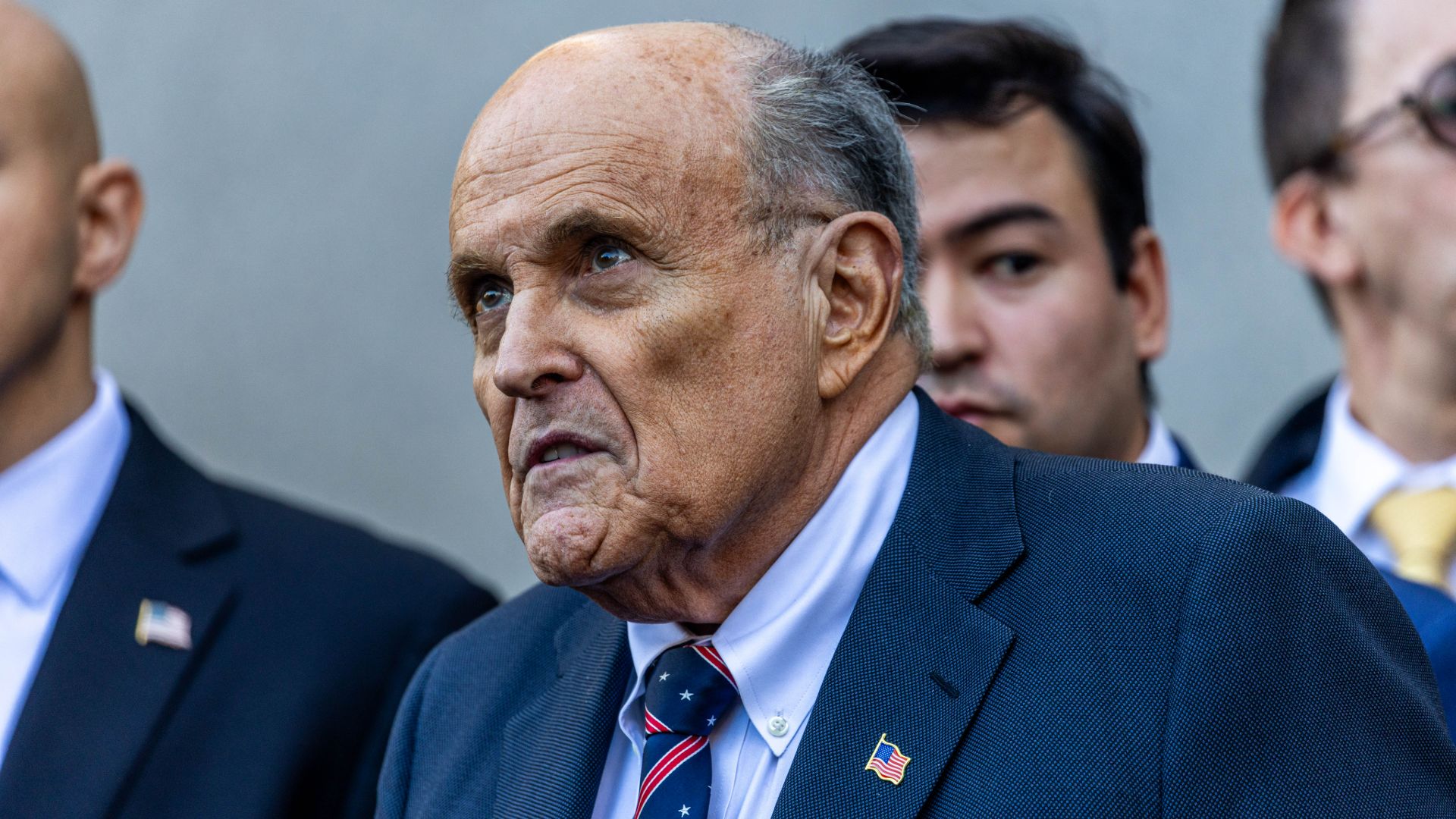
A clash between New York City's former and current mayors has taken a striking turn just days before the 25th anniversary of the September 11 attacks. Former Mayor Rudy Giuliani, speaking during an appearance on Newsmax, publicly demanded that current Mayor Zohran Mamdani stay away from the upcoming 9/11 memorial events, taking direct aim at Mamdani's Muslim faith while arguing that his attendance would be disrespectful to victims and their families. «Having lost friends there and being very close to many of the families, it offends me that he's coming,» Giuliani said. Mamdani, however, has made clear that he has no intention of complying. He is expected to attend Friday's annual reading of the victims' names at Ground Zero, choosing instead to center his public remarks on those who died, their families and the first responders whose lives were forever changed by the attacks.
Mamdani answered the controversy without engaging Giuliani on the same terms. «I'm proud to be the mayor of this city. I love this city. I love this country,» he said. «What I want this week to be a focus on is on the families whose loved ones were stolen from them 25 years ago in the horrific act of terror of September 11, and a focus also on the first responders who did everything they could.» But only two days after Giuliani's remarks, the political confrontation took on a dramatically different dimension. Mamdani's administration began releasing a massive collection of previously undisclosed municipal records related to the aftermath of 9/11, including the Harding Memo, a document indicating that Giuliani's administration was aware of serious concerns surrounding the hazardous air at Ground Zero. The records came from 68 boxes discovered in a city government office last year and are now being made accessible to the public during the anniversary week.
«Now, close to 25 years later, more people have died from 9/11-related illnesses than were killed on the day itself.»
-Mayor Zohran Mamdani
The release was unveiled as part of a much broader transparency initiative concerning what New York City officials knew about environmental dangers following the destruction of the World Trade Center. Standing alongside longtime 9/11 advocate Jon Stewart and people directly affected by the attacks, Mamdani announced a $34 million searchable digital portal designed to give the public access to hundreds of thousands of pages of previously unavailable city material. The timing inevitably placed Giuliani's weekend criticism beside records originating from his own administration, although the initiative itself predates their latest confrontation: Mamdani had already allocated funding for the portal in June 2026. «People got sick because the leaders they trusted lied and told them they were safe to breathe in toxic air,» Mamdani said while announcing the records. The first major release arrived Tuesday morning, during the 25th-anniversary week, putting decades-old questions about government knowledge and public warnings back at the center of New York's 9/11 reckoning.
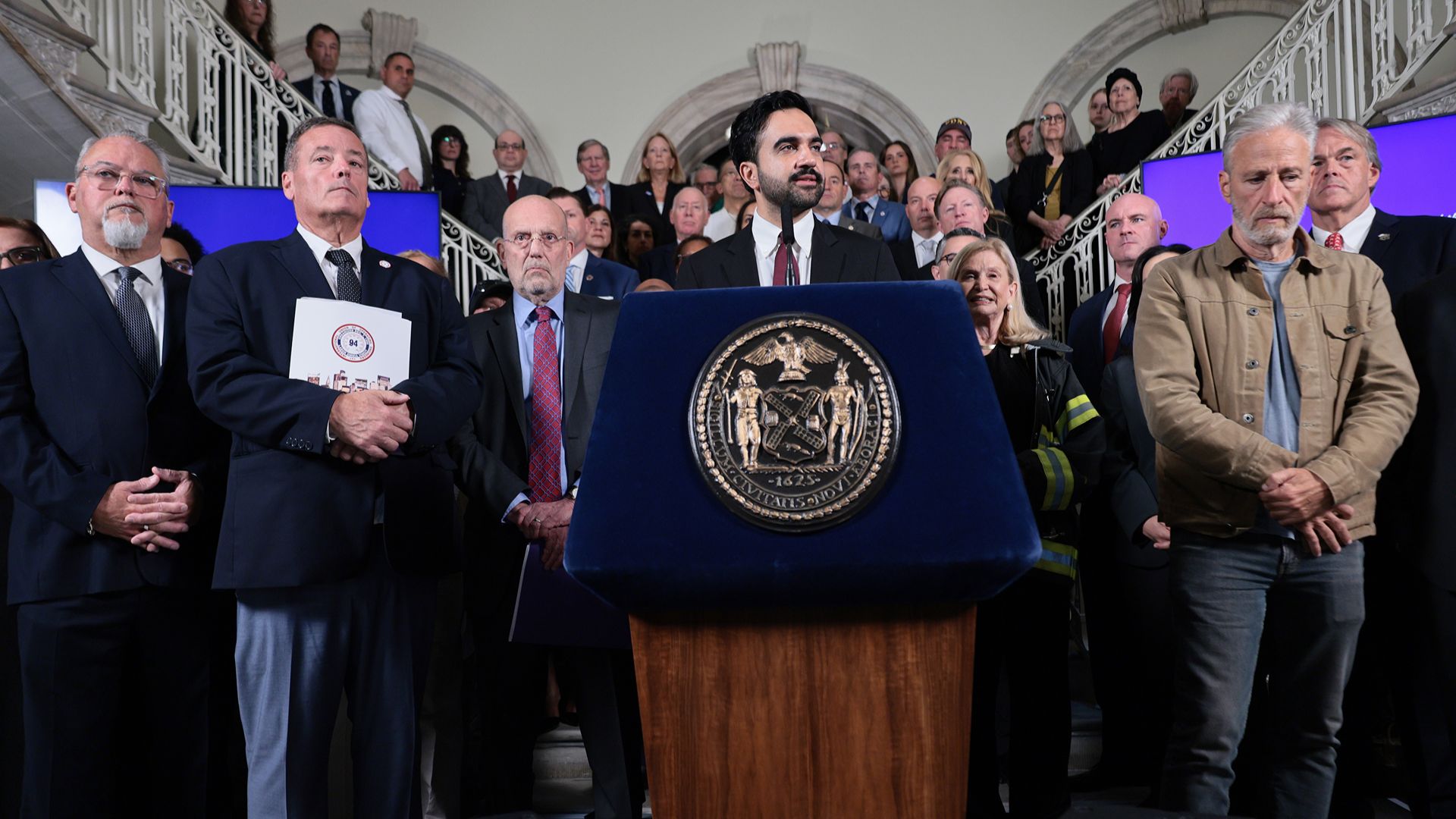
Among the newly released material, the Harding Memo carries particular significance because it adds documentary weight to longstanding questions about what Giuliani's City Hall understood about the environmental threat surrounding Ground Zero. The records indicate that officials inside the administration were aware that air conditions posed dangers even as workers, residents and others continued entering or returning to Lower Manhattan. That history has become especially sensitive because hundreds of thousands of people are estimated to have encountered the enormous cloud of dust, smoke and debris produced by the collapse of the World Trade Center. The contamination was far more complicated than ordinary construction dust. Pulverized concrete and glass mixed with asbestos, heavy metals and other hazardous substances, while fires continued burning and smoldering at the site for months. For first responders working directly on the pile, cleanup crews operating throughout Lower Manhattan and residents returning to surrounding neighborhoods, exposure would ultimately become a second, slower-moving chapter of the September 11 disaster.
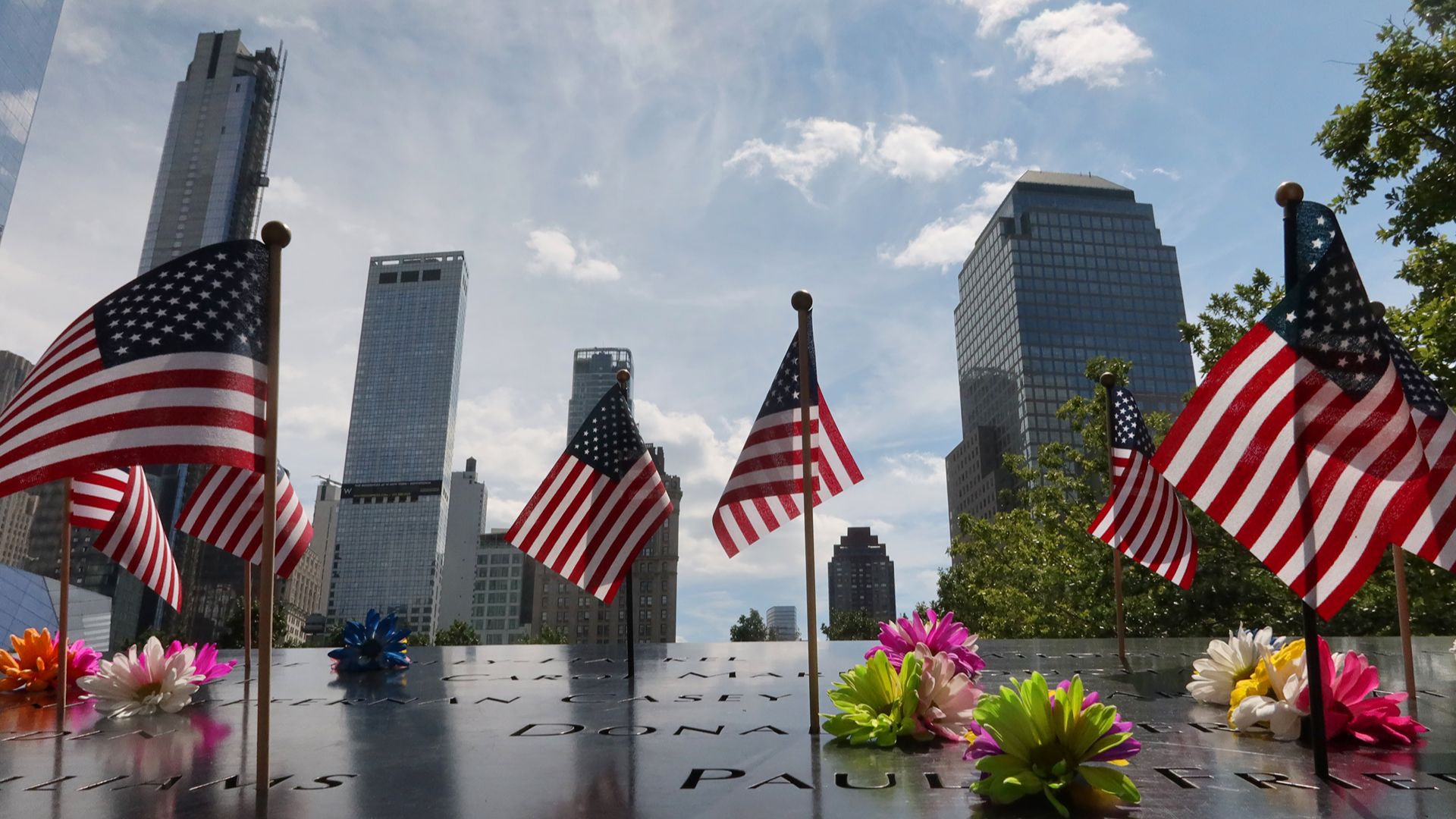
The scale of that human toll has become increasingly apparent over the quarter-century since the attacks. On September 11, 2001, 2,977 victims were killed in the terrorist attacks, including 2,753 people in New York City. Among those who died were 343 New York City firefighters, 23 NYPD officers and 37 Port Authority police officers, alongside civilians, passengers and other victims. But the collapse of the towers also exposed an estimated 400,000 people to potentially dangerous airborne contaminants, leaving consequences that would continue long after rescue and recovery operations ended. First responders, construction and cleanup workers, downtown employees, residents and even children attending schools in the area became part of an enormous population potentially affected by the toxic aftermath. Tens of thousands of responders and survivors have since developed conditions associated with 9/11 exposure, while deaths attributed to related illnesses have now surpassed the number of people killed during the attacks themselves. For Mamdani, that continuing loss makes disclosure of the city's historical records more than a question of political accountability.
«People got sick because the leaders they trusted lied and told them they were safe to breathe in toxic air.»
-Mayor Zohran Mamdani
«As the years pass and the human toll grows, we reckon with the cost of September 11th whenever another New Yorker is stolen from us too soon,» Mamdani said. «Now, close to 25 years later, more people have died from 9/11-related illnesses than were killed on the day itself.» That reality gives the newly opened archive particular resonance as New York prepares to mark a quarter-century since the attacks. It also creates a sharp contrast with the political dispute that preceded its release. Giuliani had attempted to make Mamdani's presence at the memorial the controversy, declaring that it «offends me» that the current mayor planned to attend. Mamdani has instead moved forward with both his attendance and the release of records documenting decisions made during Giuliani's own administration. With the searchable portal intended to bring hundreds of thousands of pages into public view, survivors, victims' families, researchers and New Yorkers will have a new opportunity to examine what officials knew about the toxic environment, when they knew it and how that information was handled as thousands of people continued breathing the air around Ground Zero.
Created by humans, assisted by AI.
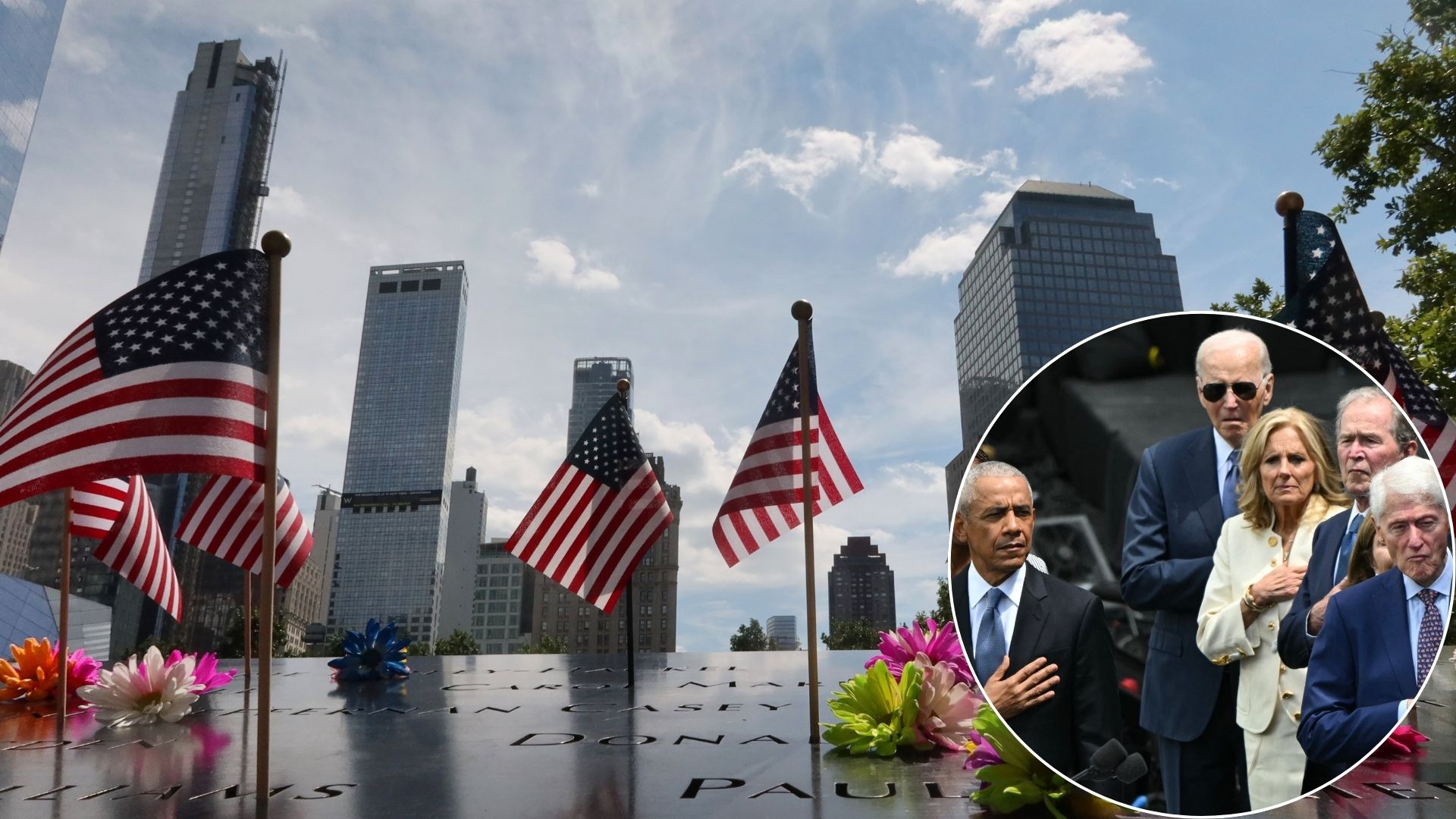 All four former presidents to mark 9/11's 25th anniversary in New York as Trump refuses to attend
 9 in 10 Americans say government corruption is widespread in record Gallup poll