Mark Carney Tells Canadians to Prepare for Tough Times as Trump Trade War Escalates


/https%3A%2F%2Fcdn-tor.buminteractif.com%2F2026%2F09%2F09143450%2Fcarney-canada-gettuy-43534fgdgd.jpg)
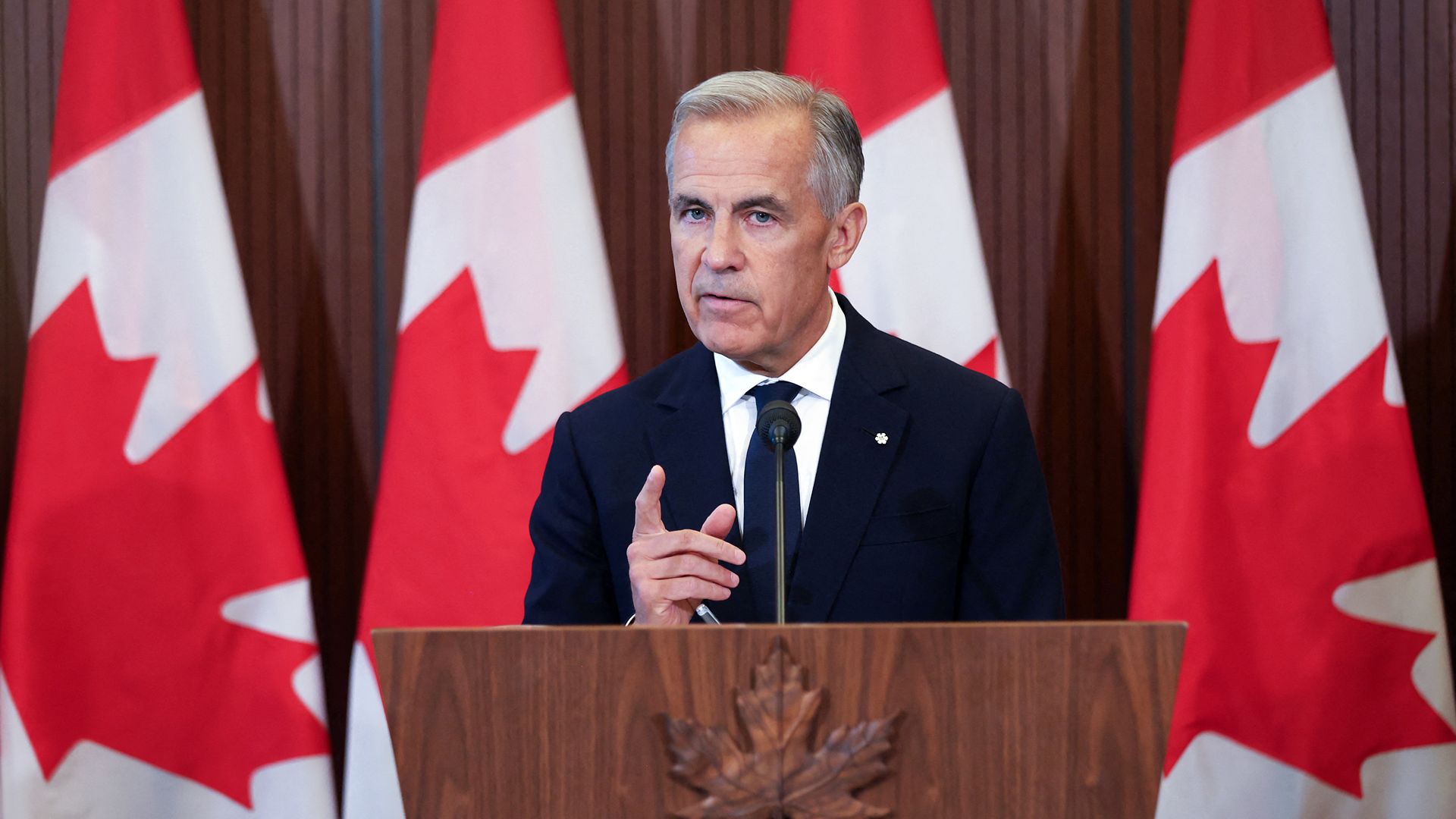
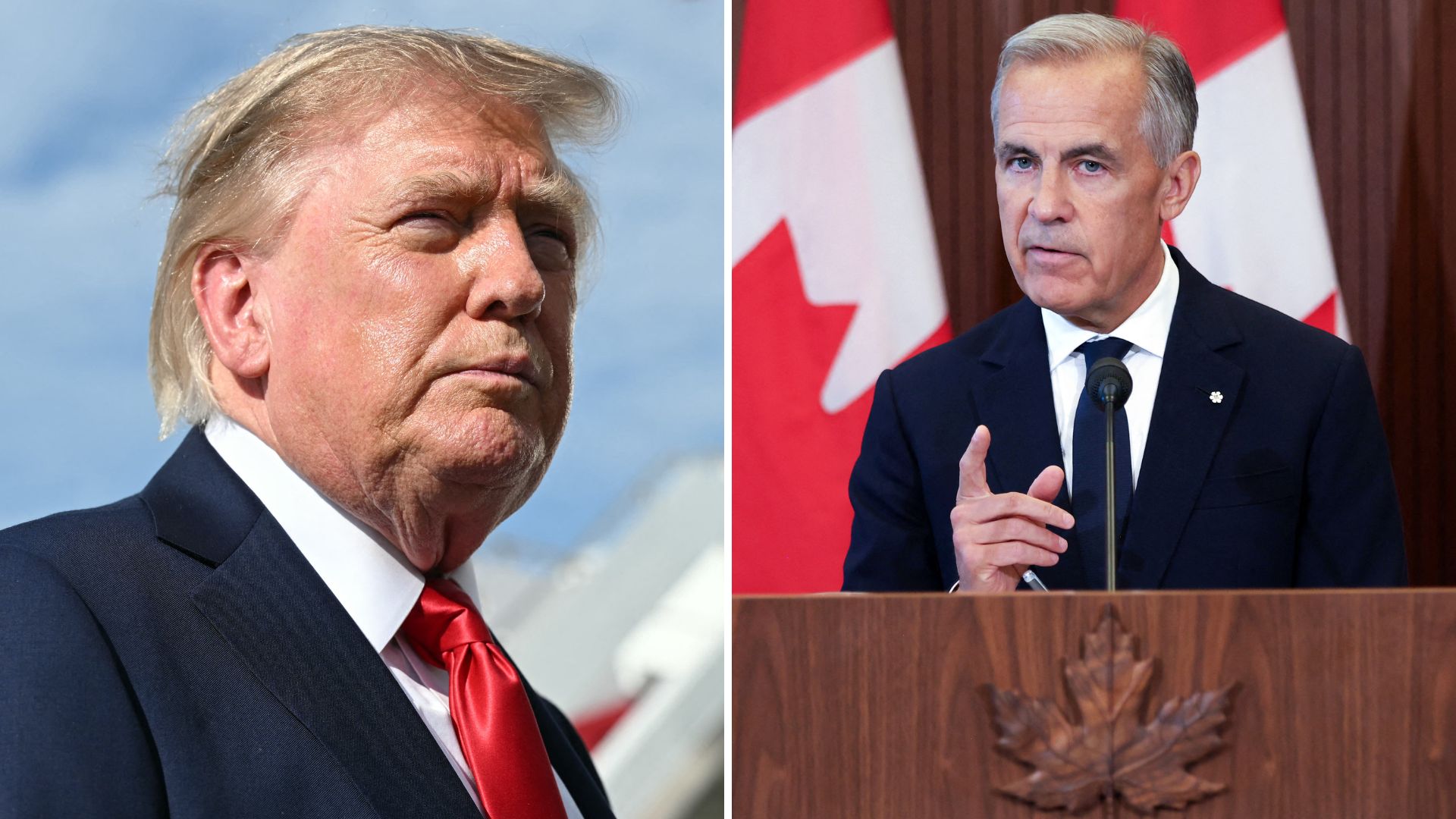
In a 15-minute video address to the nation, Canadian Prime Minister Mark Carney warned Canadians to prepare for hard times as the country enters a more difficult phase of its escalating trade war with the United States. Carney acknowledged that reducing Canada's longstanding economic dependence on its largest trading partner will bring real short-term consequences for businesses, workers and households, but argued that accepting Washington's demands would ultimately carry a much greater price. His government, he said, is now pursuing a fundamental economic pivot intended to make Canada less vulnerable to future pressure from any foreign government. Carney framed the confrontation as a choice between enduring the immediate cost of defending Canadian economic independence or allowing the country to become increasingly dependent on decisions made in Washington. His long-term objective, he said, is to build an economy strong and diversified enough that «no country can ever hold us hostage.»
Carney defended his decision to end the latest round of negotiations with Washington, saying American negotiators were demanding concessions that his government considered incompatible with Canada's economic and political independence while offering too little in return. According to the prime minister, the proposed conditions risked restricting Canada's ability to develop commercial relationships elsewhere in the world and could have locked the country into a deeper state of economic dependency on the United States. He also pointed to disagreements involving protections for the French language and Quebec culture, areas where he suggested the two governments fundamentally differed over what could legitimately become part of a trade negotiation. American negotiators, Carney said, treated some of those protections as an «irritant,» while emphasizing that for Canadians, «these are rights.» His message was that reaching an agreement quickly would not justify accepting conditions his government believes could compromise Canada's ability to independently determine its economic and cultural policies.
«That pivot will come at a cost. There's always a cost to action. But it doesn't come close to the cost of standing still.»
-Canada Prime Minister, Mark Carney
The prime minister also reached deep into Canadian economic history to argue that intense American trade pressure has forced the country to adapt before. Carney invoked the McKinley Tariff of 1890, which imposed duties reaching 50% and increased pressure on Canadian exports at a time when economic integration and Canada's relationship with the United States were already major political questions. Rather than allowing the historical episode to serve solely as a warning, Carney presented it as evidence that external pressure can accelerate diversification and ultimately strengthen the country's economic position. His government now intends to pursue a similar strategy by developing markets beyond the United States, including efforts to finalize a free-trade agreement with ASEAN countries and a parallel agreement with the Philippines by next year. Carney conceded that such a transformation will not happen without disruption. «That pivot will come at a cost. There's always a cost to action. But it doesn't come close to the cost of standing still.»
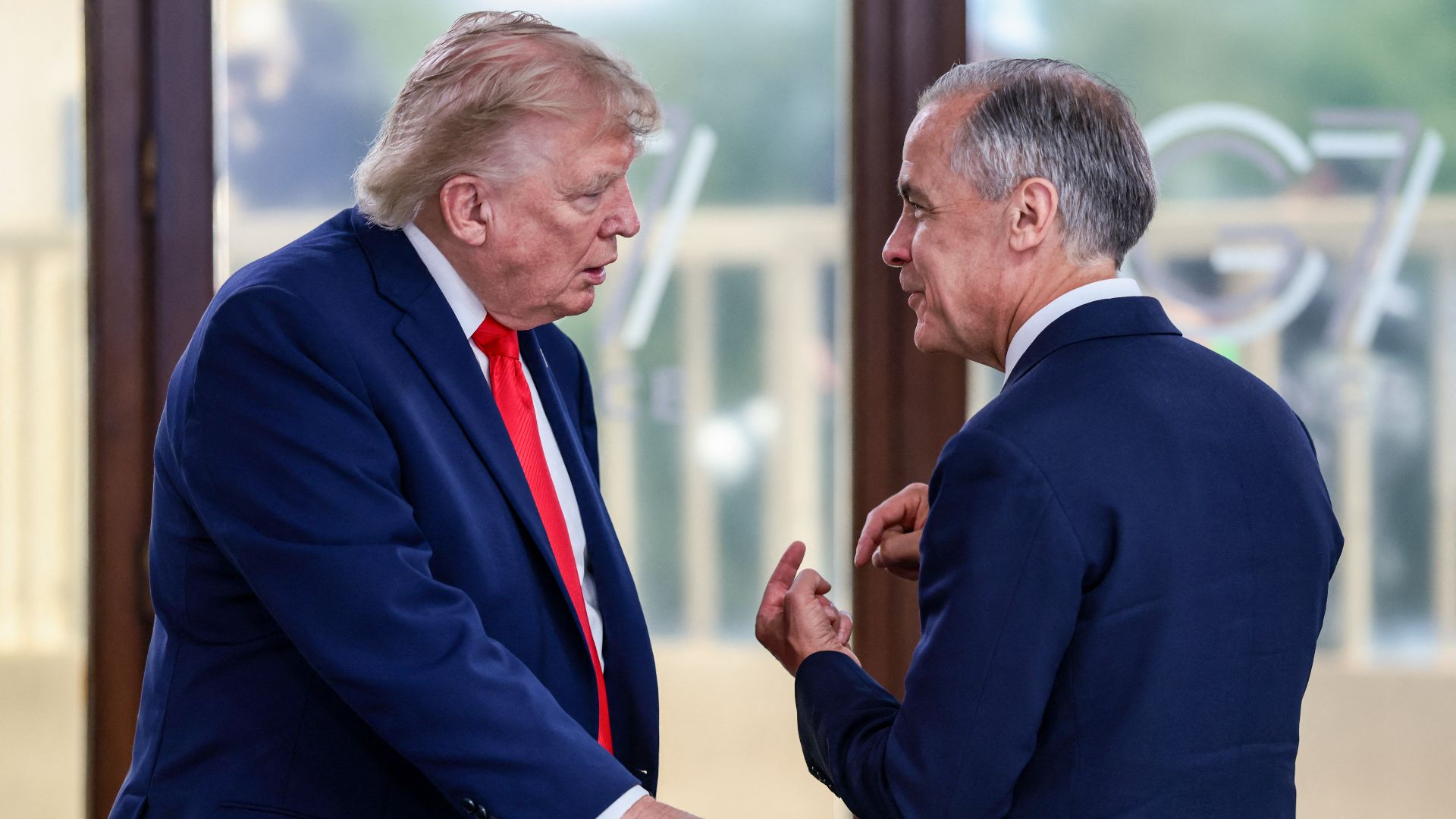
Carney's warning comes as the economic consequences of that strategy begin moving from political rhetoric into everyday commerce. Canada's dollar-for-dollar retaliatory tariffs officially took effect Tuesday, September 8, targeting approximately C$27.8 billion in American goods—the same value Ottawa says is affected by Trump's 50% tariffs on Canadian exports. Canadian duties now range from 15% to 50%, with some of the steepest rates applying to American steel and aluminum, while products such as golf clubs, perfume, household appliances, carpets and cheese are also among those affected. Ottawa deliberately structured parts of its response to increase pressure on exporters operating in Republican-heavy states, adding a political dimension to the economic retaliation. At home, Carney's government is preparing a C$7.5 billion support package for affected workers and small and medium-sized businesses as it tries to cushion Canadians from the disruption he acknowledged will accompany the country's economic pivot.
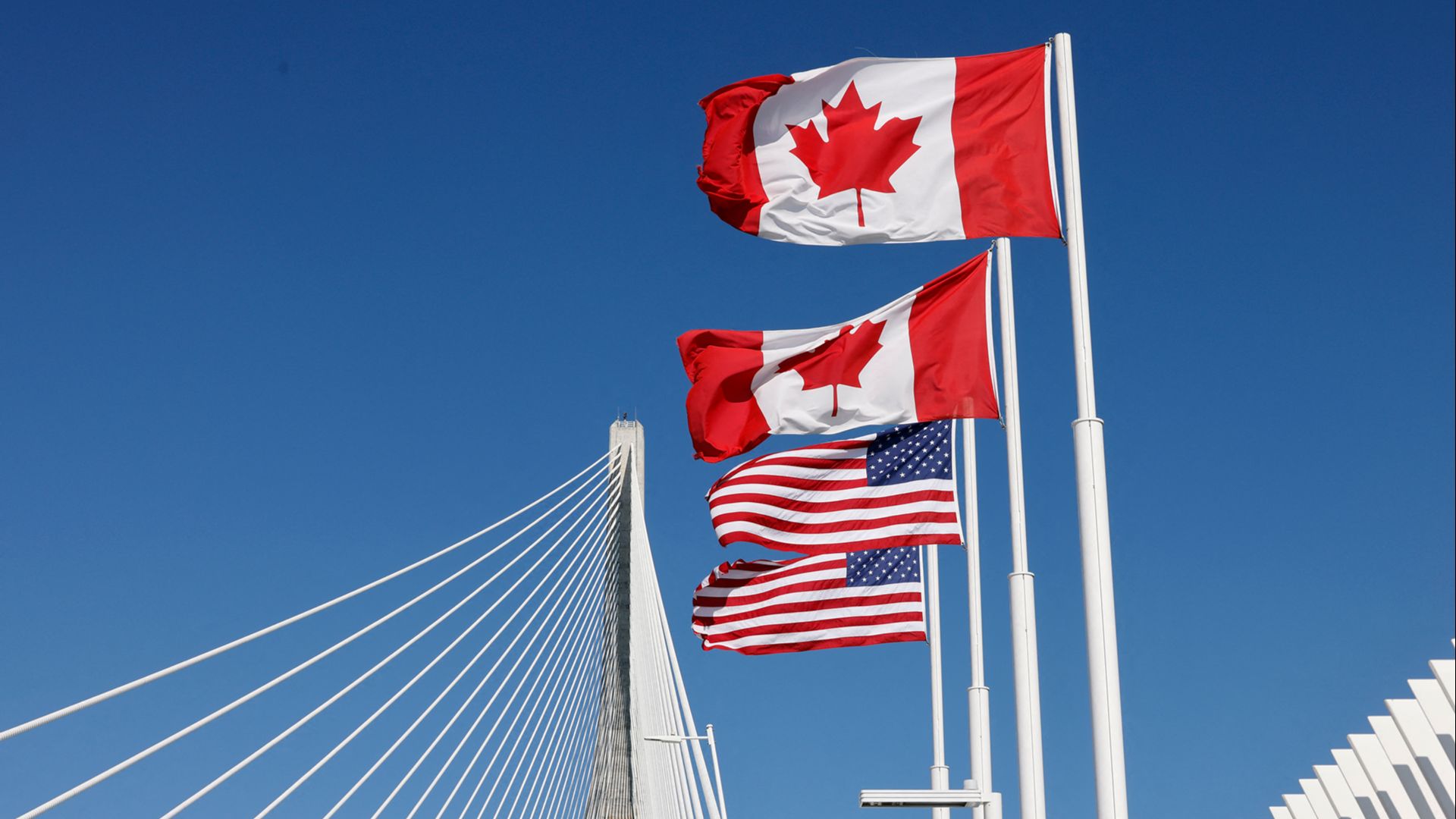
Washington, meanwhile, has continued expanding the confrontation into new industries. Over the long weekend, Trump directly threatened Montreal-based aircraft manufacturer Bombardier, raising the possibility of preventing its jets from being sold in the United States unless more manufacturing is moved onto American soil. «Their products aren't good enough! If they want our Market, they must build here,» Trump declared. The threat immediately added uncertainty to a company heavily exposed to the American market, with Bombardier shares falling 7% on the Toronto Stock Exchange. Critics also warned that targeting the aircraft manufacturer could have repercussions inside the United States because Bombardier relies extensively on American suppliers, including engines and other components produced by companies such as GE and Honeywell. The episode demonstrated the complexity of using trade restrictions against industries whose supply chains cross the border repeatedly, potentially inflicting costs on American companies and workers alongside their Canadian counterparts.
«Their products aren't good enough! If they want our Market, they must build here.»
-U.S. President, Donald Trump
The pressure intensified again Tuesday evening when the White House issued five additional executive orders extending restrictions on Canadian products. Beginning September 29, the United States is set to prohibit imports of several categories of Canadian goods, including alcoholic beverages such as beer, wine, cider, whisky and vodka, along with motorcycles, molasses and whey products. Trump also directed the General Services Administration to remove Canadian-origin goods from federal government supply schedules, widening the dispute beyond conventional tariffs into government procurement and outright import restrictions. For Carney, those measures reinforce the central argument of his national address: Canada should no longer assume that its historically close economic relationship with the United States guarantees stability. His government is asking Canadians to accept potentially difficult months ahead while it searches for new markets, supports industries caught in the confrontation and attempts to build an economy less vulnerable to Washington. The immediate cost could be substantial, but Carney's message is that continued dependency would leave Canada exposed to the same pressure again.
Created by humans, assisted by AI.
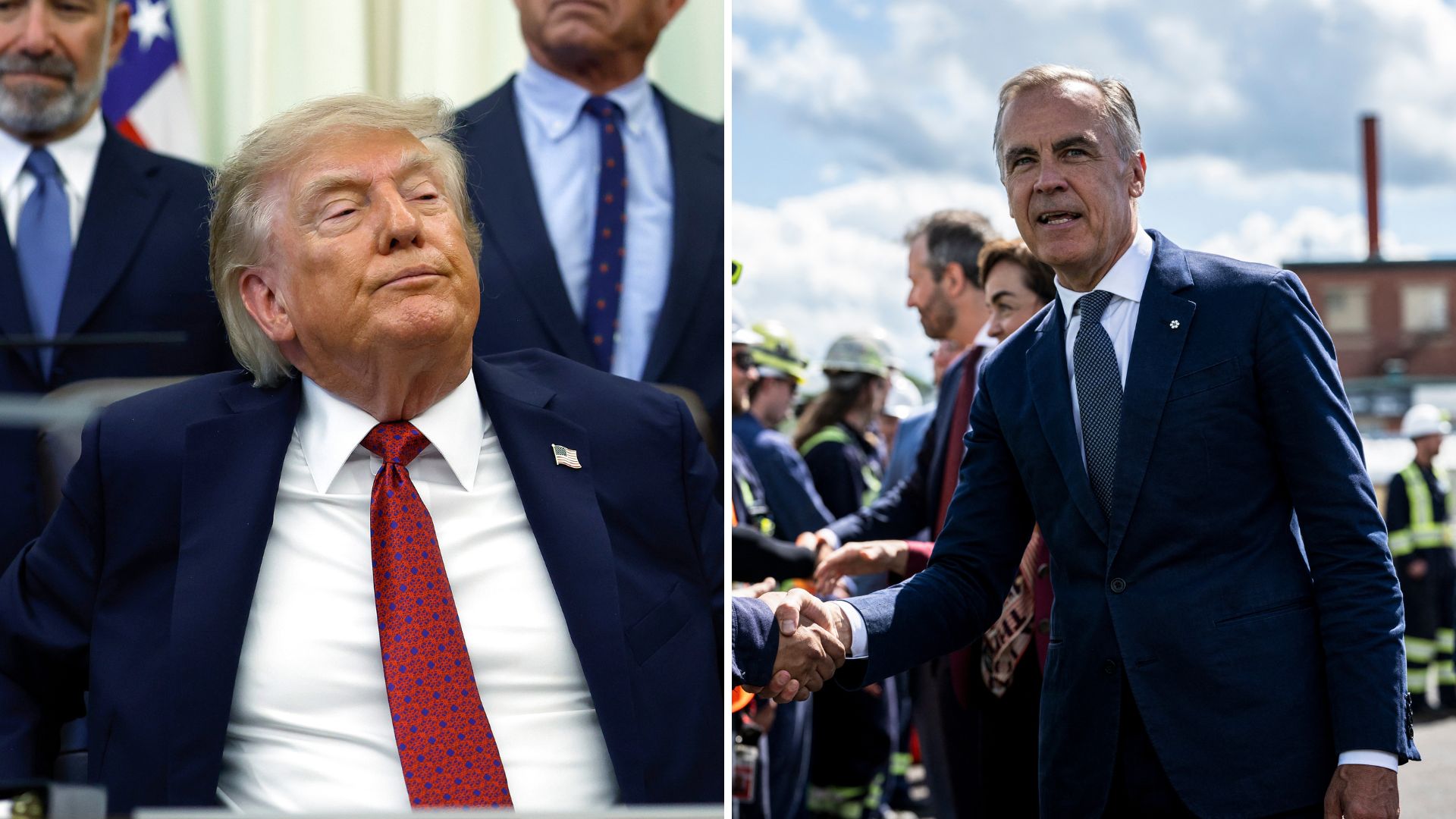 Canada's 50% retaliatory tariffs take full effect in unwanted trade war with Trump administration as Trump threatens Bombardier
 Nearly 40% of Republicans now see Canada as unfriendly or an enemy as Trump's trade war escalates