

/https%3A%2F%2Fcdn-tor.buminteractif.com%2F2026%2F07%2F06184540%2Fmicrosoft-xbox-getty-435345dfgdfg354234dg.jpg)
On July 6, Microsoft announced it is cutting approximately 4,800 jobs—about 2.1% of its global workforce—in one of the company's largest restructurings in recent years. The reductions primarily affect its Xbox gaming division and commercial sales organization as Microsoft redirects billions of dollars toward artificial intelligence infrastructure while attempting to improve profitability across slower-growing business units. The move reflects mounting pressure on the technology giant to balance record AI investments with shareholder expectations following a difficult first half of 2026. In a message to employees, Executive Vice President and Chief People Officer Amy Coleman acknowledged the human impact of the decision, writing, «The people whose jobs are impacted today are our colleagues and friends,» while emphasizing that the company believes the restructuring is necessary to remain competitive in a rapidly evolving technology industry.
Coleman described the layoffs as part of a broader transformation rather than a temporary cost-cutting exercise. In her company-wide communication, she explained that Microsoft is reshaping its workforce, investments and organizational structure to reflect changing customer demands and the accelerating pace of technological innovation. «The “why” is this: Our business is changing because the world around it is changing,» she wrote, adding that companies cannot choose whether their industries evolve but only whether they evolve alongside them. Coleman also sought to reassure employees that artificial intelligence was not directly replacing the eliminated positions, stating, «The roles eliminated today are not being replaced by AI.» At the same time, she acknowledged that «AI is changing how work gets done,» requiring employees and the company itself to continuously develop new skills and adapt to an increasingly automated workplace.
The restructuring falls particularly hard on Microsoft's gaming business, where Xbox is absorbing the largest share of the reductions. Roughly one-fifth of the division's workforce is being eliminated, including about 1,600 immediate layoffs as part of approximately 3,200 total job cuts across Microsoft's gaming operations. The company is also significantly reshaping its studio portfolio. Compulsion Games and Double Fine Productions are becoming fully independent, while Ninja Theory and Undead Labs are being spun off under new ownership as Microsoft seeks to preserve existing intellectual property and ongoing projects while reducing operational costs. According to Coleman, Microsoft will also transition four gaming studios under new management «with the goal of preserving both their intellectual property and ongoing projects,» underscoring that the company intends to continue supporting key franchises despite its sweeping organizational overhaul.
«AI is changing how work gets done.»
-Executive Vice President and Chief People Officer, Amy Coleman
Microsoft's decision also comes after a difficult stretch on Wall Street. Despite remaining one of the world's most valuable companies, its shares declined nearly 23% during the first half of 2026, their weakest opening six-month performance since 2022. Investors have increasingly questioned whether the enormous sums being poured into artificial intelligence will generate returns quickly enough to justify the spending. At the center of Microsoft's strategy is Azure, whose cloud platform continues to experience surging demand as businesses deploy AI models and enterprise automation tools. Meeting that demand, however, requires an unprecedented expansion of data center capacity. Company leadership has projected approximately $190 billion in capital expenditures for 2026, forcing Microsoft to make difficult choices about where resources are allocated. By reducing headcount in mature business segments, executives are attempting to redirect capital toward infrastructure they believe will define the company's next phase of growth.
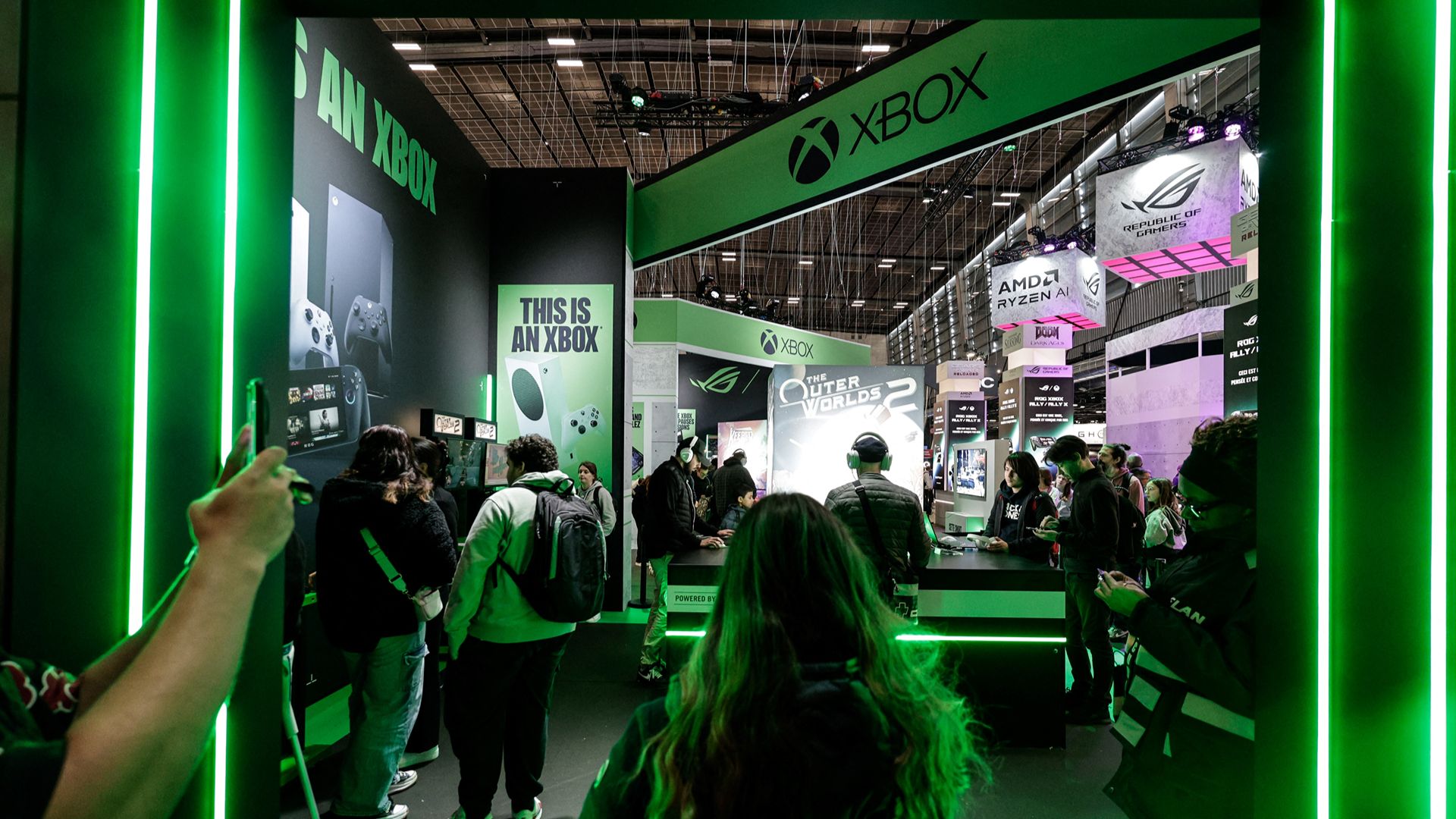
The restructuring is particularly significant for Xbox, a division that has struggled to translate massive acquisitions into stronger financial performance. After spending tens of billions of dollars to expand its gaming portfolio—including the blockbuster acquisition of Activision Blizzard—the business continues to face declining console sales, rising development costs and growing pressure from subscription-based competition. Xbox head Asha Sharma indicated that the gaming division's operating margins had fallen to just 3%, highlighting the challenges confronting the business despite its extensive catalog of franchises. Hardware profitability has also been squeezed by sharply higher memory chip prices, driven largely by global demand for AI-focused data centers. Those market conditions have made traditional console manufacturing increasingly expensive, reinforcing Microsoft's decision to streamline operations while placing greater emphasis on long-term sustainability and higher-margin areas of the business.
«The roles eliminated today are not being replaced by AI.»
-Executive Vice President and Chief People Officer, Amy Coleman
Although the layoffs represent one of Microsoft's most significant workforce reductions in recent years, Coleman emphasized that the company intends to continue investing in employees while supporting those leaving the organization. She noted that Microsoft had redeployed more than 4,000 employees into new positions over the past year, including another 500 this month, and said more than 30% of eligible workers participated in the company's recent voluntary retirement program. Looking ahead, she acknowledged that additional organizational changes are likely as Microsoft continues reshaping its operations around artificial intelligence and evolving customer needs. «We are still early on this journey, and there will be more changes ahead,» Coleman wrote, while encouraging employees to support departing colleagues and reaffirming Microsoft's commitment to «create opportunities for our people, reduce the need for job eliminations where possible, and responsibly support those affected with care and respect.»
Created by humans, assisted by AI.
 Why does xAI seem vulnerable, and what does that say about a possible AI bubble?
 OpenAI reportedly discussing 5% stake for Trump administration