Nvidia has publicly ruled out bringing back its co-founder Jensen Huang as chief executive, rejecting the possibility of his return just hours after he declared himself willing to resume leadership of the AI chip giant amid mounting pressure from employees, investors and prominent Silicon Valley figures. During the company's quarterly earnings call on Tuesday, November 17, 2026, newly appointed chairman Harvey C. Jones delivered an unequivocal response to the reinstatement campaign, stating, «The Nvidia board unanimously accepted his resignation and does not intend to reinstate Jensen as CEO.» The announcement came less than a week after Huang's departure following revelations about personal relationships that raised concerns over potential conflicts of interest and corporate governance. His resignation had already prompted an extraordinary public campaign demanding his reinstatement, attracting support from Elon Musk and Donald Trump. Nevertheless, Nvidia's leadership signaled that the company intends to proceed with its search for a permanent successor rather than reconsider the departure of the executive who helped transform it into one of the world's most influential technology companies.
Earlier that same day, Huang had broken his silence with a lengthy public statement acknowledging personal mistakes, expressing regret over the difficulties created for Nvidia's board and explaining why he remained open to returning to the company he co-founded in 1993. He described the business as his life's work and pointed to the support he had received from employees, shareholders, customers and industry partners since his departure. Addressing the possibility of reinstatement, Huang wrote, «If the Board of Directors decides that my return is in the best interest of our shareholders, our employees, the company, and America, I would be honored to answer these calls and return as CEO.» His offer was conditional on the board's approval and did not involve a request to serve temporarily as interim chief executive. Huang also acknowledged that his personal conduct had fallen short of the standards expected at Nvidia, accepted responsibility for the problems it had created and pledged to cooperate with the company's independent investigation. The public statement placed renewed attention on Nvidia's leadership transition, but the board's subsequent rejection demonstrated that the campaign to restore its longtime chief executive had not changed the company's position.
If the Board of Directors decides that my return is in the best interest of our shareholders, our employees, the company, and America, I would be honored to answer these calls and return as CEO.
With Huang's return effectively ruled out under the board's current plans, Nvidia is placing its immediate leadership responsibilities in the hands of Colette Kress, the company's longtime chief financial officer, who was appointed interim CEO following his resignation. Kress, who joined Nvidia in 2013, is continuing to oversee its financial operations while directing the business through a period of extraordinary commercial growth and intense scrutiny. On November 17, Nvidia reported record quarterly revenue of $115.8 billion, representing a 103% increase from the previous year, while its data center division generated $107.6 billion as demand for AI computing infrastructure continued to accelerate. The company also projected approximately $130 billion in revenue for the following quarter, reinforcing the scale of its commercial momentum despite the leadership upheaval. Kress emphasized the strength of Nvidia's technology roadmap and its commitment to customers, seeking to reassure investors that the departure of its founding chief executive would not derail operations. Meanwhile, Jones confirmed that the search for a permanent CEO would consider both internal and external candidates, leaving Kress responsible for maintaining stability as the company faces unprecedented financial expectations and questions about its leadership.
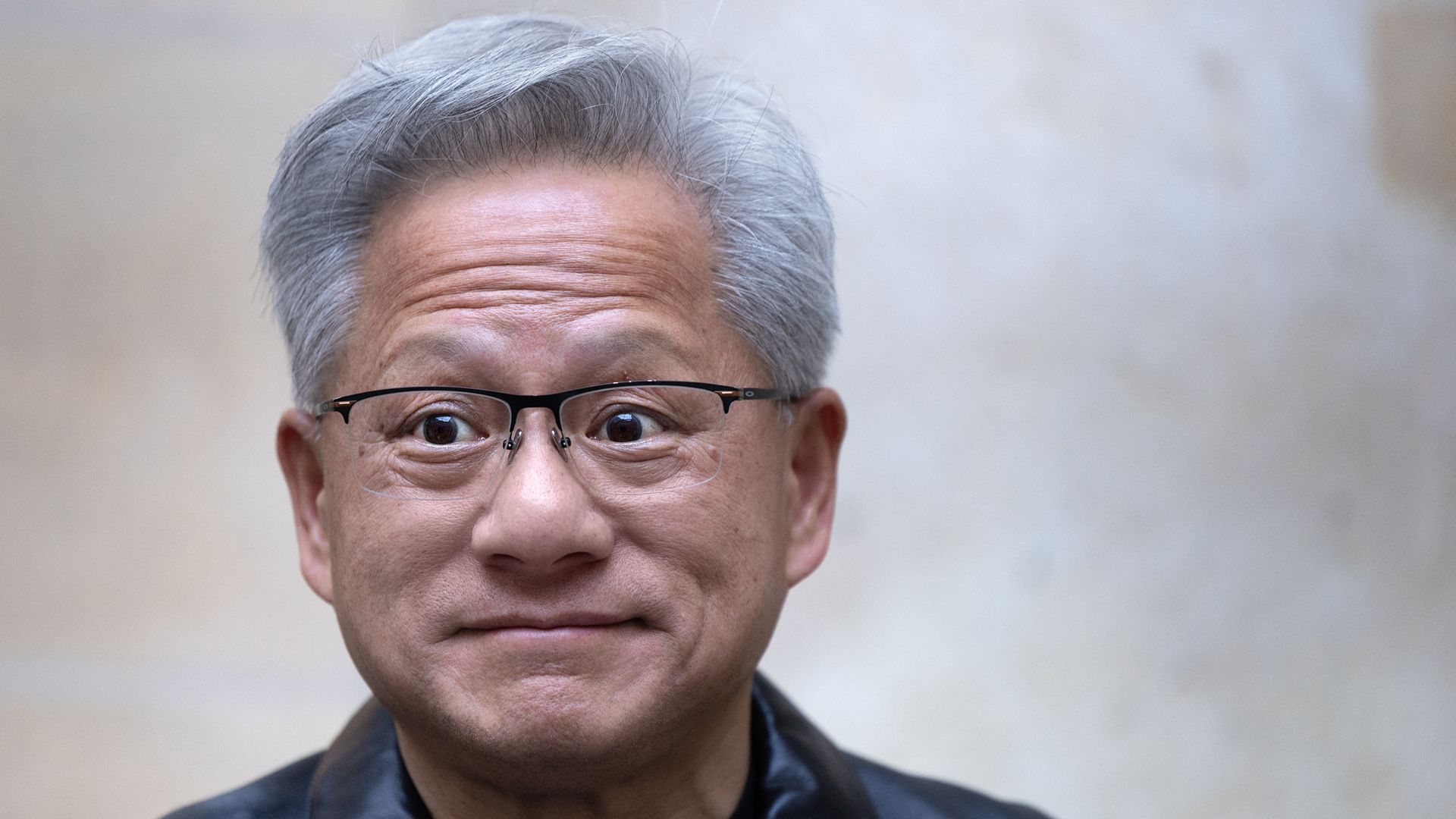
Despite Nvidia's rejection of Huang's return, a rapidly expanding campaign backed by some of Silicon Valley's most influential figures has continued demanding that the board reconsider its decision. The «Stand With Jensen» petition had attracted more than 180,200 signatures by November 16, including names associated with Tesla and SpaceX CEO Elon Musk, Replit CEO Amjad Masad and Epic Games CEO Tim Sweeney. Musk publicly endorsed the effort on X, declaring, «A petition is underway to reinstate Jensen and I'm signing it too.» The campaign also claimed support from thousands of current Nvidia employees and tens of thousands of shareholders, although those professional affiliations were self-reported and had not been independently verified. In an accompanying open letter, supporters argued that Huang deserved an independent investigation before the company made an irreversible decision about his leadership. Prominent investors Gavin Baker of Atreides Management and Brad Gerstner of Altimeter Capital separately urged Nvidia's directors to avoid rushing the succession process before all relevant information became available. However, corporate governance specialists have warned that reinstating Huang while serious allegations remain under examination could expose Nvidia to additional legal and reputational risks, leaving the board facing competing demands from supporters and critics of its former chief executive.
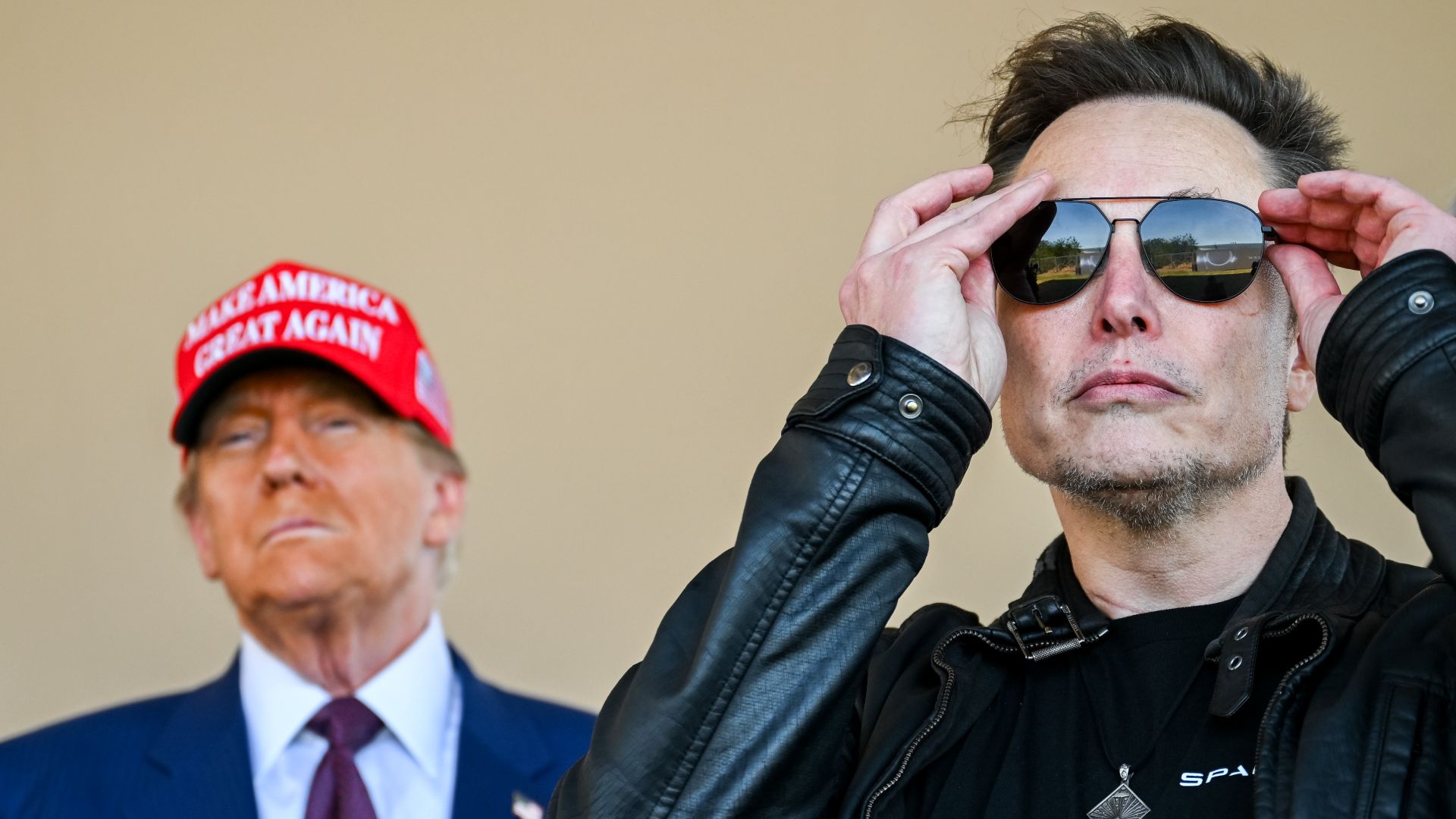
The reinstatement campaign also attracted the attention of Donald Trump, who publicly expressed support for the possibility of Huang returning despite the controversy surrounding his resignation. Speaking to reporters on November 16 before departing for Asia, Trump said he believed the former Nvidia executive had learned from the scandal and indicated that he would not object to the board reinstating him. «I think he learned a big lesson», Trump declared, acknowledging the growing public campaign for Huang's return. His position contrasted with that of Treasury Secretary Scott Bessent, who had advocated a broader leadership overhaul and the appointment of an outside chief executive. The disagreement within the administration underscored Nvidia's importance to American economic and national-security policy, particularly as Washington continues restricting Chinese access to advanced AI computing technology. Trump has maintained a close relationship with Huang, whose company supplies processors essential to the development of increasingly powerful AI systems. However, the president's public endorsement does not give him authority over Nvidia's independent board, which had already decided against reinstatement. The dispute also unfolded amid questions about whether Nvidia's commercial relationships and the government's enforcement of export restrictions had adequately protected sensitive American technology.
The Nvidia board unanimously accepted his resignation and does not intend to reinstate Jensen as CEO.
The controversy surrounding Huang's departure is now extending into a congressional investigation involving allegations of corporate misconduct, possible Chinese intelligence connections and the movement of restricted American AI technology overseas. Huang resigned after reports emerged concerning extramarital relationships, including one involving a businesswoman suspected by American intelligence officials of having connections to Chinese intelligence. Those suspicions remain allegations, and neither an espionage offense by Huang nor the deliberate disclosure of national-security information has been established. Congressional investigators are examining whether Nvidia chips reached Chinese interests through overseas intermediaries, including Megaspeed International, a company that has faced questions concerning possible violations of American export controls. On November 17, the Republican chairmen of three House committees announced that Huang had voluntarily agreed to participate in a transcribed interview on December 1, followed by Nvidia general counsel Tim Teter on December 2. In their joint statement, the lawmakers declared, «We look forward to hearing from Jensen Huang and Tim Teter on their roles in a potential breach of our national security.» The House Intelligence, Foreign Affairs and China Select committees are seeking answers about Nvidia's compliance with export restrictions and the possible involvement of foreign intelligence interests. While Nvidia maintains that it has no reason to believe company secrets or national-security information were compromised, the congressional inquiry ensures that the circumstances of Huang's departure will remain under scrutiny even as Kress leads the company and its directors pursue a permanent successor.
Created by humans, assisted by AI.
Share this post