

/https%3A%2F%2Fcdn-tor.buminteractif.com%2F2026%2F07%2F24151912%2Fhormuz-getty3453gdfgdasa.jpg)
Global oil markets crossed a symbolic threshold on July 23 as Brent crude climbed back above $100 per barrel, underscoring how rapidly the expanding conflict in the Middle East has transformed global energy markets. Brent settled at $100.60 after gaining more than 7% during the session, leaving the international benchmark roughly 29% higher than it was one month earlier and at its strongest level since late May. U.S. benchmark West Texas Intermediate also surged above $91 per barrel as traders reacted to escalating military tensions, renewed threats against critical maritime shipping routes and growing concerns that another prolonged disruption to global oil flows could trigger an even sharper supply shock. The latest rally reflects mounting fears that two of the world's most important energy corridors are simultaneously facing unprecedented security risks, significantly increasing the possibility of further price spikes in the weeks ahead.
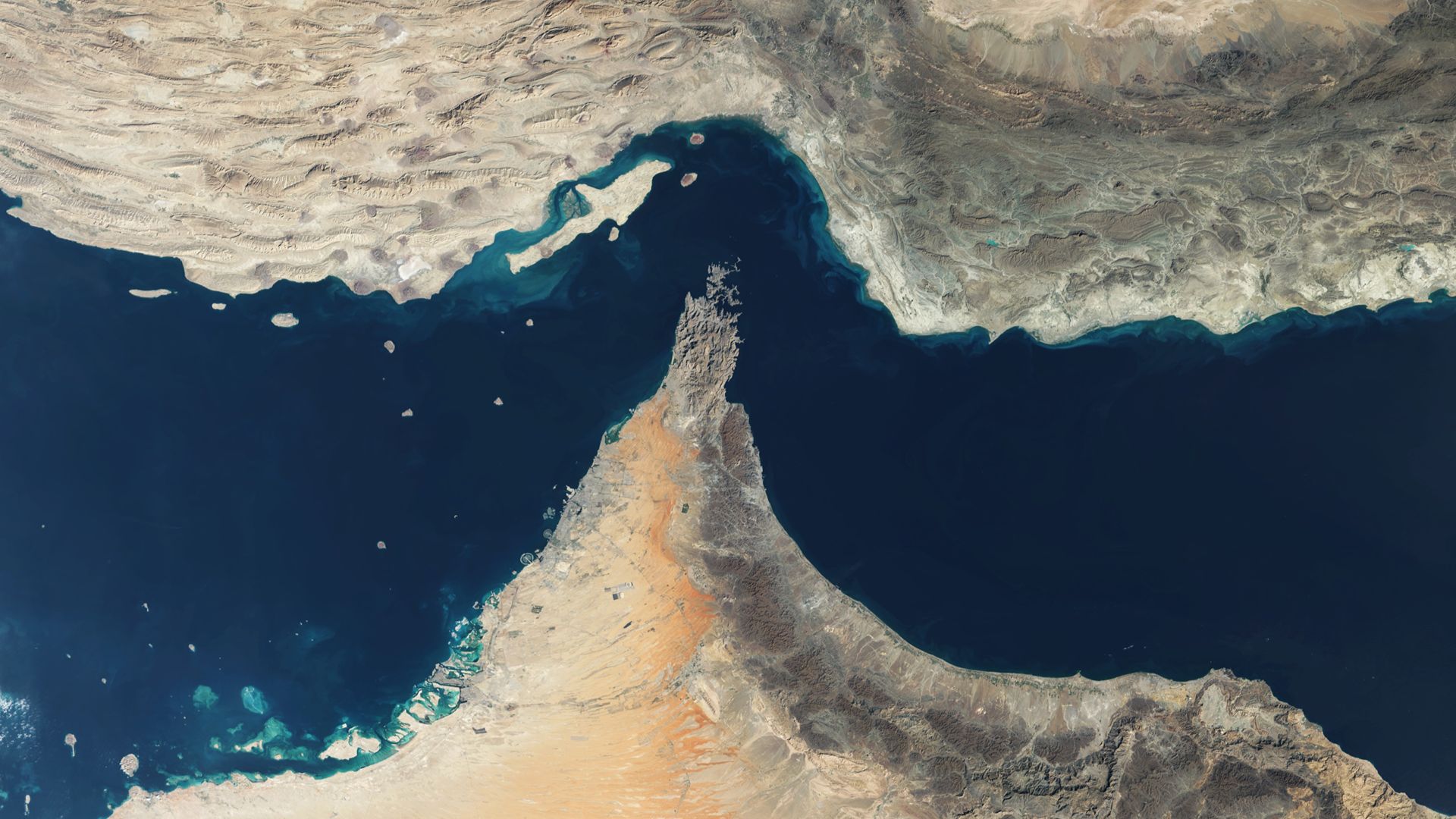
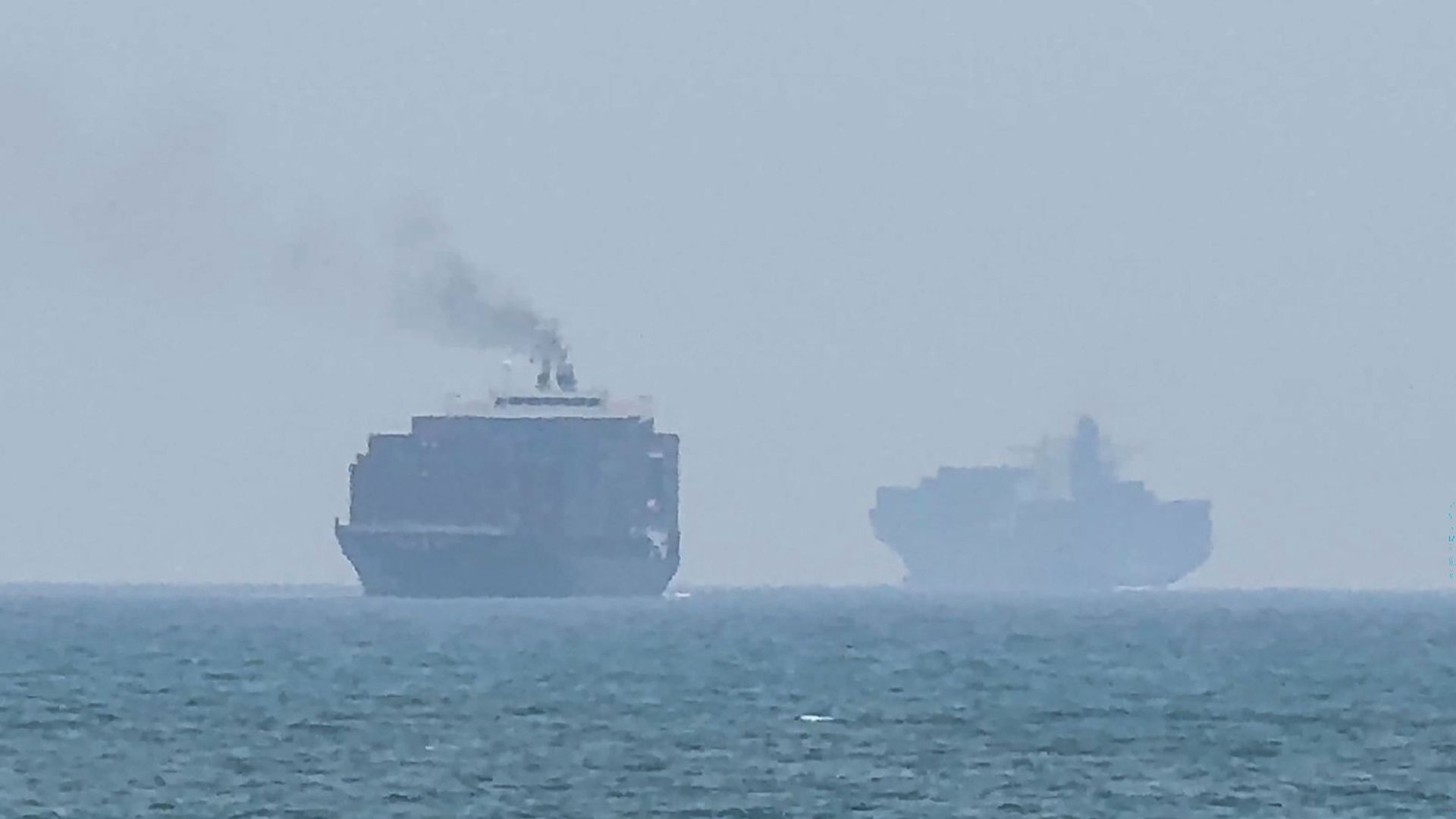
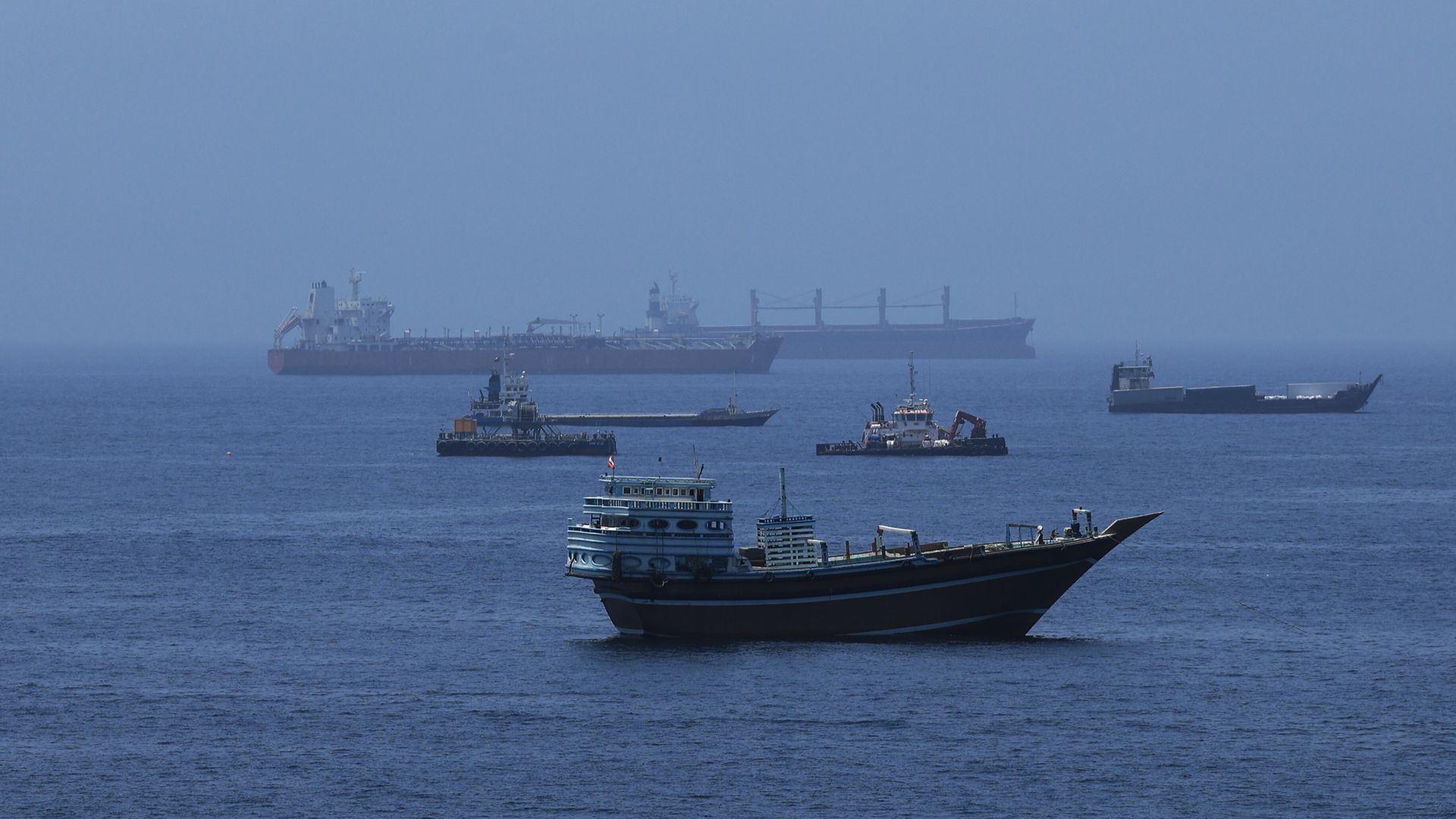
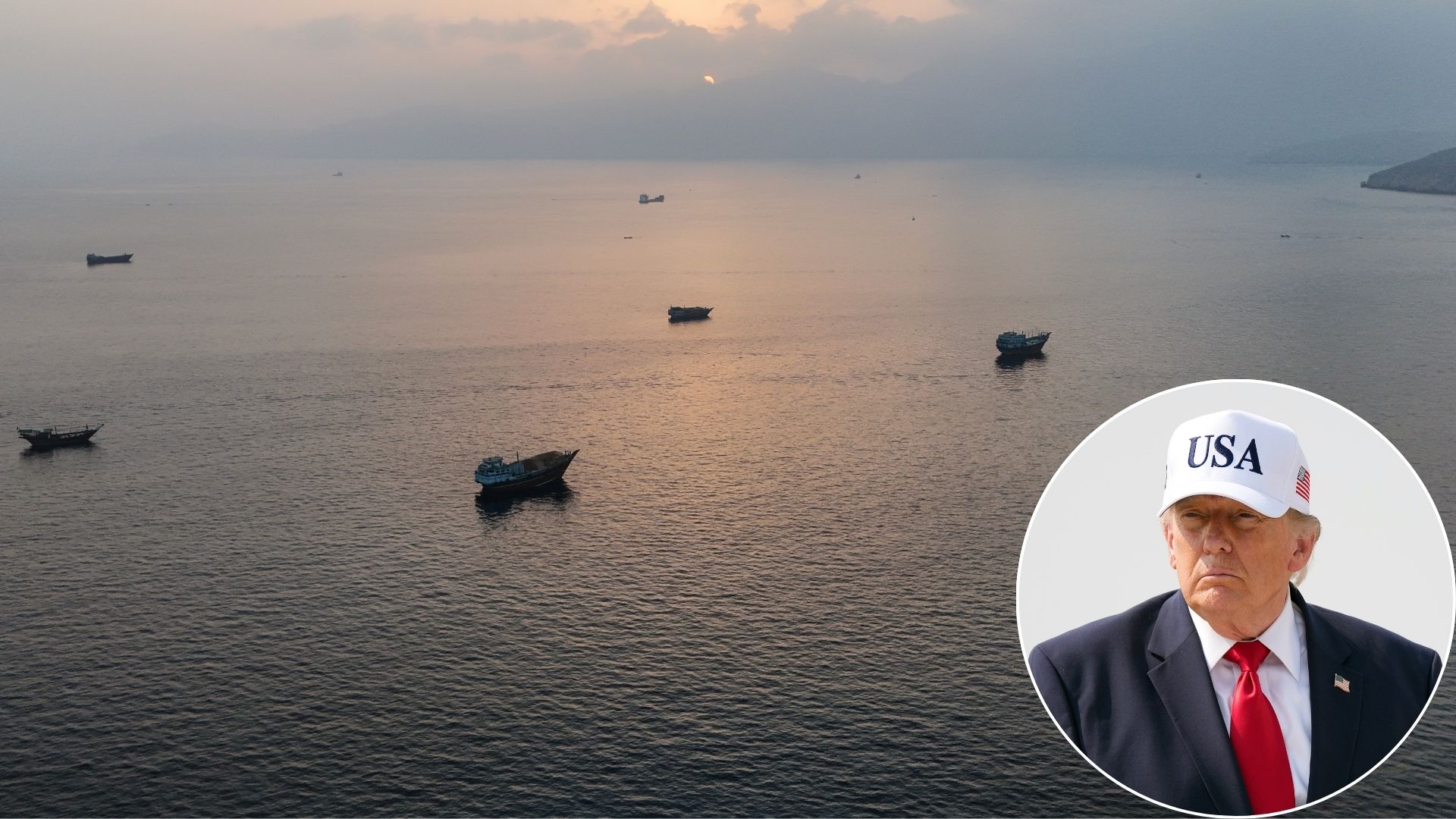
The latest surge comes as shipping through both the Strait of Hormuz and the Red Sea has become increasingly dangerous following the collapse of diplomatic efforts between the United States and Iran. While confrontations around the Strait of Hormuz have already slowed maritime traffic through the passage that carries roughly one-fifth of the world's oil supply, the situation deteriorated further after Iran-backed Houthi militants launched missile and drone attacks against two Saudi Arabian oil tankers operating in the Red Sea. Those attacks threaten one of the principal alternative routes used by exporters attempting to avoid Hormuz, raising fears that another major maritime chokepoint could become partially inaccessible. Together, the Strait of Hormuz and the Bab al-Mandab gateway handle a significant share of global crude exports, meaning prolonged disruptions across both waterways would severely restrict the movement of oil from the Persian Gulf to international markets.
The possibility of a prolonged energy crisis
Financial markets reacted swiftly as investors priced in the growing possibility of a prolonged energy crisis. Wall Street recorded broad losses, with the Dow Jones Industrial Average falling approximately 525 points, while the S&P 500 declined 1.2% and the Nasdaq dropped 2.2% as higher energy prices fueled renewed inflation concerns. The impact is already being felt by consumers, with the national average price of regular gasoline in the United States climbing to $4.09 per gallon, roughly 37% above levels recorded before the latest phase of the conflict. Diesel prices have risen even more sharply, averaging $5.19 per gallon, about 39% higher than pre-war levels. Economists warn that sustained triple-digit oil prices effectively function as a tax on households and businesses, increasing transportation and manufacturing costs before ultimately pushing up the prices consumers pay for groceries, consumer goods and countless everyday products throughout the global economy.
The pressure on energy markets has been amplified by refining constraints that extend well beyond the Middle East. Russia, one of the world's largest exporters of petroleum products, has struggled to maintain normal refining operations after repeated Ukrainian drone strikes damaged key domestic energy infrastructure. In response to tightening supplies at home, Moscow imposed a ban on diesel exports in early July in an effort to protect its internal market and stabilize fuel availability. That decision removed additional volumes from an already constrained global market, where refining capacity had been under pressure for months because of conflict-related disruptions. Analysts note that even when crude prices temporarily eased during June, refined fuel prices remained elevated because refineries around the world lacked sufficient spare capacity to quickly replace lost production. The combination of reduced exports, refinery bottlenecks and growing geopolitical uncertainty has left diesel and gasoline markets especially vulnerable to further shocks.
Another factor magnifying the latest rally is the rapid depletion of global emergency oil inventories over the past several months. Governments and commercial operators have relied heavily on stockpiled crude and refined fuels to cushion repeated disruptions caused by the conflict, consuming more than one billion barrels of oil and petroleum products that previously served as a buffer against supply interruptions. While those inventories initially helped stabilize prices, they have now fallen to levels that leave the market significantly more exposed to sudden geopolitical events. With far less excess oil available for immediate release, any prolonged disruption to exports from the Persian Gulf or surrounding regions could produce a much sharper market reaction than earlier in the year. Energy analysts warn that inventories can no longer absorb extended supply losses as effectively as they once could, increasing the likelihood of heightened price volatility if tensions continue to escalate.
Under pressure
The current surge reflects more than a temporary market reaction—it highlights growing concern that the global oil industry is confronting simultaneous threats to both of its principal maritime arteries. The Strait of Hormuz, responsible for transporting roughly 20% of the world's oil supply, remains under pressure as military confrontations between the United States and Iran continue to disrupt commercial shipping through the Gulf of Oman. At the same time, renewed Houthi attacks in the Red Sea threaten the Bab al-Mandab corridor, the alternative route increasingly used by tankers attempting to bypass Hormuz. Together, these waterways facilitate the movement of millions of barrels of crude every day, making any sustained disruption capable of reshaping global energy markets. With diplomatic efforts stalled, inventories depleted and refining capacity constrained, investors are increasingly preparing for the possibility that oil prices could remain elevated—or climb even higher—if the conflict widens further.
Created by humans, assisted by AI.
 Trump bought the stocks. Then promoted them. «There's nothing illegal.»
 Analysis: Trump's proposal to become the “guardian” of the Strait of Hormuz — geopolitical and economic implications and risks for the oil market