

/https%3A%2F%2Fcdn-tor.buminteractif.com%2F2026%2F07%2F02174124%2Fsam-altman-getty3453gdfgdfg345345.jpg)
The company behind ChatGPT is reportedly considering an unprecedented partnership with the US government that could reshape the relationship between Silicon Valley and Washington. According to reports from CNN and the Financial Times, OpenAI has discussed a proposal that would see the Trump administration receive a 5% equity stake in the artificial intelligence company as part of a broader framework allowing the American public to benefit from the rapid expansion of AI. Based on OpenAI's March valuation of approximately $852 billion, such a stake would be worth roughly $42.6 billion, making it one of the largest government-linked equity positions ever contemplated in the private technology sector. While discussions remain in their early stages and no formal agreement has been announced, the proposal reflects how artificial intelligence has evolved beyond a commercial technology into an issue increasingly tied to national security, economic competitiveness and long-term US industrial policy.
The reported discussions come as President Donald Trump continues making American leadership in artificial intelligence a central objective of his administration. Rather than approaching AI solely as an emerging technology requiring regulation, the White House has increasingly described frontier AI as a strategic asset comparable to previous technological revolutions that reshaped global power. Administration officials have focused on expanding domestic semiconductor production, accelerating construction of large-scale data centers, strengthening the electrical grid needed to support next-generation computing and maintaining export restrictions designed to preserve America's lead over geopolitical rivals, particularly China. At the same time, federal agencies have expanded cooperation with leading AI developers as Washington seeks to ensure that the United States remains at the forefront of the rapidly intensifying global race for advanced artificial intelligence.
«Artificial intelligence will reshape the material conditions of human life on a scale that no technology has accomplished since the harnessing of electricity, and perhaps beyond even that.»
-OpenAI Chief Executive Officer Sam Altman
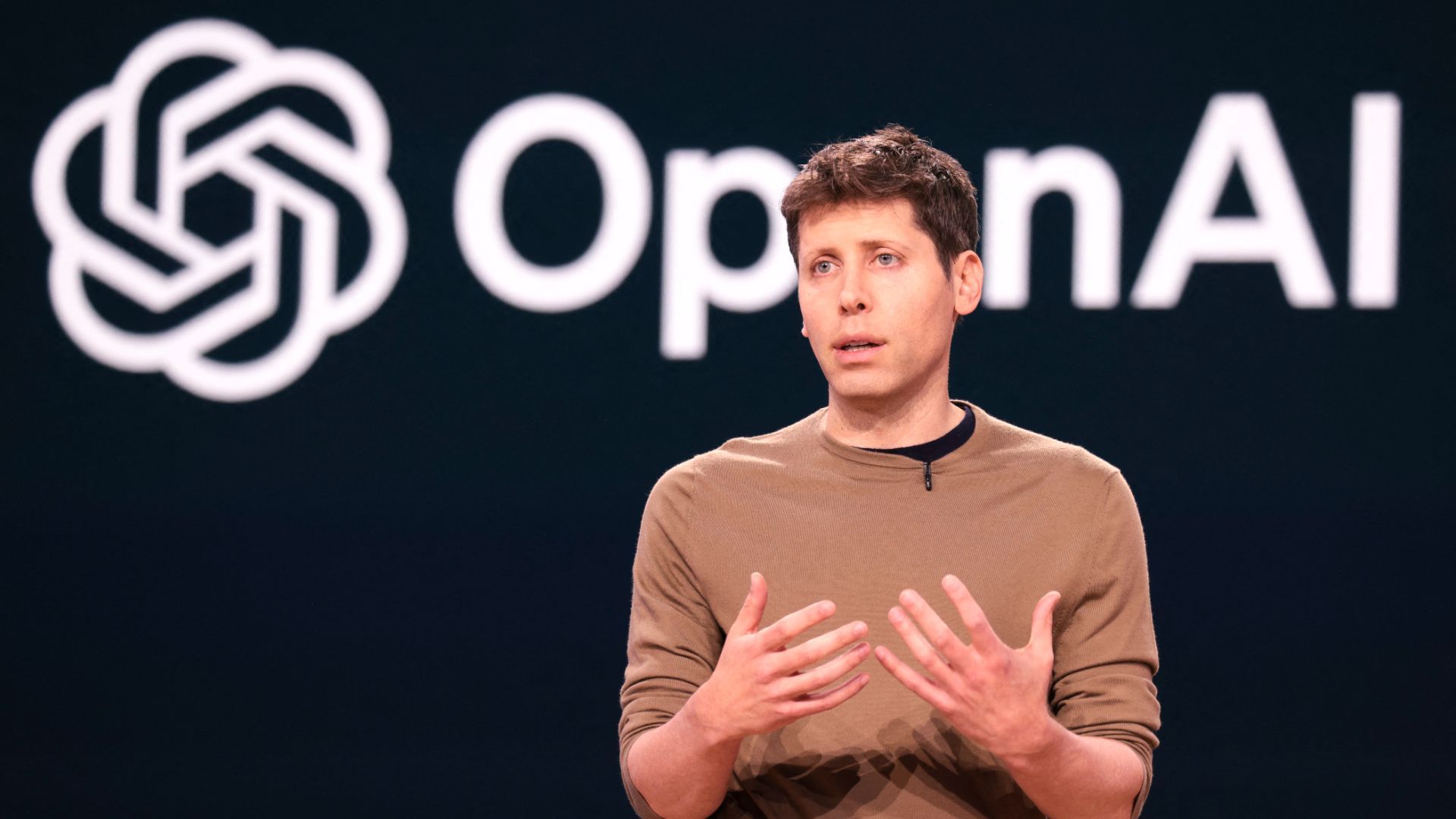
OpenAI Chief Executive Officer Sam Altman has publicly argued that the benefits created by artificial intelligence should extend beyond private investors and technology companies. In recent public comments, Altman described AI as a transformational force unlike anything seen in generations, writing, «Artificial intelligence will reshape the material conditions of human life on a scale that no technology has accomplished since the harnessing of electricity, and perhaps beyond even that.» He also emphasized the strategic importance of continued American leadership, stating, «Evidence of AI's economic value, importance to national security and acceleration of scientific discovery is becoming clear.» Looking ahead, Altman projected that the pace of innovation will continue accelerating, adding, «In another year or two, we expect to have built systems with astonishing power, capable of delivering tremendous value to the world.»
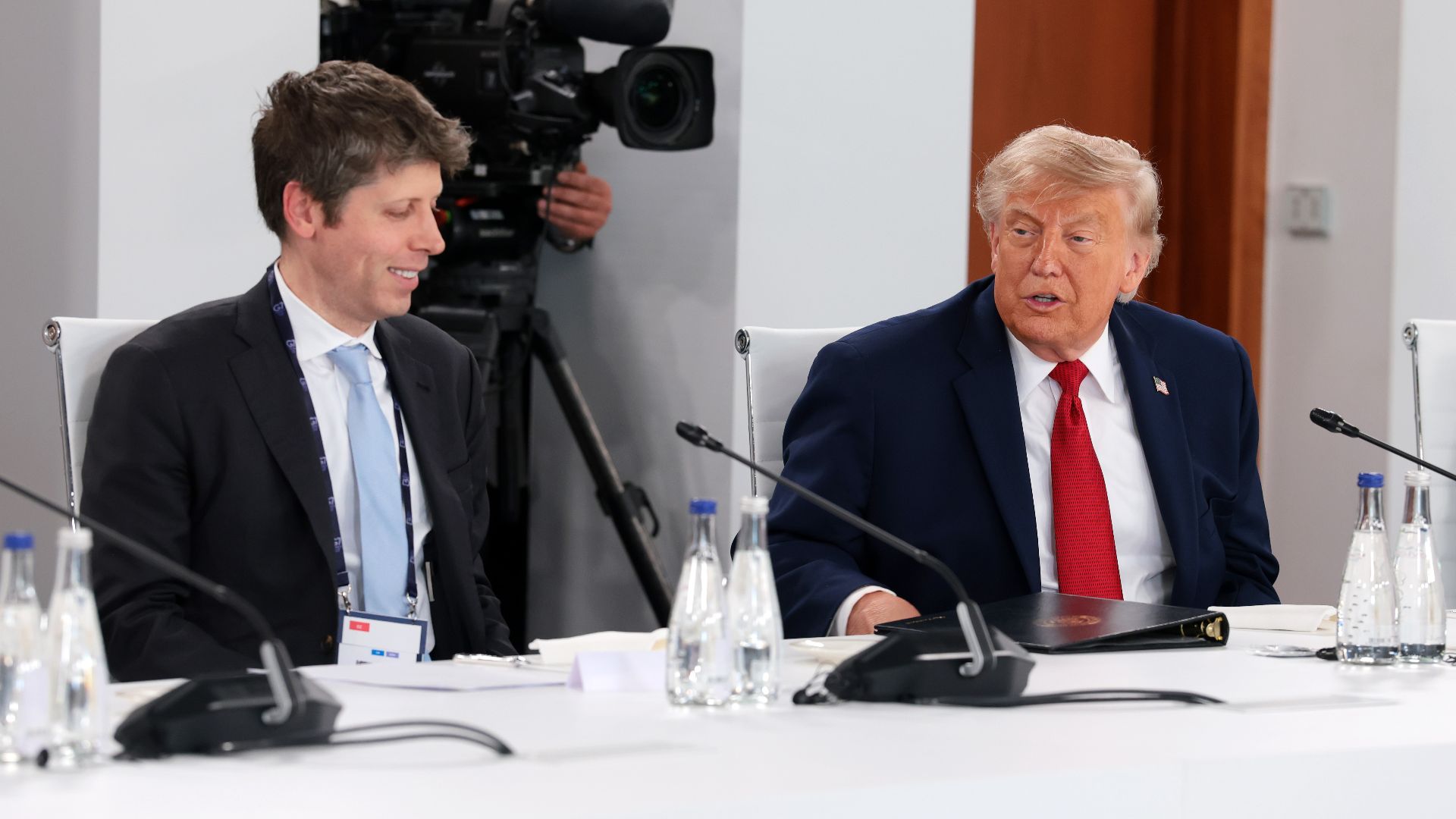
The proposal reportedly being discussed would represent a significant departure from the traditional relationship between government and private technology companies. According to reports, OpenAI executives have explored the possibility of allocating a 5% equity stake to a government-backed investment vehicle modeled after the Alaska Permanent Fund, which distributes returns generated from the state's natural resources for the benefit of residents. Sam Altman has previously advocated for what OpenAI describes as a “public wealth fund,” arguing that artificial intelligence should generate broad economic benefits rather than concentrating wealth among a relatively small number of investors. Such a framework, if ultimately adopted, could allow future AI-driven profits to support public initiatives while reinforcing the government's role as a long-term stakeholder in one of America's fastest-growing industries.
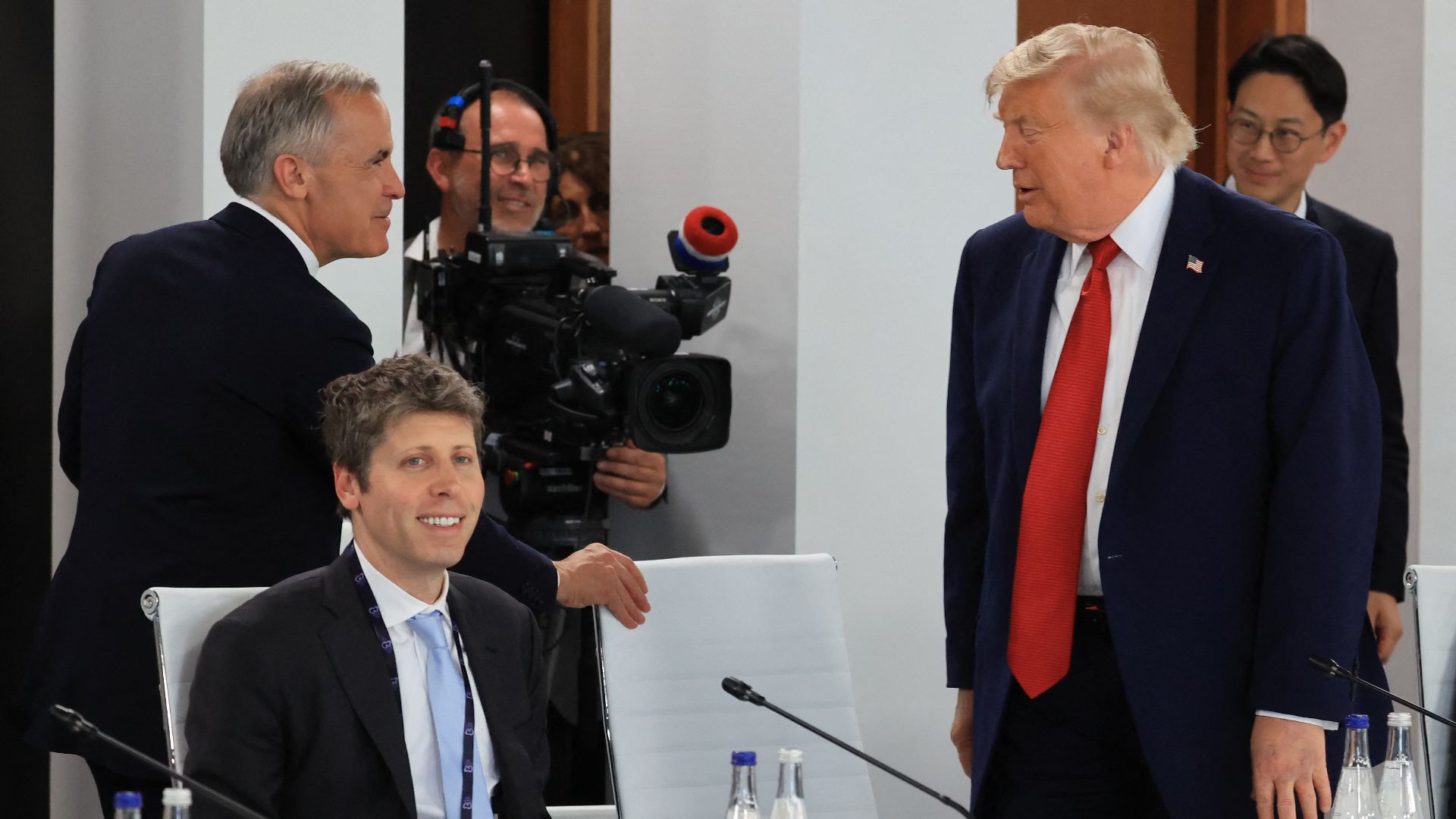
The discussions also reflect the rapidly changing geopolitical landscape surrounding artificial intelligence. Competition between the United States and China has transformed AI development into one of the defining strategic priorities of the decade, with both governments investing heavily in computing infrastructure, semiconductor manufacturing and advanced research. Washington has increasingly linked AI leadership to national security, scientific innovation and future economic growth, while expanding partnerships with leading developers including OpenAI and other frontier AI laboratories. At the same time, officials continue working to address one of the industry's greatest challenges: the enormous energy demands required to train and operate increasingly powerful AI systems. Federal initiatives supporting new nuclear technologies, advanced geothermal projects, grid modernization and expanded data-center capacity have become central pillars of America's long-term AI strategy.
«Evidence of AI's economic value, importance to national security and acceleration of scientific discovery is becoming clear.»
-OpenAI Chief Executive Officer Sam Altman
Although no formal agreement has been announced and any proposal involving government ownership would likely face significant political, legal and congressional scrutiny, the reported discussions illustrate how dramatically the AI landscape has evolved in just a few years. What began as a race among private technology companies has increasingly become a national strategic effort involving government, industry and critical infrastructure. Whether or not a 5% public stake ultimately materializes, the conversations themselves underscore the growing belief in Washington that artificial intelligence will shape America's economic strength, military capabilities and global influence for decades to come. If implemented, the proposal could establish an unprecedented model for public participation in the financial gains generated by frontier AI while reinforcing the United States' ambition to remain the world's leading AI superpower.
Created by humans, assisted by AI.
 Godfather of AI blasts Musk's xAI as failure, claims there is an AI bubble
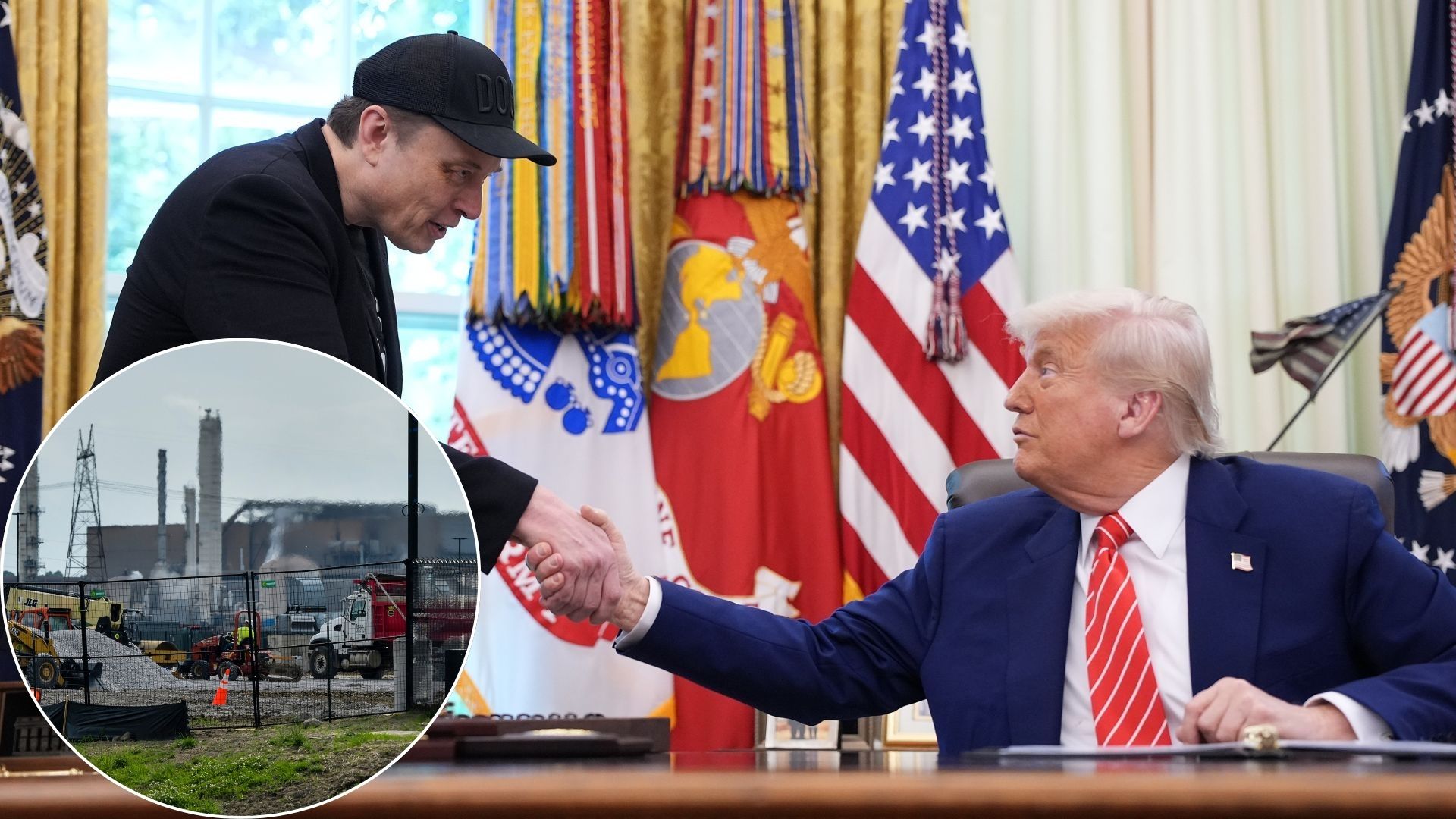 Trump DOJ moves to kill air pollution lawsuit against xAI data center