PlayStation Lawsuit Explodes After Sony Claims «Reasonable Consumers» Know They Don’t Actually Own the Games They Buy


/https%3A%2F%2Fcdn-tor.buminteractif.com%2F2026%2F09%2F01183908%2Fweqwezdxcdf456345fgdfg.jpg)
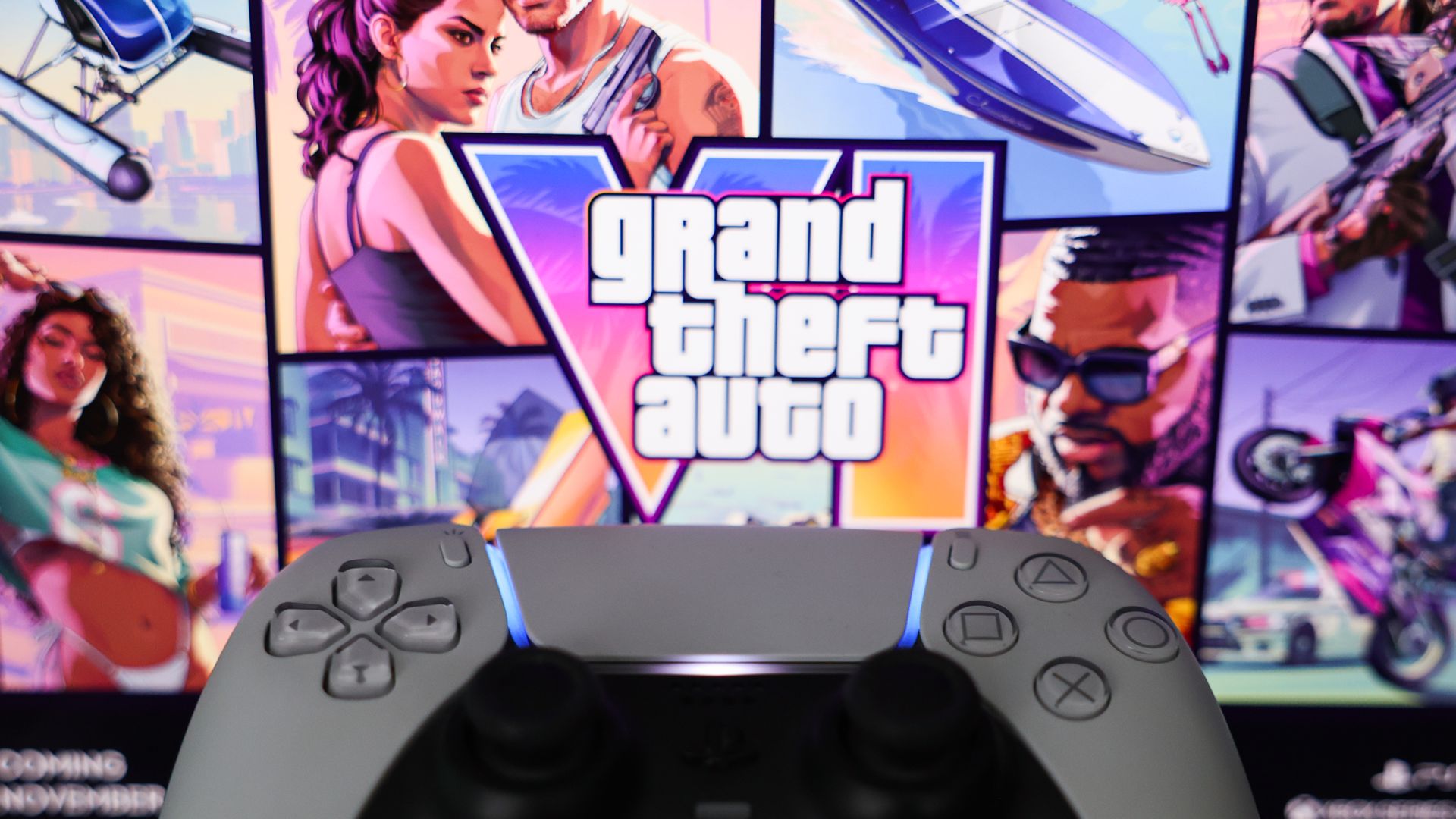
Sony Interactive Entertainment has sparked controversy in a major California lawsuit just as PlayStation prepares for one of the biggest gaming launches in its history with Grand Theft Auto VI. The legal dispute centers on whether players truly own digital games purchased through the PlayStation Store or whether they only receive a limited, revocable license. The controversy comes at a sensitive moment for the gaming industry, as GTA VI is expected to launch without a traditional physical disc version on consoles, with physical editions reportedly using a «code in a box» system rather than actual game media. The lawsuit has reignited a broader debate over digital ownership, consumer rights, and whether buying a game today really means owning it.
The class-action lawsuit against Sony Interactive Entertainment was filed in June 2026 by four PlayStation users who argue that Sony's digital storefront practices may mislead consumers. The plaintiffs claim that terms such as «Buy Now,» «Add to Cart,» and «Confirm Purchase» create the impression that customers permanently own the games they purchase, similar to buying a physical copy at a retail store. According to the lawsuit, Sony's PlayStation Store does not provide enough clear warnings that digital purchases are actually licenses that can potentially be revoked or restricted. The case relies heavily on California's Digital Goods Law, also known as Assembly Bill 2426, which requires companies to clearly inform consumers when they are obtaining a license rather than full ownership of a digital product.
«Software is licensed to you, not sold.»
-Sony's legal defense argument
The legal battle is centered around whether Sony properly explains the difference between owning a physical game and purchasing access to a digital version. The plaintiffs argue that reasonable consumers may believe they are buying an asset they can keep permanently, especially because Sony continues using traditional retail language associated with ownership. They claim that the company's wording violates consumer protection laws, including California's False Advertising Law and Consumer Legal Remedies Act. The lawsuit points to several purchases made by the plaintiffs, including multiple NBA 2K and Madden titles as well as Resident Evil Requiem, arguing that these transactions demonstrate how customers interpret digital purchases. Sony, however, strongly disputes those claims and argues that consumers understand digital games are licensed products rather than traditional property.
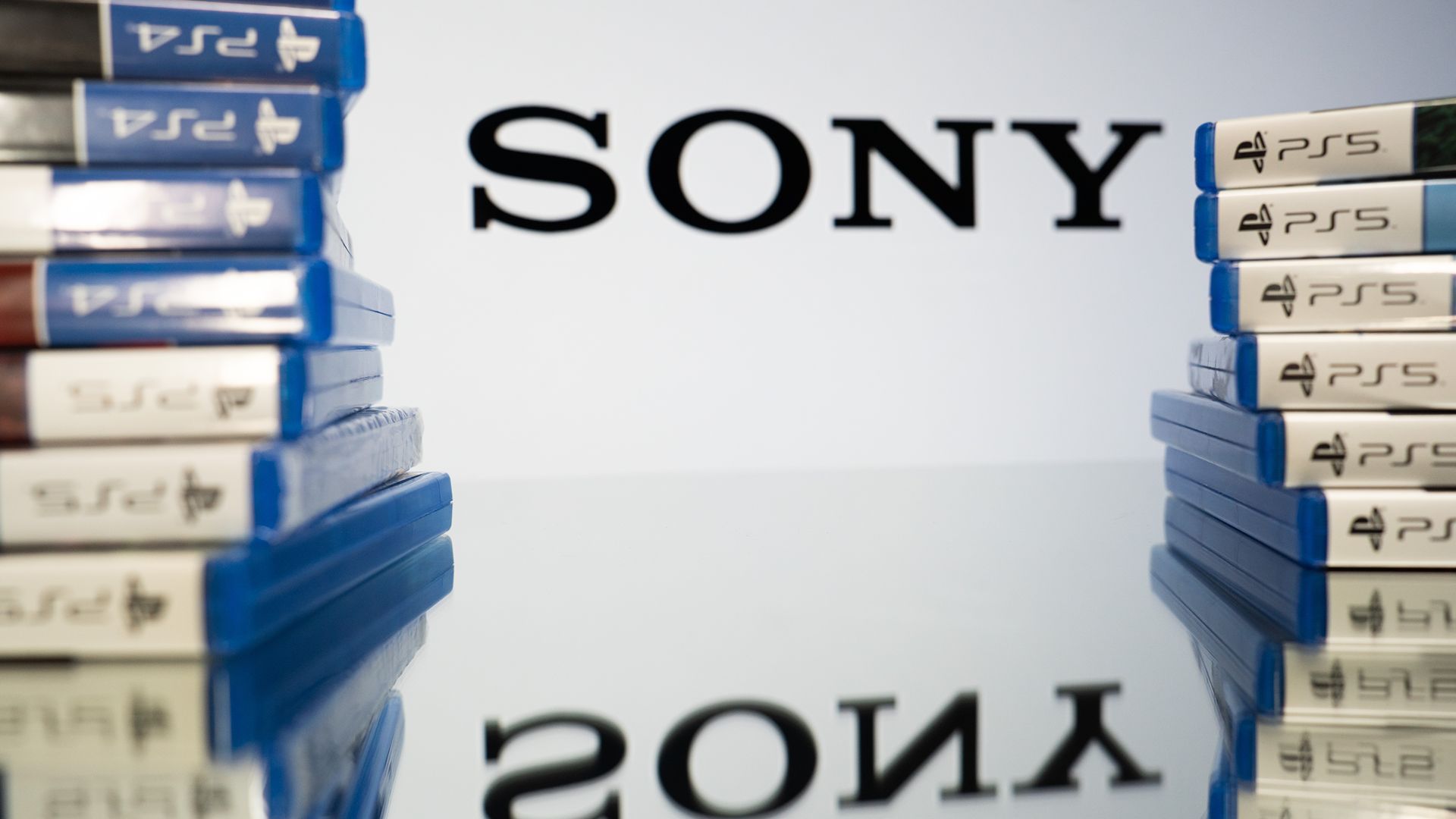
Sony's legal defense has become the most controversial part of the dispute, with the company arguing that reasonable consumers should already understand they are purchasing access to digital software rather than owning a permanent copy. In court filings submitted on August 21, 2026, Sony argued that «reasonable consumers would not be misled» by the PlayStation Store's language and defended its current purchasing system. The company's lawyers presented a technical argument that true ownership of a digital game would be impossible because multiple users can obtain the same title at the same time. Sony used the example of Resident Evil Requiem, arguing that if one player truly owned the digital game after purchasing it, another customer would not later be able to acquire the same title because ownership would belong exclusively to the first buyer.
Sony also argued that its existing terms of service already inform users that they receive licenses rather than traditional ownership rights. The company pointed to language in its Software License Agreement stating: «Software is licensed to you, not sold.» According to Sony, this disclosure is legally sufficient even if most consumers do not read lengthy user agreements before completing purchases. Beyond the ownership debate, Sony is also attempting to prevent the case from reaching a full jury trial by requesting that the dispute move into private arbitration. The company argues that PlayStation users agreed to arbitration clauses when creating their accounts, meaning individual legal disputes should be handled privately rather than through a class-action lawsuit. The outcome of this argument could determine whether the broader challenge against digital storefront practices moves forward.
A «code in a box»
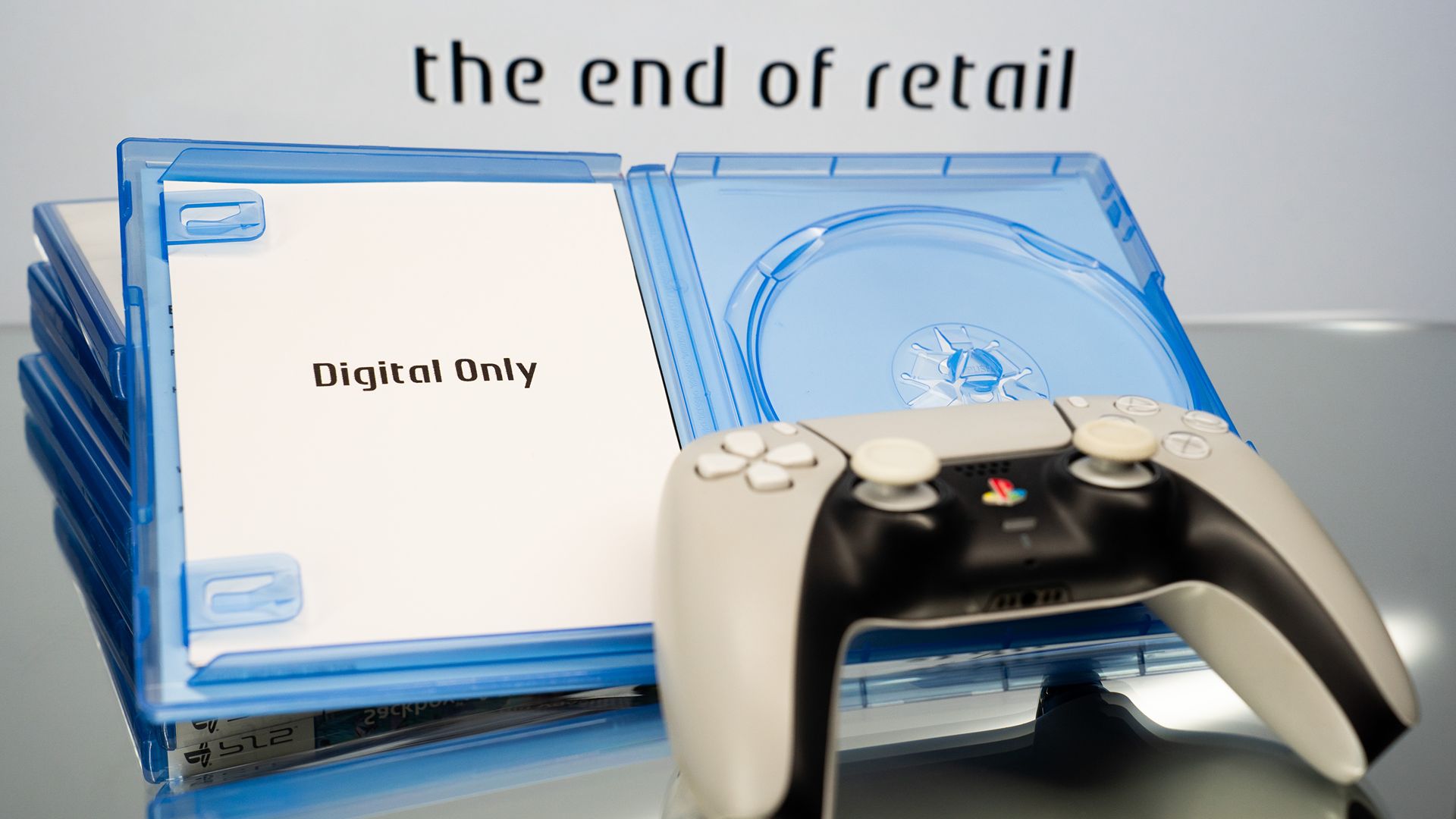
The controversy arrives as the gaming industry moves deeper into a digital-only future, with Grand Theft Auto VI becoming a major example of the changing relationship between players and physical media. Although GTA VI will be available through retail stores, physical editions are expected to use a «code in a box» format rather than containing an actual game disc. Buyers would receive a physical package with a download code, but the game itself would still exist entirely as a digital license tied to a user account. Critics argue that this eliminates many traditional benefits of physical ownership, including the ability to resell, trade, or lend a copy. With the lawsuit potentially affecting platforms beyond PlayStation, including Nintendo and Steam, the case could force the industry to reconsider how digital purchases are described to consumers. If courts side with the plaintiffs, storefronts may be required to replace familiar terms like «Buy Now» with clearer language explaining that customers are purchasing a digital license rather than owning a permanent copy.
Created by humans, assisted by AI.
 Meta settles $1.4 trillion social media addiction lawsuit for up to $17 billion, denies wrongdoing
 Bill Gates sounds the alarm on AI, accuses big tech of downplaying the risks