«Preliminary but landmark» Trade and Tariff Deals Signal Turnaround in China–Canada Relations


/https%3A%2F%2Fcdn-tor.buminteractif.com%2F2026%2F01%2F16170058%2Fcanada-china-carney-getty-435345234243.jpg)
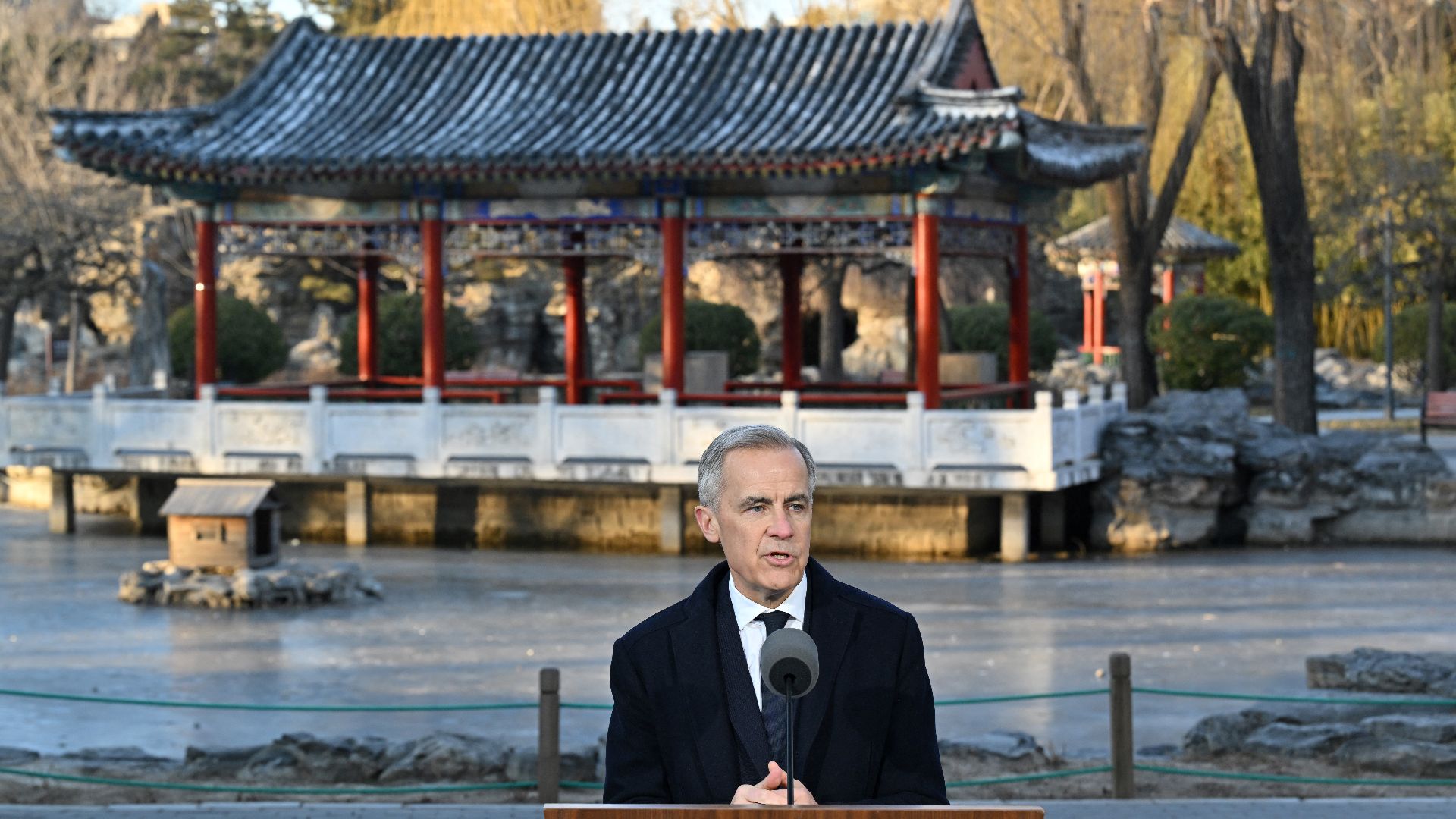
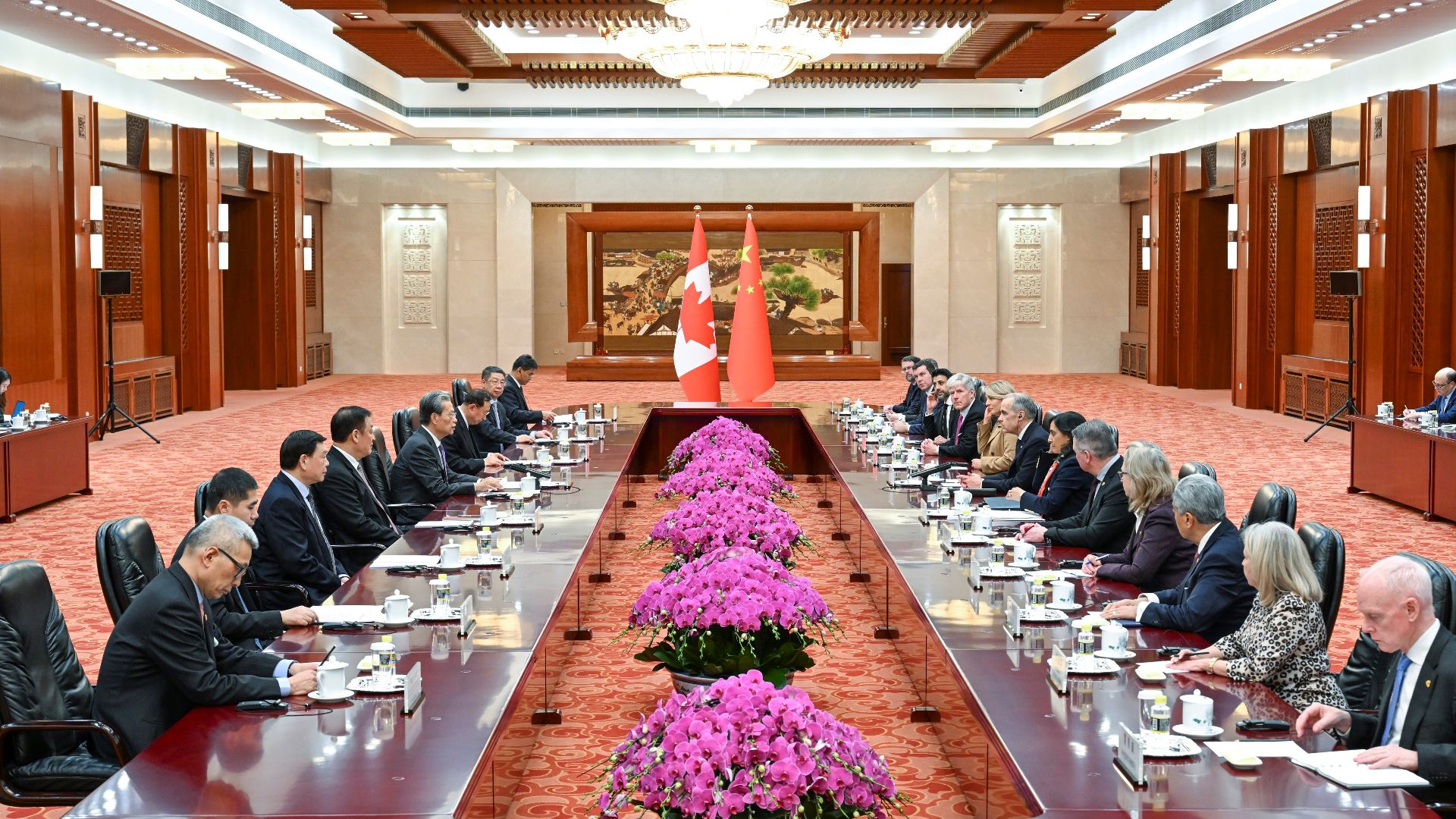
The first agreements announced between China and Canada form a bundled package rather than a single deal, marking what Ottawa has described as a “landmark” reset after years of strained diplomatic and economic relations. Speaking in Beijing at the start of a multiday foreign trip, Mark Carney framed the deal as a pragmatic recalibration driven by global realities, arguing that China has become a more predictable partner than the United States amid escalating trade pressure from the Trump administration. Analysts note that the agreement reflects Canada's broader effort to diversify trade ties away from heavy reliance on the U.S., even as officials acknowledge that mistrust, security concerns and human-rights issues with Beijing have not disappeared.

In concrete terms, the package includes a tariff-quota arrangement allowing up to 49,000 Chinese electric vehicles into the Canadian market, replacing the 100 per cent tariff imposed in 2024, in exchange for major concessions on Canadian agricultural exports. Ottawa expects Beijing to cut canola seed duties to 15 per cent from 84 per cent by March, a move Carney called «enormous progress», while tariffs on Canadian canola meal, lobsters, crabs and peas will be removed from March through at least the end of 2026. The agreement also includes commitments to expand tourism and cultural ties, with China pledging visa-free travel for Canadians, though the EV component has already drawn criticism from Ontario Premier Doug Ford, underscoring the political and economic risks embedded in Canada's pivot.
The agreement has already triggered unease in Washington, where U.S. officials have signaled displeasure with Canada's decision to deepen economic ties with Beijing at a moment of heightened trade friction. According to U.S. trade officials cited in international reporting, the move is seen as problematic and could complicate future negotiations over the Canada–U.S.–Mexico Agreement, as the Trump administration continues to wield tariffs as leverage against allies and rivals alike. For Ottawa, however, the backlash underscores the very rationale behind the pivot: reducing vulnerability to an increasingly unpredictable U.S. trade posture by broadening its network of partners, even as it risks short-term diplomatic strain with its closest ally.
This content was created with the help of AI.
