

/https%3A%2F%2Fcdn-tor.buminteractif.com%2F2026%2F01%2F14205627%2Fmusk-tesla-getty34534gdvb.jpg)
Tesla's electric vehicle sales have continued to slide since Elon Musk returned to the helm of the company after stepping away for several months during his controversial role in the Trump administration earlier this year, a period that coincided with growing political backlash and uncertainty around the brand. Musk's return initially reassured investors, helping lift the stock on expectations that he would refocus on Tesla's core business and accelerate long-promised innovations. Yet months later, that optimism has yet to translate into operational results. The robotaxi program Musk once framed as Tesla's future growth engine remains largely at a standstill, far from the scale he promised, while vehicle deliveries continue to decline amid weaker demand, rising competition and consumer fatigue. The gap between Musk's bold commitments and Tesla's current performance is widening, raising fresh questions about whether his return can reverse the company's downward sales trajectory.
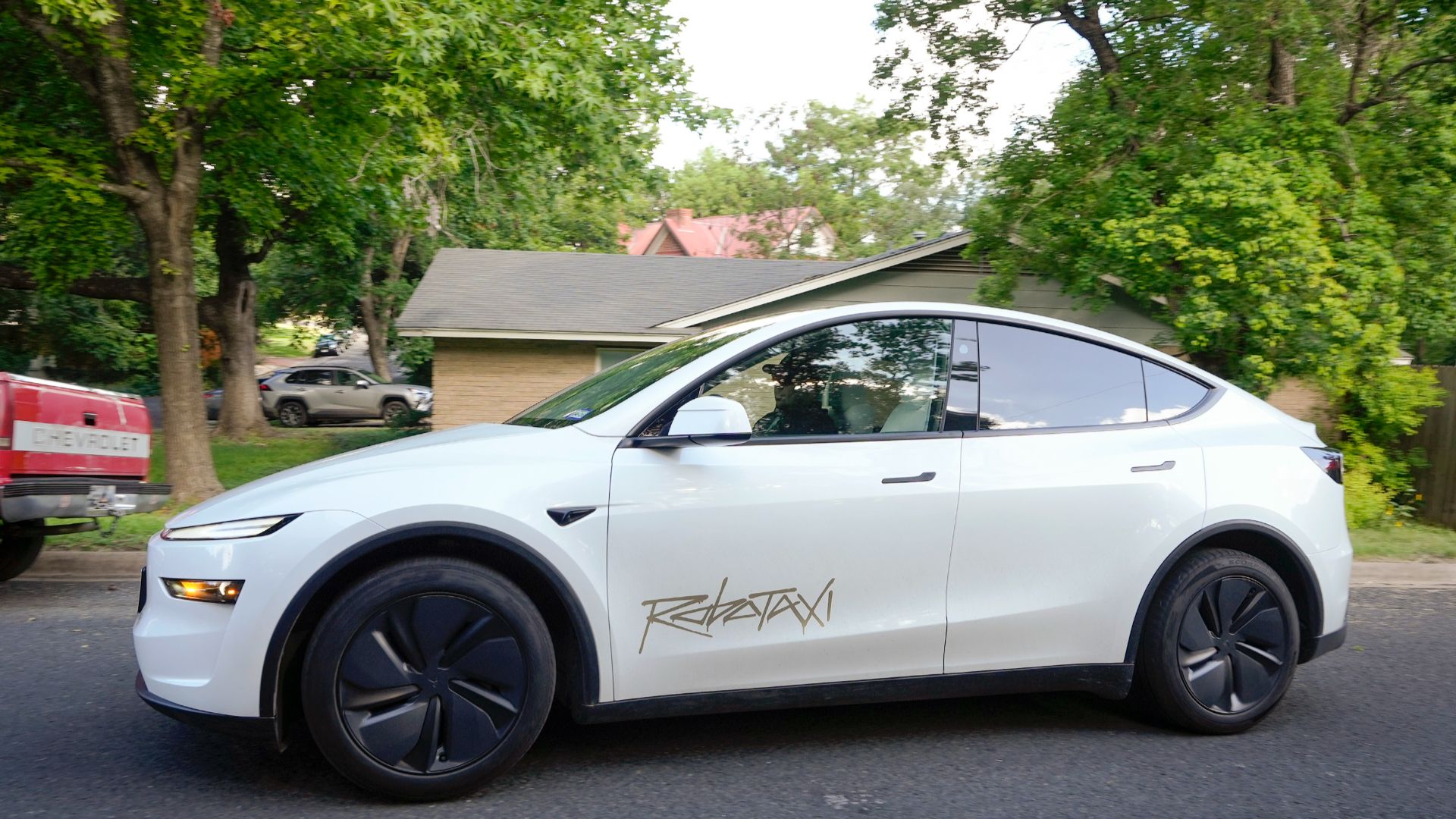
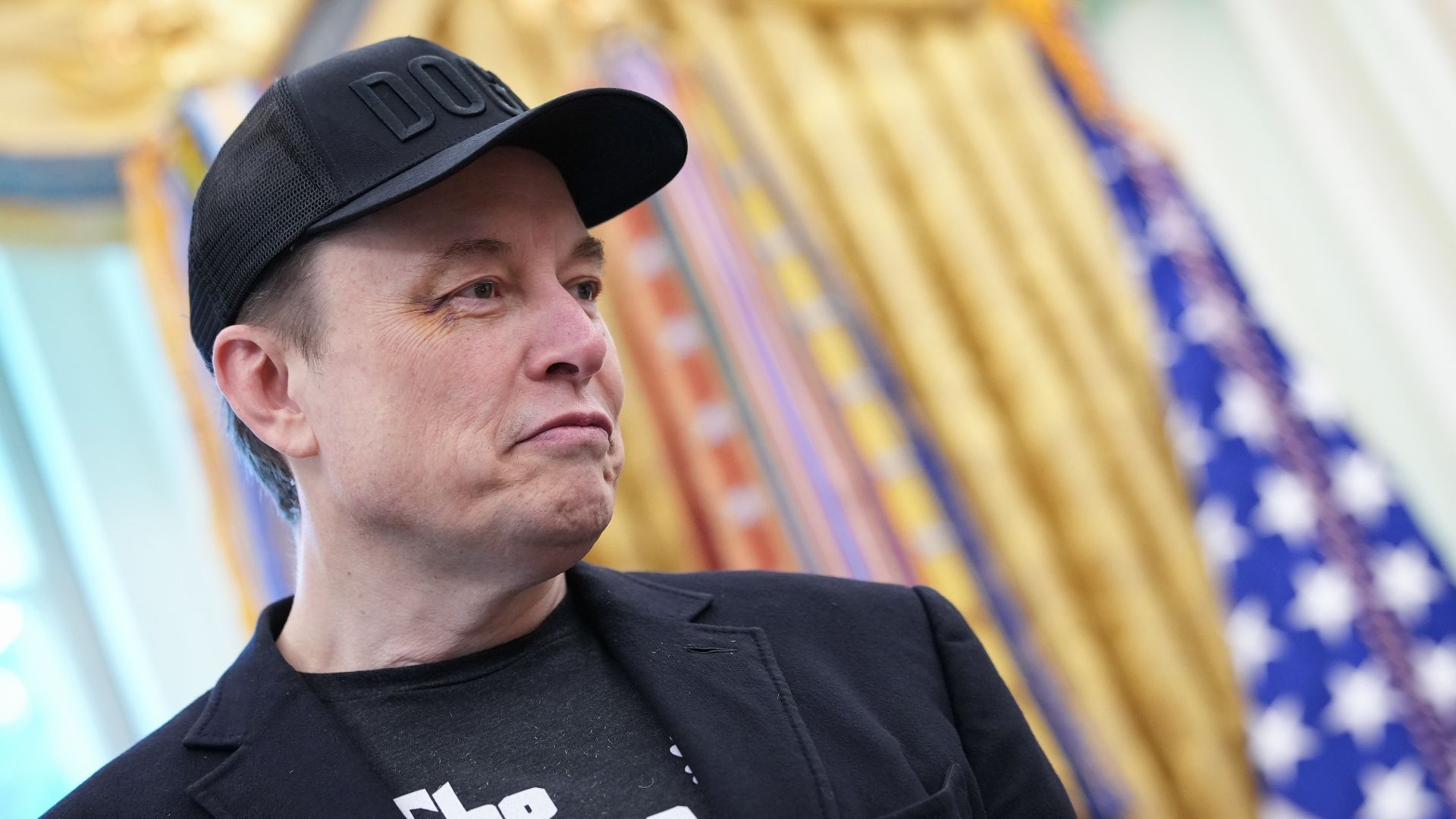
Tesla's financial strain is increasingly reflected in both its sales figures and the slow pace of its most ambitious project. The company's global EV sales fell by a record 9% in 2025, with U.S. demand plunging nearly 50% between the third and fourth quarters, leaving overall deliveries down 16% year over year, even as competition intensifies and incentives fade. Meanwhile, Tesla's robotaxi program remains confined to limited pilot markets and still relies on human safety monitors, far from the fully autonomous breakthrough Elon Musk promised six months ago. This period has also coincided with Musk stepping back from day-to-day involvement in the Trump administration after a public fallout between the two, a relationship that appears to have stabilized since. The rift escalated when Musk alleged on X that «@realDonaldTrump is in the Epstein files. That is the real reason they have not been made public», a post he later deleted, but one that nonetheless dragged Trump deeper into renewed Epstein-related scrutiny as Tesla's core business continued to falter.
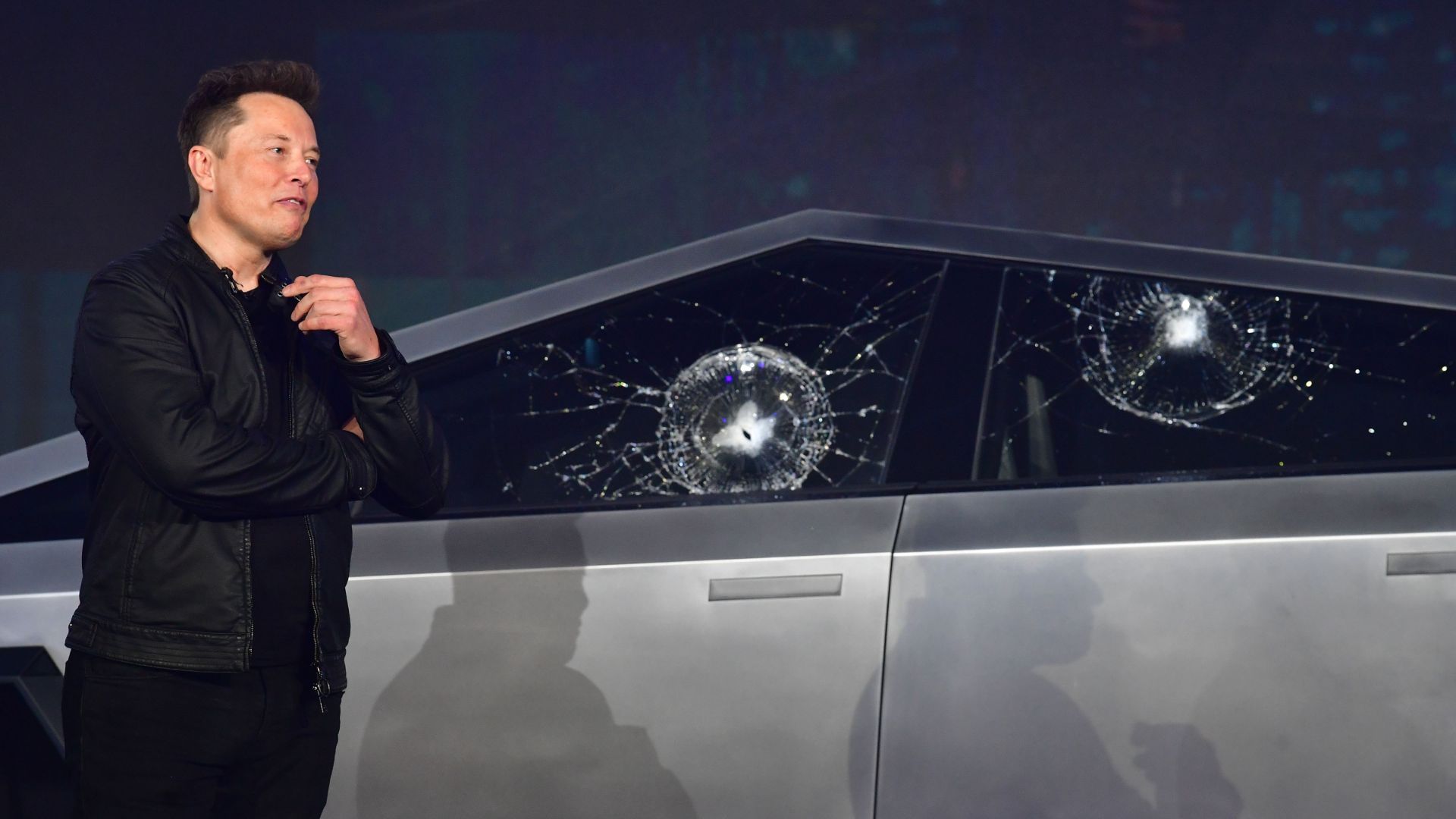
Tesla's much-touted robotaxi rollout has so far fallen well short of Elon Musk's sweeping promises, reinforcing doubts about his credibility after a string of setbacks. When the ride-hailing service debuted in Austin in June using Tesla's so-called full self-driving technology, Musk said it would reach half of the U.S. population by the end of the year. Within months, that ambition was scaled back dramatically, according to CNN, and by the start of 2026 the service operates in only two regions — Austin and the San Francisco Bay Area — with a Tesla employee still required inside the vehicle, a reality that undercuts claims of true autonomy. The underwhelming progress adds to broader concerns following the troubled Cybertruck launch, marked by delays, recalls and weak demand. At the same time, Tesla's brand has taken a hit globally, with sales falling sharply in key markets including Europe, China and parts of the United States, raising questions about whether Musk can repair both his own image and that of a company facing mounting skepticism.
This content was created with the help of AI.
