

/https%3A%2F%2Fcdn-tor.buminteractif.com%2F2026%2F08%2F24171731%2Ftrump-carney-canada-getty-4353453gdfgd4534534.jpg)
New details surrounding the collapse of U.S.-Canada trade negotiations on August 21 are shedding light on the demands that ultimately pushed Ottawa to walk away, revealing a dispute that went considerably deeper than disagreements over tariff percentages. Three major eleventh-hour American demands emerged as decisive obstacles, touching Canada's automotive industry, its ability to negotiate independently with other countries, and protections surrounding Canadian language and culture. Prime Minister Mark Carney's government concluded that accepting those conditions would come at too high a price for Canada's economy and national sovereignty. After the final negotiating push failed, Carney suspended the talks and ordered the Canadian negotiating team back to Ottawa. The breakdown was immediately followed by a dramatic escalation in the trade war, with the United States imposing 50% tariffs on approximately $20 billion to $28 billion worth of Canadian goods and Ottawa preparing retaliatory measures of its own.
One of the biggest obstacles involved Canada's automotive sector, where the American proposal would have placed significant long-term restrictions on an industry deeply integrated with manufacturing operations on both sides of the border. Washington sought to lock Canadian automobiles into a permanent 15% tariff while simultaneously imposing stricter requirements determining which vehicle components, automotive parts and steel could qualify as Canadian content. Another particularly contentious element involved commercial vehicles: tariff relief proposed for passenger automobiles would not have extended to medium and heavy-duty trucks. Ottawa viewed that distinction as economically unjustifiable and potentially devastating for manufacturing operations dependent on cross-border supply chains. Canadian officials feared that accepting the restrictions could undermine the long-term competitiveness of major automotive facilities, including Ford's Oakville operations and GM production connected to the Silverado. Rather than securing predictable access to the American market, Canada believed the proposed framework risked permanently weakening one of its most strategically important manufacturing sectors.
«Last spring, I warned that America is trying to break us so that they can own us. And I promised: “That will never, ever happen.” We are keeping that promise.»
-Prime Minister of Canada, Mark Carney
The second major confrontation went directly to Canada's ability to conduct its own economic policy outside North America. Washington sought provisions that would significantly restrict Ottawa's freedom to negotiate future trade and security agreements with third countries, effectively giving the United States greater influence over Canada's international economic relationships. For Carney's government, that demand was especially difficult to accept because reducing Canada's dependence on the American market has become a central part of its economic strategy. Ottawa has been pursuing greater access to overseas markets while promoting Canadian energy, critical minerals and other strategic resources internationally. Allowing Washington to constrain those relationships would therefore have collided directly with Canada's effort to diversify. Carney has presented that strategy as evidence that Canada can withstand American economic pressure, declaring, «Canada is becoming stronger and less dependent on America. We are already giving ourselves more than they can take away. And we are just getting started.»
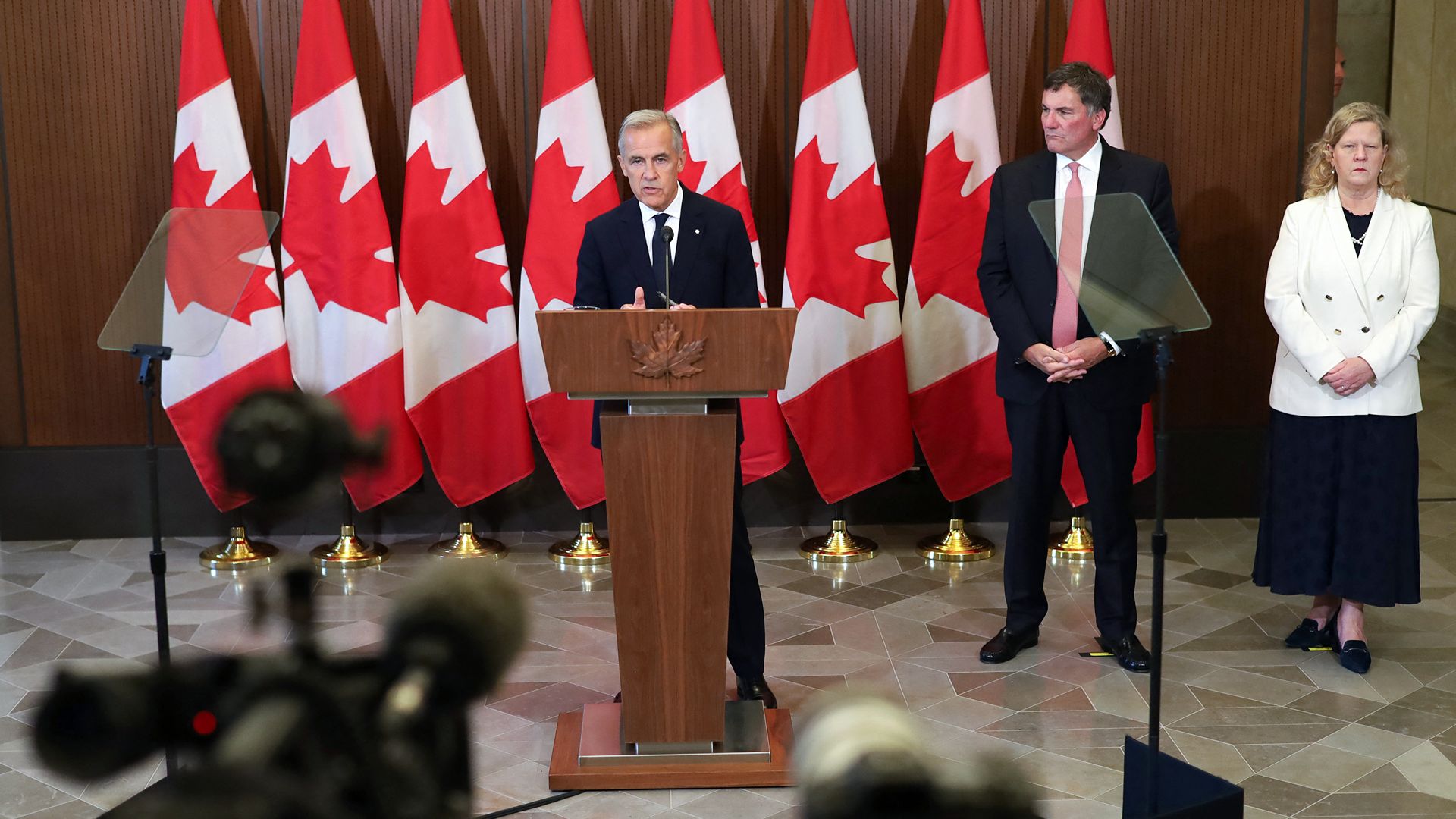
The third major deal breaker centered on Canadian language and cultural protections, an area Ottawa treated as inseparable from national sovereignty. Washington pushed for changes affecting longstanding rules designed to protect Canada's cultural sectors and the French language, adding another red line to negotiations already strained by disagreements over automobiles and Canada's ability to negotiate independently with other countries. Carney's government made clear that these protections were never bargaining chips it was prepared to surrender. The dispute reinforced a broader concern in Ottawa that Washington was seeking influence over decisions traditionally reserved for Canada itself, rather than simply negotiating better access for American products. For Canadian officials, the combination of economic restrictions, limitations on future international agreements and pressure on cultural policy transformed what had begun as a trade negotiation into a fundamental question about how much control Canada was willing to surrender for preferential access to the U.S. market.
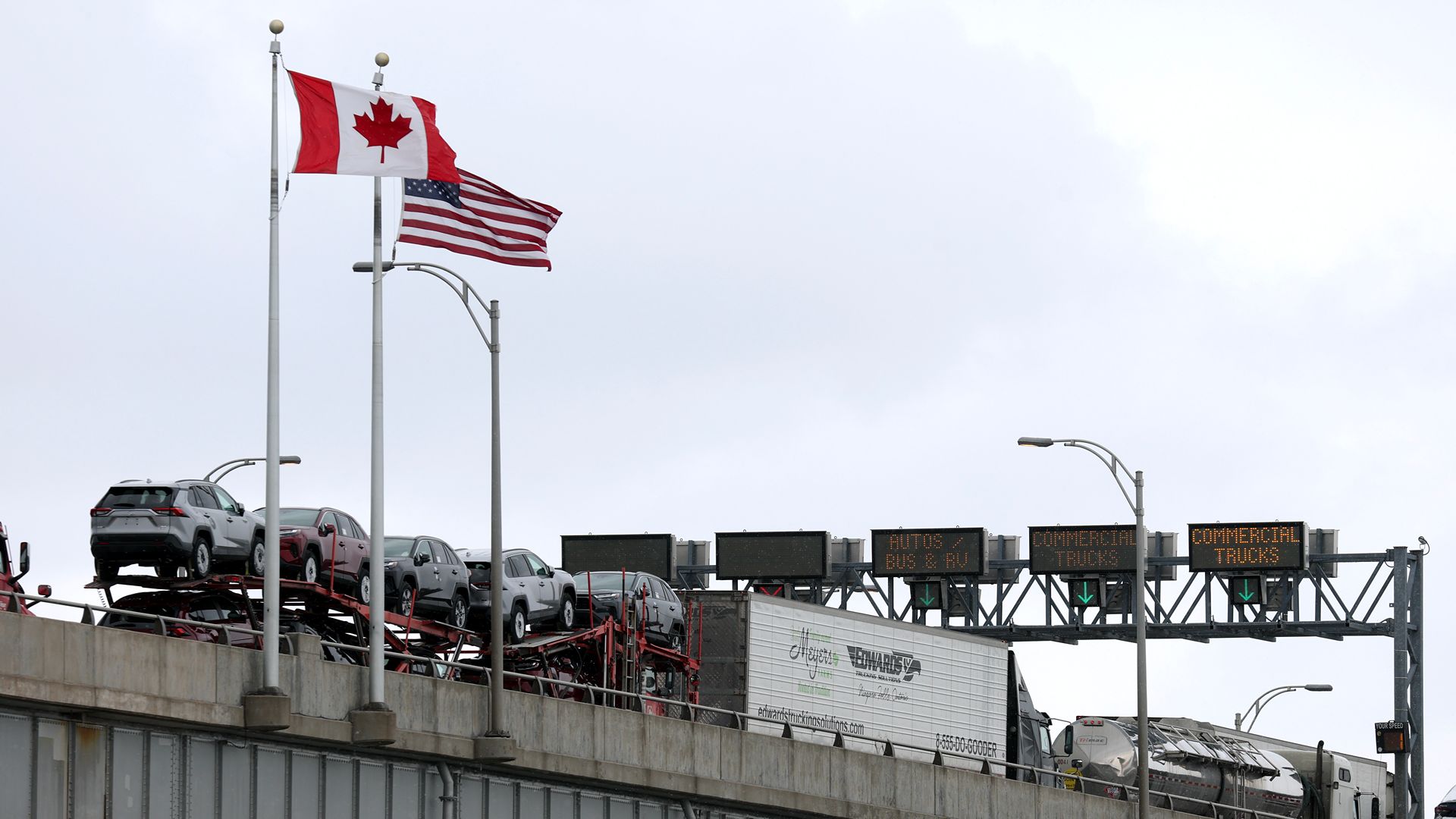
Canada's refusal carried immediate economic consequences. After negotiations collapsed, new 50% American tariffs took effect on roughly $20 billion to $28 billion worth of Canadian exports, covering products ranging from dairy and alcohol to cement, clothing, electronics and sporting goods. Ottawa responded by promising dollar-for-dollar retaliation beginning September 8, with Canadian tariffs targeting American steel, dairy products, household appliances, agricultural equipment, pulp and paper, and electronics. Trump then threatened an even broader escalation beginning January 1, 2027, targeting Canadian automobiles, trucks, automotive parts and steel. Rather than returning immediately to negotiations, Carney framed Canada's decision as part of a longer effort to become less vulnerable to American economic pressure. «Canada is becoming stronger and less dependent on America. We are already giving ourselves more than they can take away. And we are just getting started.»
«Canada is becoming stronger and less dependent on America. We are already giving ourselves more than they can take away. And we are just getting started.»
-Prime Minister of Canada, Mark Carney
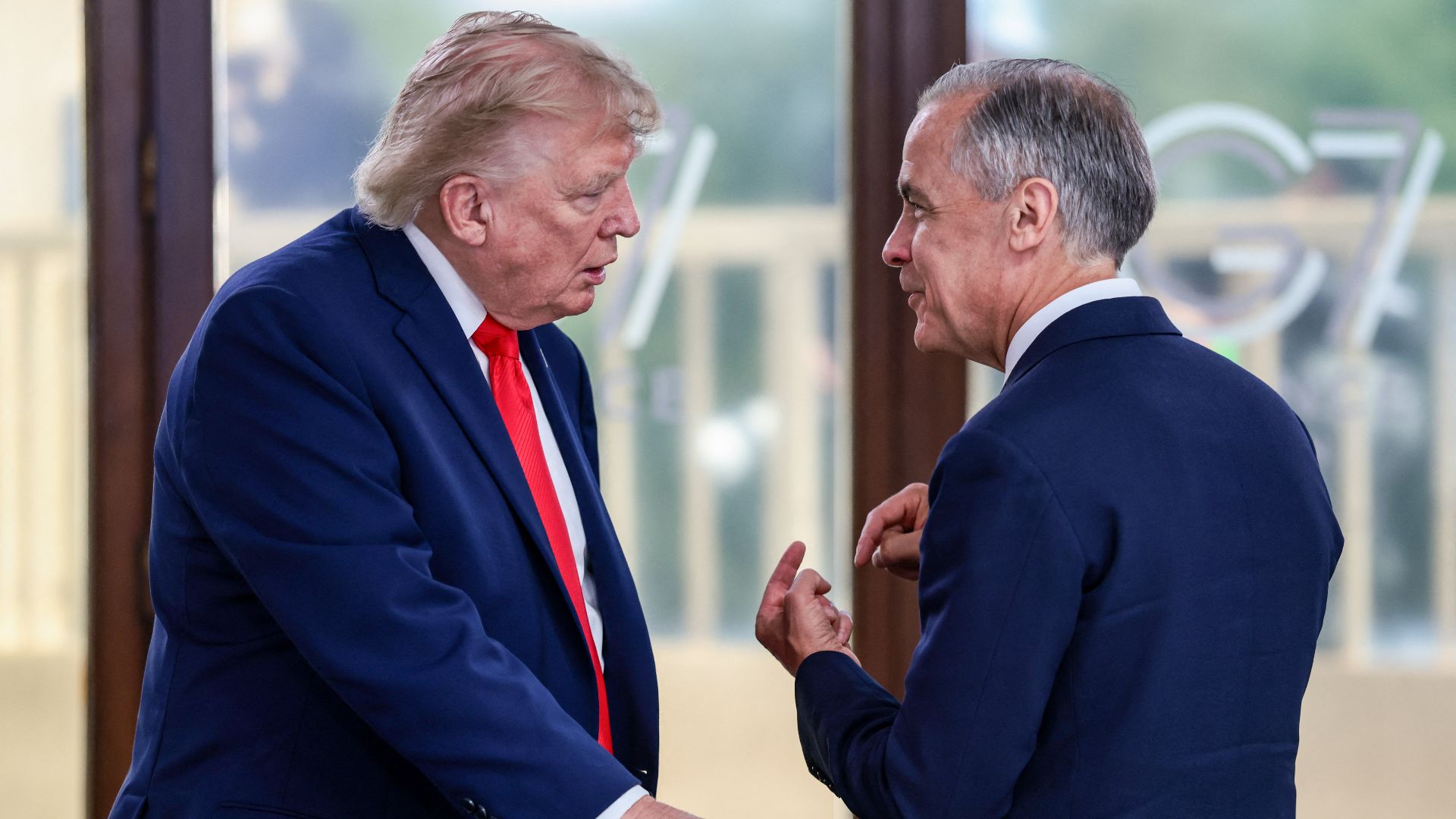
The confrontation ultimately exposed how far apart Washington and Ottawa had become over what a new economic partnership should look like. Trump responded to the collapse by accusing Canada of exploiting the United States, writing, «Canada has been ripping off the United States of America for years.» Carney, meanwhile, portrayed Canada's refusal as a defense of something larger than individual tariff rates or market access. Pointing to stronger non-U.S. exports, growing foreign investment and Canada's efforts to diversify its trading relationships, his government argued that accepting an agreement that constrained Canadian decision-making would create a greater long-term risk than walking away. Carney tied that position to a warning he had previously made about American pressure: «Last spring, I warned that America is trying to break us so that they can own us. And I promised: “That will never, ever happen.” We are keeping that promise.» With negotiations suspended, the three rejected demands have become defining red lines in Canada's increasingly confrontational economic relationship with Washington.
Created by humans, assisted by AI.
 Trump administration pushes to name aircraft carrier after Trump instead of Black war hero
 Trump aide Natalie Harp sat in SUV trunk after screaming match to remain by his side