Trump Boasts U.S. Has «All the Cards» in Iran Talks, German Leader Says U.S. «Is Being Humiliated»


/https%3A%2F%2Fcdn-tor.buminteractif.com%2F2026%2F04%2F28164906%2Fgermany-trump-iran-getty349dkfgnoi34ut5.jpg)
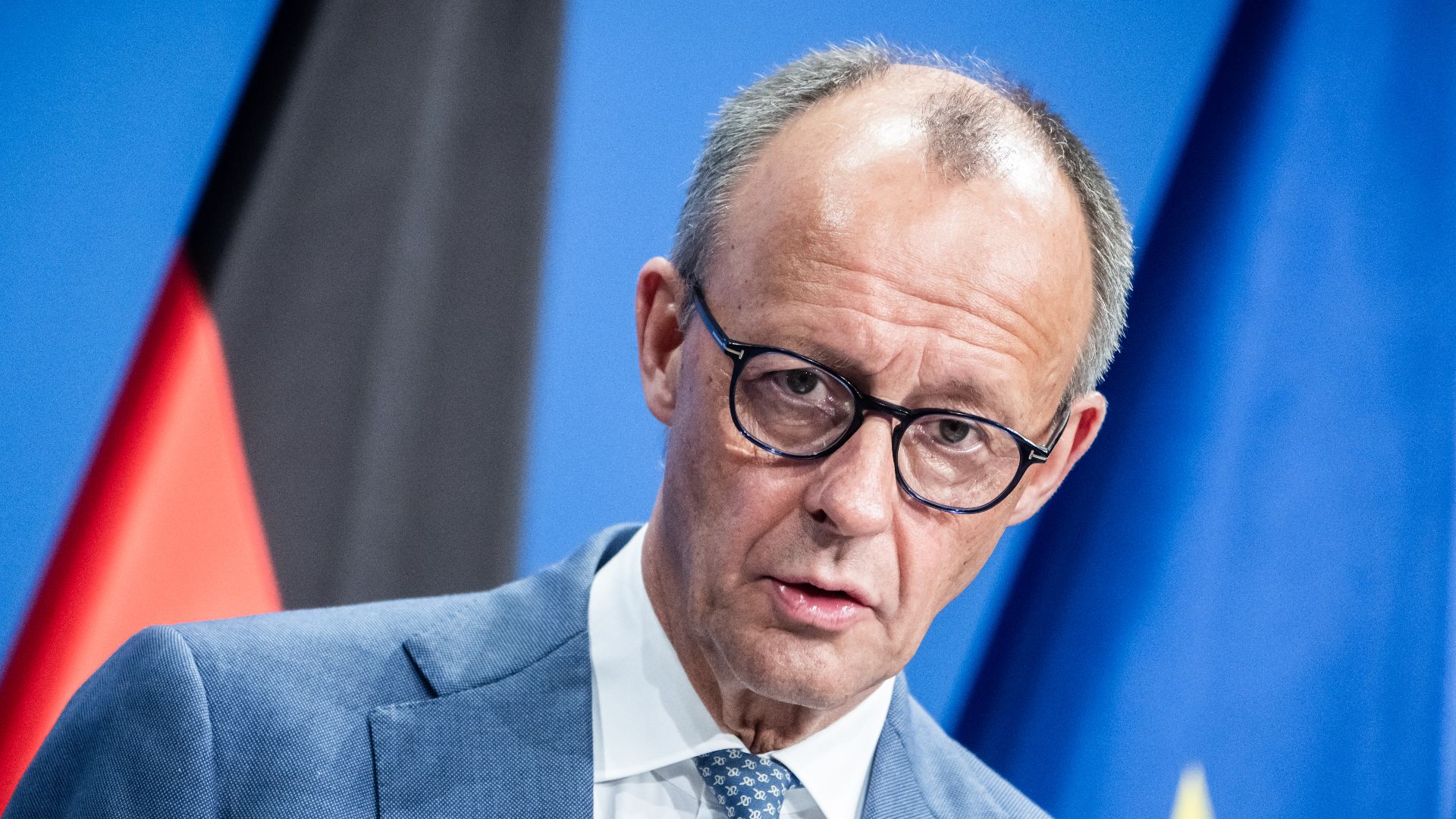
As Donald Trump presents the ongoing negotiations with Iran as a position of strength for the United States, some international leaders have offered a sharply different assessment of the situation. Among them, Friedrich Merz, Germany's chancellor, publicly questioned Washington's leverage, suggesting that Tehran, not the U.S., has demonstrated tactical advantage in the stalled talks. Speaking in front of students in Marsberg, he said «The Iranians are obviously very skilled at negotiating.» He then added «Or rather, very skillful at not negotiating.» His remarks contrasted directly with Trump's repeated claims that the United States «have all the cards» and that recent diplomatic contacts had progressed positively.
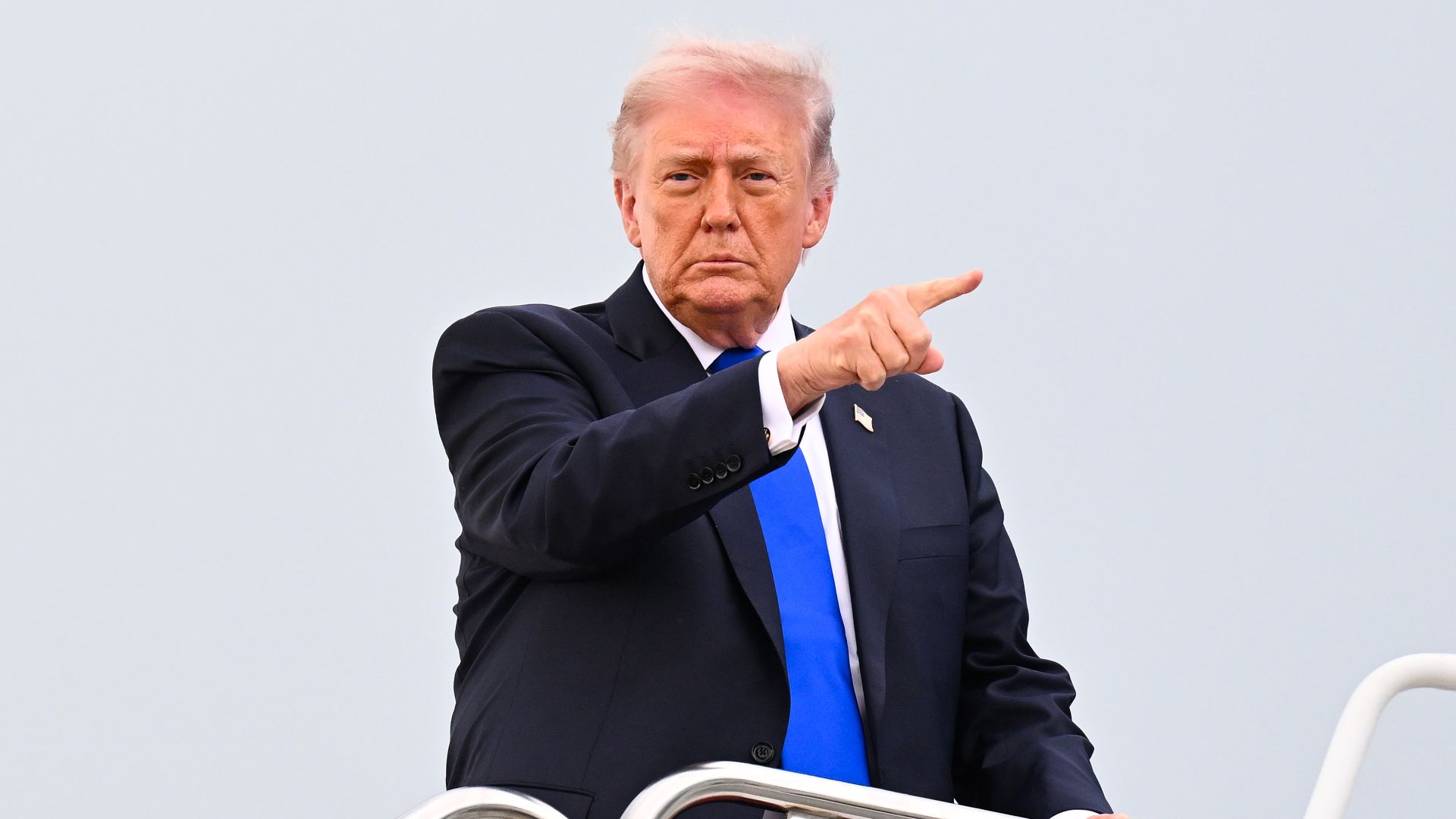
Trump has maintained in recent weeks that his administration is operating from a dominant position in the discussions, despite setbacks and delays. He described earlier exchanges between representatives of the two countries in optimistic terms, writing that «Meeting went very well» following high-level talks involving U.S. officials and regional partners. That message was part of a broader effort to frame the diplomatic track as productive, even as tensions remain high and no formal agreement has been reached. The White House has continued to signal that it remains open to dialogue, while emphasizing pressure on Tehran.
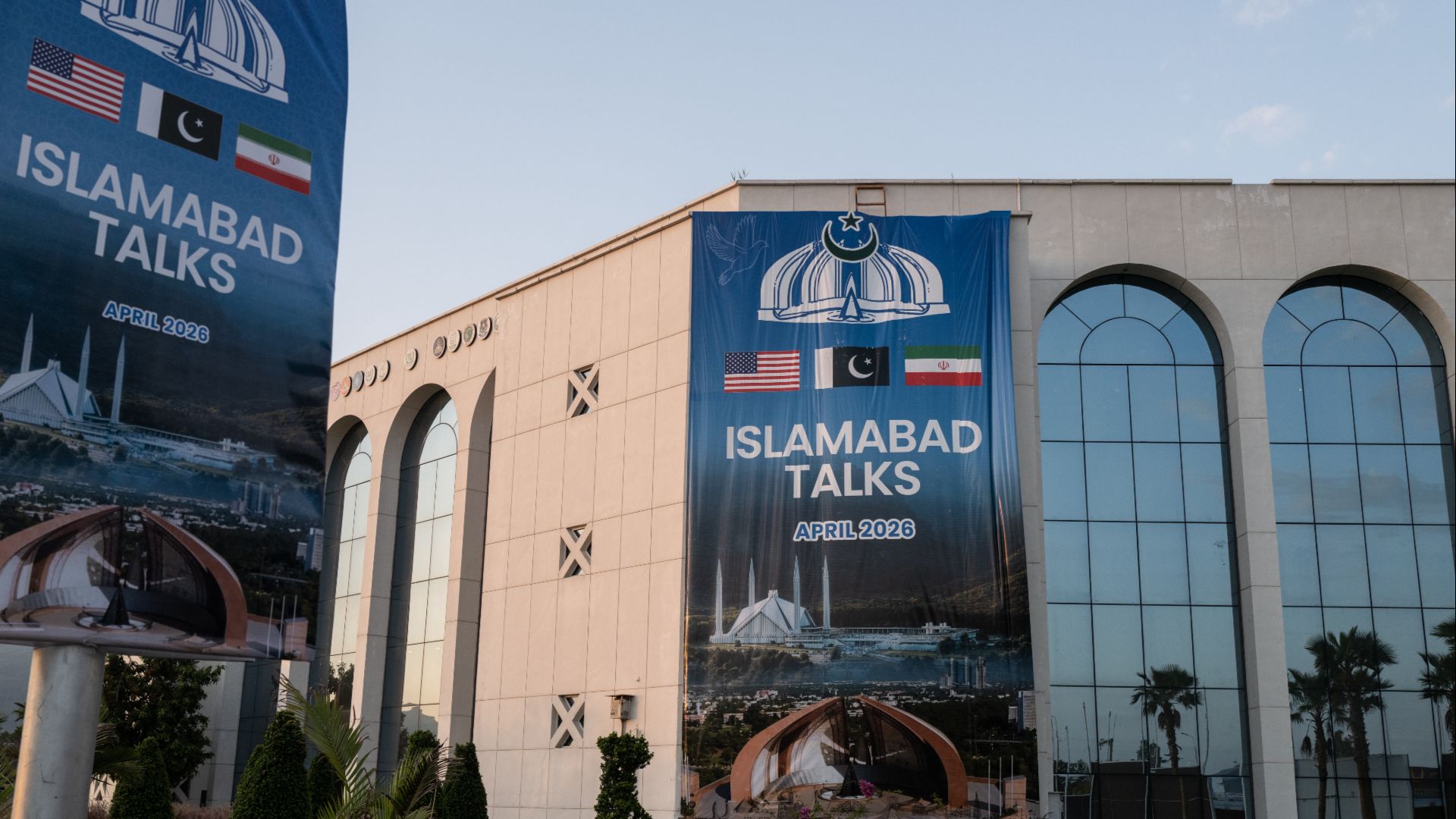
However, that narrative has been challenged by developments surrounding a planned diplomatic trip that was ultimately called off. Trump later confirmed the decision to cancel a scheduled meeting involving U.S. representatives and Iranian officials in Pakistan, citing inefficiencies and internal issues on the Iranian side. In a post, he wrote «I just cancelled the trip of my representatives going to Islamabad, Pakistan, to meet with the Iranians. Too much time wasted on traveling, too much work! Besides which, there is tremendous infighting and confusion within their “leadership.” Nobody knows who is in charge, including them. Also, we have all the cards, they have none! If they want to talk, all they have to do is call!!!». The cancellation added to uncertainty surrounding the future of the negotiations.
«Iran has just informed us that they are in a “State of Collapse.” They want us to “Open the Hormuz Strait,” as soon as possible, as they try to figure out their leadership situation (Which I believe they will be able to do!).»
-U.S. President, Donald Trump on Truth Social
Friedrich Merz, however, interpreted these developments differently, suggesting that Iran has managed to control the pace and outcome of the talks. He argued that Tehran has been able to engage the United States without committing to substantive progress, stating that Iran is effectively «letting the Americans travel to Islamabad» and then «and then leave again without any result.» His comments pointed to a perception among some European observers that the diplomatic process has been shaped more by Iranian strategy than by U.S. leverage, despite Washington's public messaging.
Trump has also pointed to internal challenges within Iran as a sign of weakness, using them to justify his confidence in the U.S. position. In a separate Truth Social post, he wrote «Iran has just informed us that they are in a “State of Collapse.”» He added «They want us to “Open the Hormuz Strait,” as soon as possible, as they try to figure out their leadership situation (Which I believe they will be able to do!).» These statements reflect the president's broader argument that Iran's internal instability places it at a disadvantage in negotiations, even as diplomatic efforts remain inconclusive.
«The Iranians are obviously very skilled at negotiating. Or rather, very skillful at not negotiating. Letting the Americans travel to Islamabad and then leave again without any result.»
Germany's chancellor, Friedrich Merz
The contrasting narratives underscore a widening gap in how the negotiations are being interpreted internationally. While Trump continues to assert that the United States holds decisive leverage and can dictate the terms of engagement, Merz, and other European voices have raised doubts about that assessment. Their remarks suggest that, from their perspective, the lack of tangible outcomes and repeated delays point to a more complex balance of power. As talks remain uncertain and no agreement is in place, differing views on who holds the advantage continue to shape the global perception of the negotiations.
Created by humans, assisted by AI.
