Trump Briefed Oil Companies Before and After Venezuela Strike, but Left Congress in the Dark


/https%3A%2F%2Fcdn-tor.buminteractif.com%2F2026%2F01%2F05180359%2Ftrump-venezuela-oil-getty423423423.jpg)
According to Politico, Donald Trump informed senior U.S. oil executives both before and after the military strike on Venezuela, urging them to prepare to pour significant investment into the country as Washington moved toward action against the Maduro government. The briefings took place as U.S. forces were preparing the operation that led to the capture of President Nicolás Maduro and his wife, a move that placed the world's largest proven oil reserves at the center of renewed geopolitical attention. While the administration framed the outreach to energy companies as forward-looking economic planning, the consultations occurred without parallel briefings to Congress, which was effectively bypassed in advance of the operation. The disclosures have raised sharp questions in Washington about transparency, oversight, and whether economic interests were prioritized over constitutional consultation in the lead-up to the Venezuela strike.
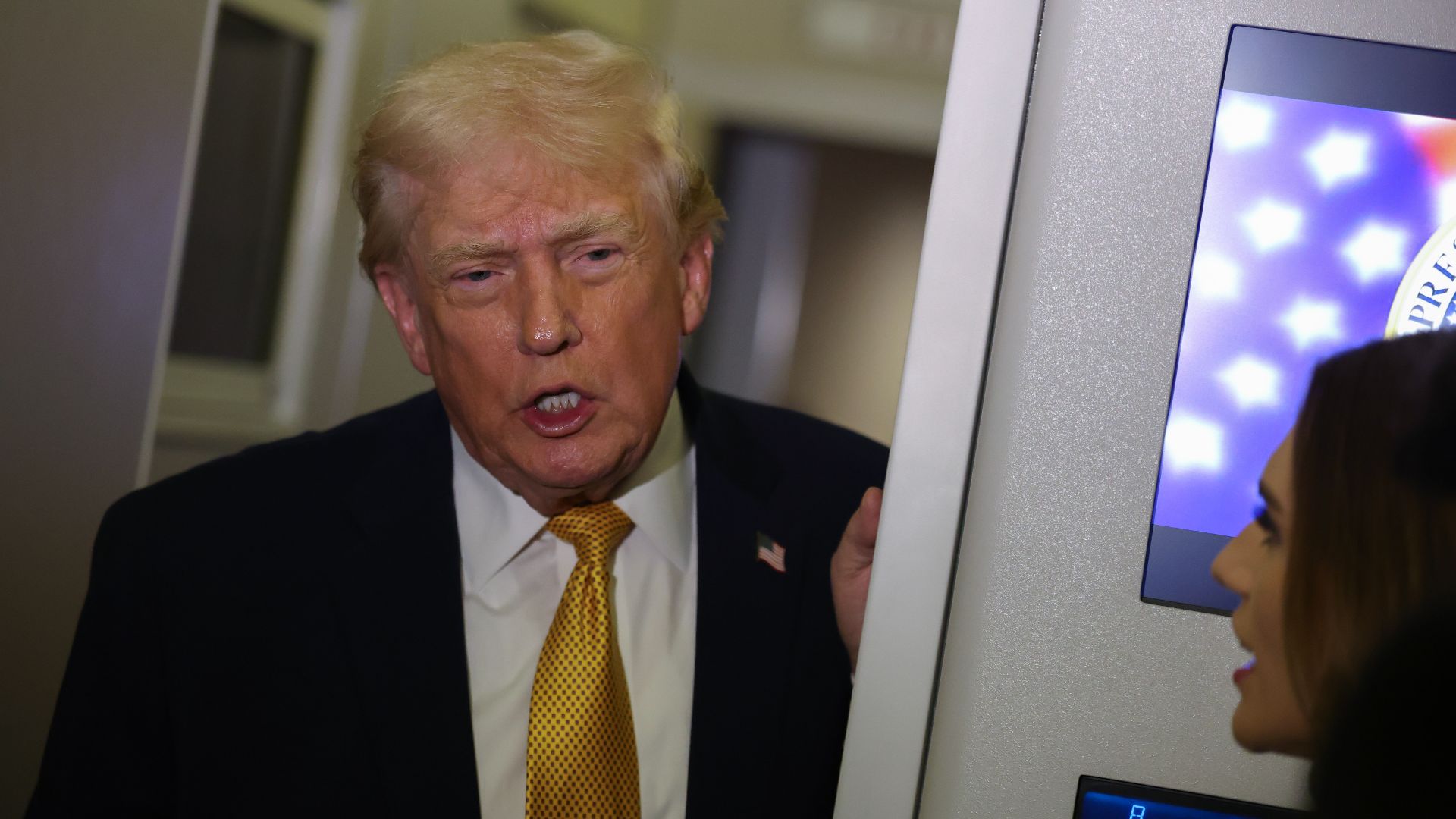
Donald Trump publicly reinforced the economic rationale behind the Venezuela operation in a televised address following the strike, explicitly linking military action to future control and redevelopment of the country's oil sector. In his remarks, Trump said «We're going to have our very large United States oil companies, the biggest anywhere in the world, go in, spend billions of dollars, fix the badly broken infrastructure, the oil infrastructure and start making money for the country», framing U.S. energy corporations as central actors in Venezuela's post-Maduro future. The statement came amid revelations that oil executives had already been briefed ahead of the operation, and it underscored how closely energy interests were woven into the administration's strategy.
«They want to go in, and they're going to do a great job for the people of Venezuela, and they're going to represent us well»
-Donald Trump
When explaining his approval of the operation to capture Nicolás Maduro, Donald Trump tied the decision directly to control of Venezuela's oil industry, accusing the country in recent weeks of having stolen oil from the United States. Speaking aboard Air Force One, he framed the intervention as a corrective measure aimed at reclaiming economic leverage over one of the world's largest energy reserves. Asked whether U.S. oil companies were aligned with his plan, Trump indicated they were fully supportive, saying «They want to go in, and they're going to do a great job for the people of Venezuela, and they're going to represent us well», reinforcing the view that the operation was conceived not only as a political or security move but as a gateway for American energy firms to take a central role in reshaping Venezuela's oil sector.
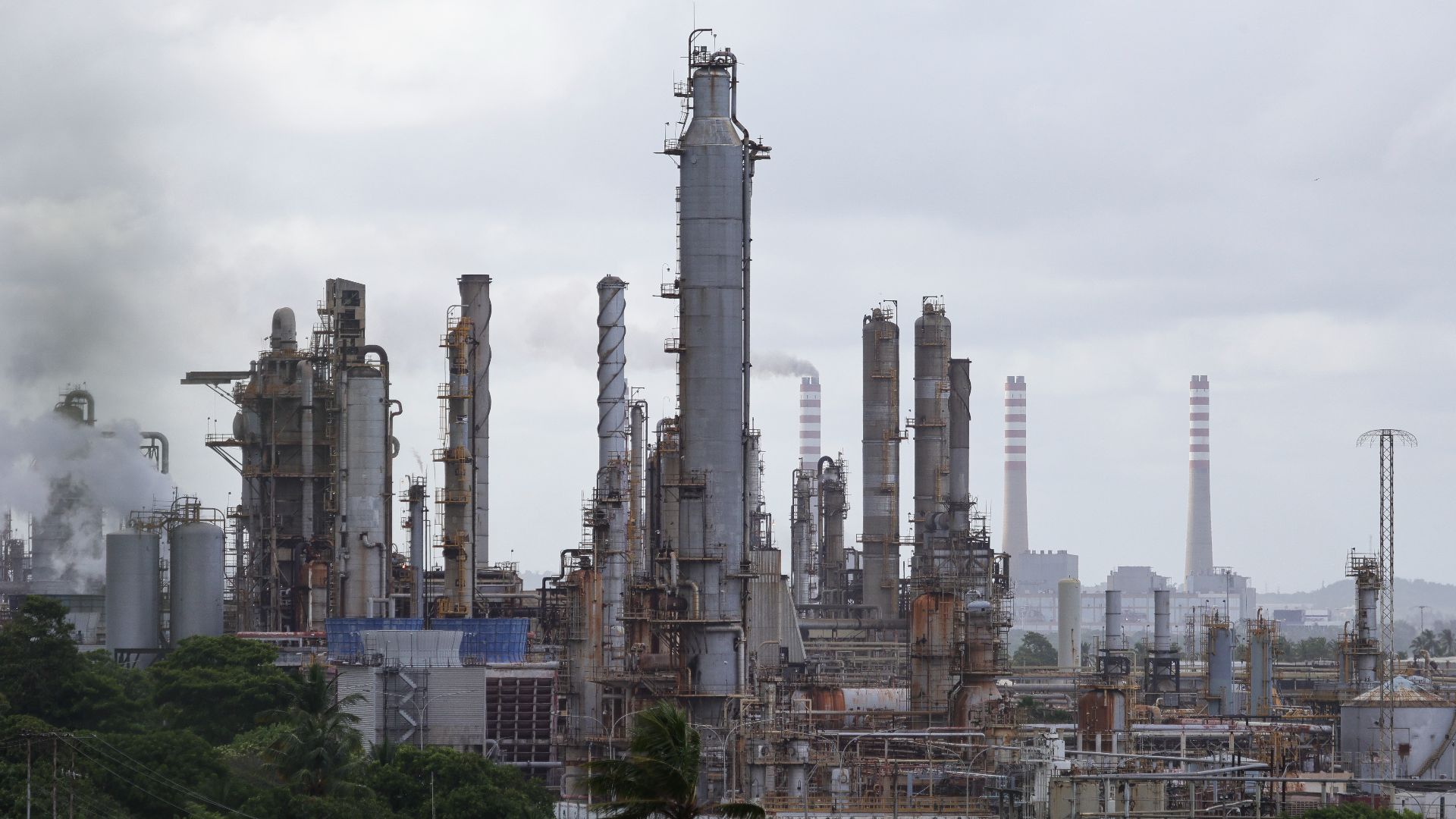
According to Politico, the Trump administration's effort to draw U.S. oil companies into Venezuela has generated hesitation rather than enthusiasm among industry leaders, despite repeated encouragement from the White House. People familiar with the discussions said executives were told that participation would be a condition for future reimbursement, a message summed up by one industry official as «You gotta go in if you want to play», reflecting what they described as a hard-line approach from the administration. That offer, the official said, has been on the table for about 10 days, but it has done little to ease concerns inside the industry. Executives remain deeply wary of the scale of the challenge, noting that Venezuela's oil infrastructure has fallen into such disrepair that «The infrastructure currently there is so dilapidated» it is impossible to reliably assess what would be required to make production viable again. The uncertainty is compounded by the lack of clarity over who will govern Venezuela in the near future, leaving oil executives cautious about committing billions of dollars to a country whose political and operational landscape remains unresolved.
This content was created with the help of AI.
