

/https%3A%2F%2Fcdn-tor.buminteractif.com%2F2026%2F01%2F05154450%2Ftrump-getty-34534sdgfsdfs.jpg)
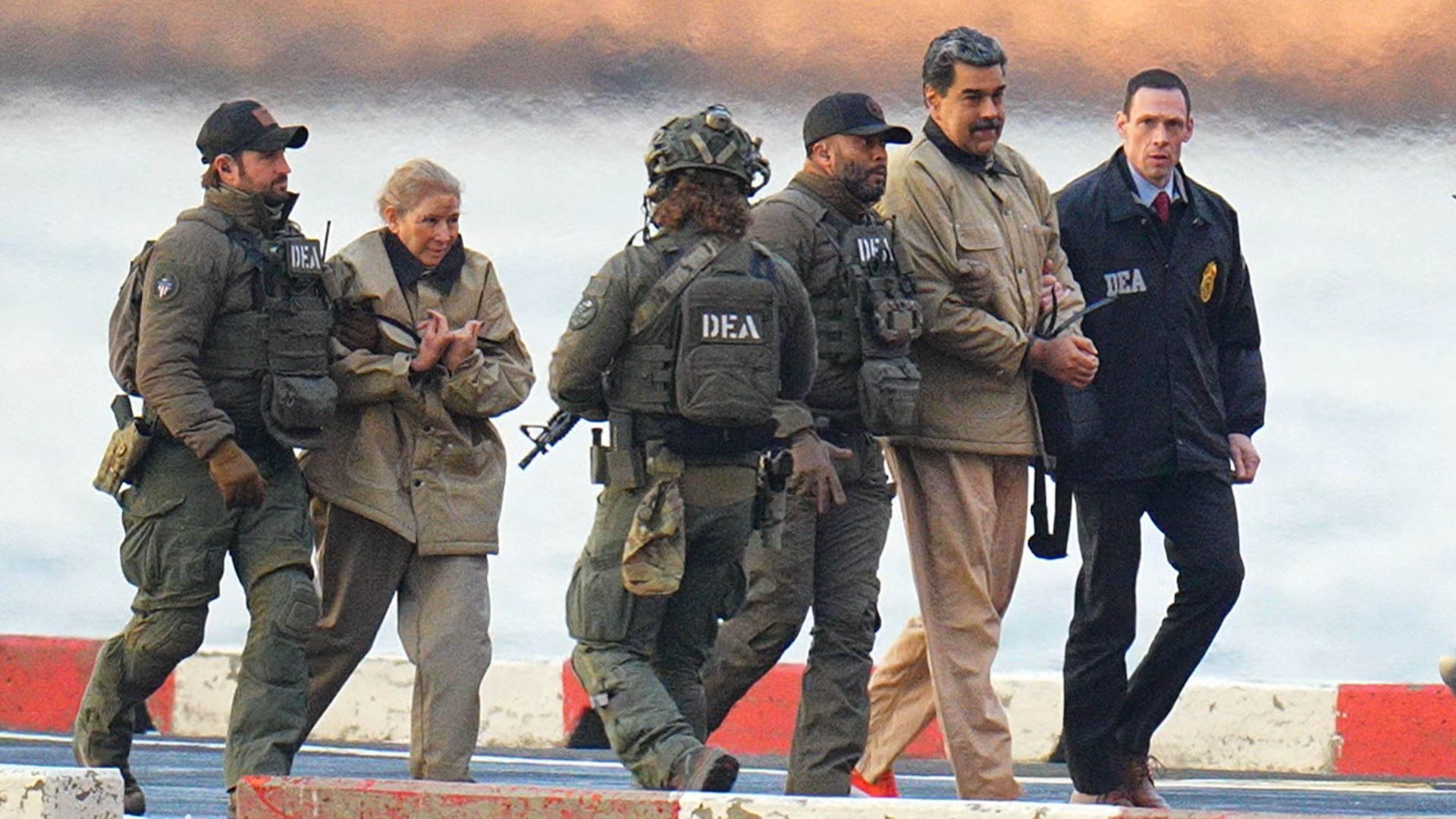
Donald Trump has sharply escalated his threats toward other countries in the Western Hemisphere and beyond, signaling an expansive foreign-policy posture that stretches from Mexico and Cuba to Greenland, and framing it as part of a broader effort to reassert U.S. influence. In remarks following the recent U.S. military operation that led to the capture of Venezuelan President Nicolás Maduro and his wife — an unprecedented development that has drawn widespread international attention — Trump and senior administration officials have pointed to strategic concerns and governance challenges as justification for stepped-up pressure on neighboring governments and territories. This includes renewed rhetoric about the strategic importance of Greenland, which has elicited strong rebukes from Greenlandic and Danish leaders, and pointed warnings toward Cuba and Colombia as potential subjects of continued U.S. focus. Analysts say these moves reflect a modern reinterpretation of long-standing U.S. hemispheric doctrines and illustrate Trump's intent to project what he describes as American dominance across the region.
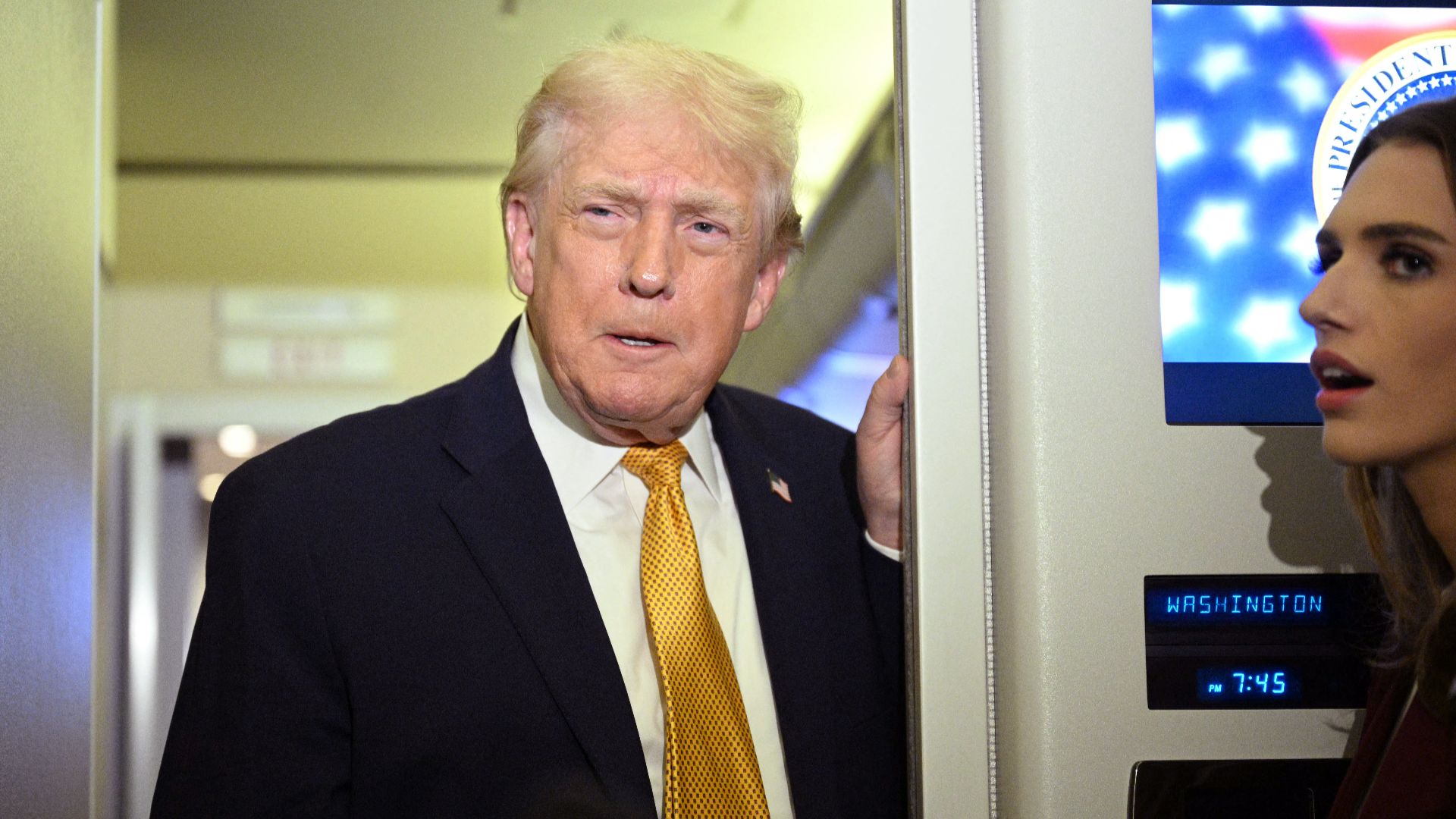
Speaking to reporters in the aftermath of the U.S. attack on Venezuela, Donald Trump framed the operation and his subsequent warnings to other governments as part of a broader regional strategy, according to CNN. Asked about Washington's objectives, Trump said Sunday that «We are in the business of having countries around us that are viable and successful and where the oil is allowed to freely come out», signaling a direct link between political stability, energy access and U.S. intervention. He went further by explicitly asserting American power, declaring that «American dominance in the Western hemisphere will never be questioned again», a statement that crystallized the administration's increasingly assertive posture following the capture of Nicolás Maduro. These remarks, delivered over the past two days, have set the tone for a wider escalation, as governments from Mexico to Greenland, as well as Cuba and Iran, have reacted with alarm, rejection or defiance to what they see as a renewed and unapologetic projection of U.S. influence across the region.
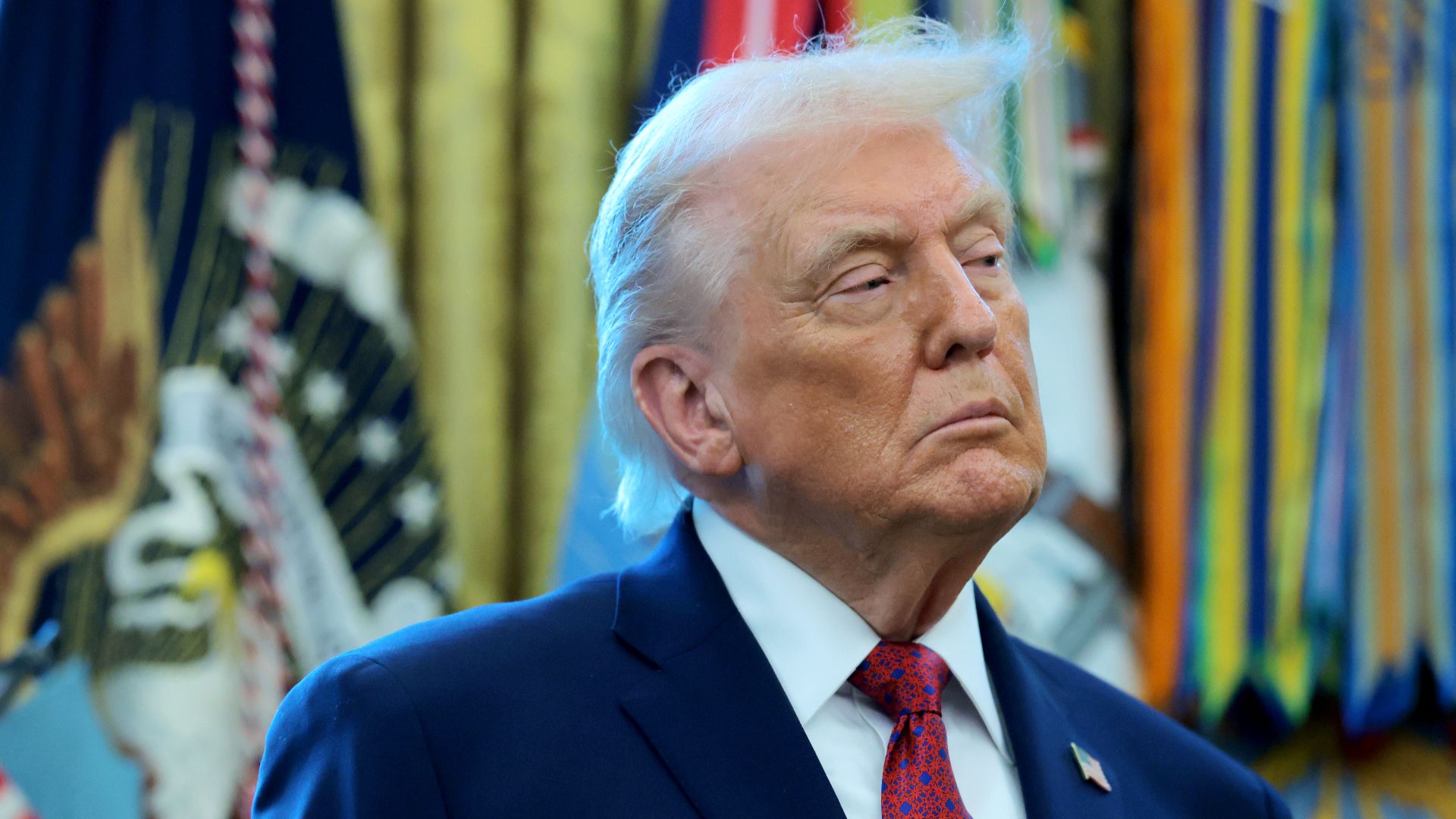
Greenland and Denmark have reacted with firm rejection and growing concern to Donald Trump's renewed statements about acquiring or exerting greater control over the Arctic territory, remarks that gained fresh attention in the wake of the U.S. military operation in Venezuela. Danish Prime Minister Mette Frederiksen sharply rebuked Trump's comments, saying that «it makes absolutely no sense to talk about the U.S. needing to take over Greenland» and insisting that the United States «has no right to annex any of the three countries in the Danish Kingdom», underscoring that Greenland is not for sale and that Washington should stop threatening a close ally. Greenland's own prime minister, Jens-Frederik Nielsen, echoed this tone by calling Trump's rhetoric «disrespectful» and urging respect for Greenland's sovereignty and self-determination, while emphasizing that there is no immediate danger of any forced takeover. These statements reflect deep unease in both Nuuk and Copenhagen about the implications of Trump's broader foreign-policy posture, particularly when framed alongside recent U.S. actions in Venezuela and comments linking strategic interests in distant territories.
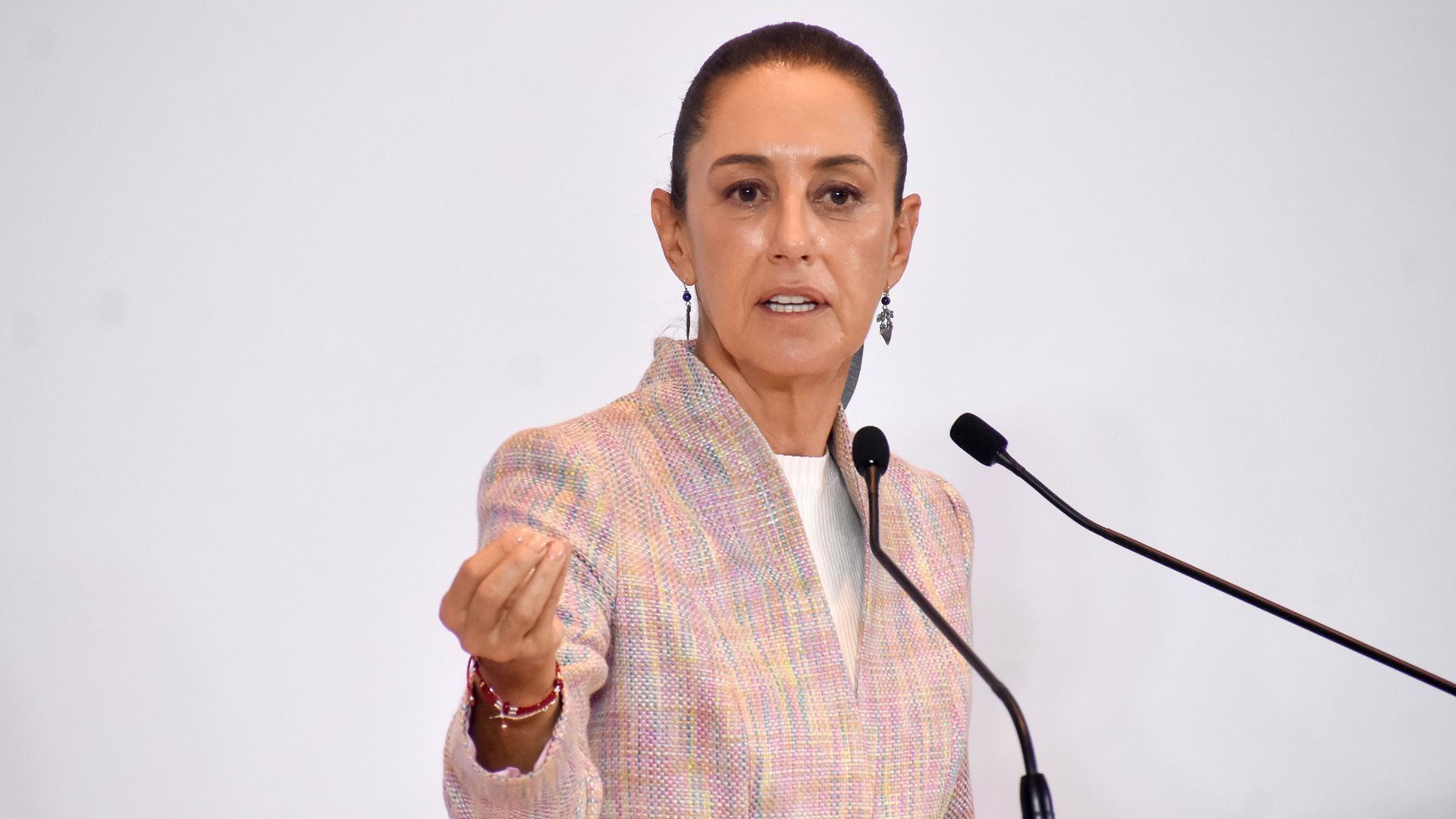
Mexico's president, Claudia Sheinbaum, has strongly rejected the U.S. intervention in Venezuela and reaffirmed her country's long-standing foreign policy of non-intervention and respect for sovereignty. Speaking at her daily press conference, she condemned the operation that led to the capture of Nicolás Maduro, stating that Mexico «categorically rejects intervention in the internal matters of other countries» and stressing that while cooperation on security issues is possible, military intervention is not. Sheinbaum also reiterated that Mexico is a sovereign nation where «the people rule», dismissing suggestions of U.S. military involvement on Mexican soil as unnecessary, even as Donald Trump has floated the idea of using force to confront drug cartels. Her remarks underline Mexico's constitutional commitment to non-interference and place clear limits on Washington's actions in the region.
Cuba has responded with fierce condemnation and profound alarm to the U.S. military operation in Venezuela that resulted in the capture of Nicolás Maduro and his wife, denouncing the intervention as «state terrorism» and a blatant violation of international law. According to the BBC, the Cuban government says 32 of its nationals were killed during the U.S. operation, describing the dead as members of its armed forces and intelligence agencies who were killed «in combat actions» and declaring two days of national mourning; the Cuban armed forces said these personnel «fell, after fierce resistance, in direct combat against the attackers or as a result of bombardments of installations». The Cuban leadership has underscored its long-standing alliance with Venezuela — noting that Cuba has for years supplied Maduro with his personal security detail and maintains personnel throughout the Venezuelan military — and the reported losses have deepened fears on the island about its own security and future. At the same time, U.S. officials have publicly criticized Havana's support for Maduro and signaled continued pressure on the Cuban government, heightening anxieties that Cuba could now face increased strategic and diplomatic pressure from Washington in the wake of the Venezuelan episode.
This content was created with the help of AI.
