Trump Lets US-Russia Nuclear Arms Treaty Expire, Raising Fears Over What Comes Next


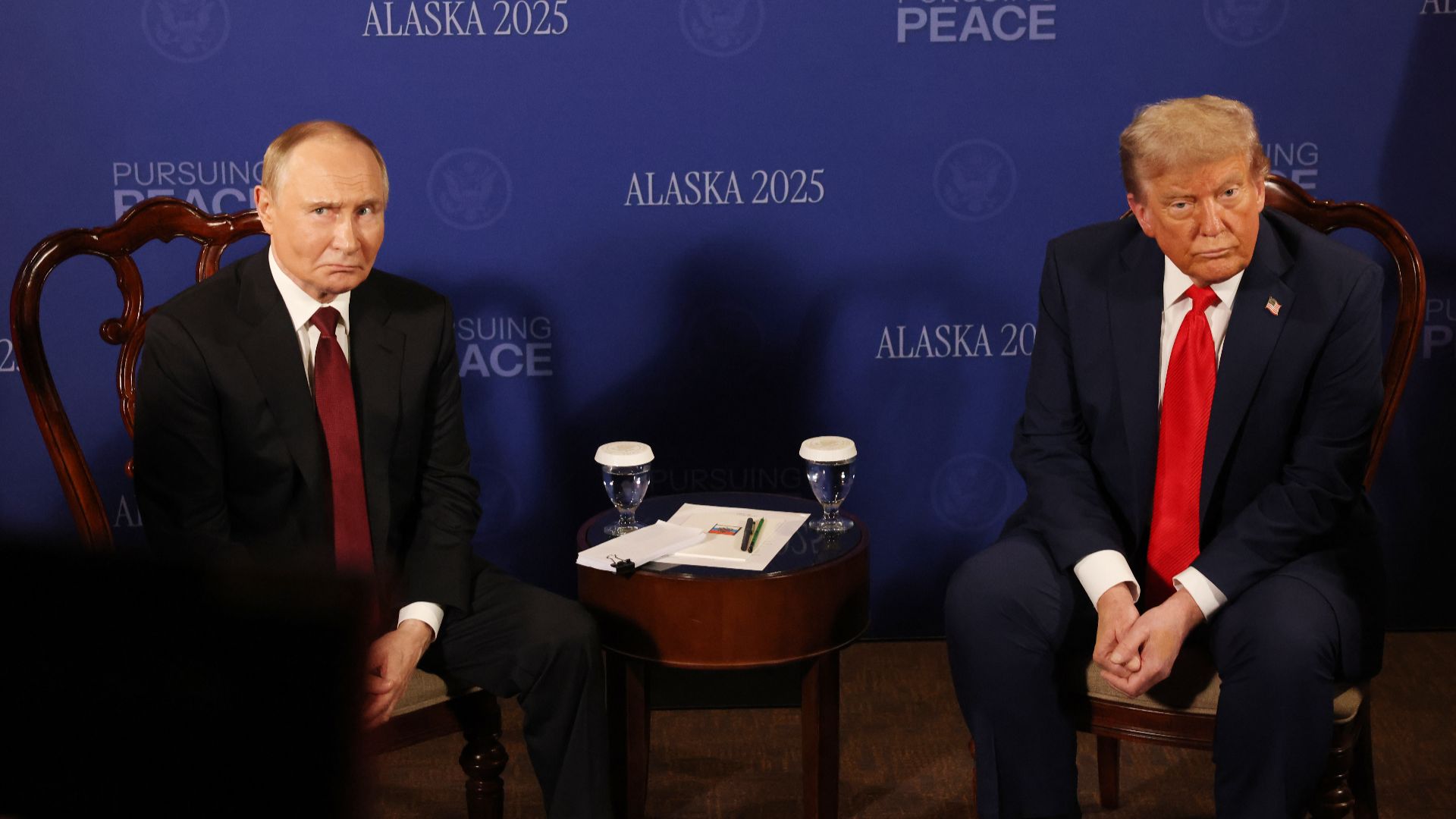
/https%3A%2F%2Fcdn-tor.buminteractif.com%2F2026%2F02%2F05154529%2Ftrump-putin-getty-3453gfdg45.jpg)
The New Strategic Arms Reduction Treaty, known as New START, expired on February 5, leaving the United States and Russia without a binding nuclear arms control agreement for the first time in decades. The treaty had been the last remaining framework limiting the two countries' strategic nuclear arsenals.
New START set caps on deployed warheads and delivery systems and created a system of inspections and data exchanges designed to reduce uncertainty between the world's two largest nuclear powers. Its expiration has raised concerns among diplomats and arms control experts about what happens when both sides are no longer constrained by legally enforceable limits. The end of the treaty also removes a structured channel for transparency, at a time when tensions between Washington and Moscow remain high and global security risks are intensifying.
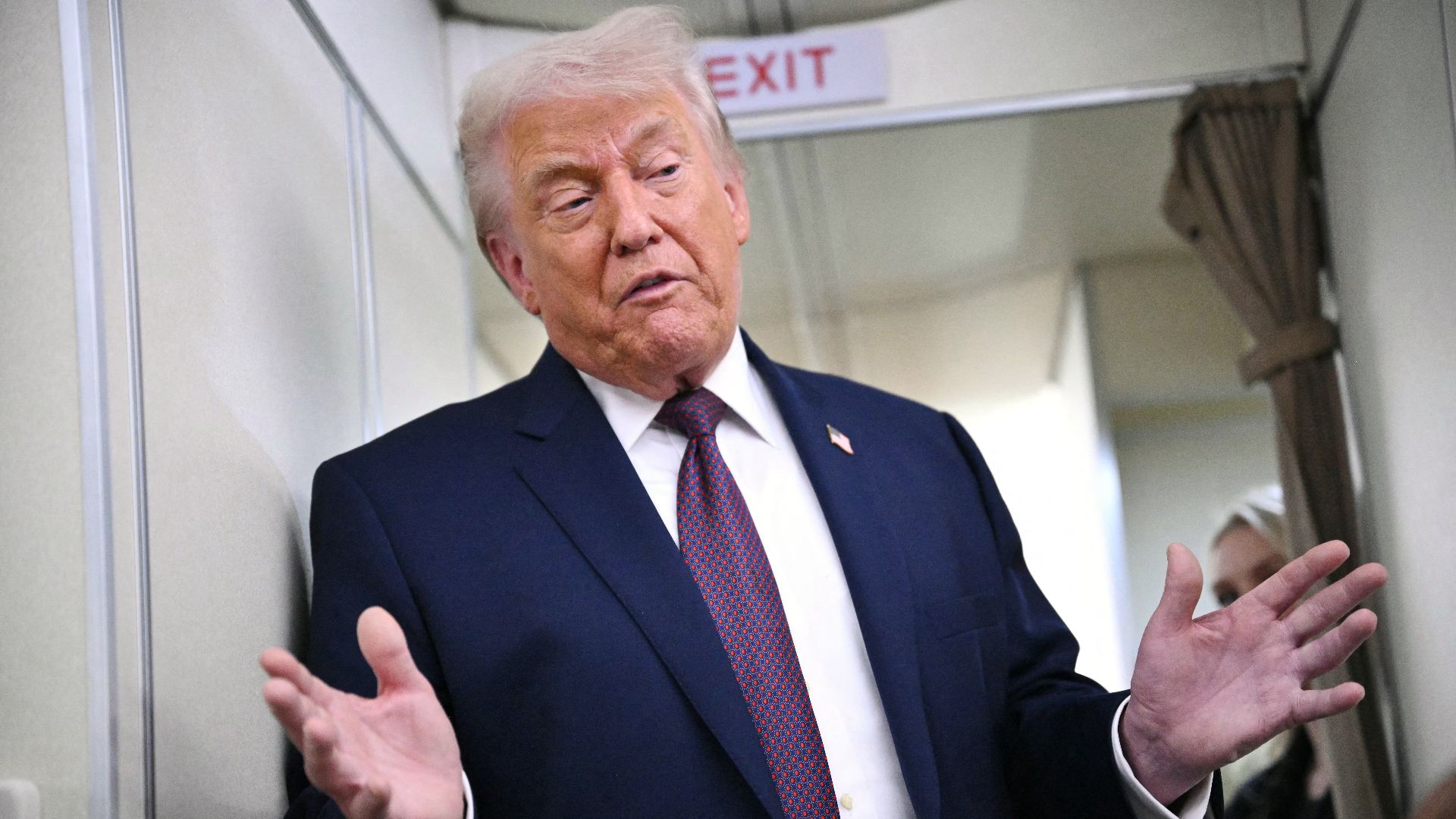
New START was signed in Prague on April 8, 2010, during the presidency of Barack Obama, and at a time when Dmitry Medvedev was serving as Russia's president. It entered into force on February 5, 2011, after ratification by both countries. The agreement limited each side to 1,550 deployed strategic nuclear warheads and 700 deployed delivery systems, including intercontinental ballistic missiles, submarine-launched ballistic missiles, and heavy bombers. The treaty also established verification measures, including inspections and regular exchanges of data, which arms control officials considered central to maintaining stability. For years, it served as a key symbol of post–Cold War diplomacy and remained one of the few areas where Washington and Moscow maintained formal cooperation despite broader geopolitical disputes.
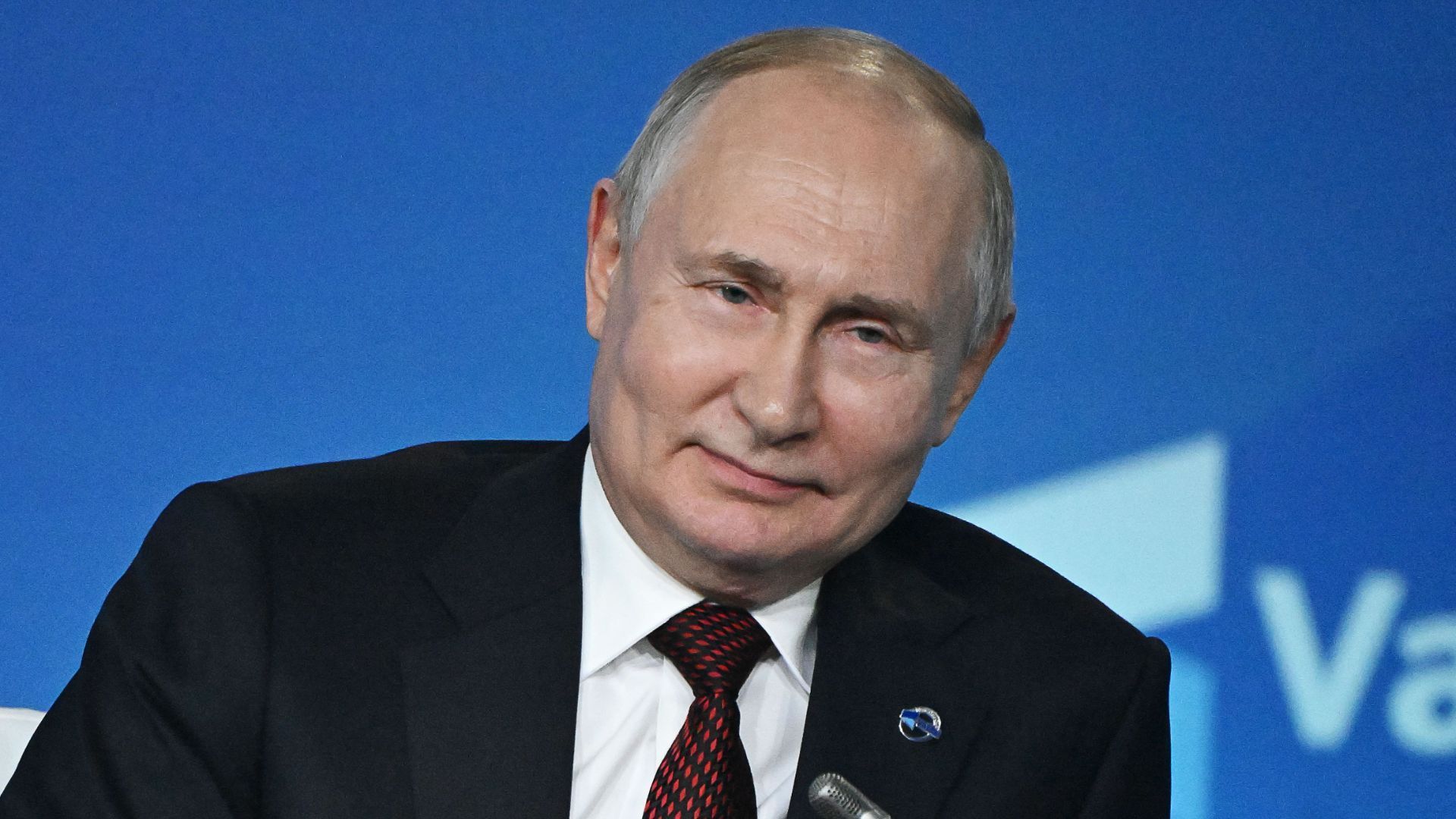
In the years before its expiration, the treaty's functioning was already weakened. On-site inspections were suspended in 2020 during the COVID-19 pandemic and were never fully restored. Russia later announced in 2023 that it would suspend participation in certain treaty obligations, though it indicated it would continue respecting some of the numerical limits. Even with these setbacks, New START remained in force and was widely seen as the final barrier preventing an open-ended nuclear competition. Its collapse follows years of deteriorating relations, including the war in Ukraine and the breakdown of other arms control agreements. Analysts say that without a replacement treaty, both countries lose an important stabilizing mechanism that helped reduce miscalculations and provided predictable rules for nuclear deployments.
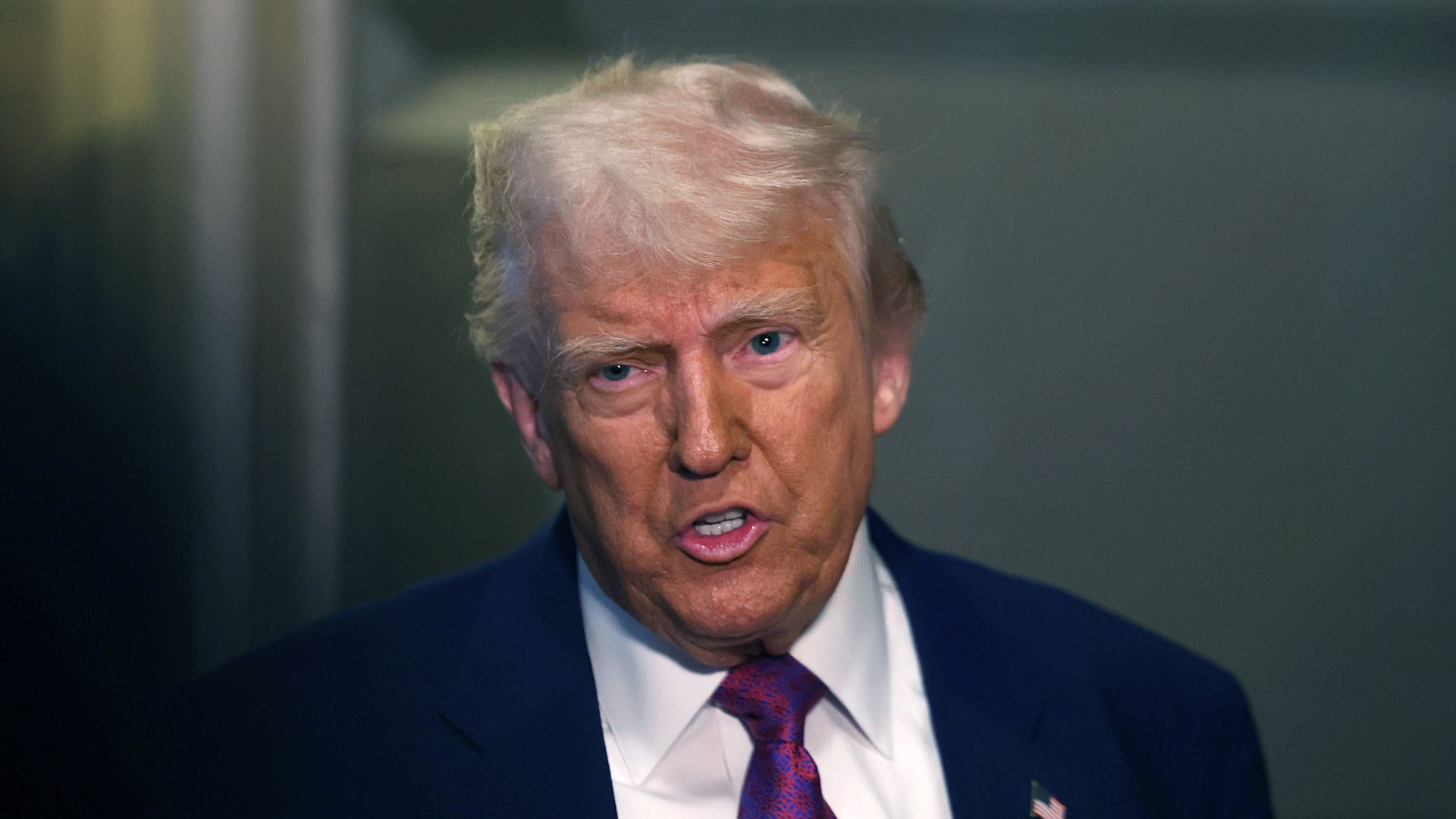
Trump's decision to let the treaty expire has become a major focus of international concern. Trump had repeatedly argued that the agreement should not simply be extended and insisted that any new arrangement should include China. In comments reported in recent coverage, Trump said:
«If it expires, it expires. We'll just do a better agreement,» framing the end of New START as an opportunity to negotiate a broader deal. Arms control advocates warned that this approach risked leaving a dangerous gap if no alternative agreement was secured. China has rejected joining a trilateral treaty, saying its nuclear forces are far smaller than those of the United States and Russia. Critics of Trump's position argue that demanding a broader agreement without securing an interim extension created a situation where the treaty expired without a replacement, increasing uncertainty at a critical moment.
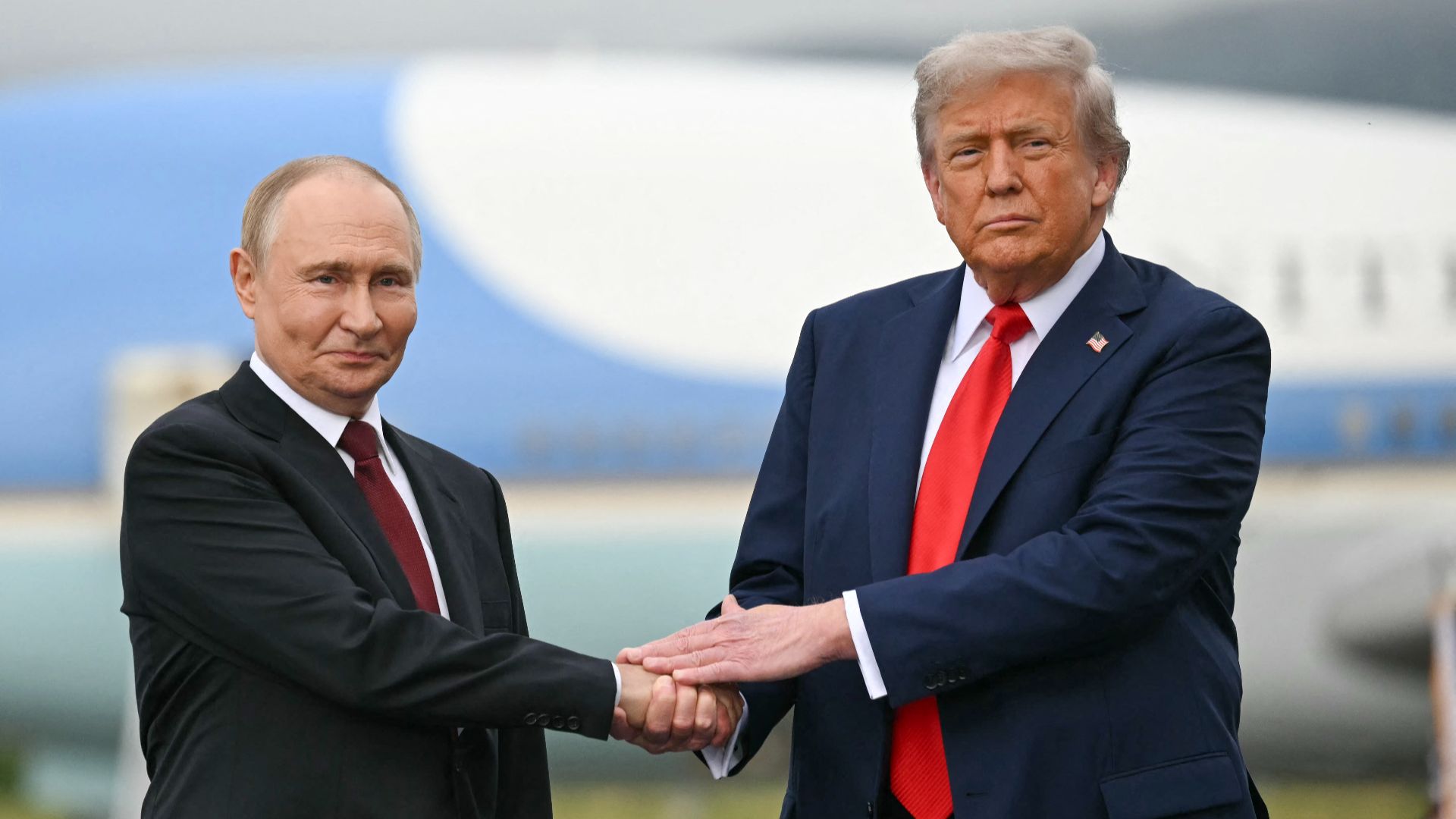
The fears surrounding the treaty's expiration center on both capability and trust. Without New START's binding limits, the United States and Russia are now free to expand the number of deployed strategic warheads and delivery systems beyond the treaty's caps.
Experts warn that both sides could respond to uncertainty by “uploading” additional warheads onto existing missiles, a move that could rapidly increase deployed arsenals without requiring entirely new weapons. The absence of inspections and detailed data exchanges also reduces transparency, making it harder for each side to verify the other's nuclear posture. This can encourage worst-case assumptions, raising the risk of miscalculation during crises. Arms control groups have warned that the world is entering a period where nuclear stability could be based more on suspicion than structured verification.
«If it expires, it expires. We'll just do a better agreement.»
-President, Donald Trump
International leaders have described the expiration as a major setback for global security. United Nations Secretary-General António Guterres warned that the treaty's end represents a “grave moment for international peace and security” and that the risk of nuclear escalation is increasing. The treaty's collapse also raises broader concerns about the future of the global nonproliferation system, since New START was often cited as evidence that nuclear powers were still committed to restraint.
Without a successor agreement, experts say the likelihood of a renewed arms race grows, and future negotiations may become even more difficult as trust continues to erode. With no treaty in place, Washington and Moscow now face the challenge of managing their nuclear rivalry without the guardrails that have shaped strategic stability for more than half a century.
Created by humans, assisted by AI.
