Trump Says «If I Go, You Go» to Reporters Amid Fears Iran Could Target New Air Force One


/https%3A%2F%2Fcdn-tor.buminteractif.com%2F2026%2F07%2F09151338%2Ftrump-air-force-one-getty-3453453df.jpg)
Donald Trump unexpectedly switched from his newly presidential aircraft back to the old Air Force One when departing a NATO summit in Ankara, Turkey, due to heightened security vulnerabilities as military tensions flared between the U.S. and Iran. The move immediately drew attention because the president had arrived aboard the newly retrofitted Boeing 747-8, a Qatari-gifted aircraft promoted as a temporary upgrade to the presidential fleet. But when it came time to leave Turkey, officials moved him back onto the legacy aircraft, a plane built around the unique security demands of presidential travel and still viewed as more capable in a high-threat environment. The decision came as Washington and Tehran were moving through one of their most dangerous confrontations in months.
The plane switch was driven by a sharp security calculation rather than optics. According to the details surrounding the decision, the U.S. Secret Service strongly urged Trump to depart Turkey aboard the older presidential aircraft out of an abundance of caution. The newer aircraft, despite its luxury profile and recent retrofit, does not carry the full range of advanced defensive systems installed on the legacy Air Force One. Those gaps include missile detection capabilities, countermeasure systems and midair refueling capacity, all considered crucial when a president is flying near a volatile region. The older aircraft, by contrast, is built with military-grade protections designed to divert, confuse or defeat incoming threats before they can reach the plane.
«I'm No. 1 on their list.»
-U.S. President, Donald Trump
The legacy Air Force One remains in service precisely because it was designed for situations like this. Its defensive suite includes flares and chaff intended to misdirect radar-guided or heat-seeking missiles, along with systems capable of disrupting anti-aircraft targeting. Those capabilities became more than technical details as the flight out of Ankara unfolded against the backdrop of renewed U.S.-Iran hostilities. The aircraft was leaving a country that shares a border with Iran, and the possible flight path raised fresh concern about the president's proximity to Iranian airspace or Iranian-linked threat zones. In that context, the older plane's heavier defensive profile gave security officials a more reliable margin of protection.
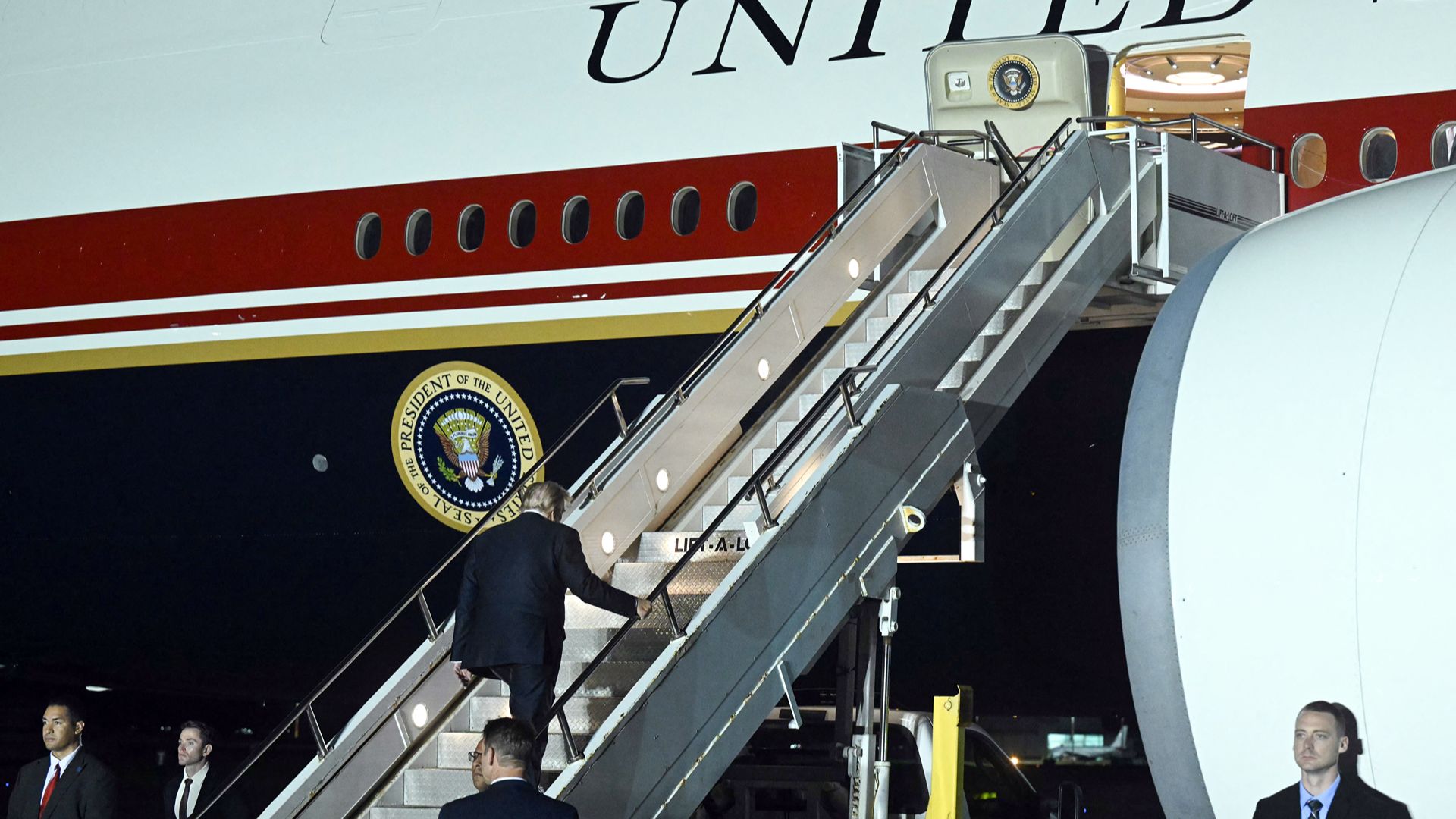
The geopolitical context made the timing especially sensitive. The aircraft swap occurred after the U.S. launched more than 80 retaliatory strikes against Iranian targets following attacks on commercial shipping in the Strait of Hormuz, one of the world's most strategically important maritime corridors. Iran answered by targeting U.S. military assets in Kuwait and Bahrain, escalating fears that the confrontation could expand beyond the Gulf. During Trump's return flight from Turkey, the crew temporarily disabled the older aircraft's tracking transponder, a defensive protocol generally associated with flights moving through or near active conflict zones. Reporters aboard the plane were also ordered to keep all window blinds closed, adding to the sense of forced secrecy around the departure.
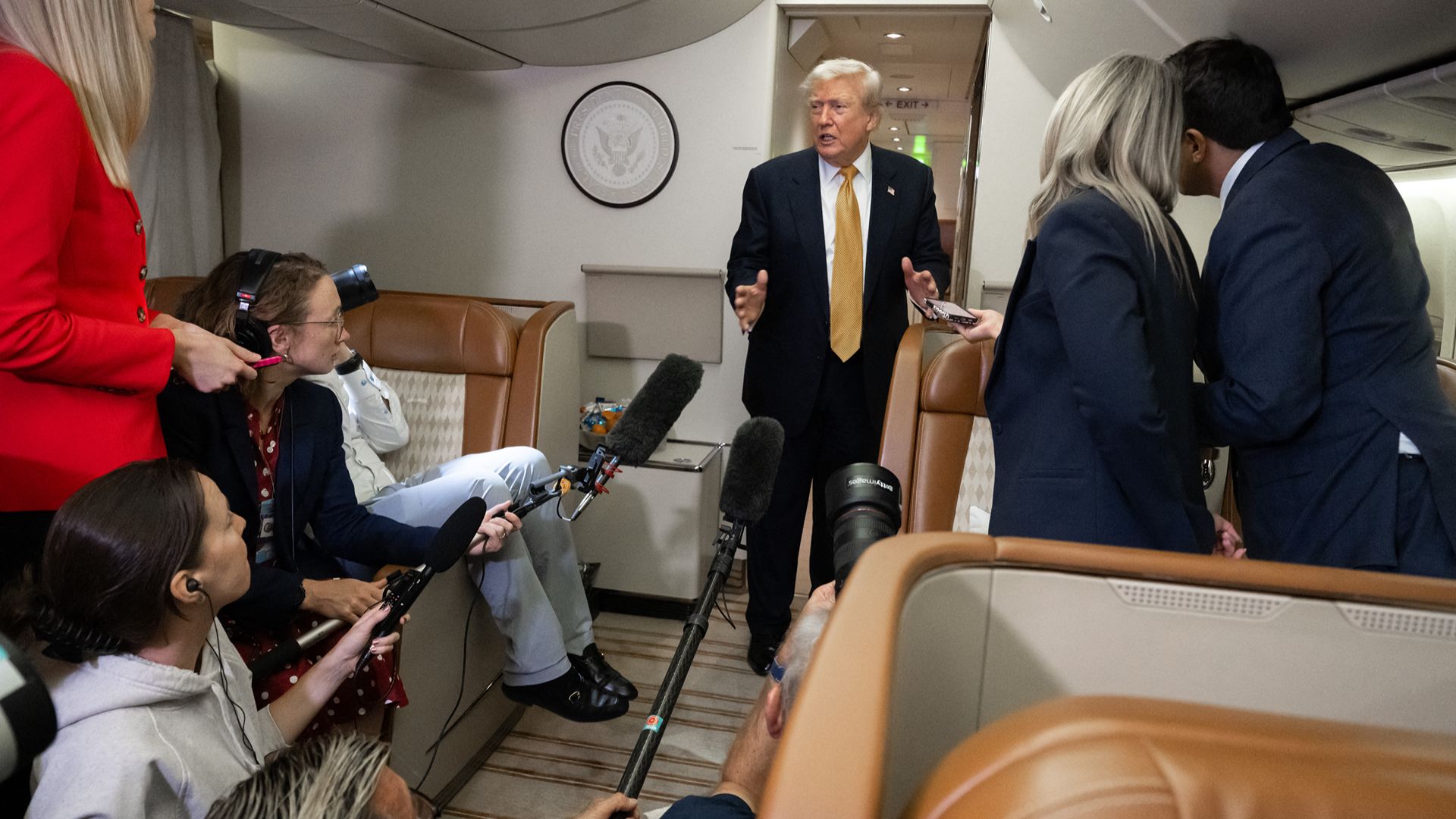
Trump did not fully dismiss the danger when reporters pressed him about the security concerns. Asked directly about the possibility of an Iranian attack, he said he faces «a threat all the time.» He then framed himself as Tehran's top target, telling the reporter, «I'm No. 1 on their list,» before pointing toward the journalist and adding «before you.» The president's tone then shifted into a darker warning for those traveling with him: «But if I go, you go.» He followed with another remark aimed at the press corps, saying «perhaps some of you want to change professions.» The exchange underscored the unusual tension aboard the flight and the extent to which security concerns had followed the president into the cabin.
«But if I go, you go.»
-U.S. President, Donald Trump
The episode also renewed questions about the limits of quickly converting a foreign-gifted luxury jet into a presidential aircraft during a period of military crisis. The Qatari-gifted Boeing 747-8 may offer prestige, range and modernized interiors, but the events in Ankara showed that presidential aviation depends on more than appearance or speed of deployment. In moments of acute threat, the older Air Force One still carries the systems, redundancies and defensive architecture that security officials appear unwilling to abandon. Trump's blunt exchange with reporters turned a technical aircraft decision into a political and national-security moment, exposing the risks surrounding presidential travel at a time when U.S.-Iran tensions remain capable of spilling quickly into new military confrontations.
Created by humans, assisted by AI.
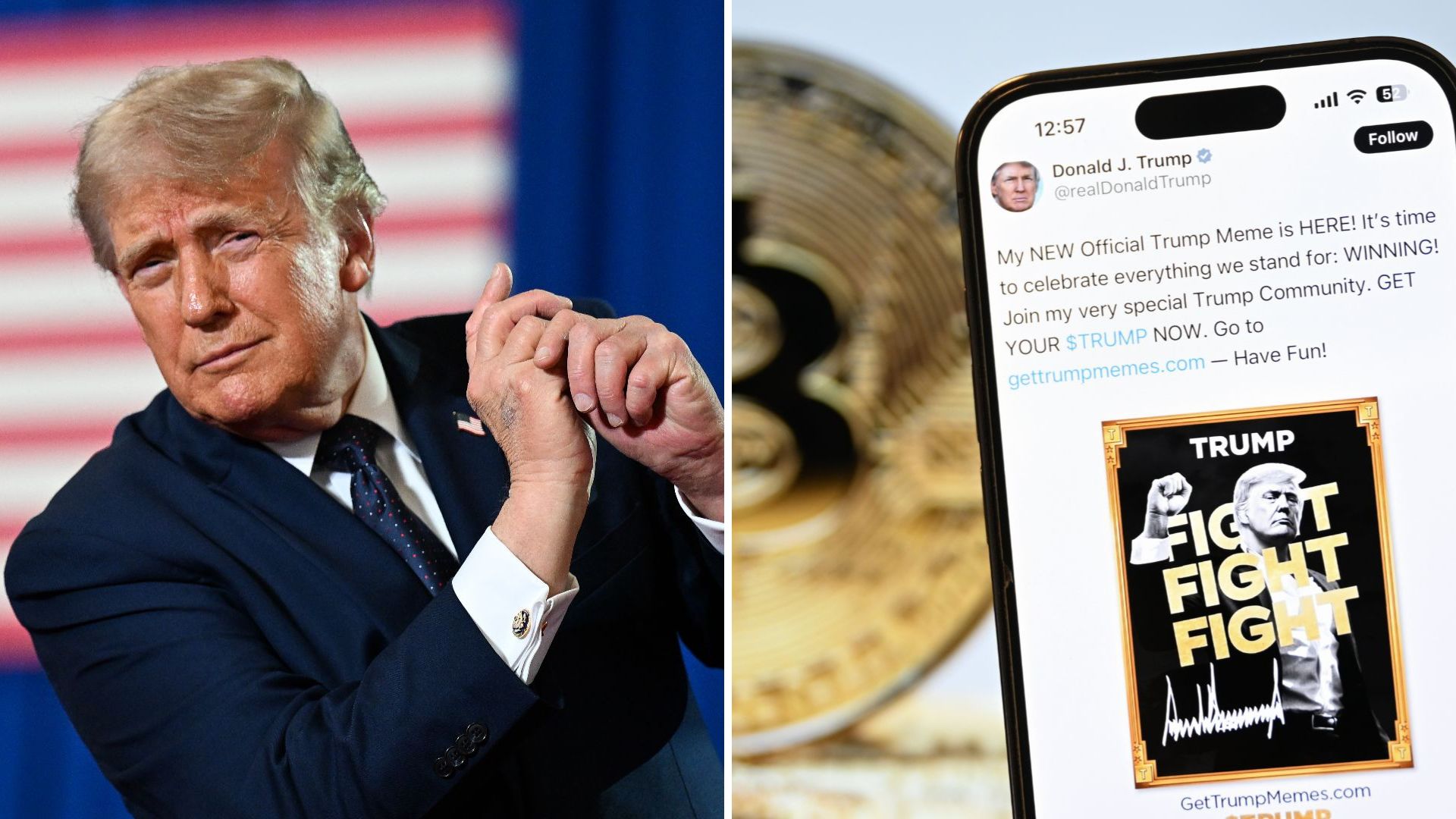 Trump adds $2.2 billion to his wealth since White House comeback
 World Cup chaos after FIFA overturns USA star Folarin Balogun's red card following Trump request