Trump Sold Up to $1 Million in Nvidia Stock Before CEO Resigned as Reports Reveal May Intelligence Warning


Donald Trump's previously disclosed sale of up to $1 million in Nvidia stock is drawing renewed attention following the resignation of the company's longtime CEO, Jensen Huang, amid a growing scandal involving a suspected Chinese intelligence operative. Financial records released in October revealed that Trump sold between $500,001 and $1 million in Nvidia shares during August 2026, approximately three months before Huang abruptly stepped down on November 12. The timing has taken on additional significance following reports that the president had received intelligence warnings months earlier about Huang's relationship with a businesswoman suspected of spying for Beijing. According to The Washington Post, The New York Times and ABC News, Trump was briefed about the alleged intelligence connection before Huang accompanied him on a diplomatic trip to China in May. The revelations have brought renewed attention to Trump's financial interests in Nvidia and his relationship with one of the technology industry's most influential executives. Although there is no established evidence connecting the stock transactions to the intelligence warnings, the overlapping timeline raises questions about the administration's handling of sensitive information involving a company central to American AI development and national security.
The reports concerning Trump's prior knowledge have become particularly significant because they contradict his subsequent public account of when he learned about the allegations. According to ABC News, intelligence officials warned the president about Huang's relationship with Alice Huang, a businesswoman previously associated with Singapore-based Megaspeed International, on at least two occasions. One reported briefing occurred in late 2025, while a second took place on May 12, 2026, when Secretary of State Marco Rubio reportedly informed Trump aboard Air Force One that American intelligence suspected the woman of having connections to Chinese intelligence services. The warning came shortly before Jensen Huang joined the presidential delegation traveling to China, where the Nvidia executive accompanied Trump despite the reported national security concerns. However, when questioned about the controversy on November 9, Trump denied having known about the suspected intelligence connection during the May trip. He subsequently defended Huang, saying the executive had assured him that he was unaware of the woman's alleged activities. «I asked him that question 'Did you have any idea that she was a spy?' He said 'I had no idea that she was a spy' and I really believe him», Trump told reporters. China has rejected the espionage allegations, and the suspicions involving Alice Huang have not been established through a criminal conviction.
There are no conflicts of interest.
The president's Nvidia transactions were documented in financial disclosures signed on September 17 and released publicly on October 8, when Reuters reported that Trump had both purchased and sold substantial amounts of the semiconductor company's shares during August. While the disclosed sales reached as much as $1 million, the records also showed purchases totaling up to $1.6 million, meaning the president's financial activity was not limited to reducing his Nvidia holdings. The investments attracted attention because Trump's administration was simultaneously considering policies with potentially significant consequences for the company's business, particularly restrictions governing exports of advanced AI chips to China. The same day the transactions became public, Trump awarded Huang the National Medal of Science, underscoring the close relationship between the administration and the Nvidia executive. Responding to Reuters, White House spokesperson Davis Ingle maintained that Trump's portfolio was managed by independent financial institutions rather than the president personally. «All investment decisions are made entirely by independent managers», Ingle said, adding, «There are no conflicts of interest.» The administration's explanation is an important distinction because the available disclosures do not establish that Trump personally ordered the Nvidia sale, knew its precise timing or used classified intelligence to influence the investment decisions.
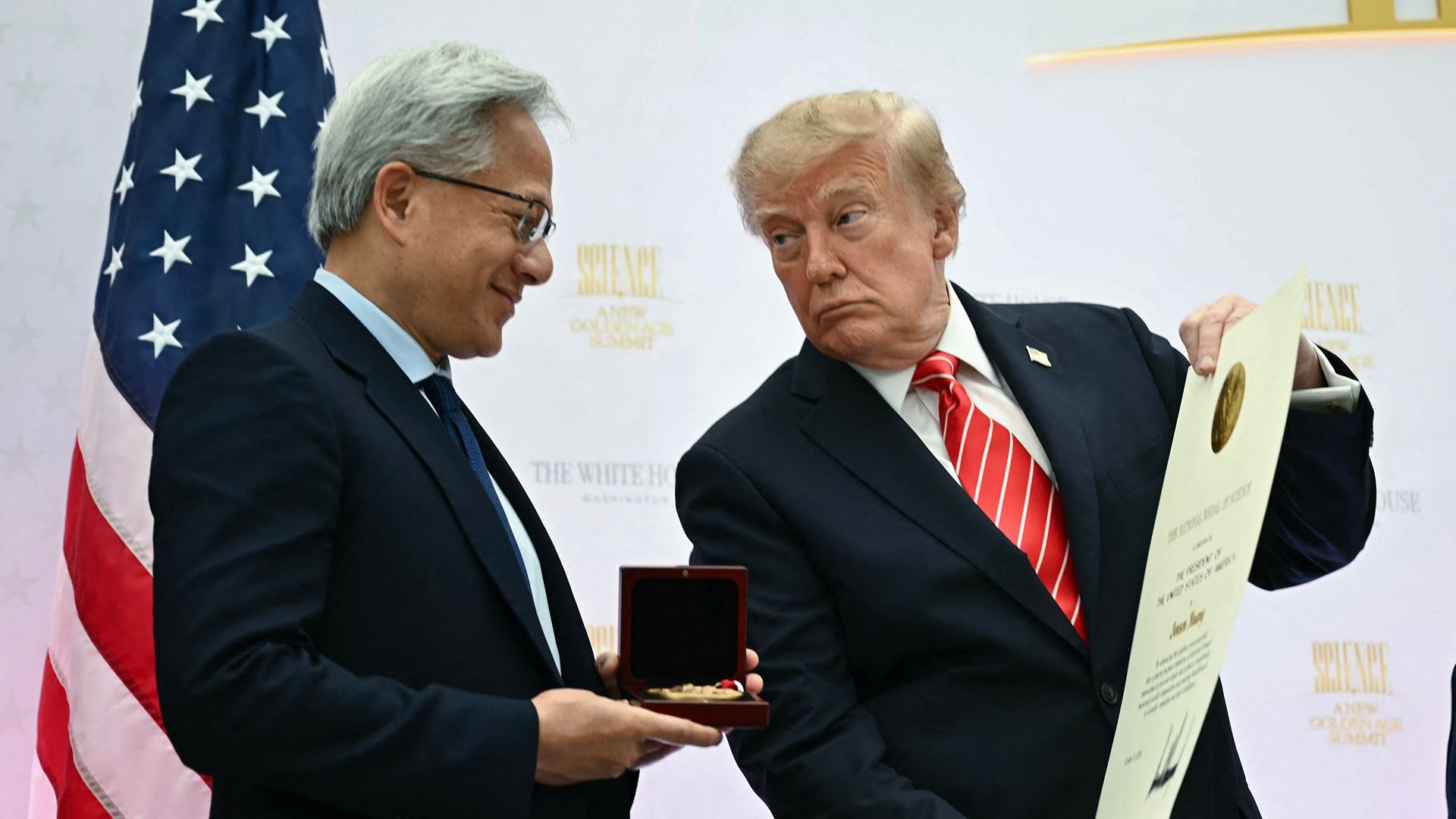
Trump's financial dealings with Nvidia have attracted additional scrutiny because of his administration's close relationship with Jensen Huang and its influence over policies governing advanced semiconductor exports to China. Huang emerged as an important technology adviser to the president, joining the President's Council of Advisors on Science and Technology in March 2026 and accompanying Trump during his May visit to Beijing. The administration had also taken steps benefiting Nvidia's access to the Chinese market, including a December 2025 decision allowing exports of certain advanced H200 AI chips under specific conditions. Those policies marked a significant development in Washington's efforts to balance economic interests with restrictions intended to prevent sensitive American technology from strengthening China's military capabilities. In October, Trump awarded Huang the National Medal of Science, recognizing his contributions to technological innovation on the same day the president's Nvidia stock transactions became public. The Washington Post also reported that Nvidia committed $25 million toward Trump's planned White House ballroom. Although these connections do not establish wrongdoing, they underscore the importance of understanding how the administration evaluated intelligence warnings while making decisions affecting a company in which Trump held financial interests.
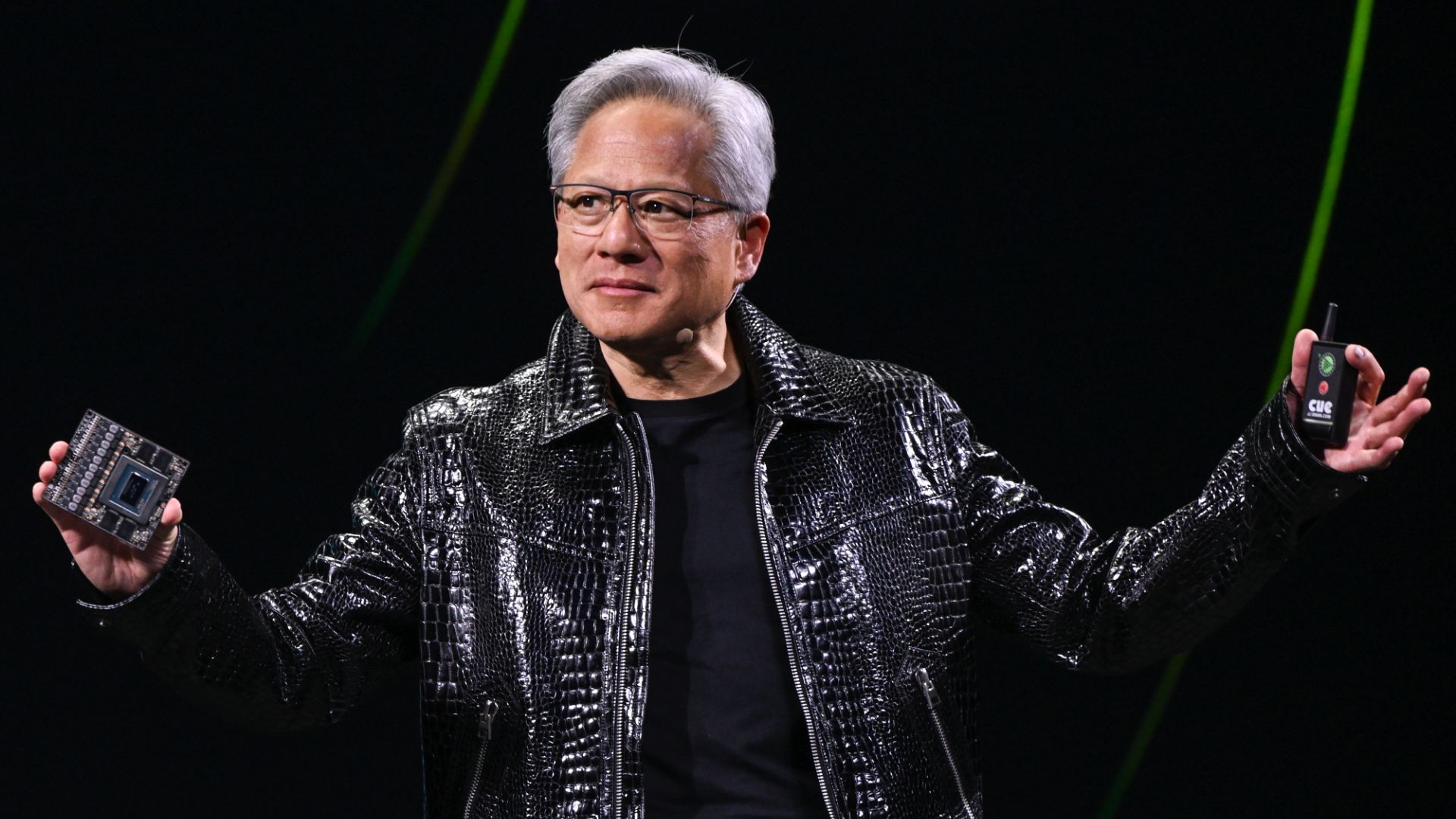
The controversy intensified on November 8, when Huang publicly acknowledged having an extramarital affair with Alice Huang, a businesswoman suspected by American intelligence officials of having connections to Chinese espionage operations. Nvidia subsequently launched an internal investigation into whether its longtime chief executive had been targeted by a foreign intelligence operation, while separate allegations involving relationships with company employees added to the pressure surrounding his leadership. On November 12, Nvidia announced that Huang had resigned as president, chief executive officer and board member, effective immediately, ending his more than three decades at the helm of the semiconductor company he co-founded in 1993. Chief Financial Officer Colette Kress was appointed interim CEO as the board began searching for a permanent replacement. Trump responded sympathetically to Huang's departure during an interview with broadcaster Stephen A. Smith, declaring, «I spoke to him yesterday. He's going through hell. What he feels most badly about is his wife and family. That's what he told me.» The president also praised Huang's technological accomplishments, despite previously acknowledging that the FBI was investigating the suspected intelligence connection. The allegations involving Alice Huang remain under investigation, and no publicly established finding demonstrates that Jensen Huang knowingly participated in espionage.
I asked him that question 'Did you have any idea that she was a spy?' He said 'I had no idea that she was a spy' and I really believe him.
Huang's resignation has not ended scrutiny of Nvidia or the Trump administration's handling of the alleged intelligence operation, with lawmakers now demanding access to records that could establish what senior officials knew and how they responded. On November 11, Democratic Senators Elizabeth Warren and Chris Coons sent a letter to Commerce Secretary Howard Lutnick, Secretary of State Marco Rubio and White House Chief of Staff Stephen Miller requesting preservation of documents concerning Nvidia's advanced AI chip exports, communications with administration officials and intelligence assessments involving the suspected Chinese operative. «This incident raises significant concerns about the federal government's ability to effectively enforce our export controls and protect our national security», the senators wrote. They also questioned whether counterintelligence recommendations had been disregarded and requested confirmation by November 17 that relevant records would be preserved. Republican lawmakers have expressed interest in additional oversight, while Democrats preparing to take congressional control in January could pursue broader investigations. The controversy has also raised questions about Nvidia's relationship with Megaspeed International, a Singapore-based company facing scrutiny over potentially unauthorized semiconductor shipments to China. For Trump, the renewed attention brings together his previously disclosed Nvidia investments, reports of intelligence warnings months before Huang's resignation and his administration's decisions affecting the company. However, no evidence currently establishes that his August stock sale was directed by classified information or connected to advance knowledge of the scandal.
Created by humans, assisted by AI.
Share this post

Popular posts
-
France Accuses Iran of Massive Cyberattack on 700 Supermarkets as Tehran Denies Responsibility and Paris Threatens Retaliation
-
Trump Admits ICE Crackdown Was «Too Tough» and Hurt Him Politically, While Promoting Hardliner Stephen Miller
-
The creator of Minecraft is selling his incredible $70 million mansion: Take a look inside with these 15 photos
-
All US flights grounded nationwide: FAA cites “extraordinary circumstances” and ”reasons of safety”