

/https%3A%2F%2Fcdn-tor.buminteractif.com%2F2026%2F03%2F16150902%2Ftrump-nato-strait-getty-34534bfb4534-1.jpg)
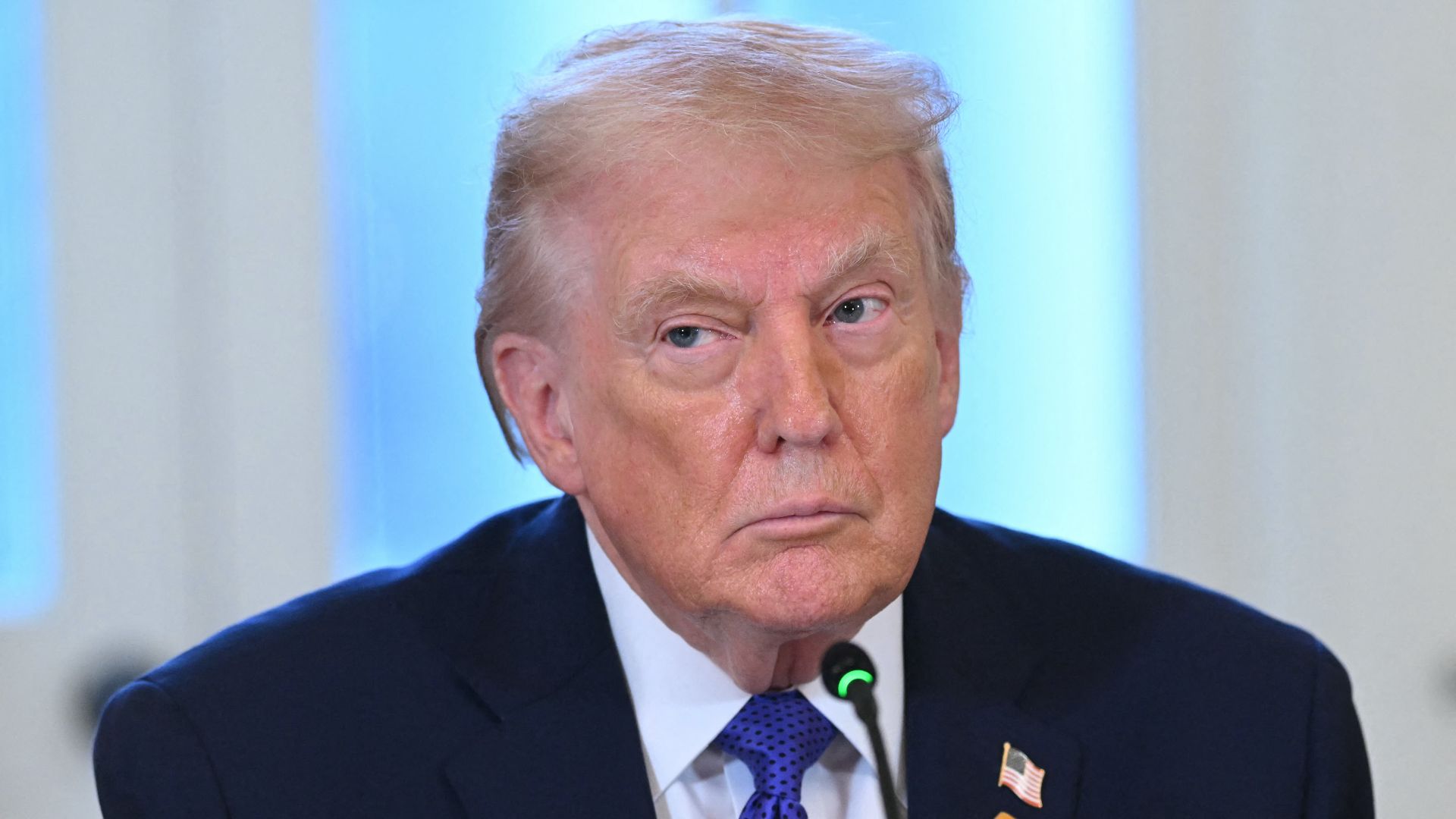
Donald Trump warned that NATO could face a «very bad» future if allies refuse to support U.S. efforts to secure the Strait of Hormuz, one of the world's most important oil shipping corridors. The comments came after Trump asked several allied governments to contribute naval forces to help protect tanker traffic following escalating tensions in the Gulf during the war involving Iran, Israel and the United States. Speaking to reporters at the White House, Trump criticized NATO members that have hesitated to participate in the mission. «If they don't help us with the Strait of Hormuz, they're going to have a very bad future with NATO,» Trump said.
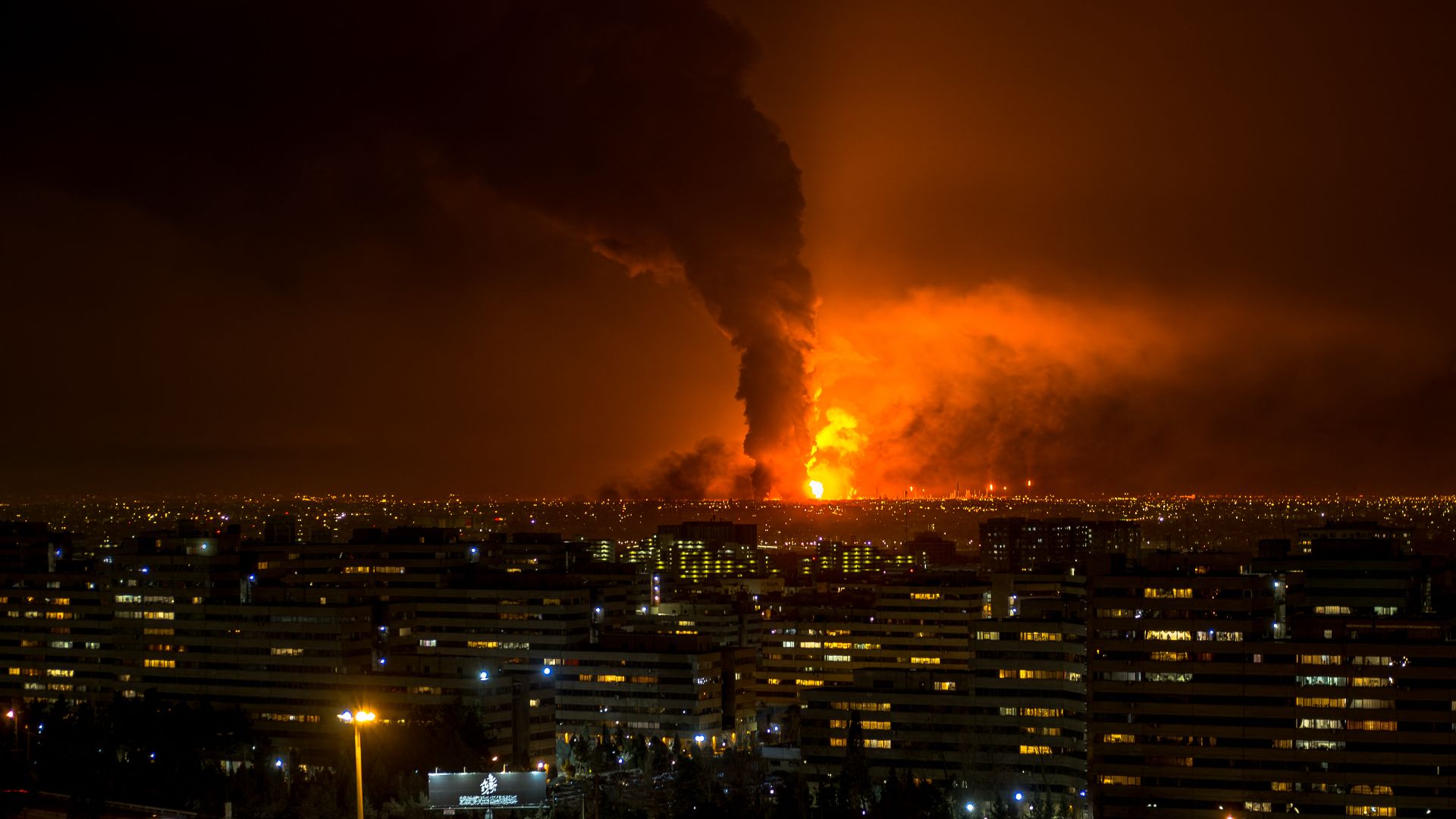
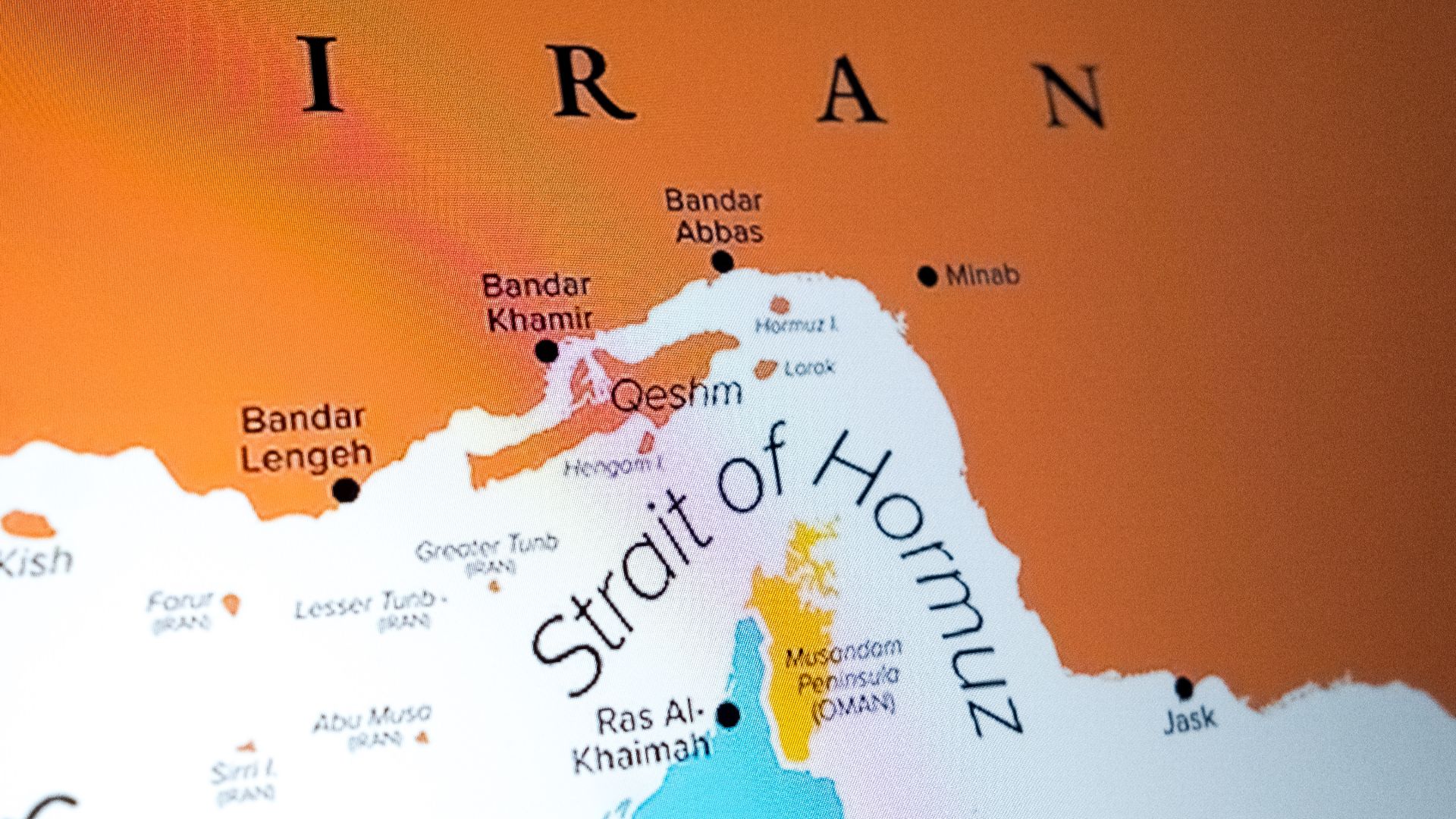
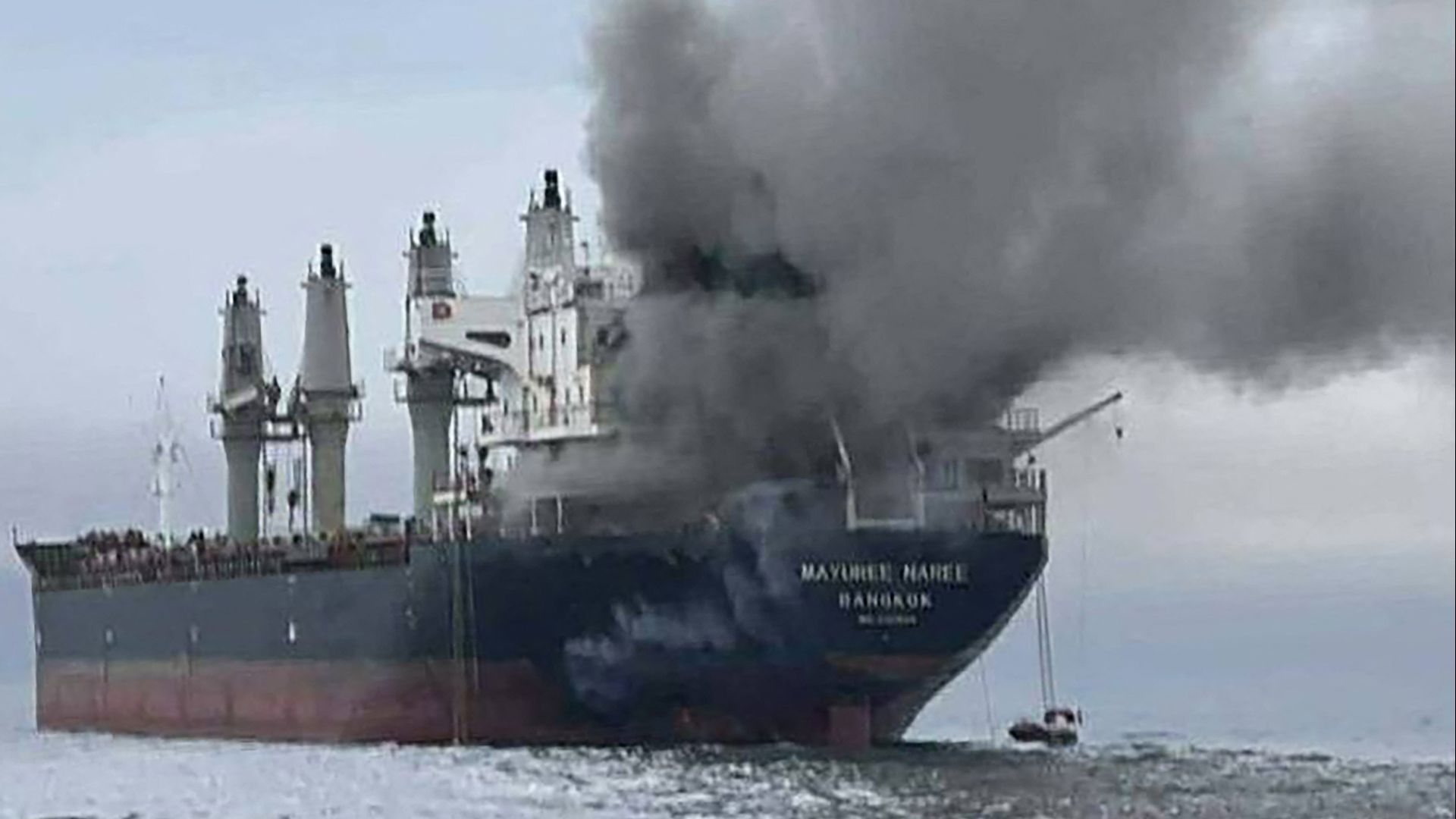
The request for allied support comes as tensions in the region continue to rise after U.S. and Israeli strikes targeted Iranian military infrastructure. Iran has responded with missile and drone attacks across the region and warned that vessels linked to the United States, Israel and their allies could be targeted. Iranian military officials have also threatened to disrupt shipping through the Strait of Hormuz, the narrow passage connecting the Persian Gulf to global energy markets. The waterway carries roughly one fifth of the world's oil supply, making its security a critical concern for governments and energy markets around the world.
«They all use the oil that goes through that strait.»
-U.S. President, Donald Trump
Despite Washington's request, several European allies have expressed reluctance to deploy naval forces to the area. German officials said Berlin does not view the operation as a NATO responsibility. A senior German government official said the conflict in the Gulf was «not NATO's war» and stressed that Germany supports diplomatic efforts to reduce tensions rather than expanding military involvement. The response reflects broader hesitation among some NATO members to become directly involved in a conflict that began after U.S. and Israeli attacks on Iranian targets earlier in the year.
Other allied governments have also signaled caution about sending military forces to the region. Officials in several European capitals have said they remain concerned about the risk of escalation and the possibility that naval deployments could draw additional countries into the conflict. Diplomats from NATO countries have emphasized that protecting international shipping remains important but argued that any response should be coordinated carefully to avoid widening the war. Some governments have instead focused on diplomatic channels and economic measures aimed at stabilizing the situation in the Gulf.
«If they don't help us with the Strait of Hormuz, they're going to have a very bad future with NATO.»
-U.S. President, Donald Trump
The United States has already expanded its own naval presence in the region as part of efforts to deter Iranian attacks on shipping. American warships have been deployed to escort commercial vessels through the Strait of Hormuz and monitor potential threats from mines, drones and missile systems. U.S. officials say the mission is intended to ensure that international trade can continue despite the ongoing conflict. Military commanders have warned that the narrow waterway remains vulnerable to disruption because of its geography and the proximity of Iranian forces stationed along the coast.
Trump's warning about NATO's future underscores growing tension between Washington and some of its allies over the direction of the conflict. The president has argued that countries benefiting from secure global trade routes should contribute more to protecting them. «They all use the oil that goes through that strait,» Trump said, defending his demand for allied support. «If they don't help us, it's going to be a very bad situation for NATO.» His remarks highlight the diplomatic strain emerging within the alliance as governments debate how far they are willing to go in supporting U.S. operations in the Gulf.
Created by humans, assisted by AI.
