Trump’s 28,700 Trades Surpass Entire Congress Months After He Attacked Fellow Republican Over Presidential Stock Trading Ban


A Bloomberg investigation has revealed that Donald Trump has recorded more stock trades since returning to the White House than every member of the United States Congress combined, raising fresh questions about presidential financial interests and the rules governing stock trading by elected officials. According to the September 15, 2026, report, Trump or his financial managers conducted approximately 28,700 trades between January 20, 2025, and June 30, 2026, compared with roughly 22,200 reported by all congressional lawmakers during the same period. That amounts to approximately 6,500 more transactions than the entire legislative branch, averaging around 80 trades per market day. The figures include stocks, bonds and other investments, rather than exclusively shares in publicly traded companies. The findings are particularly significant because Trump has publicly supported legislation restricting congressional stock trading while backing a proposal that leaves the presidency outside its restrictions. The revelations also revive a political confrontation from July 2025, when Trump personally attacked Republican Senator Josh Hawley for advancing a bipartisan proposal that included presidential trading restrictions.
Bloomberg's examination of financial disclosures highlights how Trump's stock trading activity has expanded beyond the real estate holdings and privately owned businesses that dominated his financial reporting during his first administration. His disclosed trades include investments involving publicly traded companies, corporate bonds and other financial assets, raising potential conflict-of-interest concerns given the president's ability to influence markets through executive orders, regulatory decisions and public statements. However, the volume of reported transactions does not establish that Trump personally directed the trades or benefited from privileged government information. Responding to Bloomberg, White House spokesperson Davis Ingle insisted that independent financial institutions manage the president's investments, stating: «Neither President Trump nor any member of his family has any ability to direct, influence, or provide input regarding how the portfolio is invested or when investments are bought or sold.» The administration explained that the accounts follow computer-based investment models designed to replicate established market indexes. Bloomberg also reported that the White House declined to clarify Trump's position on extending stock trading restrictions to the presidency, despite his public support for imposing restrictions on members of Congress.
I don't think real Republicans want to see their President, who has had unprecedented success, TARGETED, because of the ‘whims' of a second-tier Senator named Josh Hawley!
That omission brings renewed attention to an earlier effort by Democratic lawmakers to establish broader restrictions on stock trading by federal officials, an initiative that gained an unexpected Republican supporter. On July 30, 2025, Missouri Senator Josh Hawley joined Democrats on the Senate Homeland Security and Governmental Affairs Committee to advance legislation designed to prevent elected officials from buying, selling or holding individual stocks while serving in public office. The proposal also included provisions addressing the president and vice president, although certain divestment requirements were structured to take effect after Trump's current term. Hawley voted alongside Democrats to move the legislation forward by an 8–7 margin, breaking with most Republicans on the committee. Explaining his position, Hawley declared: «Americans have watched politicians earn a fortune using information not available to the general public while the average family struggles to get by. It's just wrong.» He continued: «Members of Congress should be focused on delivering results for their constituents, not returns on investments. It's time to find out where members stand. It's time we restore trust in Congress and ban all members from trading and holding stocks.» Rather than welcoming Hawley's cooperation with Democrats, Trump responded with a lengthy Truth Social attack accusing his fellow Republican of helping political opponents target the presidency.
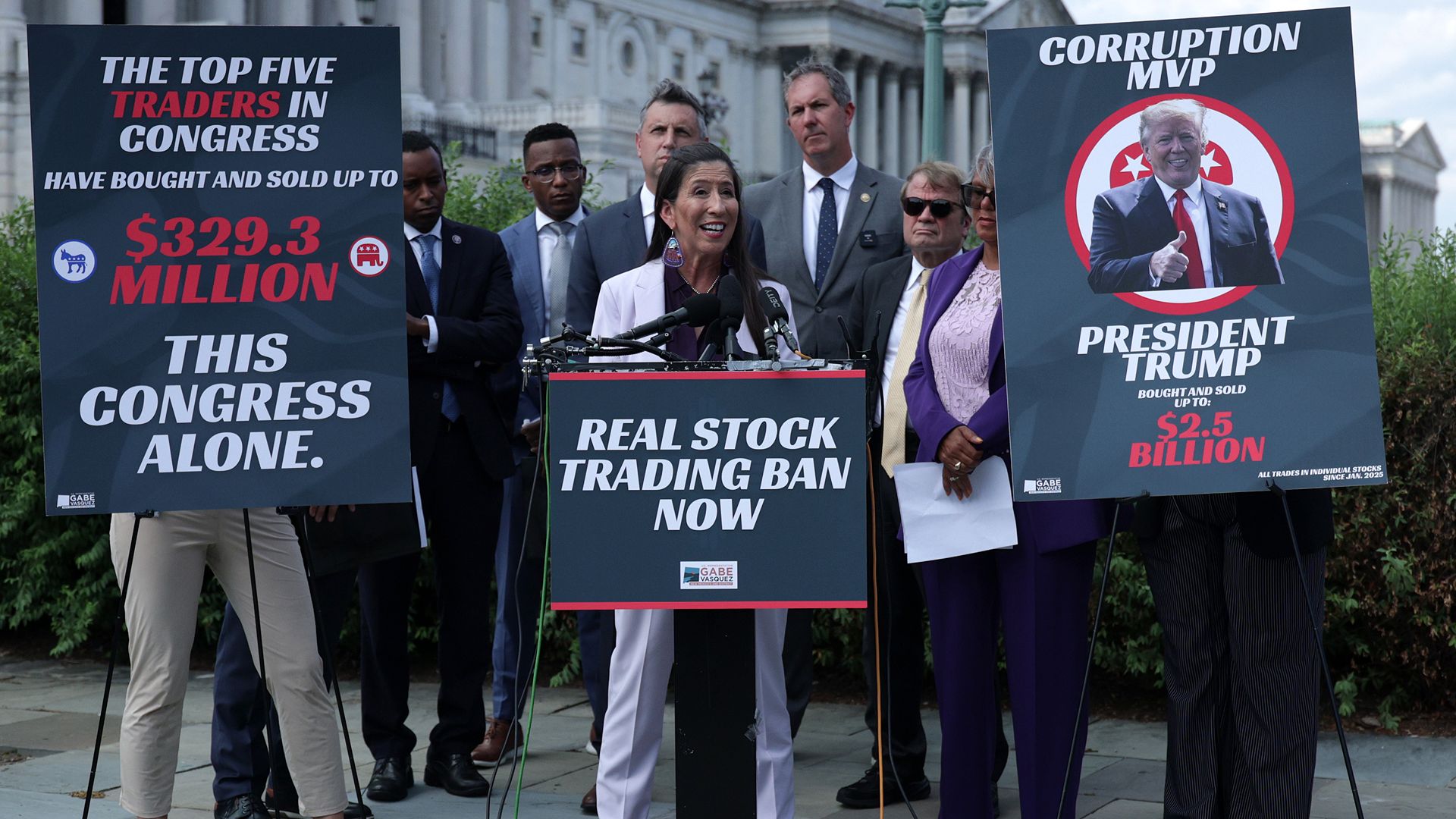
Trump's response was particularly striking because, earlier that same day, he had expressed support for the general idea of the legislation when reporters asked whether he favored restricting stock trading by members of Congress, the president and the vice president. Hours later, however, Trump published an angry Truth Social message questioning Hawley's Republican loyalty and accusing him of assisting Democrats in a political effort against the White House. Trump criticized Hawley for opposing a proposed review of Nancy Pelosi's stock trading history and characterized the circumstances surrounding the committee vote as resembling sabotage. He also accused Democrats of using Hawley as a political pawn and suggested the legislation would benefit Pelosi and her husband, without establishing that either had engaged in illegal trading. His message culminated in a direct personal attack: «I don't think real Republicans want to see their President, who has had unprecedented success, TARGETED, because of the ‘whims' of a second-tier Senator named Josh Hawley!» The confrontation exposed a disagreement over whether restrictions on financial trading should extend beyond Congress to the executive branch.
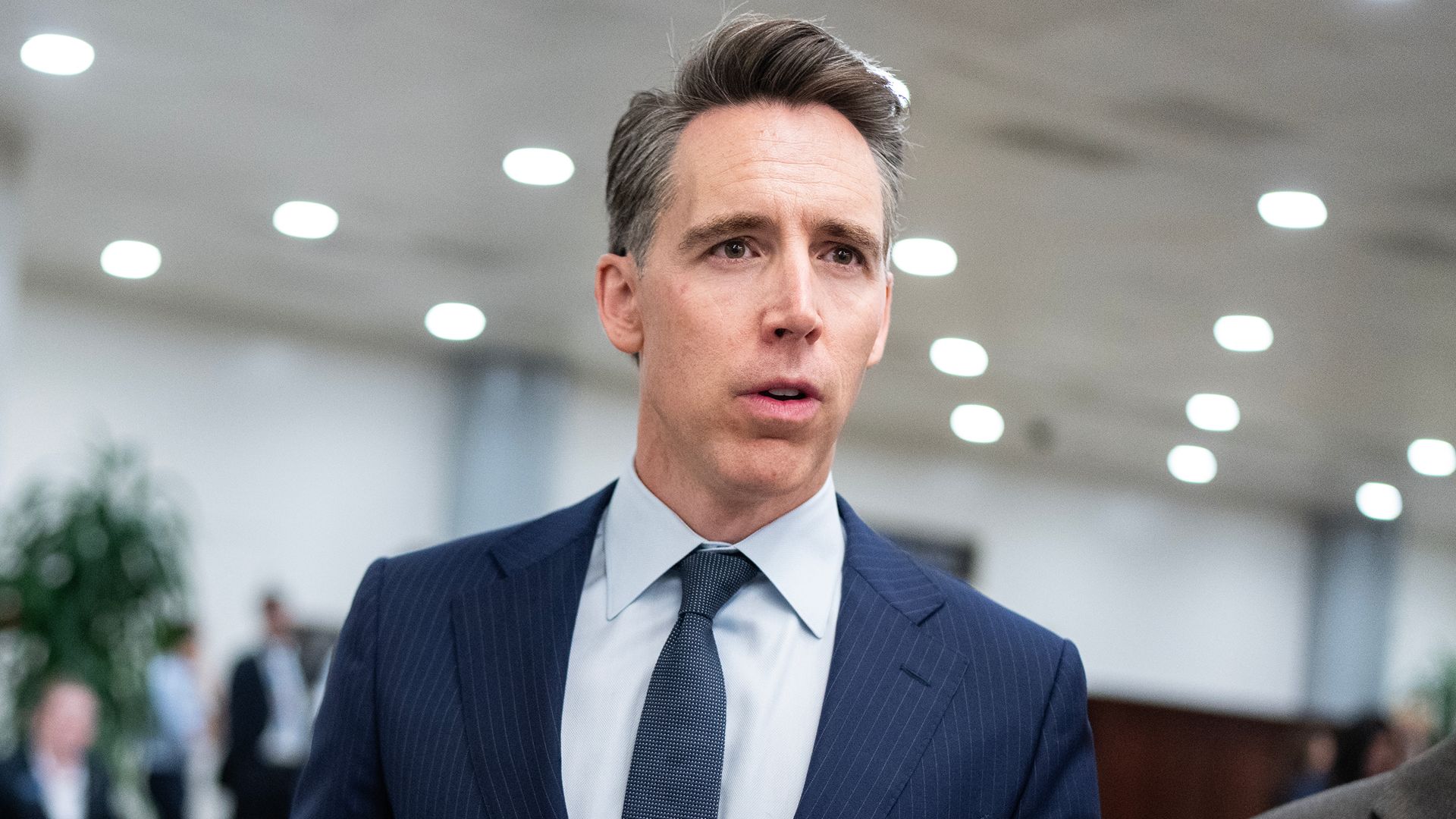
Hawley subsequently sought to clarify the proposal directly with Trump, explaining that the president had apparently been told the legislation would force him to sell Mar-a-Lago and other existing properties. According to Hawley, that interpretation was incorrect because the bill exempted Trump and Vice President JD Vance from certain requirements to divest their existing assets, although its initial version included other restrictions on presidential stock transactions. Following their conversation, Hawley told reporters: «He reiterated to me that he wants a stock trade ban, he supports a stock trade ban.» Despite the confrontation, Hawley continued advocating restrictions on congressional investments and indicated a willingness to negotiate provisions affecting the presidency. The legislation nevertheless encountered further political obstacles. A separate, narrower Republican-backed proposal, the Stop Insider Trading Act, passed the House of Representatives in July 2026 by a vote of 232–198, but failed to advance in the Senate on September 30, receiving 53 votes against 47, seven short of the required 60. Republicans supported the measure, while Democrats opposed it, arguing that its restrictions were insufficient and objecting to an accompanying voter-identification provision. Consequently, no new federal prohibition on congressional stock trading had become law.
Americans have watched politicians earn a fortune using information not available to the general public while the average family struggles to get by. It's just wrong.
The failure to establish broader trading restrictions leaves unresolved questions about financial transparency in Washington, particularly as Bloomberg's findings reveal that Trump's investment accounts recorded substantially more transactions than those of the entire Congress. The controversy also unfolds amid growing public concern over whether the president is using his position to advance private financial interests. An Associated Press-NORC poll released on October 13, 2026, found that 41% of American adults believed Trump had done something illegal to benefit financially from his presidency, while another 18% considered his conduct unethical but not illegal. Only 18% said he had done nothing wrong, and 56% believed he had prioritized his personal business interests substantially since returning to office. These findings measure public perceptions rather than establish any wrongdoing, and the White House has rejected allegations of conflicts of interest. Nevertheless, the contrast remains significant: Trump publicly supports restrictions on stock trading by lawmakers, previously attacked a fellow Republican who advanced broader restrictions involving the presidency, and now faces renewed scrutiny after the disclosure of approximately 28,700 trades associated with his own investments.
Created by humans, assisted by AI.
