

/https%3A%2F%2Fcdn-tor.buminteractif.com%2F2026%2F03%2F10163255%2Ftrump-iran-ukrainee-34534tgdfg34.jpg)
The United States is now urgently turning to Ukraine's battlefield-tested anti-drone technology as Iranian drone attacks expand across the Middle East, marking a sharp shift in defense cooperation between Washington and Kyiv. Ukrainian officials confirmed that American forces requested assistance as Iranian-made Shahed drones targeted U.S. positions and regional allies.
President Volodymyr Zelensky said Ukraine would help provide expertise and technology developed during its war with Russia, explaining that Kyiv has gained extensive experience countering the same Iranian-designed drones now threatening American forces. Zelensky said partners were reaching out for assistance, stating that «there have been requests from the American side» for help defending against Iranian drone attacks.
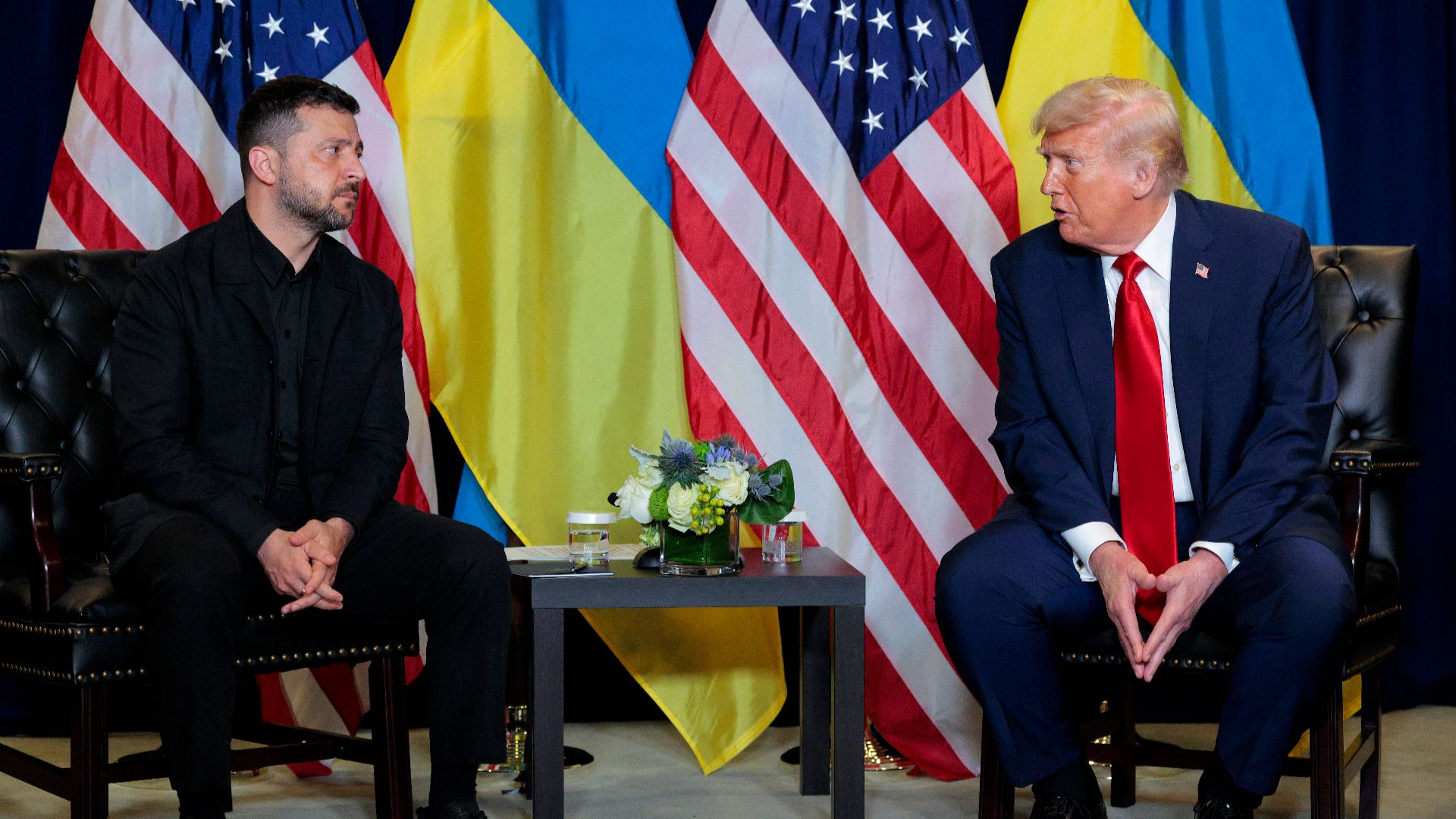
The technology at the center of the cooperation is part of a broader system Ukraine developed after facing thousands of Iranian-designed Shahed drones launched by Russian forces during the war. Ukrainian engineers created a network of countermeasures that includes interceptor drones, electronic warfare tools and mobile air-defense teams capable of detecting and destroying incoming drones before they reach their targets. Some systems rely on inexpensive interceptor drones designed specifically to hunt and destroy larger unmanned aircraft. One example is the Ukrainian “Sting” interceptor drone, a loitering munition built to chase down Shahed drones and destroy them in flight. The system was designed as a low-cost alternative to expensive missile defenses and can reach speeds exceeding 300 kilometers per hour.
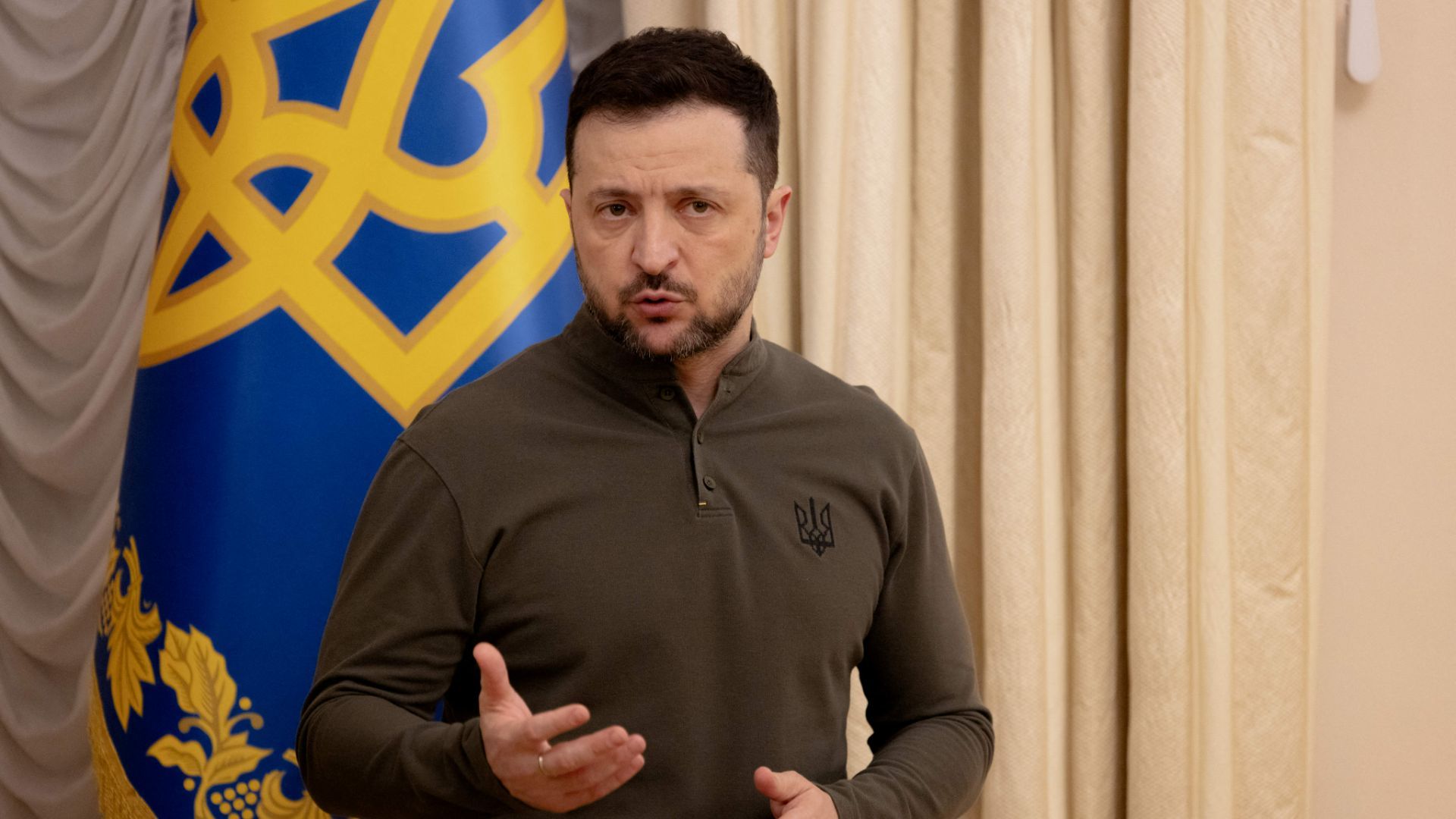
Ukraine's approach to drone defense has attracted global attention largely because of its cost and effectiveness. Iranian Shahed drones can overwhelm traditional air defenses by attacking in large numbers, forcing defenders to use expensive interceptor missiles that cost millions of dollars each. Ukrainian engineers instead focused on cheaper solutions, producing interceptor drones that can cost only a few thousand dollars while still destroying incoming targets. The experience has been shaped by years of combat: Ukraine has faced tens of thousands of Shahed drone attacks since 2022, forcing its military to refine a layered defense combining electronic warfare, ground-based weapons and autonomous interceptors designed to destroy drones before they reach populated areas.
«Ukraine will support the United States with protection against Iranian Shahed drones.»
-Ukraine President, Volodymyr Zelensky
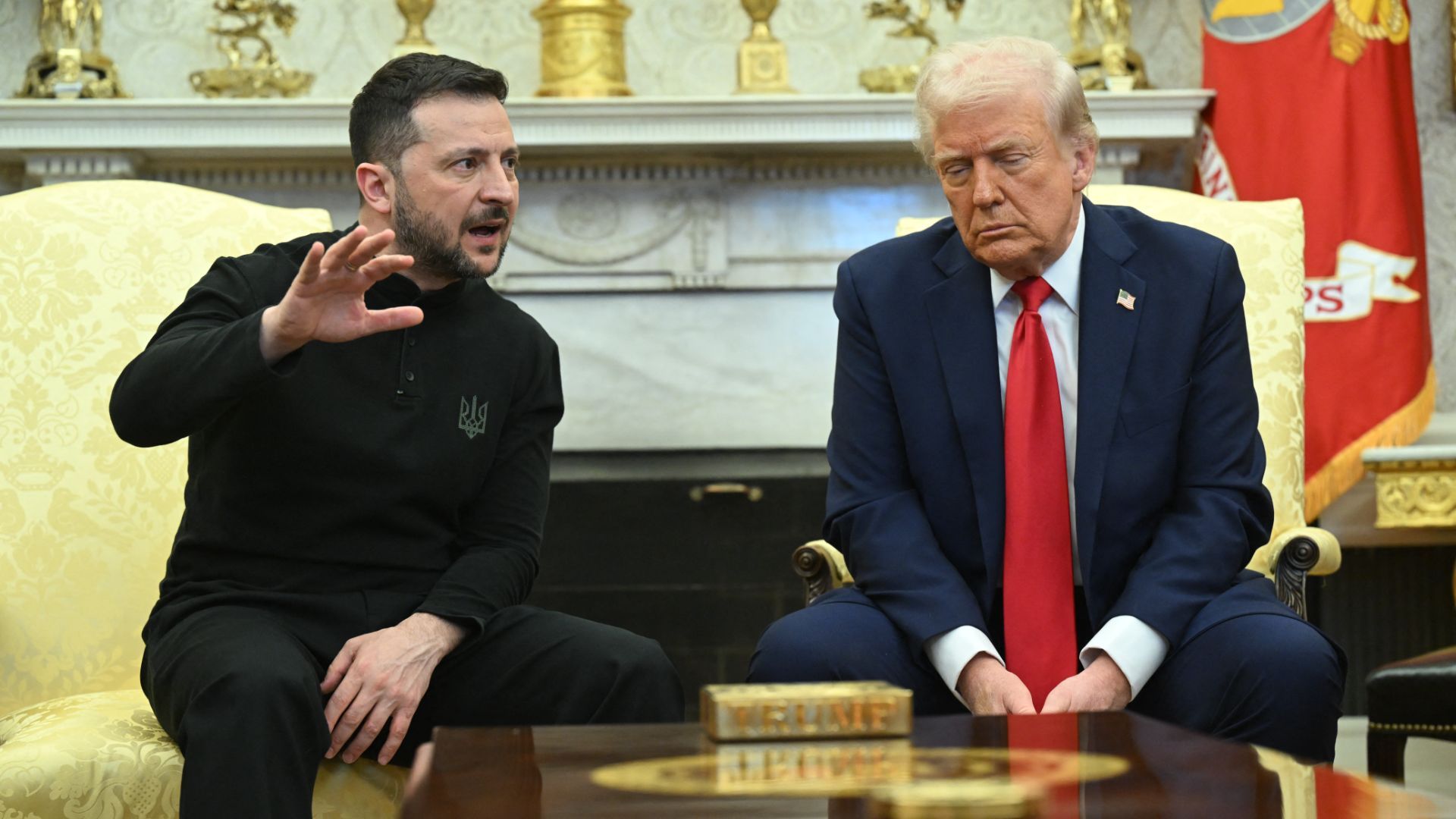
Despite the technology's success, Ukrainian officials say the United States declined an earlier proposal to cooperate on the system months before the current crisis. According to reporting on the discussions, Ukrainian representatives presented the idea during a meeting between Zelensky and Donald Trump in August 2025, offering access to Ukraine's combat-tested drone interception technology. Trump reportedly showed initial interest and instructed officials to examine the proposal, but the plan never moved forward. American officials later described the decision not to pursue the offer as a missed opportunity, especially after Iranian drone attacks intensified in the Middle East following the outbreak of the Iran war.
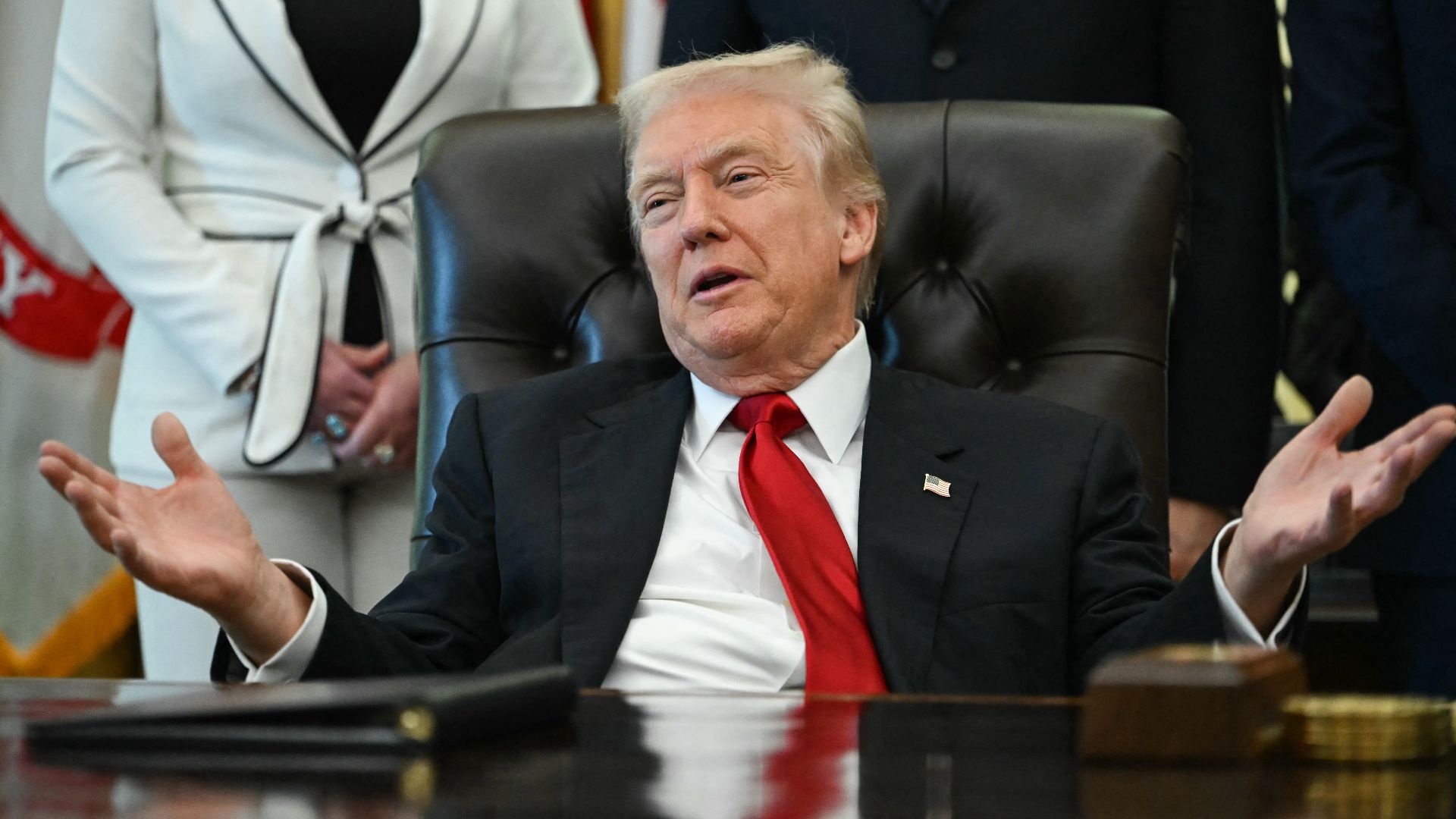
As the conflict escalated, Washington reversed course and sought Ukraine's expertise directly. Ukrainian officials confirmed that Kyiv began sending specialists and interceptor technology to assist American forces in the region. Zelensky said Ukraine was prepared to share its experience defending against Iranian drones and help partners facing the same threat.
«Ukraine will support the United States with protection against Iranian Shahed drones», Zelensky said when announcing the cooperation. The Ukrainian leader added that Kyiv had already received requests from multiple countries interested in the technology and training developed during the war with Russia, highlighting how Ukraine's battlefield innovations are now influencing global defense strategy.
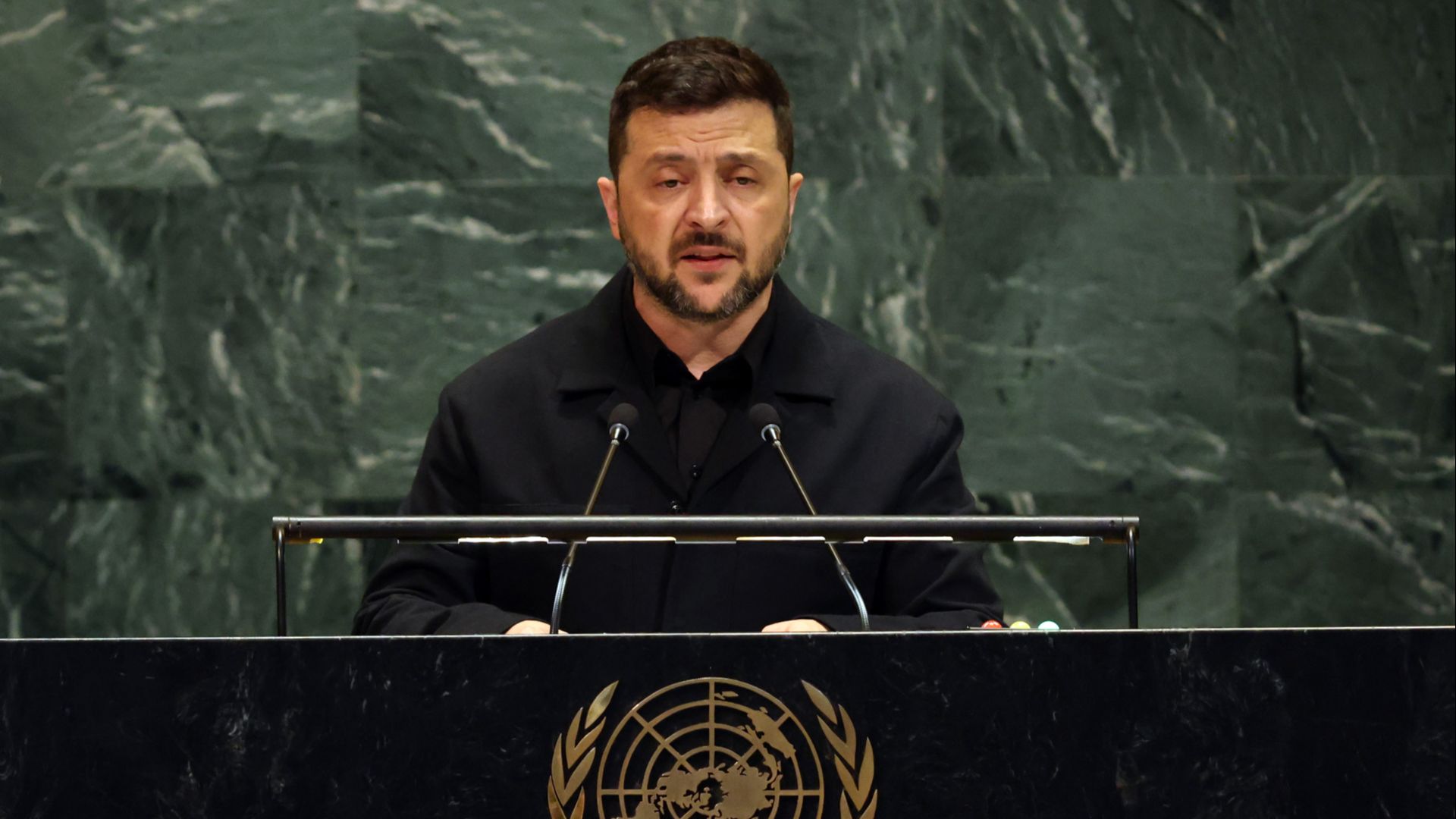
The sudden interest in Ukrainian drone defenses illustrates how the war with Russia has transformed the country into a laboratory for modern warfare. Military planners across the United States and Europe are studying the tactics Ukraine developed after years of confronting large-scale drone attacks. Analysts say the shift toward low-cost interceptor drones could reshape air defense strategies, particularly as Iran and its allies increasingly rely on swarms of inexpensive unmanned aircraft. What began as a survival strategy on the Ukrainian battlefield is now becoming a model for countering drone warfare worldwide, as the United States moves to adopt the very technology it declined only months earlier.
Created by humans, assisted by AI.
