US Billionaires With $2 Trillion at Stake at the Center of Peace Push in Russia’s War on Ukraine


/https%3A%2F%2Fcdn-tor.buminteractif.com%2F2025%2F12%2F01195051%2Ftrump-getty348753ngdktj43y.jpg)
Donald Trump's administration has put US billionaires in the front row of its peace plan for Russia's war on Ukraine, after a detailed Wall Street Journal investigation revealed that Trump envoys Steve Witkoff and Jared Kushner have been exploring major business ventures with Moscow built around frozen Russian assets and a drive to tap into Russia's roughly $2 trillion economy.
A Wall Street Journal report details how profit is at the center of Trump's “peace” talks.
— The Daily Beast (@thedailybeast.bsky.social) 2025-11-29T16:04:44.457627Z
These revelations about a potential multitrillion-dollar business bonanza tied to a future settlement have prompted a wave of accusations from critics that Trump is effectively selling out Ukraine's interests in exchange for profit.
A Recently Leaked 28-Point Peace Plan
Hidden beneath a 28-point peace plan for the war between Russia and Ukraine, this proposal had been kept secret until it was recently leaked, reportedly by Russian sources.
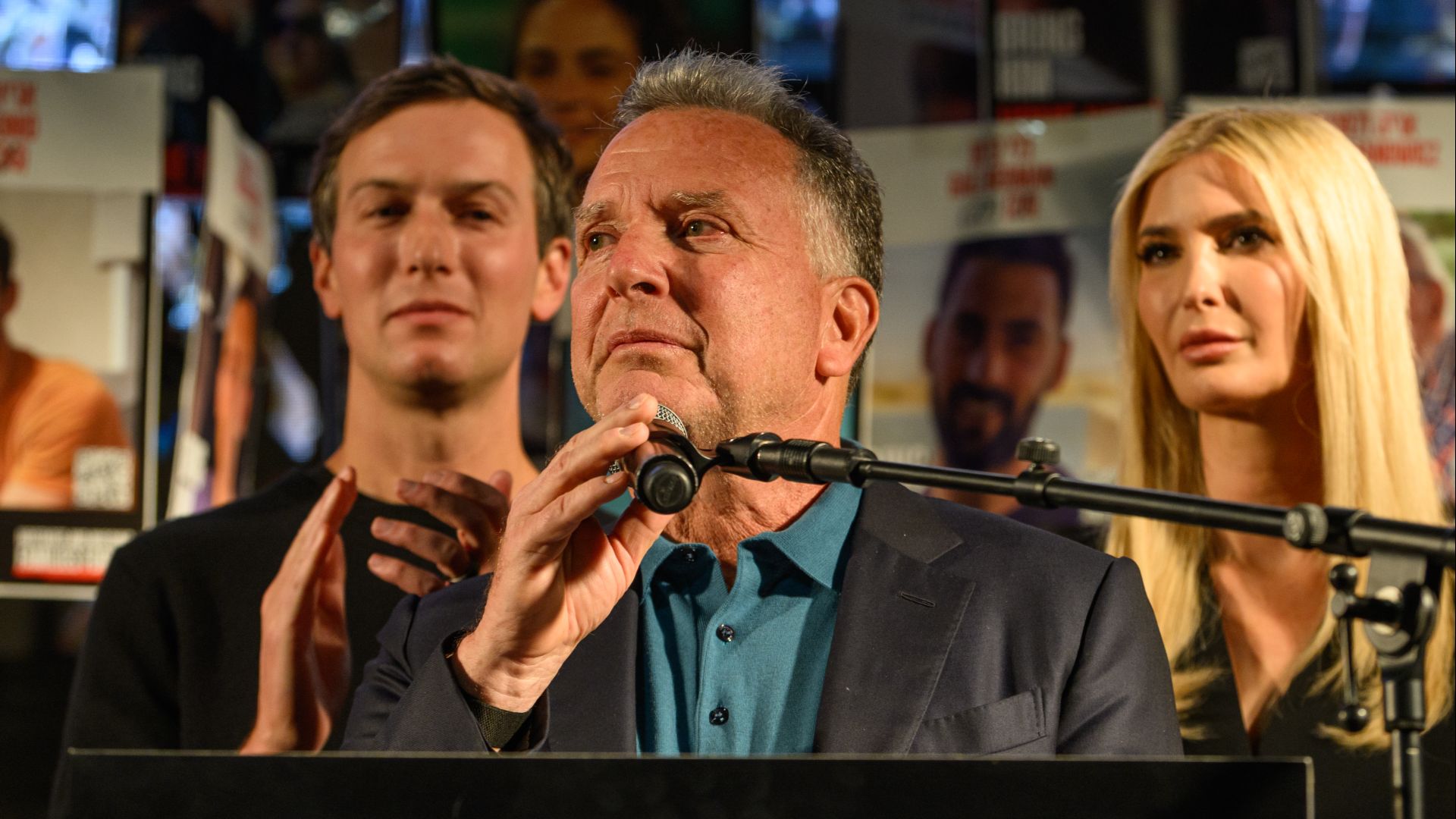
The investigation reveals that negotiators close to the Trump administration — including New York real estate developer Steve Witkoff, a longtime Trump ally who now serves as a special envoy in the Trump administration, and Jared Kushner, Trump's son-in-law and former senior White House adviser — held talks with Russian oligarchs currently under U.S. and European sanctions in a bid to build massive commercial agreements in energy, minerals, reconstruction and other sectors, with a potential value estimated at nearly $2 trillion.
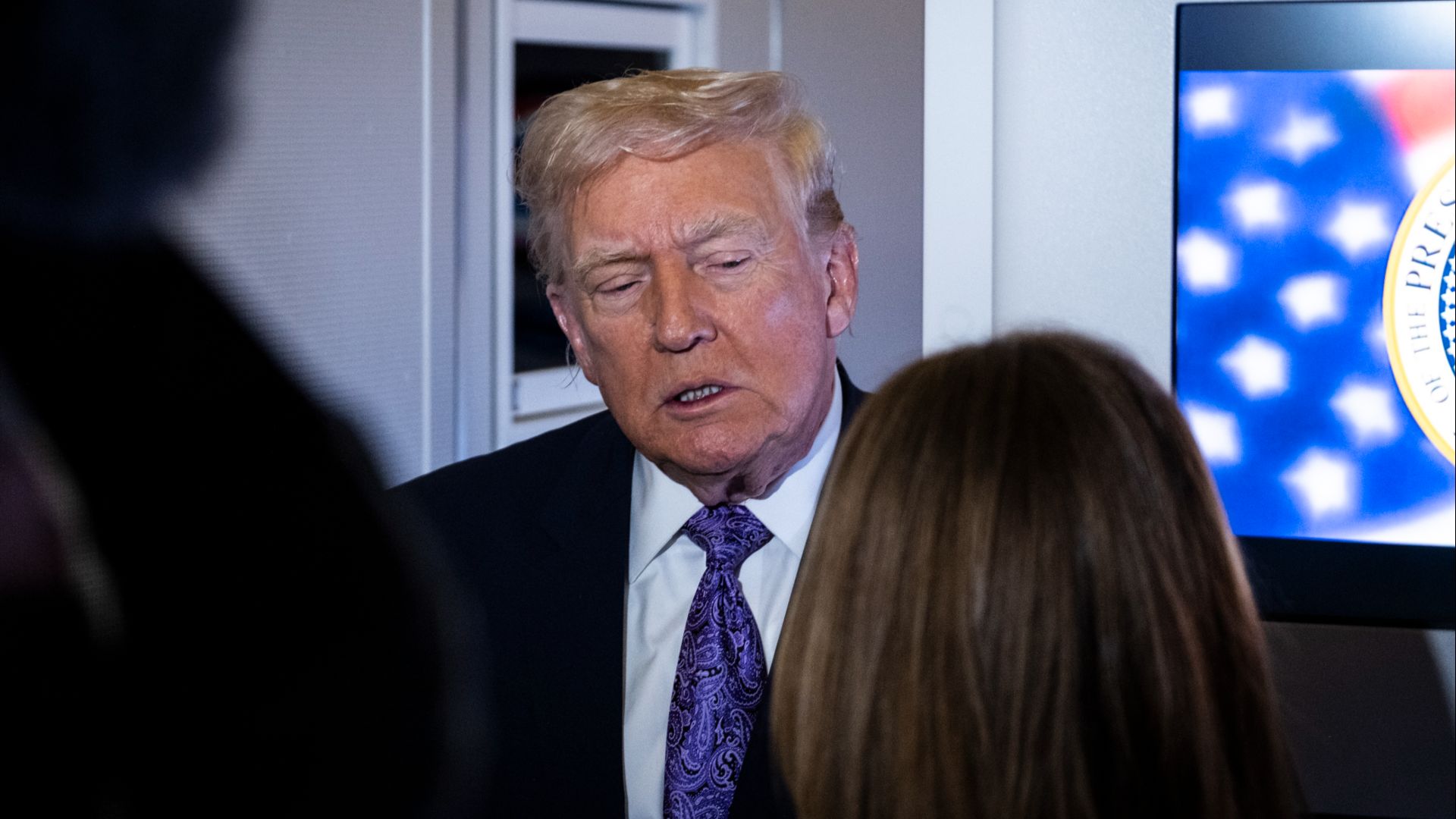
«This war could go on for years, and Russia's got a lot more people, got a lot more soldiers, you know. So I think, if Ukraine can make a deal, it's a good thing. I think it's great for both.»
The recently leaked 28-point U.S. peace plan for the Russia–Ukraine war would require Ukraine to cede parts of its eastern territory, limit its armed forces to about 600,000 troops, renounce NATO membership and accept Russia's return to forums such as the G8 — terms widely criticised as leaning heavily in Moscow's favor.
An economic opportunity
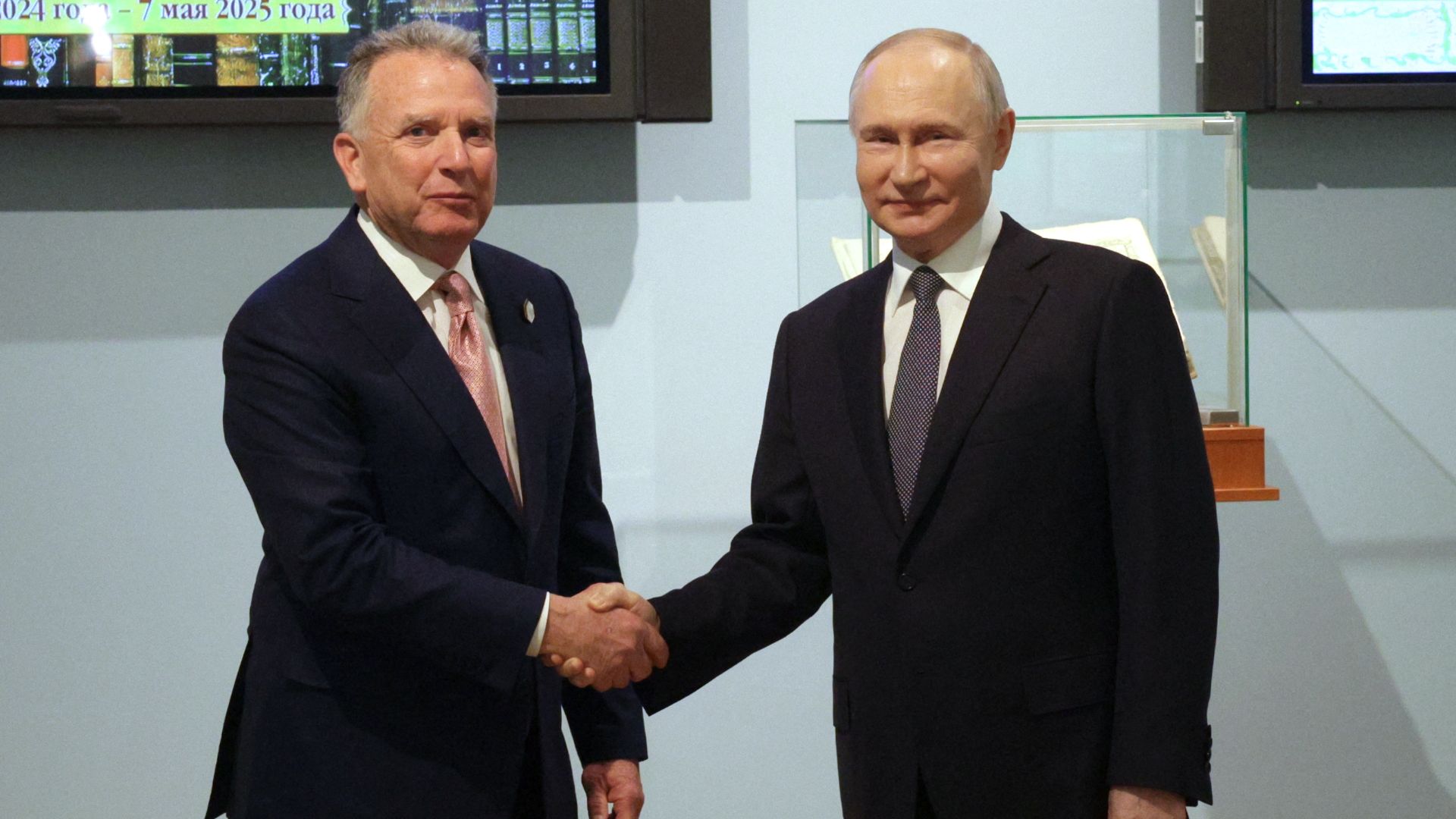
The project's promoters present the plan as a way to turn what they describe as a destructive war into an economic opportunity, arguing that if Russia and the United States become deep commercial partners, shared economic interests could help stabilize the region and deter future conflicts.
Ukraine's long-term security and sovereignty
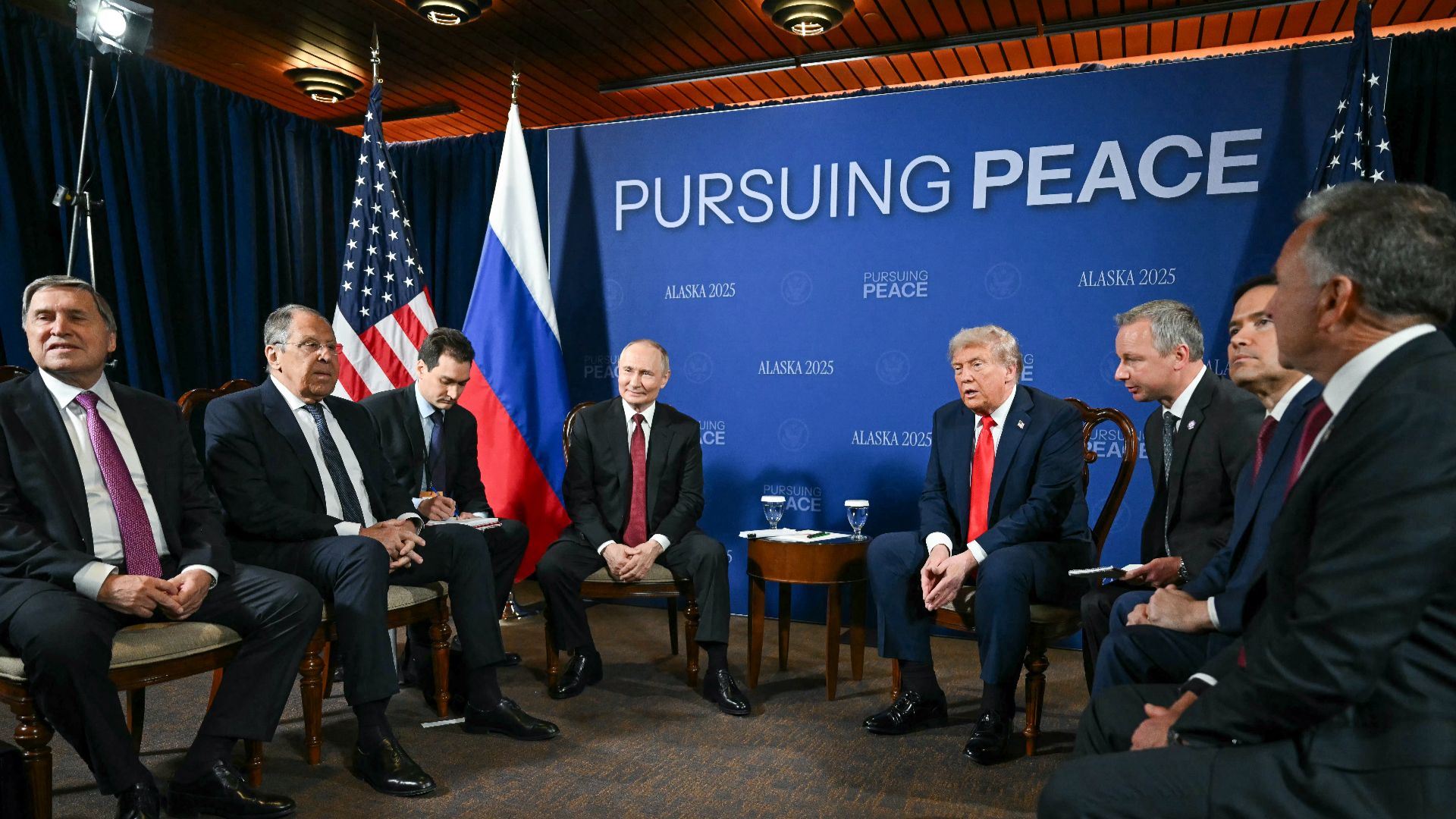
But this approach has triggered a fierce backlash: European officials, analysts and other observers warn that the plan risks tilting heavily in Moscow's favor by dangling lucrative business deals in exchange for concessions, while sidelining Ukraine's long-term security and sovereignty.
They see the central role given to U.S. billionaires as a form of «privatisation» of peacemaking, and argue that the economic logic behind the scheme helps explain, in their view, the Trump administration's recent push for Ukraine to accept painful territorial concessions to Russia.
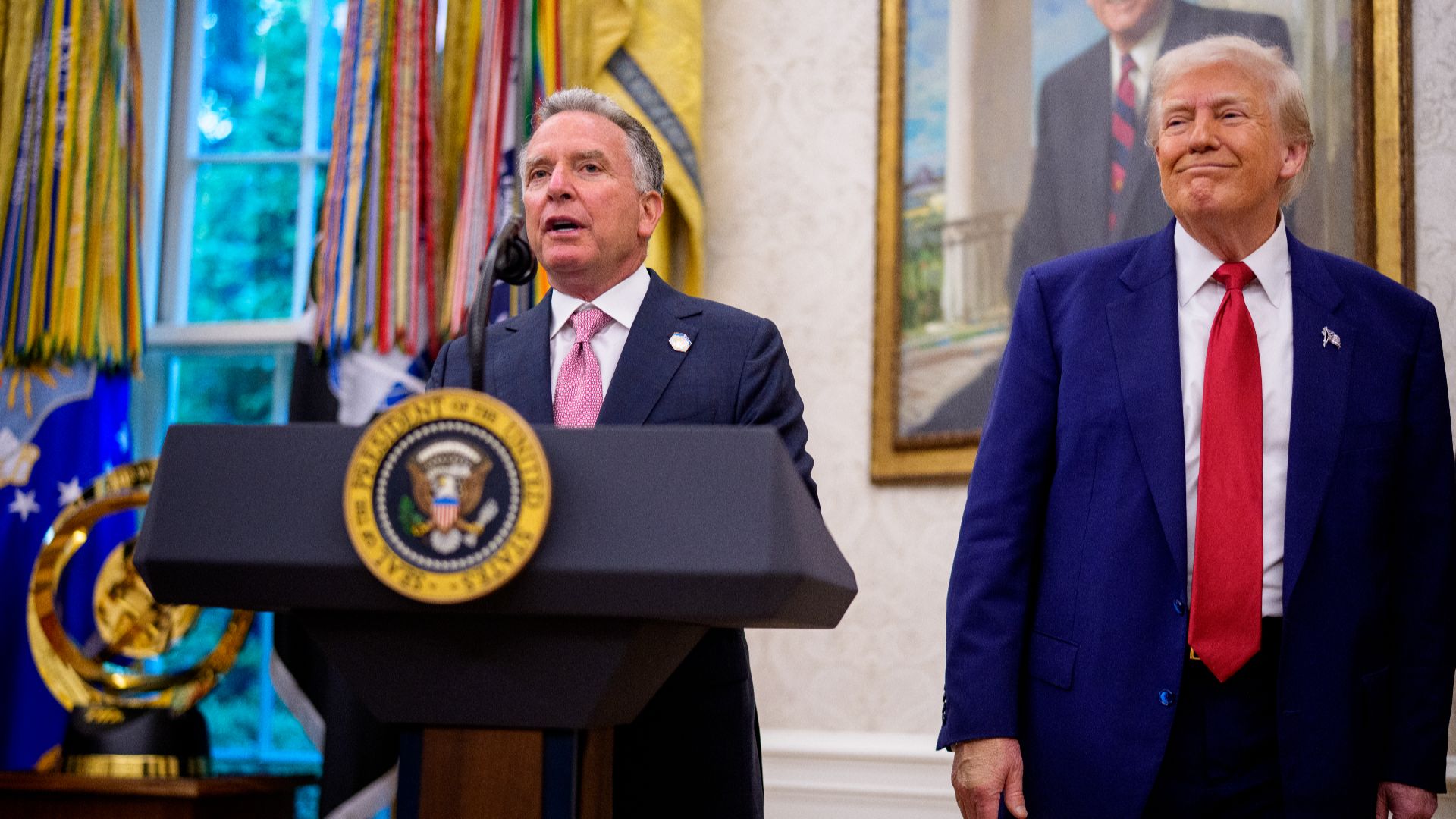
Aboard Air Force One, Trump recently defended his peace initiative by telling reporters: «This war could go on for years, and Russia's got a lot more people, got a lot more soldiers, you know. So I think, if Ukraine can make a deal, it's a good thing. I think it's great for both.»
The Kremlin pitched the White House on peace through business. To Europe's dismay, the president and his envoy are on board.
— The Wall Street Journal (@wsj.com) 2025-11-29T02:11:11.980181Z
