/https%3A%2F%2Fcdn-tor.buminteractif.com%2F2026%2F04%2F15151055%2Fvance-iran-getty-3453453.jpg)
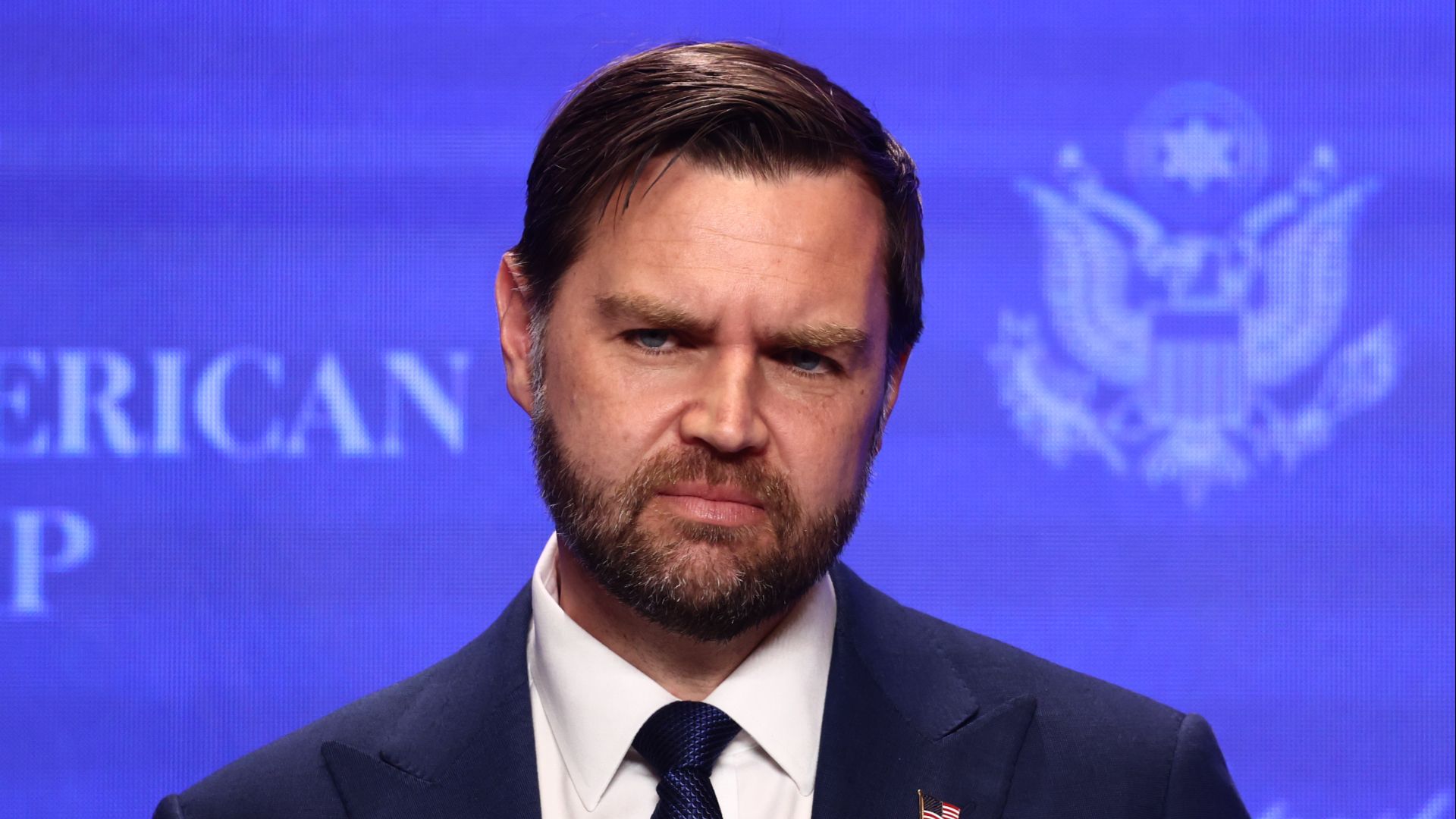
Comments made by Vice President JD Vance during a recent interview on Fox News with Bret Baier have quickly drawn attention, as they came at a particularly sensitive moment in the escalating conflict with Iran. Speaking after weeks of rising tensions and the effective closure of the Strait of Hormuz following U.S. and Israeli strikes on Iranian targets, Vance accused Tehran of engaging in «economic terrorism».
His remarks, however, triggered strong reactions due to their timing, as the United States had just announced its own plans to impose a blockade on Iranian shipping, raising questions about the parallel between Washington's actions and those it condemns.
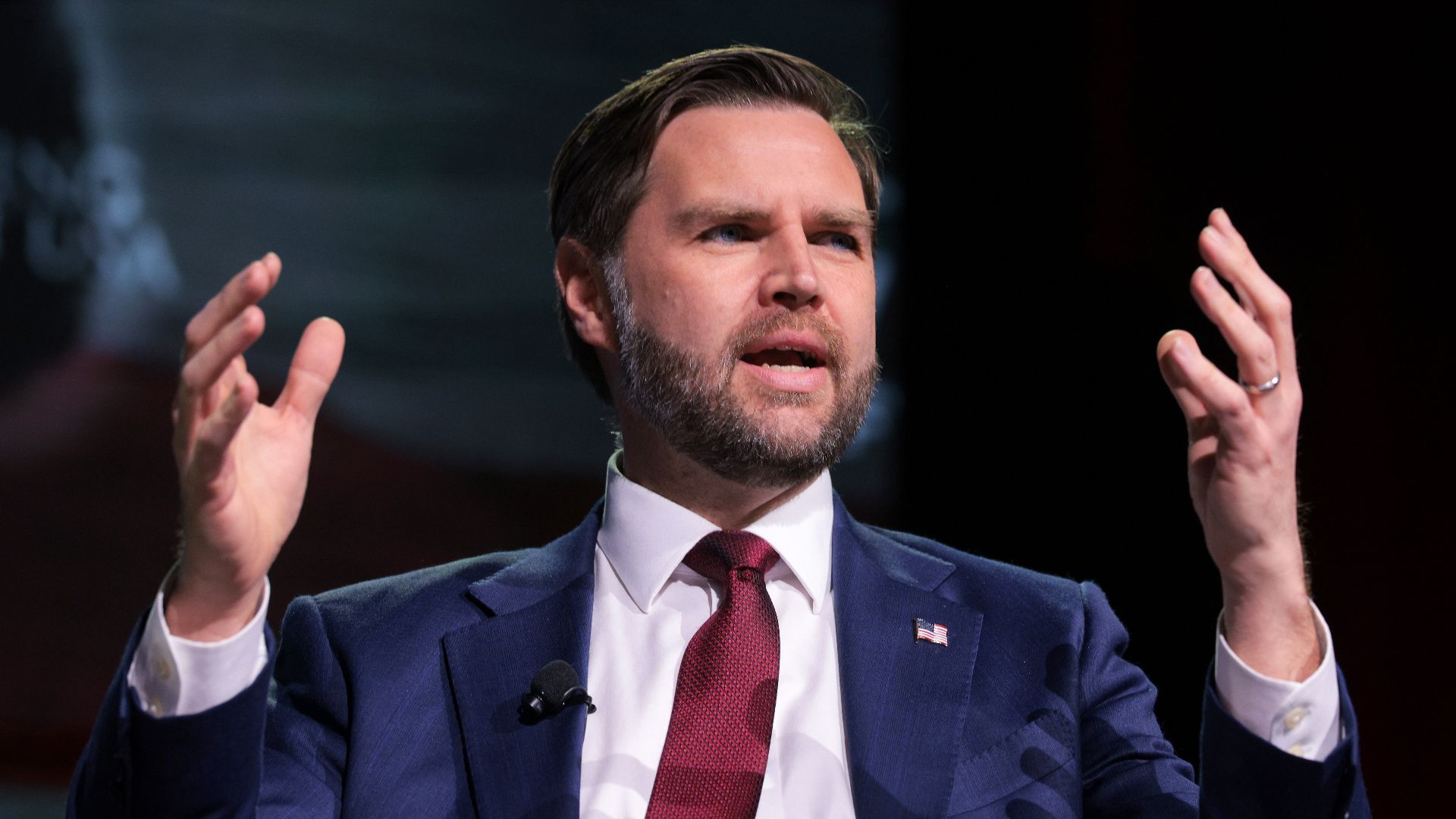
During the interview, Vance directly addressed Iran's strategy in the region, framing it as a deliberate attempt to weaponize global trade routes.
He stated: «As the president of the United States showed, two can play at that game.»
He continued by warning that the United States would respond in kind if Iran persisted, saying:
«And if the Iranians are going to try to engage in economic terrorism, we're going to abide by a simple principle that no Iranian ships are getting out either.» The remarks made clear that Washington is prepared to escalate maritime pressure, using similar tactics to counter Iranian actions in the Strait of Hormuz.
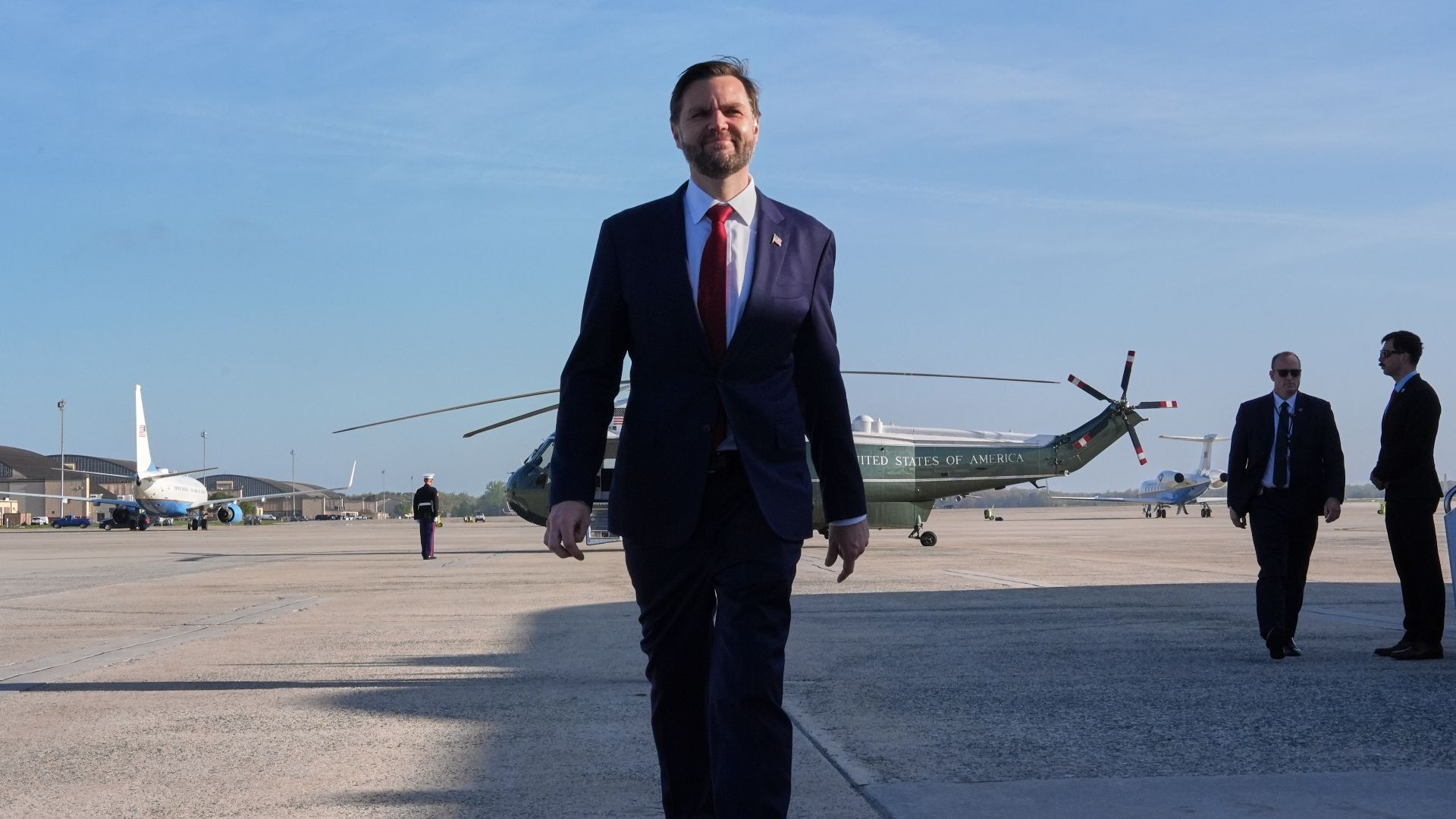
Vance further acknowledged the strategic importance of the move for Tehran, emphasizing the economic stakes involved. He added:
«We know that's a big deal to them.» The Strait of Hormuz is one of the world's most critical energy chokepoints, through which a significant portion of global oil supply passes. Any disruption to traffic in the region has immediate implications for international markets, energy prices and economic stability. By signaling that the United States is willing to restrict Iranian maritime access, Vance underscored the administration's readiness to apply economic pressure through control of key shipping lanes.
«As the president of the United States showed, two can play at that game.»
-U.S. Vice president, JD Vance
The comments have sparked debate among analysts and policymakers, particularly over the apparent contradiction between condemning Iran's actions while implementing similar measures. Critics argue that labeling Iran's strategy as «economic terrorism» while pursuing a blockade risks undermining the credibility of the U.S. position. Supporters of the administration, however, maintain that the response is justified as a deterrent measure designed to prevent further escalation and protect international trade routes. The exchange highlights the increasingly blurred line between defensive and offensive economic strategies in modern geopolitical conflicts.
«And if the Iranians are going to try to engage in economic terrorism, we're going to abide by a simple principle that no Iranian ships are getting out either.»
-U.S. Vice president, JD Vance
The escalation comes amid growing concerns about the broader economic impact of the conflict, with international institutions warning of potential global consequences if tensions continue. Reports have indicated that prolonged disruption in the Strait of Hormuz, combined with rising energy prices, could slow global growth and fuel inflation. Economists warn that sustained instability in the region could push the world closer to a recession, particularly if supply chains and financial markets continue to absorb repeated shocks linked to the conflict.
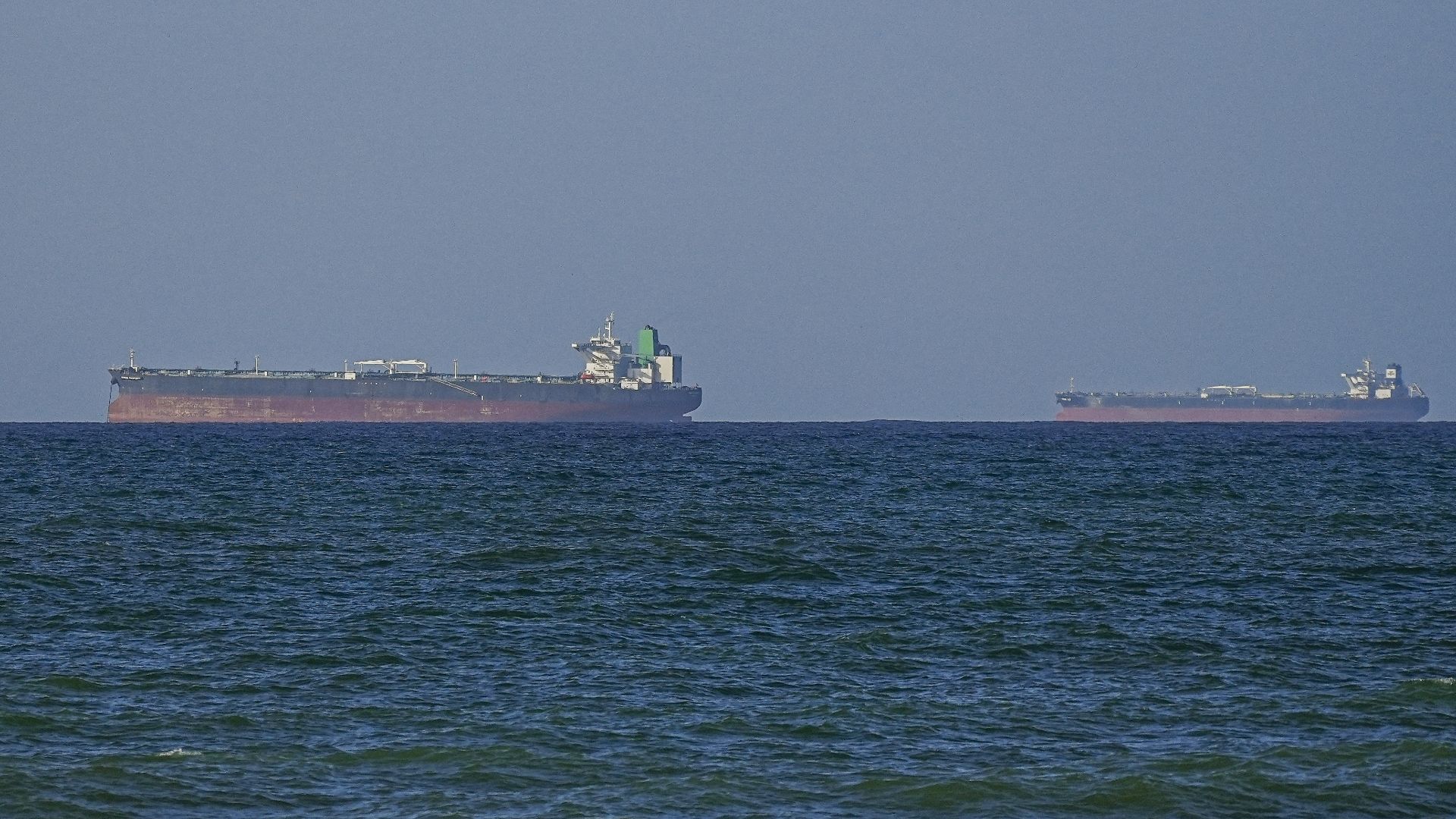
The situation intensified further after Donald Trump confirmed the U.S. blockade in a Truth Social post, writing: «The United States to Blockade Ships Entering or Exiting Iranian Ports on April 13 at 10:00 A.M. ET. Thank you for your attention to this matter! President DJT». The announcement formalized Washington's shift toward direct maritime pressure, reinforcing Vance's earlier comments. As tensions continue to rise and both sides adopt increasingly assertive positions, the risk of further escalation remains high, with global economic stability hanging in the balance.