

/https%3A%2F%2Fcdn-tor.buminteractif.com%2F2026%2F03%2F03230405%2FGettyImages-2263420473-1.jpg)
Here is a clear and accessible summary of recent events: following air strikes carried out by the United States and Israel on February 28, 2026, which resulted in the death of Iran's Supreme Leader Ali Khamenei, Iran retaliated by targeting US and allied military installations across the region. Iran's actions targeted a total of nine countries and 27 facilities, triggering an escalation with significant human and geopolitical consequences. Below, I explain what happened, where, and what it means for the future—in a factual and accessible manner.
Key takeaways:
- Iran launched a series of attacks on U.S. military bases and allied facilities in the Middle East in retaliation for the February 28 strikes.
- The operations affected Gulf countries, Jordan, Israel, and other strategic areas, causing material damage and civilian and military casualties.
- The strikes and counterstrikes overwhelmed hospitals in Tehran and caused major disruptions in several capitals and civilian infrastructure (airports, urban neighborhoods).
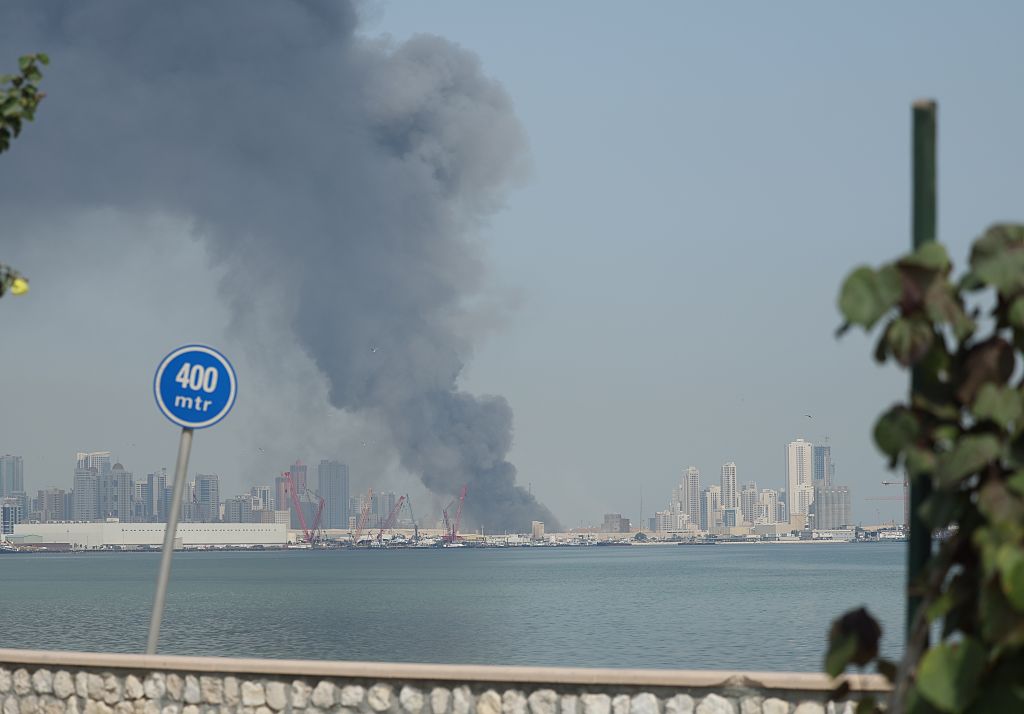
Iran's initial retaliation began less than an hour after the initial strikes. It primarily targeted ballistic missile launch complexes, drone bases, coastal batteries, and logistical infrastructure used by US and Israeli forces. Among the targets were the US base at Al Udeid in Qatar, the 5th Fleet base in Bahrain, and facilities in Kuwait, the United Arab Emirates, and Jordan.
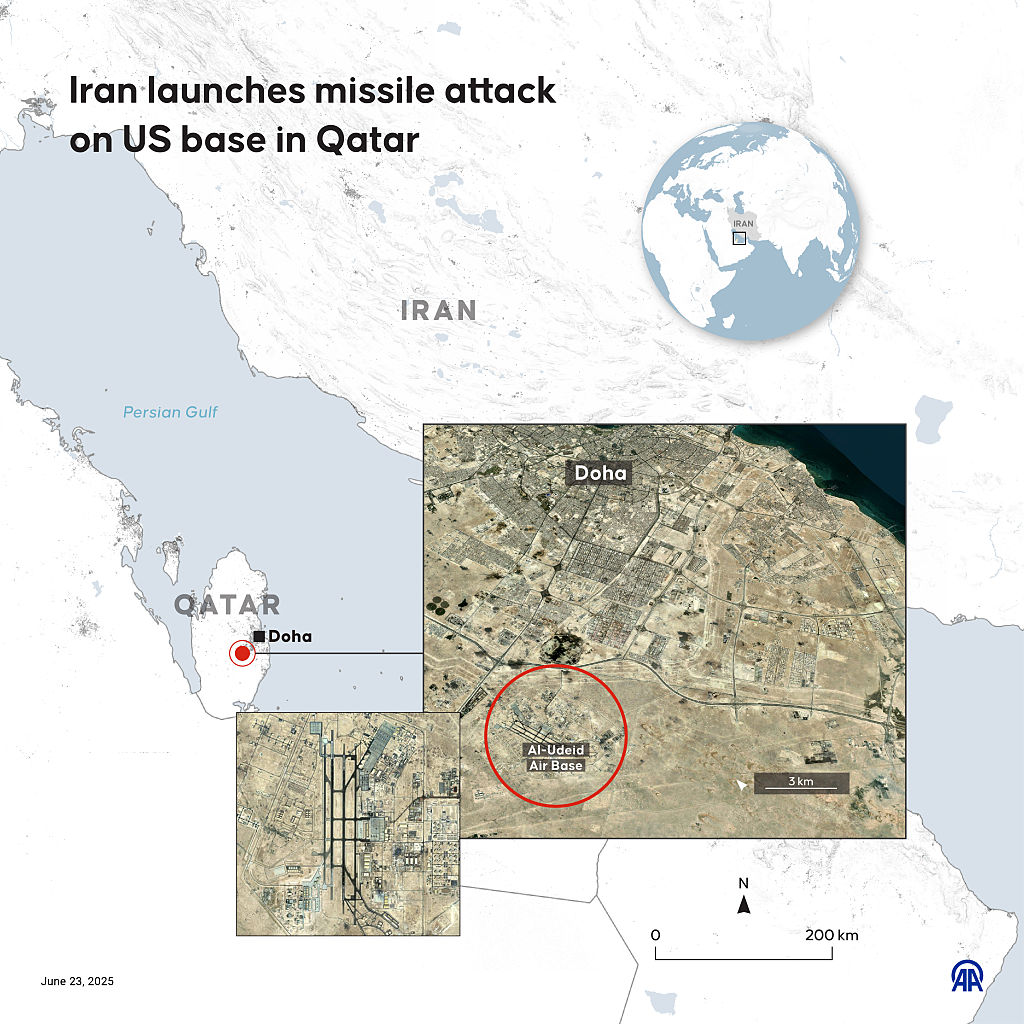
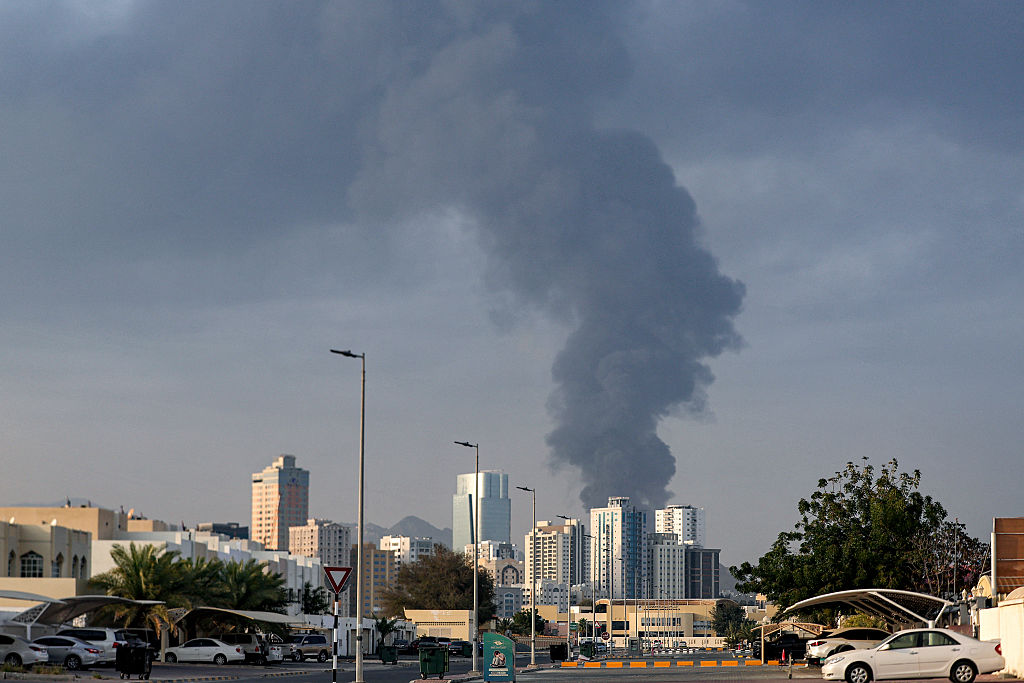
The hours and days that followed were marked by repeated attacks: in Al Udeid (Qatar), waves of missiles were reported and, according to some authorities, intercepted; in Bahrain, satellite images showed a fleet fleeing the naval base; in Kuwait and the Emirates, impacts and fires were observed, with some civilian buildings being hit by debris.
Jordan also suffered strikes: the Muwaffaq Salti air base was targeted and missile defenses were activated. In several cases, defense systems intercepted projectiles; in others, strikes caused significant damage on the ground, including damage to Kuwait International Airport and injuries among airport personnel.
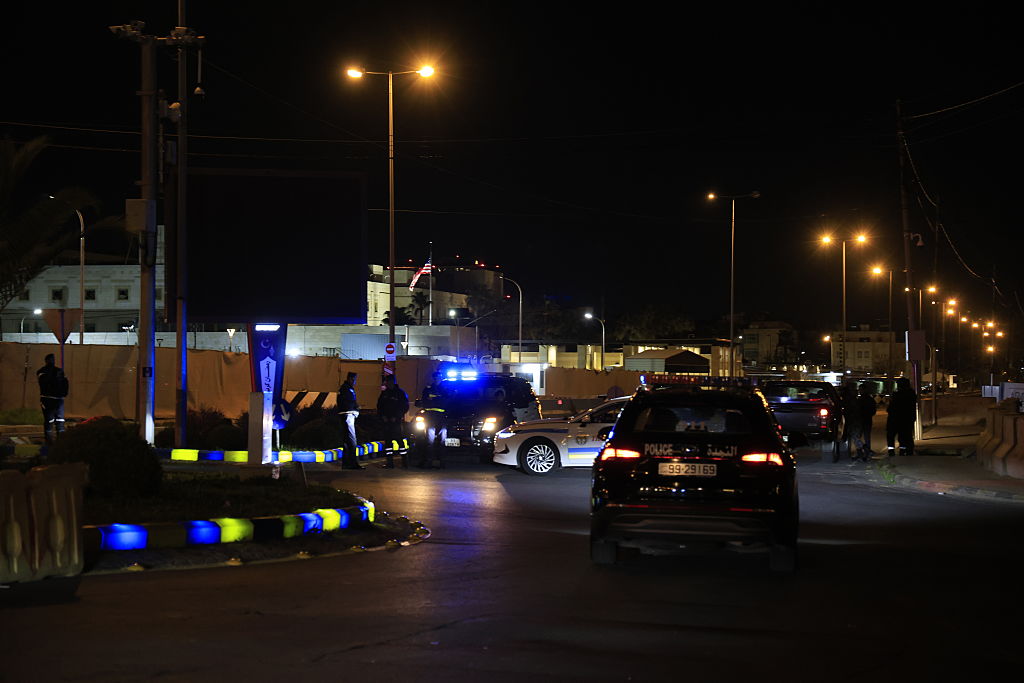
The strikes continued into the night and lasted for several days. Israel faced rocket fire, most of which was intercepted by the Iron Dome, but some of which struck sparsely populated areas. Alerts were issued in Gulf capitals, and in Doha and Dubai, debris or explosions caused injuries and property damage.
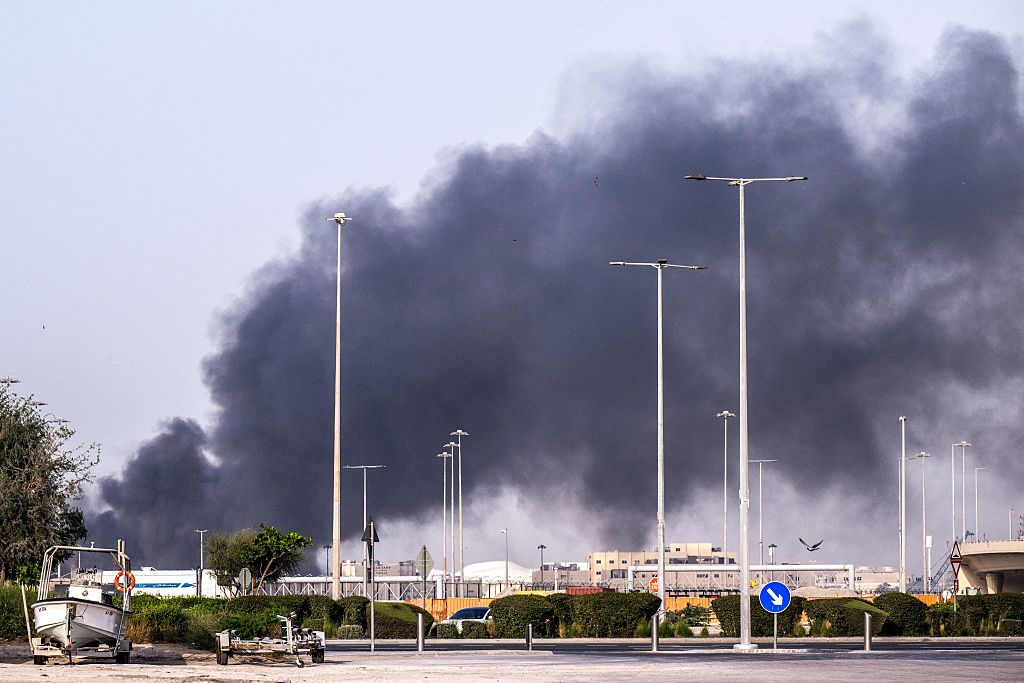
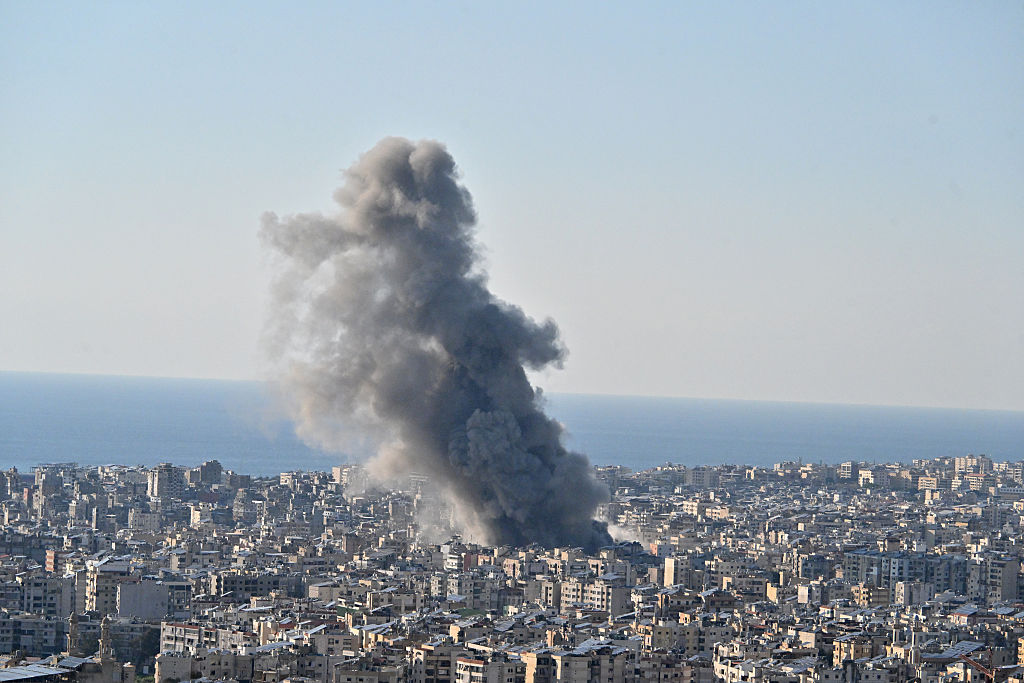
In terms of human casualties, reports in the days following the strikes indicated hundreds of victims in Iran, dozens in Lebanon, and losses among US forces and civilians in the region. Hospitals in Tehran were quickly overwhelmed, and reception centers for displaced persons were set up.
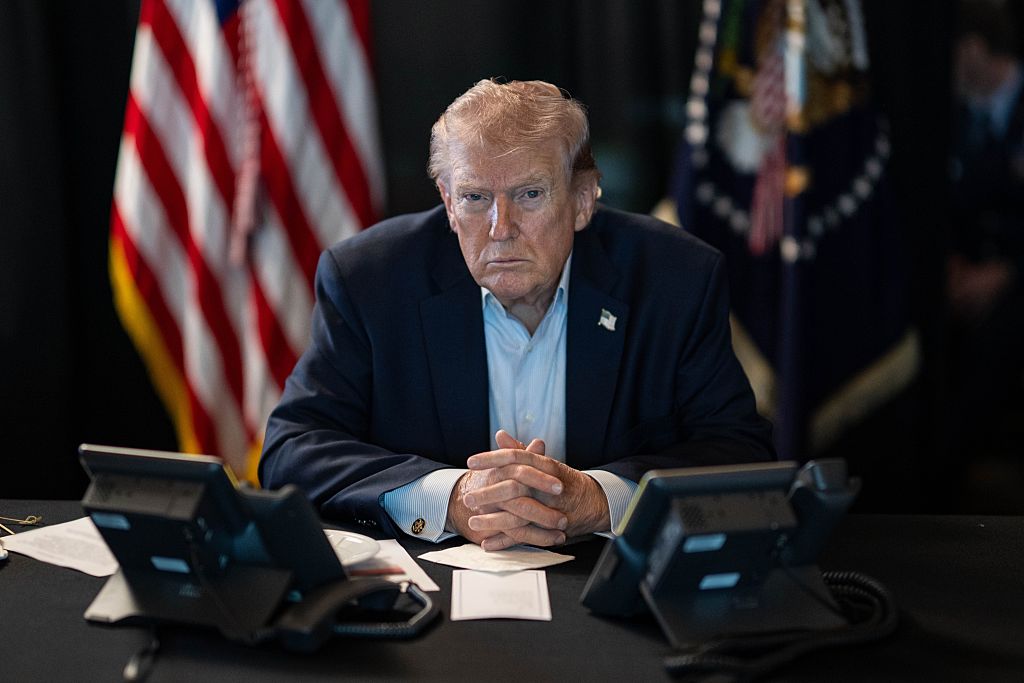
Finally, the political dimension is crucial: the White House, under the aforementioned administration, has stated that it intends to maintain pressure until specific political objectives are achieved (regime change, dismantling of the nuclear program). The lack of a timetable and the call to continue the strikes make the situation particularly uncertain and risk leading to a long period of instability.
What should we expect in the coming days?
- The region is in a phase of escalation; the risk of unforeseen incidents remains high.
- Air routes and certain ports may be disrupted: if you are traveling, consult the authorities and your operator.
- On the diplomatic front, international pressure to limit the escalation will grow, but the situation remains volatile.
I will remain attentive to developments and will update the information available. If you have any specific questions (security, humanitarian, geopolitical implications), please let me know and I will look into these points in more detail.
