Zelensky Warns of «Historic Mistake» as Trump Blames Him for War, Strikes Russia Deal and Putin Seeks Summit Without Ukraine


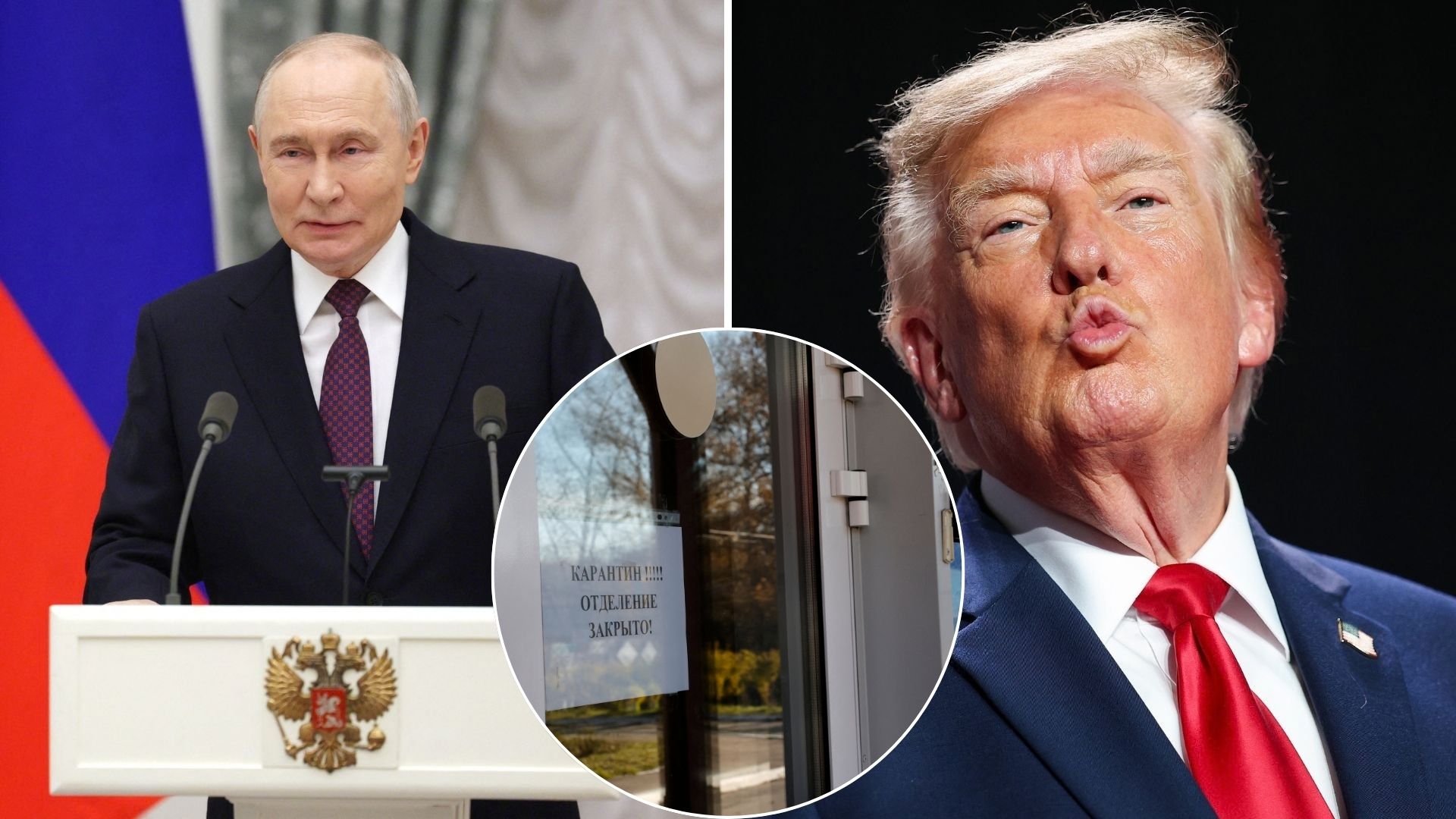
Ukrainian President Volodymyr Zelensky has warned that the United States would be making a «historic mistake» if it sided with Russia, as tensions with Donald Trump escalate over a controversial diesel agreement with Moscow, the suspension of new sanctions and accusations that Ukraine is deliberately prolonging the war. The diplomatic confrontation has intensified following revelations that Russian President Vladimir Putin proposed a three-way summit with Trump and Chinese President Xi Jinping to negotiate an end to the conflict without Zelensky at the table. According to reporting by The Wall Street Journal, the proposal emerged during an October 9 telephone conversation between Trump and Putin, which also produced an agreement involving Russian diesel supplies. Speaking on NBC's Meet the Press on Sunday, October 18, Zelensky warned of the consequences if Washington abandoned its longstanding support for Kyiv. «Without United States support it's very difficult. But if United States will support Putin, it's historic mistake and big tragedy», he said. The warning came as the Trump administration faced growing criticism over policies that opponents argue could strengthen Moscow's position while Russian military operations continue across Ukraine.
Rather than retreating from his controversial approach toward Moscow, Trump escalated his confrontation with Zelensky on Sunday, October 18, accusing the Ukrainian leader of deliberately sabotaging peace negotiations and damaging international energy markets through attacks on Russian oil facilities. In an extensive Truth Social message, Trump defended his decision to preserve economic relations with Russia while directing much of his criticism toward Ukraine. «Zelenskyy doesn't care, and frankly, with all of the money that Europe is famously giving him, and that Crooked Joe Biden gave him in the past, he doesn't want to end this war, and probably never did.» Trump also argued that Ukraine had missed earlier opportunities to negotiate a more favorable settlement, portraying the country's battlefield losses and human suffering as reasons to accept an agreement now. He wrote, «He could have made a better deal two years ago than he can now. His country is in shambles, a large portion of his land is lost, his oceans and seas are gone, and his male population is low, wounded, and/or dead. I WANT THIS WAR END!» The accusations mark a further deterioration in relations between the two leaders, with Trump increasingly portraying Kyiv's resistance as an obstacle to diplomacy rather than focusing exclusively on Russia's responsibility for launching the invasion.
«But if United States will support Putin, I mean, it's unbelievable. It's a historic mistake and big tragedy. That's why I think I don't want to live in illusions, but I think that we have to be pragmatic.»
-Ukrainian President, Volodymyr Zelensky
Trump's accusations have become particularly controversial because they coincide with significant economic concessions to Russia, including a recently announced agreement allowing the United States to purchase Russian diesel and facilitating additional Russian fuel sales on international markets. The arrangement, which followed Trump's October 9 conversation with Putin, comes amid surging energy prices and concerns about global fuel supplies. On October 16, Trump also signed an executive order delaying the implementation of major sanctions against Moscow that Congress had approved, triggering objections from lawmakers in both parties who argue that weakening economic pressure could help finance Russia's continuing military campaign. Trump defended the decisions as necessary to preserve diplomatic negotiations, writing on Truth Social, «My decision on Russia is a very simple one. I am in the process of negotiating Peace in the war between Russia and Ukraine, and don't want to do anything that will drive, foolishly, Russia away from the bargaining table.» The President also invoked the broader Middle East conflict, arguing that avoiding additional confrontation with Moscow could discourage Russia from providing greater assistance to Iran. Critics, however, question whether offering economic relief before securing meaningful concessions gives Putin an incentive to continue the war rather than end it.
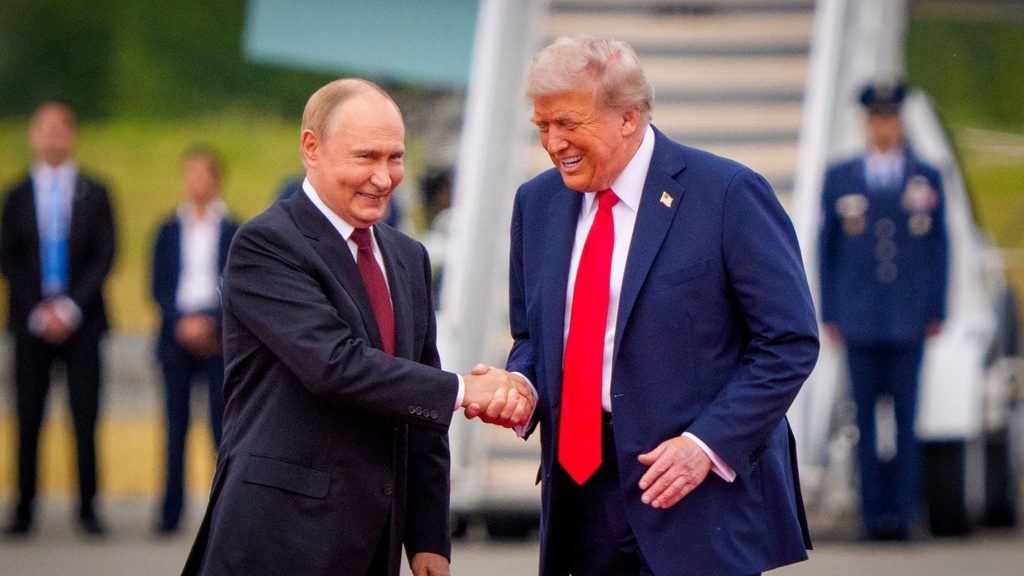
Putin's latest diplomatic proposal could further complicate Ukraine's position, with the Russian leader reportedly seeking a summit involving Trump and Chinese President Xi Jinping to negotiate a settlement to the four-year conflict without Ukrainian representation. According to The Wall Street Journal, which first reported the discussions on October 18, Putin raised the possibility during his October 9 telephone conversation with Trump, suggesting that the three leaders could meet on the sidelines of the Asia-Pacific Economic Cooperation summit scheduled for November 18 and 19 in Shenzhen, China. The proposed gathering would give Moscow an opportunity to discuss the future of Ukrainian territory and potential terms for ending the war directly with Washington and Beijing, bypassing Kyiv in the initial negotiations. However, the White House has not agreed to participate, and the Kremlin has acknowledged that the discussions remain preliminary. Kremlin spokesman Dmitry Peskov told the Journal, «There is no clear understanding yet regarding the meeting itself or its potential agenda, although all three parties acknowledge the hypothetical possibility of such a meeting taking place.» A senior American official also indicated that Trump had not accepted the proposal, although he might be receptive to the idea. For Ukraine, the prospect raises concerns that decisions affecting its sovereignty could be shaped by foreign powers without its government's participation.
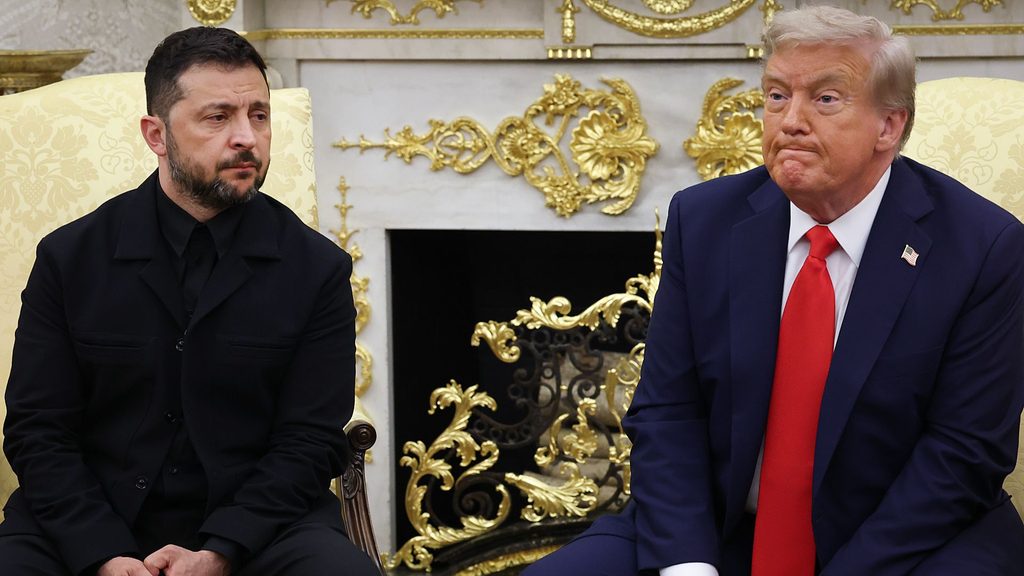
Zelensky has responded to Washington's changing approach with increasingly direct warnings, arguing that weakening pressure on Moscow while restricting Ukraine's access to critical military capabilities risks rewarding the country responsible for launching the invasion. During his October 18 appearance on NBC's Meet the Press, the Ukrainian leader expressed concern that Trump might ultimately align American policy with Putin's interests, even as Russian forces continue attacking Ukrainian cities and infrastructure. «Of course we trust America. We trust bipartisan support, and we trust the president of the United States. We want to trust him, and I hope that he will change his decisions», Zelensky said, before delivering his warning: «But if United States will support Putin, I mean, it's unbelievable. It's a historic mistake and big tragedy. That's why I think I don't want to live in illusions, but I think that we have to be pragmatic.» He also raised questions about disruptions to Starshield, the military satellite communications service used by Ukrainian forces, suggesting that American authorities might be responsible for restrictions affecting battlefield operations. The Trump administration has denied deliberately interfering with those services, while Zelensky acknowledged that American intelligence sharing had resumed following an earlier interruption. His concerns extend beyond communications technology to the broader consequences of an American policy shift. «If the United States will take officially, will take the side of Russia, of course, if these two countries will be together, of course, we will not prevail, and we will not be able to stand», he warned.
«He could have made a better deal two years ago than he can now. His country is in shambles, a large portion of his land is lost, his oceans and seas are gone, and his male population is low, wounded, and/or dead. I WANT THIS WAR END!»
-U.S. President, Donald Trump
The deepening diplomatic confrontation comes as Russia continues its military campaign despite Trump's assurances that his approach could bring both countries closer to peace. On October 19, Russian missile and drone attacks struck Ukrainian energy infrastructure, damaging substations and other critical facilities while leaving more than half a million people without essential services. Zelensky criticized Ukraine's international partners for failing to provide advance warnings of the latest strikes, highlighting the country's continuing dependence on Western intelligence and air defense systems. Meanwhile, Trump's decision to ease economic restrictions on Moscow has generated criticism within his own Republican Party, with Senator Thom Tillis questioning whether the Russian diesel arrangement complies with American law and warning that the consequences could be deadly. European leaders have also reaffirmed their support for Ukraine as concerns grow that additional Russian energy revenues could strengthen Moscow's capacity to sustain its military operations. The administration maintains that its concessions are intended to encourage negotiations, but Putin has yet to demonstrate a willingness to accept a settlement that preserves Ukraine's territorial claims. With a potential Trump-Putin-Xi summit now under discussion, the dispute has moved beyond disagreements over sanctions and fuel prices to a fundamental question about who will determine the conditions for ending Europe's deadliest conflict in decades. For Zelensky, the central concern remains whether the United States will continue supporting Ukraine's position at the negotiating table or allow Moscow to shape the terms of a possible settlement without Kyiv's consent.
Created by humans, assisted by AI.
 Ukrainian strikes on Russian data centers spark claims of declining MAGA, AfD and Alberta separatist bot activity
 Russia denies second infection in plague-lab mystery as Trump says “Russia's not saying much”
