

/https%3A%2F%2Fcdn-tor.buminteractif.com%2F2026%2F05%2F26173711%2Ftrump-us-tourism-getty-435345dfgd.jpg)
Donald Trump's second-term era has sparked what many analysts now describe as the worst U.S. tourism crisis in two decades outside of the COVID-19 pandemic, with international tourism sharply collapsing according to recent industry estimates and a CNN report. The United States reportedly saw a 5.5% drop in foreign visitors between 2024 and 2025, falling from roughly 72.3 million international travelers to just 68.3 million. Tourism operators and hospitality businesses across several major American destinations say the situation has continued worsening throughout 2026 as fewer international visitors choose the United States for vacations, business travel and conventions. Industry experts point to a combination of political tensions, trade disputes, rising travel costs, visa fears and growing international hostility toward the Trump administration as major factors driving the decline.
The growing tourism slump has triggered intense debate across social media platforms including X, Facebook, Instagram and Threads, where international travelers openly discussed why they no longer wanted to visit the United States. «You couldn't pay me to go to the USA at the moment… The world is boycotting the USA! This is leading to a large decline in tourism!» one social media user wrote online. Another added: «So many great places to visit outside the divided states of America! Enjoy!!!» Others argued the issue extended beyond politics alone. «It isn't just political boycotts, they are also staying away because of fear of passport and Visa problems, and because global gas prices and inflation have made travel and lodging much more expensive,» another user wrote as debates surrounding American tourism continued spreading online. Many travelers also cited growing concerns over airport screenings, immigration enforcement and unpredictable border experiences under Trump's second administration.
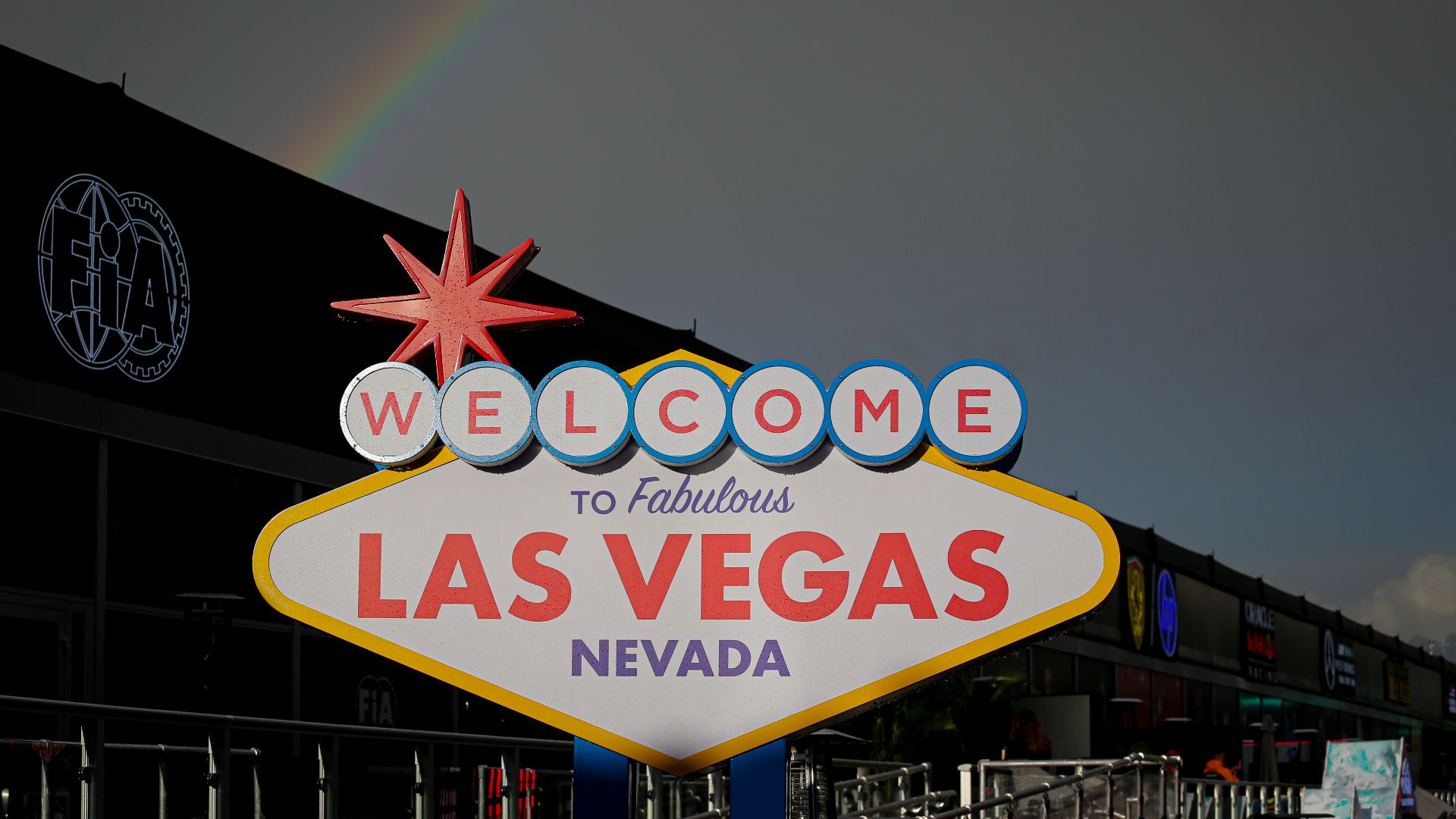
«I had Vegas on my bucket list. Doesn't seem worth it now.»
-A social media user
Canadian travelers have become one of the clearest examples of the backlash affecting American tourism. Canadians historically represent the largest group of foreign visitors entering the United States each year, especially in major tourism markets like Florida, Las Vegas, New York and Arizona. But following renewed trade tensions, nationalist rhetoric and repeated comments from Trump involving Canada, many Canadians openly began promoting travel boycotts against the United States after Trump returned to office. «We've had a national movement to stop travelling to USA & stop buying USA since Don threatened to invade us,» one Canadian social media user wrote while discussing the tourism decline online. Others explained they had canceled planned trips entirely. «I had Vegas on my bucket list. Doesn't seem worth it now,» another traveler wrote as discussions surrounding alternative vacation destinations continued intensifying online.
Business owners in major tourism hubs across the United States have increasingly warned that the slowdown is becoming impossible to ignore. Hotel operators, restaurant owners and tourism workers in Florida, Nevada and California have all reported declining international foot traffic compared to previous years, particularly from Canadian and European travelers. Several business groups have also warned that the strong U.S. dollar, global inflation and rising airfare prices are adding additional pressure on international tourism. However, many tourism experts argue politics are now playing a much larger role than before in shaping travel decisions. Travelers from Europe and other regions have increasingly pointed to political polarization, immigration crackdowns and fears surrounding invasive security procedures as major reasons for avoiding the United States despite the country remaining one of the world's largest tourism economies.
Tourism analysts have also warned that the decline could create wider economic consequences across multiple industries if international visitor numbers continue falling. Foreign tourism contributes hundreds of billions of dollars annually to the American economy through hotels, restaurants, entertainment venues, retail spending and transportation services. States heavily dependent on tourism revenue are already beginning to feel pressure as businesses attempt to adapt to weaker international demand. Several convention organizers have also reportedly shifted events toward destinations in Europe, Canada and Asia where organizers believe travelers face fewer political tensions and visa uncertainties. Industry experts additionally warn that rebuilding America's image abroad could become increasingly difficult if international travelers continue associating the country with political instability, aggressive border rhetoric and unpredictable immigration enforcement under Trump's administration.
«You couldn't pay me to go to the USA at the moment… The world is boycotting the USA! This is leading to a large decline in tourism!»
-A social media user
Despite the worsening numbers, Trump allies have largely dismissed claims that politics are driving tourists away, arguing global economic conditions are affecting travel patterns everywhere. Supporters of the administration also argue that domestic tourism inside the United States remains strong even as international travel weakens. Still, the sharp decline in foreign visitors has become increasingly difficult to ignore as travel industry data continues showing one of the steepest non-pandemic tourism drops in modern American history. For critics of Trump's second administration, the tourism collapse has become another visible sign of America's deteriorating global image under renewed nationalist politics. Meanwhile, for many international travelers debating where to spend their money, the United States no longer appears as attractive or welcoming as it once did before Trump's return to power.
Created by humans, assisted by AI.
