Trump and U.S. Ambassador Mock Canada’s Technical Recession With New «51st State» Taunts as Carney Shrugs It Off


/https%3A%2F%2Fcdn-tor.buminteractif.com%2F2026%2F06%2F03170135%2Ftrump-canada-getty-345gfhgh34.jpg)
Donald Trump did not miss the opportunity to revive one of his favorite talking points about Canada after the country officially entered a technical recession. Shortly after economic data confirmed that Canada's economy had contracted for a second consecutive quarter, Trump shared a Bloomberg article about the development on Truth Social and added a brief but provocative message: «51st State!» The post quickly attracted attention across both sides of the border and gained even greater visibility when U.S. Ambassador to Canada Pete Hoekstra reposted it on X. The ambassador's decision to amplify the message sparked an immediate backlash from Canadian politicians, labor leaders and social media users, many of whom viewed the post as an inappropriate attack on Canadian sovereignty during a period of economic uncertainty and delicate trade negotiations between the two countries.
Canada officially entered a technical recession after Statistics Canada reported two consecutive quarters of declining real gross domestic product between October 2025 and March 2026. Economists have pointed to several factors behind the downturn, including ongoing trade tensions with the United States, weaker exports, lower business investment and government efforts to slow spending growth. According to the latest data, exports declined by 4.1 percent while business investment fell by 3.6 percent during the period. Prime Minister Mark Carney acknowledged the uneven economic performance but argued that recent government decisions were intended to strengthen Canada's long-term resilience. Speaking to reporters, Carney said: «This government's been in the process of laying the foundations for a stronger, more resilient, more independent Canadian economy. That process is settling in. As we do all that, the data is going to be uneven. We see some weakness, in part because of clear decisions by the government.» The prime minister maintained that temporary economic softness should be viewed within the context of broader structural reforms.
«I can't believe I have to say this again, but Canada will never be the 51st state. Canada is not for sale.»
-Ontario Premier, Doug Ford
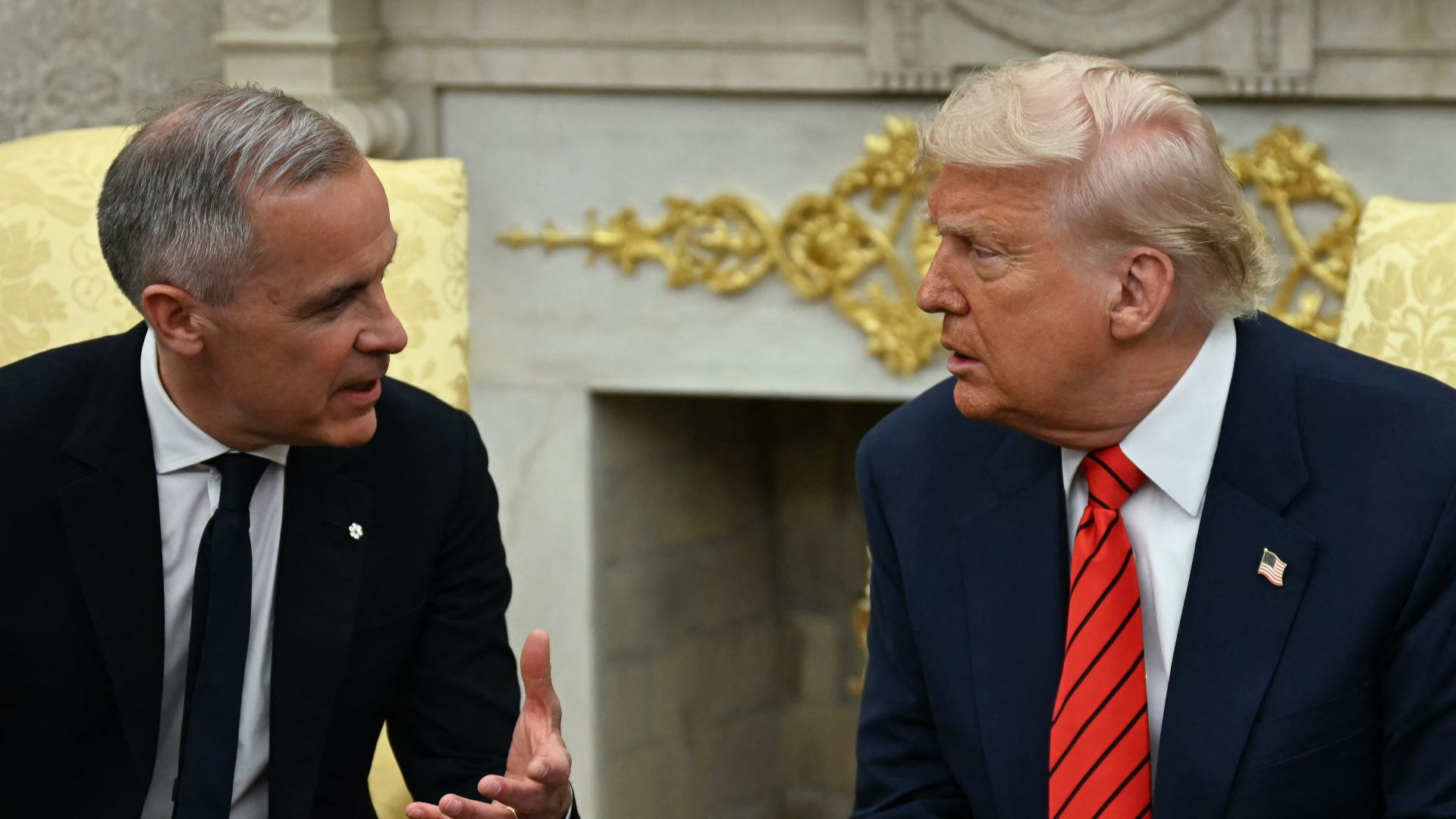
Trump's latest «51st State!» post represented another chapter in a recurring theme that has repeatedly strained relations between Washington and Ottawa. Since returning to the White House, Trump has periodically suggested that Canada would benefit from becoming part of the United States, remarks that Canadian leaders have consistently rejected. The timing of the latest post was particularly sensitive given that discussions surrounding the Canada-United States-Mexico Agreement are expected to intensify ahead of important trade deadlines. When asked about Trump's latest comments and Hoekstra's repost, Carney declined to escalate the dispute. Instead, he emphasized that the Canadian government would remain focused on substantive policy issues rather than reacting to every social media post. Carney described Trump as «exceptionally active» on Truth Social before adding: «We're not going to respond or react to everything.»

The controversy intensified after Hoekstra shared Trump's message with his own followers. Critics argued that an ambassador is expected to strengthen diplomatic relations rather than amplify comments questioning the sovereignty of the country to which he is accredited. Among the strongest reactions came from Alberta Federation of Labour President Gil McGowan, who wrote: «The American Ambassador to Canada is reposting a message from the President of the United States in which he says Canada should become the 51st state. At what point do we actually do something about this constant trolling. Expel the ambassador?» The remarks quickly circulated online and reflected growing frustration among Canadians who believe the repeated references to annexation have moved beyond political humor and into territory that undermines normal diplomatic conventions.
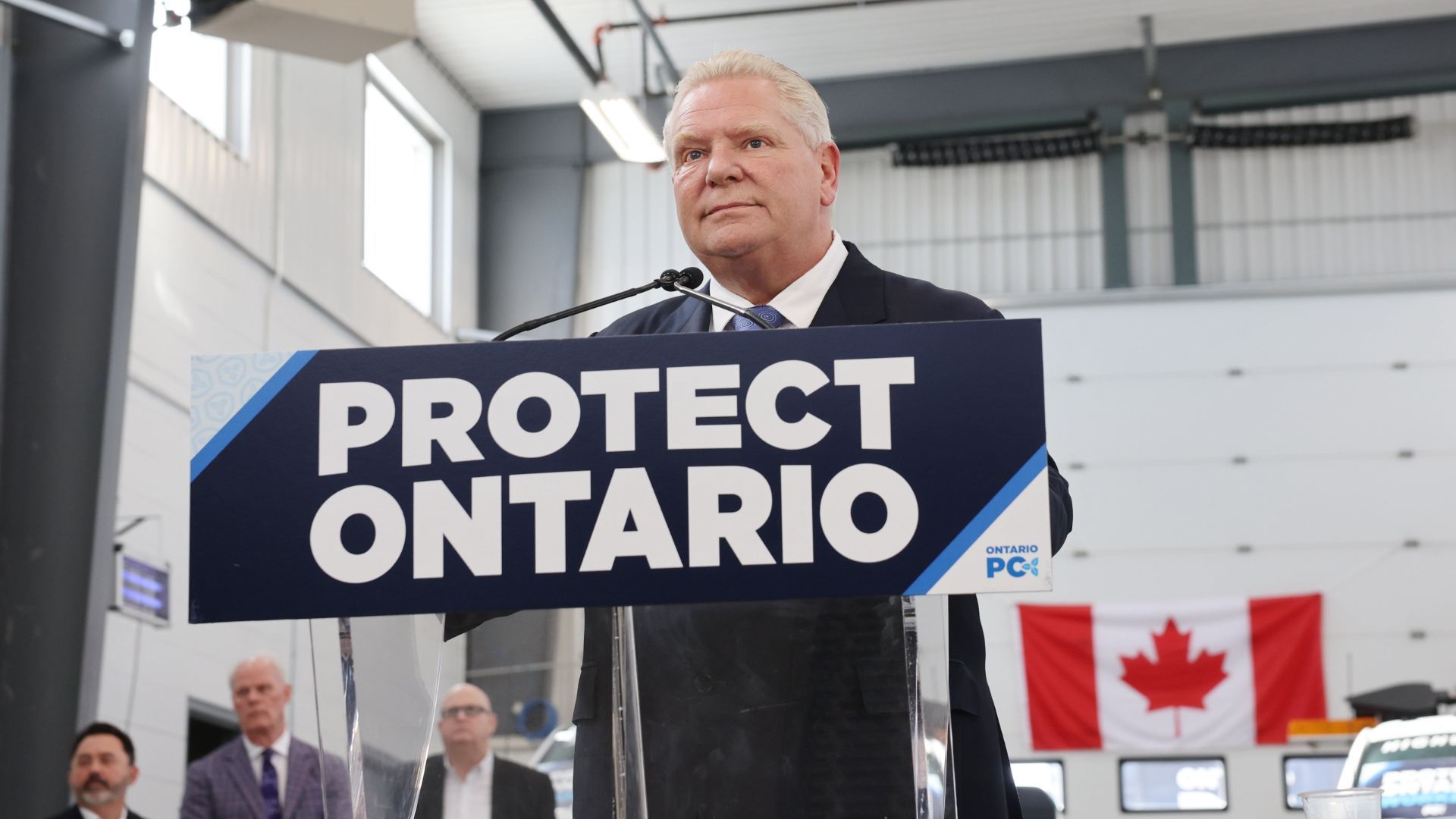
Municipal and provincial leaders also joined the criticism. Montreal City Councillor Craig Sauvé condemned the ambassador's actions in particularly blunt terms, writing: «The US Ambassador to Canada, ladies and gentlemen. This is barbarism, not mature democracy.» Ontario Premier Doug Ford likewise responded forcefully, reiterating a message he has delivered several times since Trump first floated the idea of Canada becoming part of the United States. Ford declared: «I can't believe I have to say this again, but Canada will never be the 51st state. Canada is not for sale.» The comments underscored the extent to which Trump's recurring rhetoric has become a politically unifying issue in Canada, bringing together politicians from different ideological backgrounds around the defense of national sovereignty and independence.
«We're not going to respond or react to everything.»
-Prime Minister of Canada, Mark Carney
Beyond elected officials, ordinary Canadians also expressed anger online, particularly toward Hoekstra's decision to amplify the president's message. Many users accused the ambassador of encouraging divisive rhetoric at a time when the two countries are preparing for important trade discussions. Some described the repost as an attempt to spread «pervasive and dangerous» narratives designed to «divide our nation hoping we implode so they can get what they want…… our sovereign nation.» Others responded more directly, telling supporters of annexation to «Go south, if you like fascism that much.» While the controversy is unlikely to derail broader Canada-U.S. relations on its own, it has once again highlighted how Trump's social media activity can rapidly become a diplomatic issue, particularly when senior American officials choose to amplify his comments during sensitive economic and political moments.
Created by humans, assisted by AI.
