Paramount-Skydance Claims Netflix Is Trying to Sabotage Its $110 Billion Warner Bros. Discovery Acquisition


/https%3A%2F%2Fcdn-tor.buminteractif.com%2F2026%2F06%2F09181420%2Fnetflix-out-paramount-warner-getty-3456345342155443.jpg)
After Paramount won the battle against Netflix for the acquisition of Warner Bros. Discovery, it appears the fight between the two media giants is far from over. Paramount is now accusing Netflix of waging what it describes as a «scorched-earth campaign» against its proposed $110 billion purchase of Warner Bros. Discovery. The allegations were formally presented in a letter sent to the U.S. Department of Justice and signed by Makan Delrahim, Paramount Skydance's chief legal officer. The filing marks a dramatic escalation in a rivalry that has already transformed the Hollywood landscape and intensified scrutiny of one of the largest media mergers ever proposed.
According to Paramount's letter, Netflix has launched what the company calls a coordinated effort to influence regulators and other key stakeholders reviewing the transaction. Paramount alleges that Netflix has engaged in a «panic-level response» aimed at convincing antitrust officials within the Trump administration's Department of Justice that the merger should be blocked. The company argues that Netflix is attempting to create unnecessary concerns about competition and market concentration despite the streaming giant having already abandoned its own effort to acquire Warner Bros. Discovery. The accusations portray Netflix as a competitor unwilling to accept defeat after losing one of the most important bidding wars in entertainment industry history.
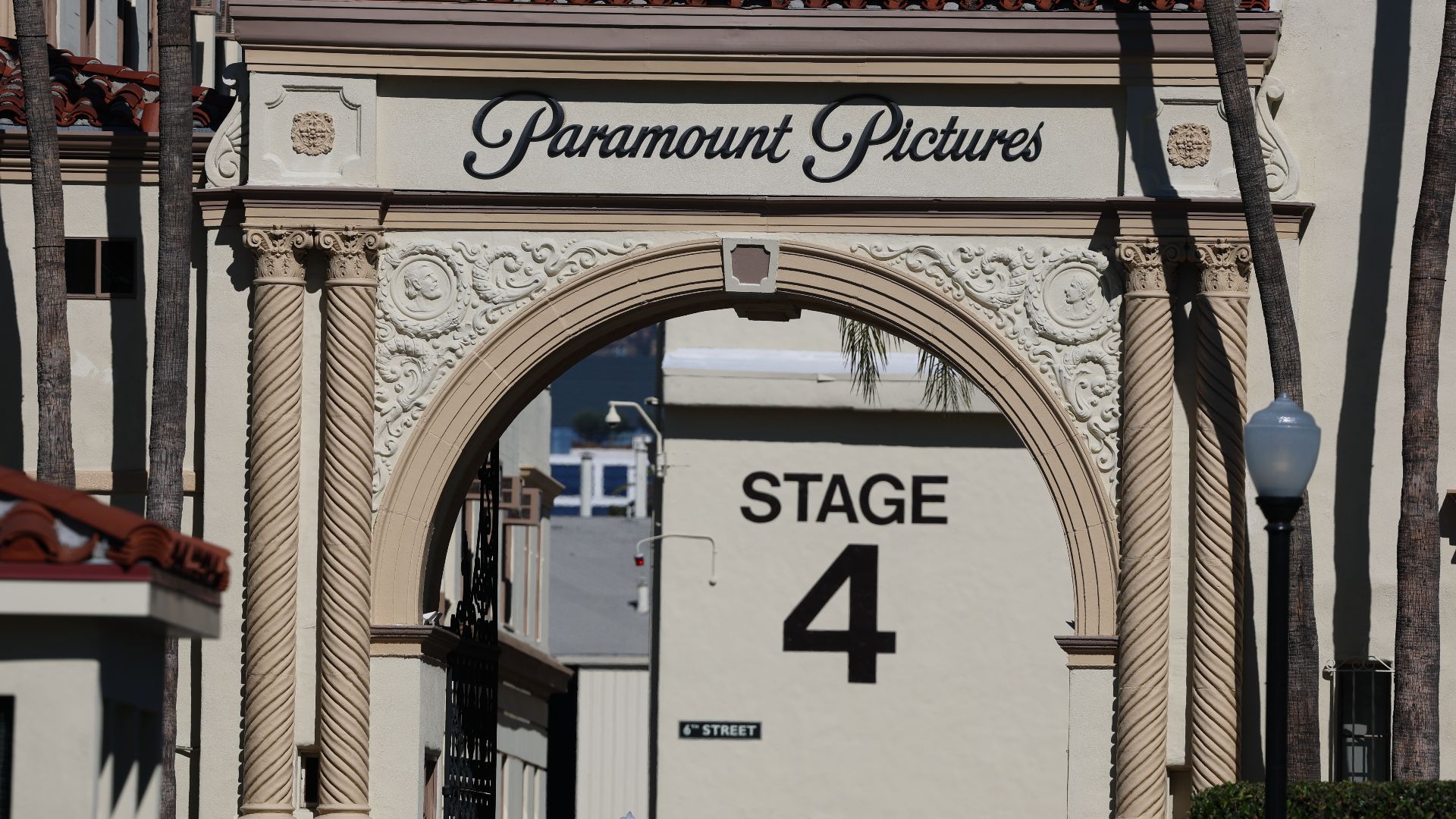
Paramount further alleges that Netflix attempted to shape industry opposition to the merger by encouraging concerns among labor organizations. In its filing, Paramount claims Netflix amplified an opposition report issued by the International Brotherhood of Teamsters and promoted arguments that previous media consolidations harmed workers and reduced content production. Paramount specifically pointed to Disney's acquisition of 21st Century Fox in 2019 as an example allegedly being used to influence public opinion. The company maintains that Netflix is deliberately promoting what it describes as a misleading «sky is falling» narrative about consolidation because it fears competing against a much larger Paramount organization that would combine Warner Bros. Discovery's assets with CBS, Paramount Pictures and Paramount+.
«I haven't been involved. I must say, I guess I'm considered to be a very strong president. I've been called by both sides. It's the two sides, but I've decided I shouldn't be involved. The Justice Department will handle it.»
-U.S. President, Donald Trump
Netflix quickly rejected the allegations. A company spokesperson dismissed Paramount's claims as «absurd» and insisted that Netflix has moved on from the bidding process. According to the company, Netflix officially exited the contest months ago and remains focused on its own business strategy rather than attempting to interfere with Paramount's acquisition. The response reflects the dramatically different narratives emerging from the two sides. While Paramount portrays Netflix as a frustrated rival attempting to derail the transaction, Netflix maintains that it has no interest in revisiting a battle that effectively ended when Paramount secured shareholder support and presented a significantly higher valuation for Warner Bros. Discovery.
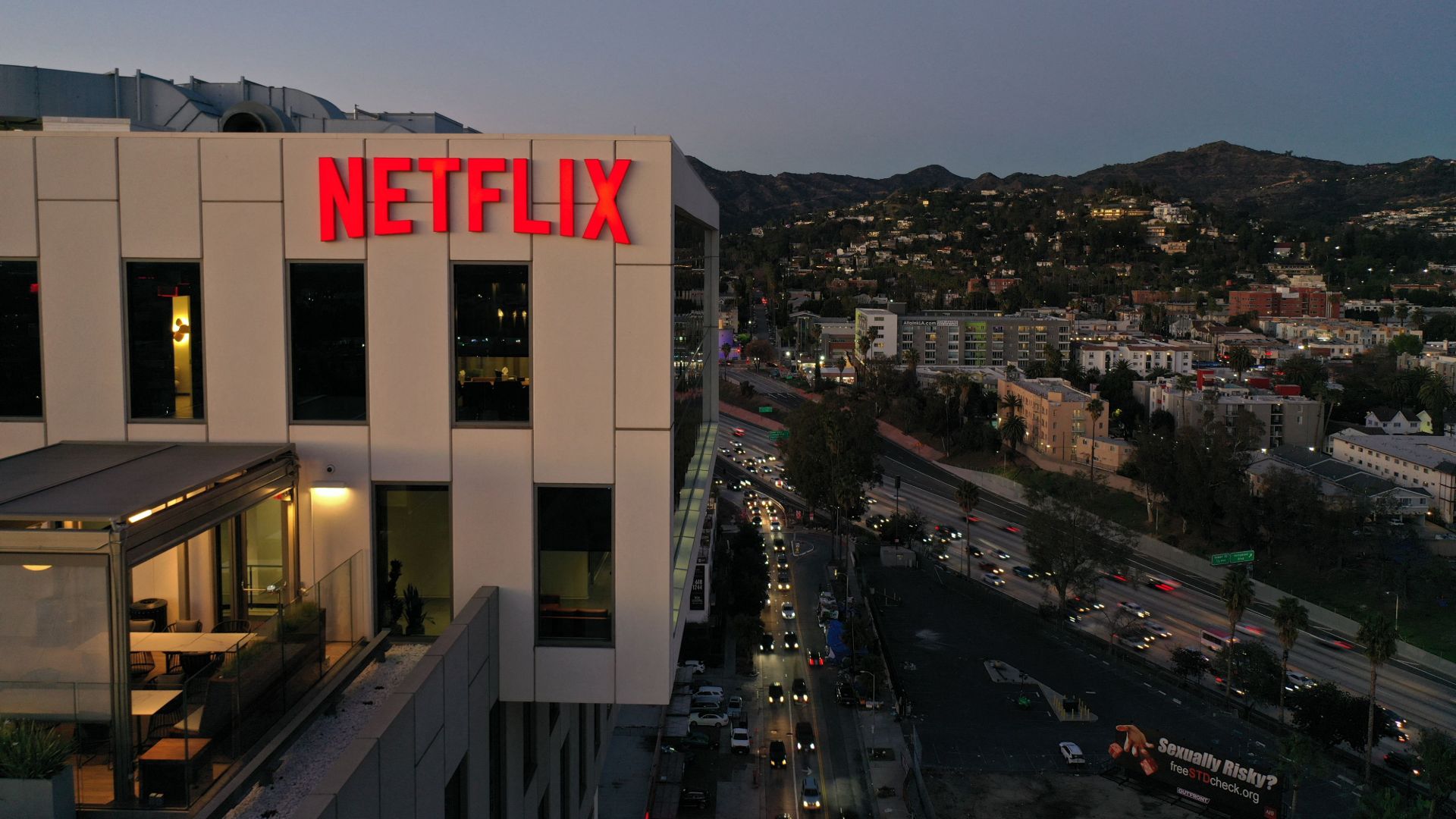
The dispute traces its origins to the intense bidding war that erupted after Warner Bros. Discovery put itself up for sale. Netflix initially gained the upper hand in December 2025 when the company's board approved an $82.7 billion offer valued at $27.75 per share. Netflix's strategy focused primarily on acquiring Warner Bros. Discovery's powerful streaming and studio assets, including HBO Max, the Harry Potter franchise and DC Comics. Paramount, led by CEO David Ellison and backed by the billionaire Ellison family, refused to concede. Instead, the company bypassed Warner Bros. Discovery's board and appealed directly to shareholders with a hostile takeover proposal designed to create a traditional media powerhouse combining television networks, film studios and streaming platforms under a single corporate structure.
«There's a theory that one of the companies is too big and it shouldn't be allowed to do it, and the other company is saying something else.»
-U.S. President, Donald Trump
The battle reached its climax in February 2026 when Paramount increased its offer to $31 per share in cash, valuing the transaction at roughly $111 billion including debt. Warner Bros. Discovery's board subsequently determined that Paramount's proposal was superior and challenged Netflix to match it. Netflix declined and withdrew from the process. Wall Street largely applauded that decision, sending Netflix shares sharply higher as investors expressed concern about the cost of absorbing Warner Bros. Discovery's debt and legacy television assets. Paramount ultimately paid Netflix a $2.8 billion breakup fee to terminate the original agreement. Despite shareholder approval, the merger continues to face regulatory scrutiny, labor opposition and questions surrounding foreign sovereign wealth investment. During the bidding war, Donald Trump publicly acknowledged the intensity of the fight while distancing himself from the outcome. «I haven't been involved. I must say, I guess I'm considered to be a very strong president. I've been called by both sides. It's the two sides, but I've decided I shouldn't be involved. The Justice Department will handle it.» Trump also remarked: «There's a theory that one of the companies is too big and it shouldn't be allowed to do it, and the other company is saying something else. They're beating the hell out of each other — and there'll be a winner.»
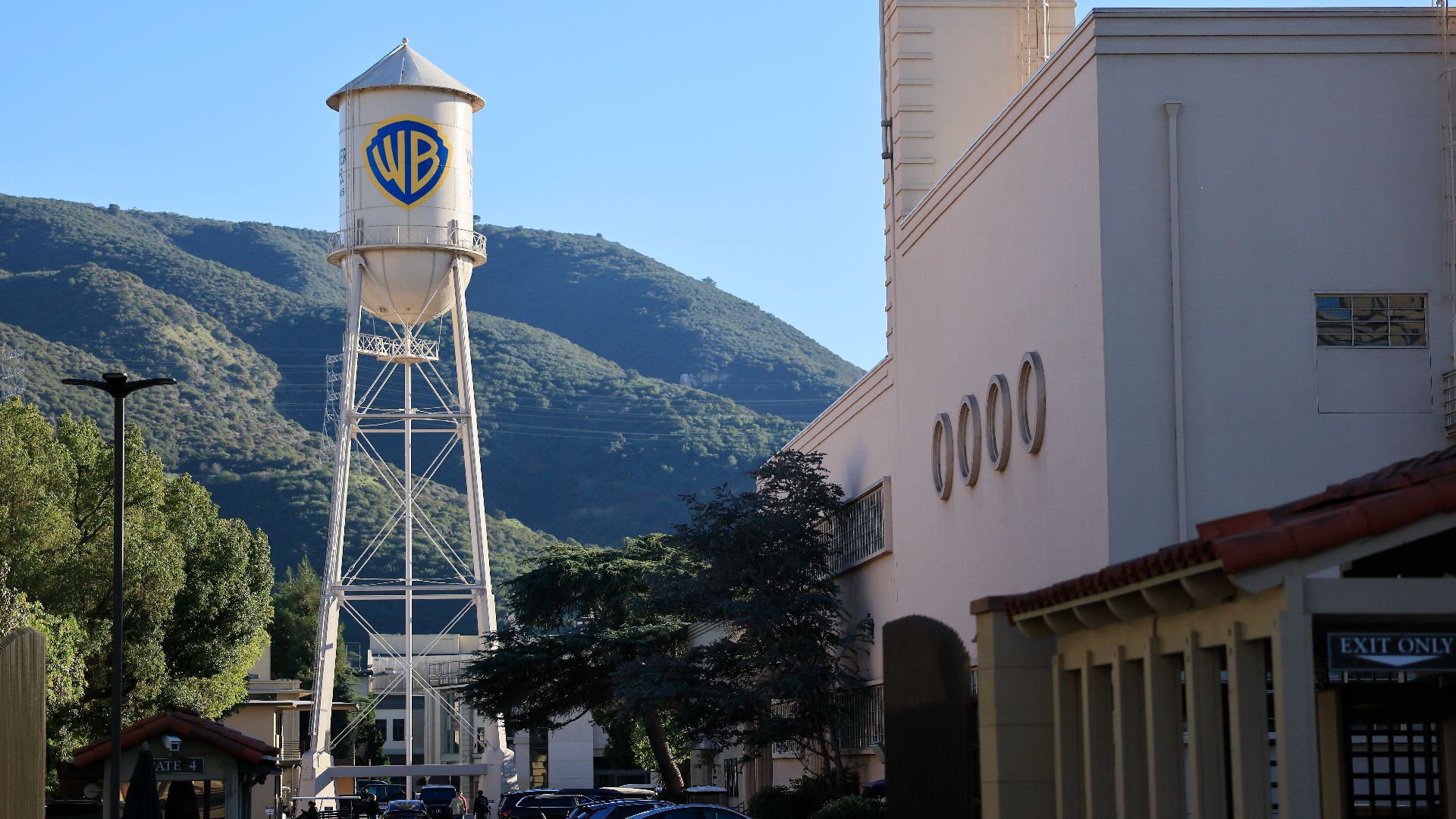
Created by humans, assisted by AI.
 Backroom makes A24 history with $81.4M domestic and $118M global opening, passing Civil War
 Cancelled or renewed? The Testaments, Emily in Paris and more!