

/https%3A%2F%2Fcdn-tor.buminteractif.com%2F2026%2F06%2F15165405%2FGettyImages-2281123338.jpg)
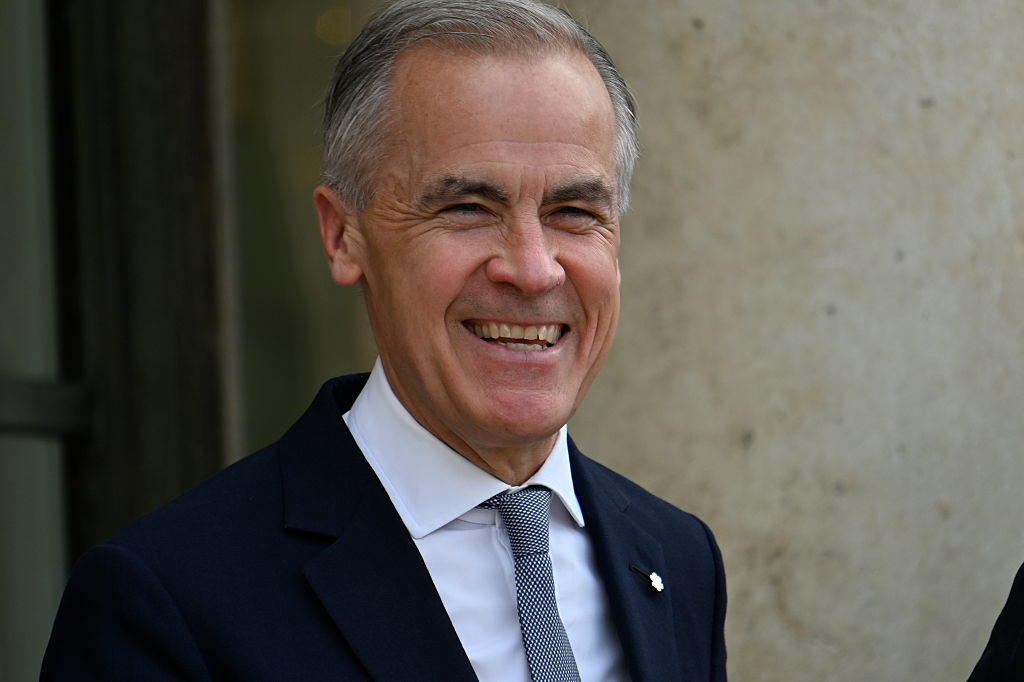
Prime Minister Mark Carney unveiled a new national food security strategy on June 11 that will invest $3.2 billion over the next decade to increase domestic food production, strengthen supply chains and make groceries more affordable for Canadians. The plan comes as many households continue struggling with food prices that surged during and after the COVID-19 pandemic. While recent grocery rebates have provided some temporary relief, the federal government says the new strategy aims to address the structural issues driving food costs higher. Carney announced the initiative at the Ontario Food Terminal, one of Canada's largest food distribution centres, located in Toronto.
The centrepiece of the strategy is a $1 billion Food Link Fund designed to increase competition in Canada's grocery sector. The money will support wholesale food terminals and smaller food hubs that allow independent grocers to purchase food without relying on supply chains controlled by major retailers. Those facilities also supply produce directly to restaurants, hospitals and consumers. According to the federal government, many small grocers currently buy food from the same large chains they compete against, often paying prices similar to those charged to consumers. Officials believe increasing wholesale competition could help lower costs throughout the food system.
This funding will improve access to fruit and vegetables year round … and reduce price swings caused by global disruptions,
-Canadian Federal official
Carney said Canada's reliance on foreign food supplies leaves consumers vulnerable to events beyond the country's control. Canada currently imports 88 per cent of its fresh fruits and nuts and 72 per cent of its vegetables. Half of all food imports come from the United States. The government argues that increasing domestic production will reduce Canada's exposure to international disruptions while creating a more resilient food supply system.
That reliance on foreign markets means that every global shock — foreign conflict, drought and tariffs — shows up directly at grocery stores across this country,
-Mark Carney
The strategy establishes several concrete targets over the next three years. Ottawa plans to expand the Ontario Food Terminal by the end of this year and open two additional food terminals by the end of 2028. The government also intends to establish or expand 10 smaller food hubs during the same period. Officials say those facilities will help independent retailers access more competitive prices while improving food distribution networks across the country. However, the strategy does not establish a target grocery price or define what constitutes affordable food, according to a senior government official who briefed reporters.
Controlling competition among grocery stores
Competition within the grocery industry forms another major pillar of the plan. Five companies (Loblaw, Metro, Empire, Walmart and Costco) currently control roughly 75 per cent of Canada's grocery market. Independent grocers, convenience stores and regional chains make up the remainder. Previous federal efforts to attract more competition largely failed to disrupt the dominance of major retailers. Under the new strategy, Ottawa will increase annual funding for the Competition Bureau and Competition Tribunal by $12.9 million. The government hopes stronger oversight and enforcement will improve competition throughout grocery supply chains and food retailing.
Increasing National food production
The strategy also includes measures aimed at increasing Canadian food production. Small- and medium-sized food processors will gain access to support programs that help modernize facilities and improve productivity through initiatives administered by Farm Credit Canada. Ottawa will also invest $700 million over seven years to help greenhouses and indoor food producers adopt new technology while reducing energy and operating costs. Of that amount, $100 million will specifically support projects in rural and northern communities. Officials say the investments will strengthen year-round food production while reducing dependence on imported produce.
The plan has already drawn criticism from opposition parties. New Democrats have argued Ottawa should go further by intervening directly in grocery markets through measures such as public grocery stores and stronger price controls. Conservatives, meanwhile, contend government policies themselves contribute to higher food costs. Conservative Deputy Leader Melissa Lantsman argued that federal taxes and spending increase costs throughout the food supply chain. Despite those disagreements, the government hopes the strategy will address both food affordability and food sovereignty. Whether the investments ultimately lower grocery bills for Canadian families remains to be seen.
 What is Mark Carney's new AI strategy?
 Mark Carney reportedly caught on 'hot mic'