

/https%3A%2F%2Fcdn-tor.buminteractif.com%2F2026%2F07%2F02190218%2Ftrump-billions-gerrt-453453gdfgdfg.jpg)
Donald Trump's personal wealth has increased by billions of dollars since returning to the White House for a second term, fueled by strong gains across several sectors of his business empire. While a significant portion of the increase has come from the rapid expansion of his family's digital asset ventures, the president's growing fortune also reflects appreciation in his real estate portfolio, private business holdings and other investments. The surge comes as Trump's administration pursues policies designed to strengthen financial markets, encourage investment and accelerate emerging industries, placing renewed attention on the unprecedented intersection between presidential policymaking and a vast private business empire that continues to expand while he serves in office.
Recent financial estimates indicate Trump's net worth has climbed by approximately $2.2 billion since returning to the White House, making him one of the biggest financial beneficiaries of the remarkable rally in digital assets and broader capital markets. Although real estate remains a cornerstone of his business empire through properties including office towers, hotels, golf resorts and licensing agreements around the world, analysts say the largest driver of his recent wealth gains has been the rapid appreciation of ventures connected to blockchain technology and digital finance. Combined with stronger valuations across other Trump-owned assets, the increase has significantly expanded the president's overall fortune during the opening months of his second administration, drawing renewed scrutiny from ethics experts and political opponents over the relationship between public office and private wealth.
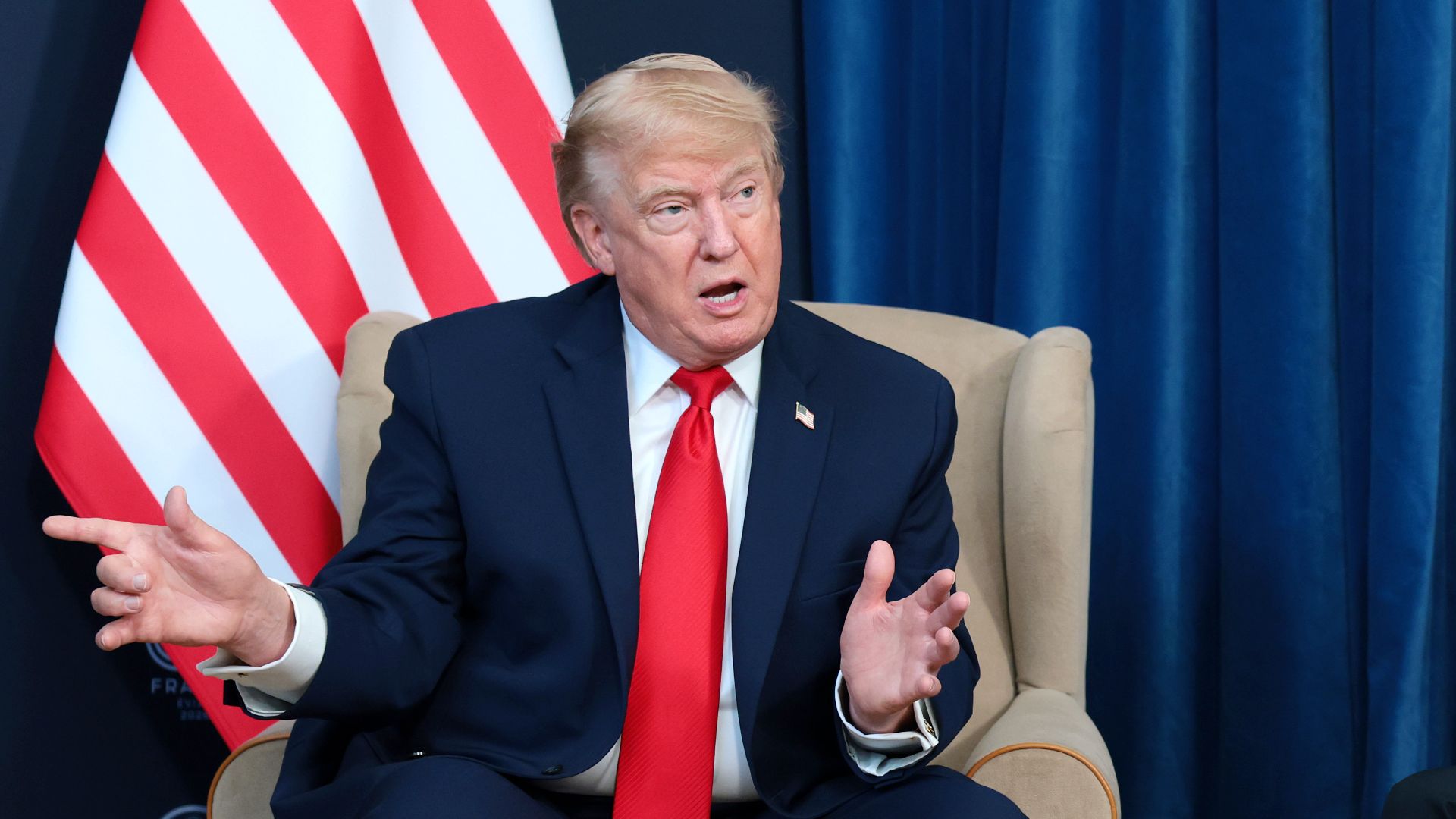
Trump has repeatedly dismissed suggestions that his personal financial gains influence his decisions as president, arguing that his investments are managed independently while emphasizing that millions of Americans have also benefited from rising markets. Defending the increase in his fortune, Trump said, «You know why I'm profiting, because the stock market's going up, everybody's profiting.» He also rejected claims that he actively oversees his financial interests while in office, explaining, «I don't get involved in my personal [finances]. We have funds that run my money… I've made a lot of money before I became president. And they invest my money, and I don't talk to them. I never, I don't even speak to them… They're big institutions and they run it.»
«You know why I'm profiting, because the stock market's going up, everybody's profiting.»
-U.S. President, Donald Trump
Much of the attention surrounding Trump's expanding fortune has centered on his family's digital asset businesses, which have grown rapidly alongside the broader cryptocurrency market. World Liberty Financial has attracted billions of dollars in investments since its launch, while additional ventures tied to digital tokens, blockchain projects and decentralized finance have further increased the value of Trump's business holdings. At the same time, his traditional assets—including commercial real estate, golf clubs, hospitality properties and licensing agreements—have also benefited from stronger market conditions, reinforcing the diversification of the president's portfolio. Together, those gains have helped drive the estimated $2.2 billion increase in Trump's overall wealth since returning to office.
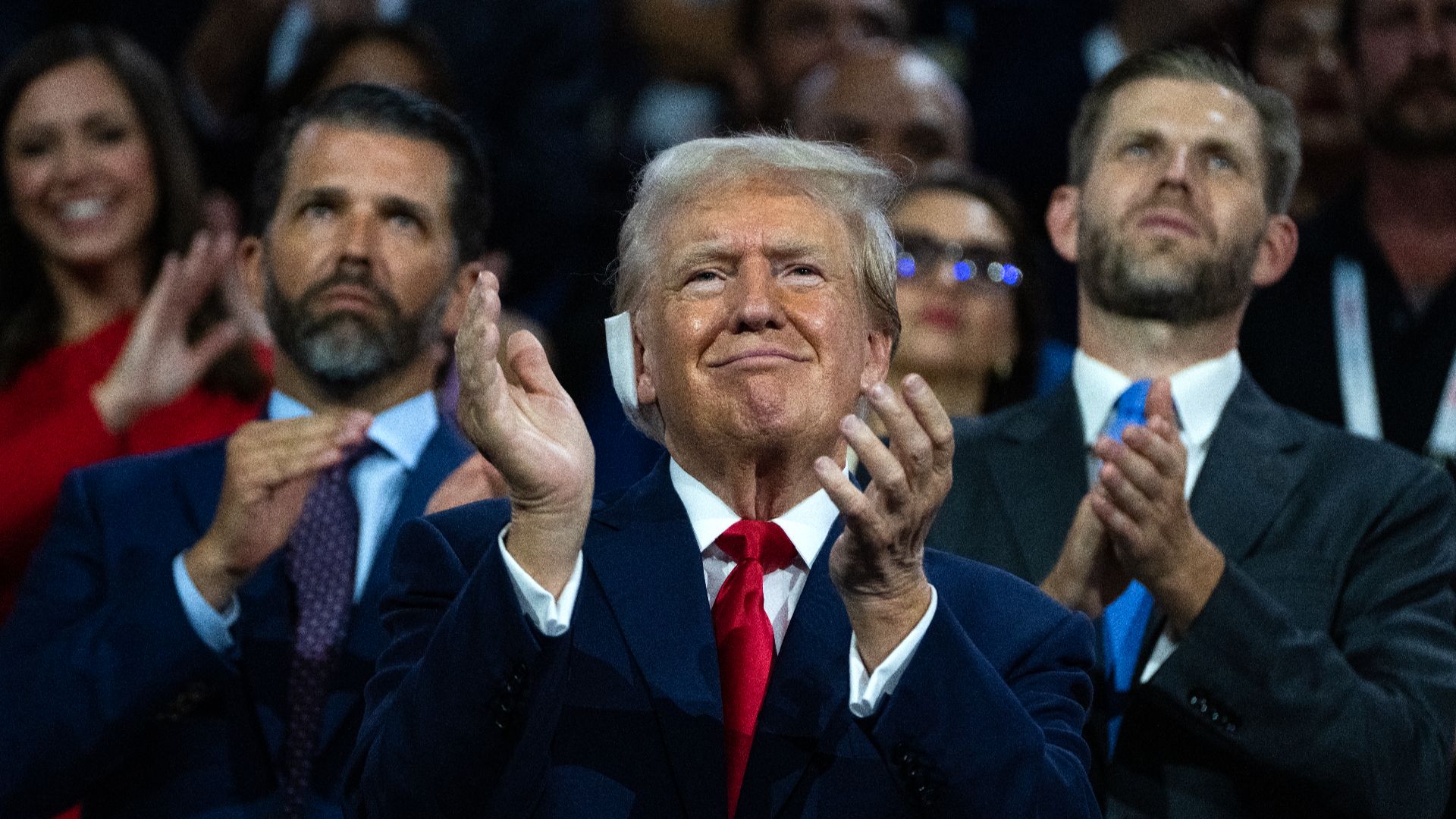
The president's growing fortune comes as his administration continues advancing policies aimed at positioning the United States as the global leader in digital assets and financial innovation. Since returning to office, Trump has repeatedly promoted a more favorable regulatory environment for cryptocurrencies, artificial intelligence and other emerging technologies while encouraging investment in industries he argues will define the next generation of American economic growth. Supporters contend those policies are strengthening US competitiveness and attracting capital, while critics argue the president's continued financial interests create unprecedented ethical questions because many of the industries benefiting from regulatory changes are also connected to businesses associated with the Trump family.
«I don't get involved in my personal [finances]. We have funds that run my money… I've made a lot of money before I became president. And they invest my money, and I don't talk to them. I never, I don't even speak to them… They're big institutions and they run it.»
-U.S. President, Donald Trump
Although financial disclosure requirements and ethics laws continue to govern presidential assets, Trump's expanding wealth is expected to remain under intense political scrutiny as his second term progresses. Supporters point to the performance of financial markets and the appreciation of long-held business assets as evidence that his fortune reflects broader economic trends rather than direct presidential action. Critics, however, continue to call for greater transparency regarding the relationship between public policy and private financial interests. As digital assets, artificial intelligence and real estate increasingly shape the modern economy, Trump's business empire is likely to remain at the center of a broader national debate over wealth, political power and the evolving boundaries between government and private enterprise.
Created by humans, assisted by AI.
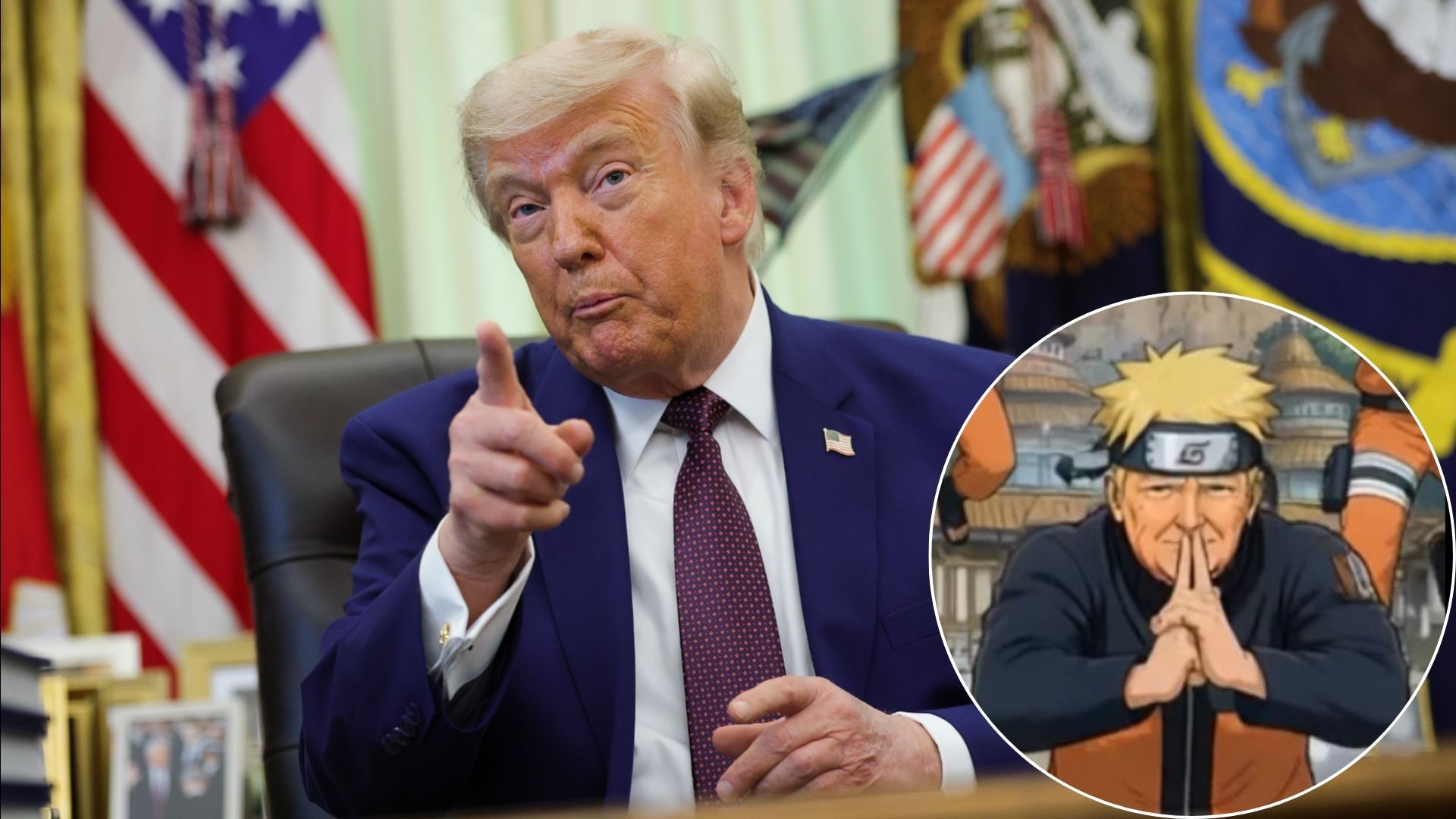 The Trump–Naruto controversy: Legal, cultural, and technical implications of an AI-generated image
 Trump bizarrely posted a photo of a random woman for Father's Day with the caption 'Great daughter'